Apoptosis related

Apoptosis related compounds affect cell survival indirectly, through metabolism, stress responses or signaling. Unlike the target categories of the Apoptosis section, this mixed set groups compounds by a reported link to cell death rather than by one mechanism. Sodium oxamate, a pyruvate analog, inhibits lactate dehydrogenase (LDH) and is used to study glycolytic metabolism. Zinc protoporphyrin inhibits heme oxygenase 1 (HO-1), an enzyme induced by oxidative stress. Sulforaphane, an isothiocyanate from cruciferous vegetables, activates nuclear factor erythroid 2-related factor 2 (Nrf2) and has been reported to inhibit histone deacetylases. CASIN inhibits the small GTPase cell division cycle 42 (Cdc42). Drugs such as flurbiprofen and metronidazole are also included, so the list is broad.

Items 176-200 of 221

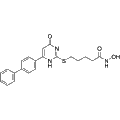
  • SelSA
    Cat. No.
    A24039

    SelSA

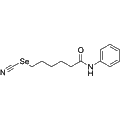
    SelSA is a selective and orally active histone deacetylase 6 (HDAC6) inhibitor with an IC₅₀ of 56.9 nM. It also inhibits ERK1/2 phosphorylation, contributing to its anticancer effects. SelSA suppresses the proliferation of breast cancer and hepatocellular carcinoma cells with IC₅₀ values ranging from 0.58 to 2.6 μM, inhibits migration and invasion of Huh7 cells, and induces apoptosis. In vivo, SelSA demonstrates significant antitumor activity, supporting its potential as a therapeutic agent for solid tumors.

    5 mg
    $432.00
    10 mg
    $744.00
    All 4 sizes
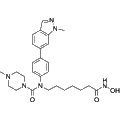
  • MC1742
    Cat. No.
    A24055

    MC1742

    MC1742 is a potent pan-HDAC inhibitor with broad activity across multiple HDAC isoforms, exhibiting IC₅₀ values of 0.1 μM (HDAC1), 0.11 μM (HDAC2), 0.02 μM (HDAC3), 0.007 μM (HDAC6), 0.61 μM (HDAC8), 0.04 μM (HDAC10), and 0.1 μM (HDAC11). It effectively increases acetylation of histone H3 and α-tubulin, markers of HDAC inhibition. MC1742 inhibits the growth of cancer stem cells (CSCs), and induces growth arrest, apoptosis, and differentiation, particularly in sarcoma CSC models, making it a promising candidate for targeting therapy-resistant cancer cell populations.

    5 mg
    $108.00
    10 mg
    $186.00
    All 4 sizes
  • Alteminostat
    Cat. No.
    A24057

    Alteminostat (CKD-581)

    Synonyms: CKD-581

    Alteminostat (CKD-581) is a potent, broad-spectrum histone deacetylase (HDAC) inhibitor that targets both class I and class II HDAC isoforms. It promotes histone H3 and α-tubulin acetylation, indicating effective inhibition of nuclear and cytoplasmic HDAC activity. Alteminostat is being investigated for its therapeutic potential in hematologic malignancies, including lymphoma and multiple myeloma, and serves as a valuable tool in epigenetic cancer research.

    5 mg
    $360.00
    10 mg
    $620.00
    All 4 sizes
  • Rhamnetin
    Cat. No.
    A24074

    Rhamnetin

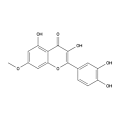
    Rhamnetin is a naturally occurring flavonoid and quercetin derivative found in *Coriandrum sativum*. It functions as an inhibitor of secretory phospholipase A₂ and histone deacetylase 2 (HDAC2), contributing to its broad pharmacological profile. Rhamnetin exhibits notable antitumor, antioxidant, and anti-inflammatory activities, making it a promising compound for research in cancer, oxidative stress-related conditions, and inflammatory diseases.

    5 mg
    $144.00
    10 mg
    $248.00
    All 4 sizes
  • Lysophosphatidylcholines
    Cat. No.
    A24114

    Lysophosphatidylcholines

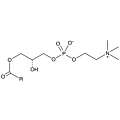
    Lysophosphatidylcholines (LPCs) are orally active lysolipids and key components of oxidized low-density lipoprotein (oxLDL). They are bioactive molecules known to induce cellular injury, promote the production of pro-inflammatory cytokines such as interleukin-1β (IL-1β), and trigger apoptosis. LPCs play a significant role in the pathophysiology of various inflammatory conditions and have been implicated in the progression of sepsis by amplifying inflammatory responses. Due to these properties, LPCs are actively studied in the context of inflammation, cardiovascular disease, and sepsis-related research.

    5 mg
    $63.00
    10 mg
    $109.00
    All 4 sizes
  • Gamma-Linolenic acid
    Cat. No.
    A24115

    Gamma-Linolenic acid

    Synonyms: γ-Linolenic acid

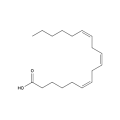
    Gamma-linolenic acid (γ-linolenic acid, GLA) is an orally active omega-6 unsaturated fatty acid with broad pharmacological activities. It exhibits anti-inflammatory effects by inhibiting the NF-κB signaling pathway and suppressing the phosphorylation of ERK1/2 and JNK, key mediators of inflammatory responses. GLA also induces apoptosis in cancer cells, contributing to its anticancer potential. Additionally, it possesses antioxidant properties and has been shown to improve memory function, suggesting neuroprotective benefits. These multifunctional effects position gamma-linolenic acid as a promising compound for research in inflammation, oncology, and neurological disorders.

    5 mg
    $27.00
    10 mg
    $47.00
    All 4 sizes
  • MY-673
    Cat. No.
    A24135

    MY-673

    MY-673 is a colchicine binding site inhibitor (CBSI) that disrupts microtubule dynamics by inhibiting tubulin polymerization. In addition to its antimitotic effects, MY-673 suppresses the ERK signaling pathway, which leads to modulation of SMAD4 protein expression within the TGF-β/SMAD signaling axis. These combined actions result in potent inhibition of cancer cell proliferation and migration, and the induction of apoptosis, both in vitro and in vivo. MY-673 holds promise as a therapeutic candidate for targeting cancers driven by aberrant microtubule dynamics and dysregulated TGF-β/ERK signaling.

    5 mg
    $315.00
    10 mg
    $543.00
    All 4 sizes
  • Penehyclidine hydrochloride
    Cat. No.
    A24149

    Penehyclidine hydrochloride

    Synonyms: Penequinine hydrochloride

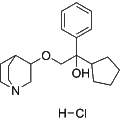
    Penehyclidine hydrochloride (also known as Penequinine hydrochloride) is a selective anticholinergic agent that acts as an antagonist of muscarinic M1 and M3 receptors. It exerts anti-inflammatory effects by modulating immune signaling in lung tissue, notably through activation of the NF-κB pathway and inhibition of pro-inflammatory cytokine release. In preclinical studies, Penehyclidine hydrochloride has been shown to alleviate pulmonary inflammation in rat models of chronic obstructive pulmonary disease (COPD), particularly under conditions of mechanical ventilation. These properties suggest its potential utility in managing respiratory inflammatory conditions and improving outcomes in mechanically ventilated patients with COPD.

    5 mg
    $63.00
    10 mg
    $109.00
    All 4 sizes
  • Cearoin
    Cat. No.
    A24152

    Cearoin

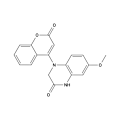
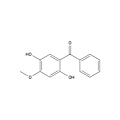
    Cearoin is a bioactive compound that promotes both autophagy and apoptosis by inducing reactive oxygen species (ROS) production and activating the ERK signaling pathway. Through this dual mechanism, cearoin contributes to the regulation of cellular stress responses and programmed cell death. Its ability to modulate these processes makes it a valuable candidate for research in cancer biology and other diseases involving dysregulated autophagy or apoptosis.

    1 mg
    $180.00
    5 mg
    $540.00
    All 4 sizes
  • Avitinib maleate
    Cat. No.
    A24180

    Avitinib maleate

    Synonyms: Abivertinib maleate; AC0010 maleate

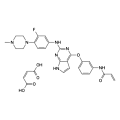
    Avitinib (Abivertinib) maleate is a third-generation, irreversible, and orally active selective EGFR inhibitor with IC50 values of 0.18 nM for both EGFR^L858R and EGFR^T790M, and 7.68 nM for wild-type EGFR. In addition to its EGFR-targeting activity, Avitinib maleate also inhibits BTK phosphorylation and induces apoptosis in mantle cell lymphoma models, demonstrating broad-spectrum anticancer efficacy.

    5 mg
    $63.00
    10 mg
    $109.00
    All 4 sizes
  • Sulforaphene
    Cat. No.
    A24183

    Sulforaphene

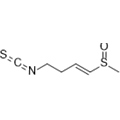
    Sulforaphene, a natural compound isolated from radish seeds, exhibits an ED₅₀ of approximately 2 × 10⁻⁴ M against velvetleaf seedlings. It promotes apoptosis and inhibits migration in cancer cells by suppressing signaling pathways including EGFR, phosphorylated ERK1/2 (p-ERK1/2), and NF-κB.

    5 mg
    $63.00
    10 mg
    $109.00
    All 4 sizes
  • HIOC
    Cat. No.
    A24185

    HIOC

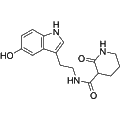
    HIOC is a potent and selective activator of the TrkB (tropomyosin receptor kinase B) receptor, capable of crossing both the blood-brain and blood-retinal barriers. It activates the TrkB/ERK signaling pathway, reduces neuronal apoptosis, and has been shown to attenuate early brain injury following subarachnoid hemorrhage (SAH). Additionally, HIOC exhibits neuroprotective effects in animal models of light-induced retinal degeneration.

    5 mg
    $135.00
    10 mg
    $233.00
    All 4 sizes
  • DMU-212
    Cat. No.
    A24197

    DMU-212

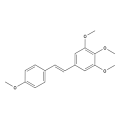
    DMU-212 is an orally active methylated derivative of Resveratrol that exhibits antimitotic, anti-proliferative, antioxidant, and pro-apoptotic activities. It induces mitotic arrest by promoting apoptosis and activating ERK1/2 signaling.

    5 mg
    $54.00
    10 mg
    $93.00
    All 4 sizes
  • Tauroursodeoxycholate dihydrate
    Cat. No.
    A24203

    Tauroursodeoxycholate dihydrate

    Synonyms: Tauroursodeoxycholic acid dihydrate; TUDCA dihydrate; UR 906 dihydrate

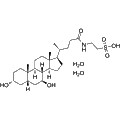
    Tauroursodeoxycholate (Tauroursodeoxycholic acid; TDUCA) dihydrate is an inhibitor of endoplasmic reticulum (ER) stress that significantly downregulates pro-apoptotic molecules, including caspase-3 and caspase-12. Additionally, it suppresses ERK signaling, contributing to its cytoprotective and anti-apoptotic effects.

    50 mg
    $45.00
    100 mg
    $78.00
    All 3 sizes
  • α-Amyrin
    Cat. No.
    A24205

    α-Amyrin

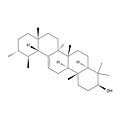
    α-Amyrin is an orally active pentacyclic triterpenoid that activates the ERK and GSK-3β signaling pathways. It is studied for its potential in treating metabolic syndrome induced by a high-fructose diet and cognitive dysfunction associated with reduced cholinergic neurotransmission.

    1 mg
    $54.00
    5 mg
    $162.00
    All 4 sizes
  • 7-Hydroxyflavone
    Cat. No.
    A24207

    7-Hydroxyflavone

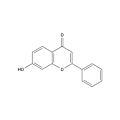
    7-Hydroxyflavone is an orally active flavonoid isolated from *Clerodendrum phlomidis*, exhibiting notable anti-inflammatory activity. It protects renal cells from nicotine-induced cytotoxicity through activation of the ERK/Nrf2/HO-1 signaling pathway. Additionally, 7-Hydroxyflavone inhibits PKM2 with an IC50 of 2.12 μM, and suppresses COX-2 and 5-LOX with IC50 values of 27 μg/mL and 33 μg/mL, respectively.

    10 mg
    $27.00
    25 mg
    $54.00
    All 4 sizes
  • HKB99
    Cat. No.
    A24208

    HKB99

    HKB99 is an allosteric inhibitor of phosphoglycerate mutase 1 (PGAM1) that induces apoptosis and suppresses cell migration by inhibiting the formation of invasive pseudopodia. It increases oxidative stress, activates the JNK/c-Jun pathway, and downregulates AKT and ERK signaling. HKB99 is a promising compound for the study of non-small cell lung cancer (NSCLC).

    5 mg
    $405.00
    10 mg
    $698.00
    All 4 sizes
  • Deferoxamine
    Cat. No.
    A24229

    Deferoxamine

    Synonyms: Deferoxamine B; Deferriferrioxamine B; Deferrioxamine

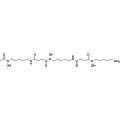
    Deferoxamine (Deferoxamine B) is an iron chelator (binds to Fe(III) and many other metal cations), is widely used to reduce iron accumulation and deposition in tissues. Deferoxamine upregulates HIF-1α levels with good antioxidant activity. Deferoxamine also shows anti-proliferative activity, can induce apoptosis and autophagy in cancer cells. Deferoxamine can be used in studies of diabetes, neurodegenerative diseases as well as anti-cancer and anti-COVID-19.

    1 mg
    $45.00
    5 mg
    $125.00
    All 7 sizes
  • ABD56
    Cat. No.
    A24242

    ABD56

    ABD56 is a bioactive compound that inhibits osteoclast formation and induces osteoclast apoptosis. Its mechanism of action involves suppression of the NFκB and ERK signaling pathways, making it a promising candidate for research in bone metabolism and osteolytic diseases.

    5 mg
    $315.00
    10 mg
    $543.00
    All 4 sizes
  • Illudin S
    Cat. No.
    A24283

    Illudin S

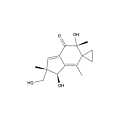
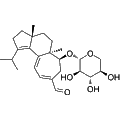
    Illudin S is a natural sesquiterpene compound with potent cytotoxic, anti-tumor, and antiviral activities. It exhibits genotoxic effects and disrupts cell cycle progression by blocking the G1-S phase transition in human leukemia cells. Illudin S is of interest in cancer research due to its ability to target rapidly proliferating cells.

    1 mg
    $252.00
    5 mg
    $756.00
    All 4 sizes
  • L-Asparaginase (L-ASNase)
    Cat. No.
    A24285

    L-Asparaginase (L-ASNase)

    L-Asparaginase (L-ASNase) is a deamidating enzyme that catalyses the hydrolysis of L-asparagine and L-glutamine, and can be used for the research of acute lymphoblastic leukemia. L-Asparaginase depletes L-asparagine from plasma resulting in inhibition of RNA and DNA synthesis with the subsequent blastic cell apoptosis.

    1 mg
    $41.00
    5 mg
    $122.00
    All 4 sizes
  • APX2009
    Cat. No.
    A24286

    APX2009

    APX2009 is a specific inhibitor of APE1/REF-1 redox activity with demonstrated anticancer properties. It reduces the proliferation, migration, and invasion of breast cancer cells and induces apoptosis. APX2009 holds potential for targeted cancer therapy by disrupting redox-regulated transcription factors involved in tumor progression.

    1 mg
    $72.00
    5 mg
    $216.00
    All 4 sizes
  • (+)-Erinacin A
    Cat. No.
    A24299

    (+)-Erinacin A

    Synonyms: Erinacine A

    (+)-Erinacin A (Erinacine A) is a cyanoditerpenoid isolated from Hericium erinaceus with anticancer, anti-inflammatory and neuroprotective activities. (+)-Erinacin A can induce cancer cell death by activating extrinsic and intrinsic apoptosis pathways. (+)-Erinacin A can also inhibit the expression of NO synthase (iNOS) and the production of nitrotyrosine to exert inflammatory and neuroprotective effects, thereby reducing ischemic brain damage.

    1 mg
    $800.00
    All 1 sizes
  • Bleximenib oxalate
    Cat. No.
    A24334

    Bleximenib oxalate (JNJ-75276617)

    Synonyms: JNJ-75276617

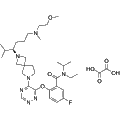
    Bleximenib (JNJ-75276617) oxalate is an orally active and highly selective inhibitor of the menin–KMT2A (MLL) interaction, with IC50 values of 0.1 nM in humans, 0.045 nM in mice, and ≤0.066 nM in dogs. It effectively inhibits tumor cell proliferation and induces apoptosis and differentiation, particularly in cancers driven by KMT2A rearrangements. Bleximenib oxalate is a promising candidate for research in leukemia and other menin–KMT2A-dependent malignancies.

    1 mg
    $144.00
    5 mg
    $432.00
    All 4 sizes
  • Bleximenib
    Cat. No.
    A24337

    Bleximenib (JNJ-75276617)

    Synonyms: JNJ-75276617

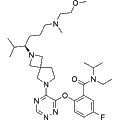
    Bleximenib (JNJ-75276617) is an orally active and highly selective menin–KMT2A (MLL) interaction inhibitor, with IC50 values of 0.1 nM in humans, 0.045 nM in mice, and ≤0.066 nM in dogs. It effectively inhibits the proliferation of tumor cells and induces apoptosis and differentiation, particularly in malignancies driven by KMT2A rearrangements. Bleximenib is a promising therapeutic candidate for the study and treatment of leukemia and other menin-dependent cancers.

    5 mg
    $585.00
    10 mg
    $1,008.00
    All 4 sizes

Items 176-200 of 221

Added to your cart

View Cart Checkout

    Loading...