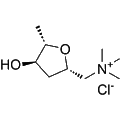
mAChR

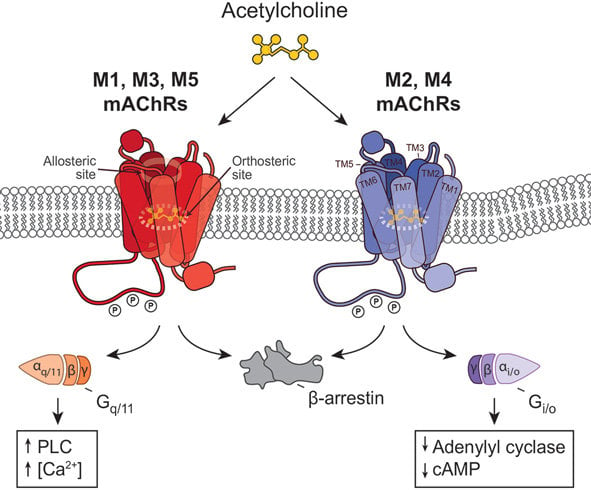
Muscarinic acetylcholine receptors (mAChRs) are a class of G protein-coupled receptors (GPCRs) found in the central and peripheral nervous systems, as well as in various other tissues and organs throughout the body. These receptors are named after muscarine, a natural alkaloid compound found in certain mushrooms, which was one of the first substances discovered to activate them.

There are five subtypes of muscarinic receptors, designated as M1 through M5, each with distinct tissue distribution and functions. Here's an overview of their roles:

  • M1 Receptors: Predominantly found in the central nervous system, particularly in regions associated with cognitive functions. Activation of M1 receptors is linked to memory and learning.
  • M2 Receptors: Found in the heart, where they play a crucial role in regulating heart rate and cardiac contractility. Activation of M2 receptors slows heart rate and reduces the force of cardiac contractions.
  • M3 Receptors: Present in smooth muscle tissues, such as those in the gastrointestinal tract, urinary bladder, and bronchial airways. Activation of M3 receptors leads to smooth muscle contraction.
  • M4 Receptors: Distributed mainly in the central nervous system and involved in modulating neurotransmitter release. Their role in cognition and neuropsychiatric disorders is of interest.
  • M5 Receptors: Located in certain areas of the brain and implicated in the modulation of dopamine release. Research suggests they may be relevant to Parkinson's disease and addiction.

Muscarinic receptors are activated by the neurotransmitter acetylcholine and play a vital role in regulating a wide range of physiological processes, including heart rate, smooth muscle contraction, glandular secretion, and neurotransmitter release. They are targets for various drugs, including anticholinergic agents, which block their activity, and drugs used to treat conditions like bradycardia and neurodegenerative disorders.

Understanding the functions and regulation of muscarinic acetylcholine receptors is essential for developing therapies that modulate their activity and for advancing our knowledge of how they contribute to various physiological and pathological processes in the body.

Items 51-75 of 77

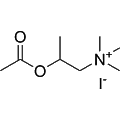
  • Methacholine iodide
    Cat. No.
    A61424

    Methacholine iodide

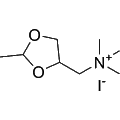
    Synonyms: Acetyl-β-methylcholine iodide

    Methacholine iodide is a potent agonist of the muscarinic-3 (M3) receptor. By directly stimulating acetylcholine receptors on smooth muscle, it induces bronchoconstriction and airway narrowing. Methacholine iodide is particularly effective for assessing bronchial hyperresponsiveness (BHR) and is utilized as a diagnostic tool in evaluating airway hyperreactivity in patients with asthma-like symptoms and normal resting expiratory flow rates.

    25 mg
    $1,275.00
    50 mg
    $1,625.00
    All 3 sizes
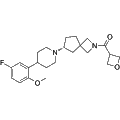
  • M1/M2/M4 muscarinic agonist 3
    Cat. No.
    A61428

    M1/M2/M4 muscarinic agonist 3

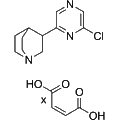
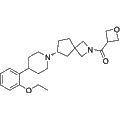
    M1/M2/M4 muscarinic agonist 3 is a selective agonist for muscarinic acetylcholine receptors M1, M2, and M4, exhibiting EC50 values of 3.2 nM, 32 nM, and 1.7 nM, respectively. This compound is effective in modulating neurotransmission and has significant implications for research in cognitive function, neuropharmacology, and potential therapeutic applications in neurological disorders. Its activity profile makes it a valuable tool for studying muscarinic signaling pathways and receptor interactions.

    Out of stock

    All 3 sizes
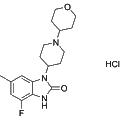
  • GSK1034702 hydrochloride
    Cat. No.
    A61429

    GSK1034702 hydrochloride

    GSK1034702 hydrochloride is a potent allosteric agonist of the M1 muscarinic acetylcholine receptor (mAChR), with a pEC50 value of 8.1, capable of crossing the blood-brain barrier. This compound activates the Gq/11 protein-mediated signaling pathway, leading to enhanced neuronal firing and long-term potentiation (LTP) in the hippocampal CA1 region. GSK1034702 hydrochloride is valuable for investigating cognitive impairments associated with neurological conditions, such as Alzheimer's disease, and demonstrates pro-cognitive effects in animal models, especially relevant in studies of nicotine withdrawal-induced cognitive dysfunction. Potential side effects related to peripheral M receptor activation, such as gastrointestinal reactions, should be considered in research applications.

    25 mg
    $1,275.00
    50 mg
    $1,625.00
    All 3 sizes
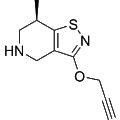
  • Lu 26-046
    Cat. No.
    A61437

    Lu 26-046

    Lu 26-046 is a selective agonist for the muscarinic M1 and M2 receptors, with reported affinities (Ki values) of 0.51 nM and 26 nM, respectively, while exhibiting weak antagonistic activity at the M3 receptor (Ki 5 nM). This compound demonstrates a specific stimulating effect that has been recognized in behavioral assays with rats. Lu 26-046 serves as a valuable tool in research investigating cholinergic signaling pathways and receptor subtype functions.

    25 mg
    $2,035.00
    50 mg
    $2,610.00
    All 3 sizes
  • Nebracetam
    Cat. No.
    A61439

    Nebracetam

    Synonyms: WEB 1881 FU

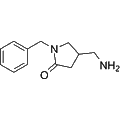
    Nebracetam is an orally active agonist of the M1 muscarinic receptor, known for its ability to increase intracellular Ca2+ concentration, demonstrated with an EC50 value of 1.59 mM. This compound exhibits neuroprotective properties and has been shown to improve cognitive impairment. Nebracetam is applicable in research focused on neurological conditions, including Alzheimer's disease, making it a valuable tool for understanding and developing potential therapeutic strategies.

    25 mg
    $1,275.00
    50 mg
    $1,625.00
    All 3 sizes
  • AC-42
    Cat. No.
    A61447

    AC-42

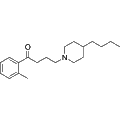
    AC-42 is a selective allosteric agonist for the M1 muscarinic receptor, exhibiting potent activity with EC50 values of 805 nM for the human wild-type and 220 nM for the Y381A mutant receptor. This compound enhances inositol phosphate (IP) accumulation and calcium mobilization in CHO cells, making it a valuable tool for studying M1 receptor signaling pathways. Its unique mechanism of action facilitates research into neuropharmacology and cognitive function modulation.

    25 mg
    $1,275.00
    50 mg
    $1,625.00
    All 3 sizes
  • SR-46559A
    Cat. No.
    A61462

    SR-46559A

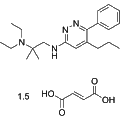
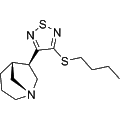
    SR-46559A is a potent muscarinic agonist, primarily targeting muscarinic acetylcholine receptors. This compound has demonstrated key biological activity in modulating neurotransmission and is particularly useful in research focused on social olfactory recognition and related neurobiological pathways. SR-46559A offers valuable insights into the role of cholinergic signaling in olfactory processing and social behavior studies.

    Out of stock

    All 3 sizes
  • RS-86
    Cat. No.
    A61464

    RS-86

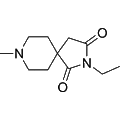
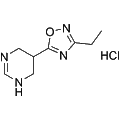
    RS-86 is a potent and selective agonist of muscarinic acetylcholine receptors (mAChRs). This compound elicits cholinergic excitatory effects, including smooth muscle contraction, ganglion depolarization, and central hypothermia. RS-86 is utilized in research focused on the pathophysiology of Alzheimer's disease and the underlying mechanisms of cholinergic signaling.

    Out of stock

    All 3 sizes
  • L 689660 maleate
    Cat. No.
    A61466

    L 689660 maleate

    L 689660 maleate is a selective agonist for M1 and M3 muscarinic receptors, exhibiting potent cholinomimetic activity. Specifically, it demonstrates full agonist properties at the M1 muscarinic receptor in the rat superior cervical ganglion with a pEC50 of 7.3. Additionally, L 689660 maleate effectively activates M3 receptors in the guinea pig ileum myenteric plexus-longitudinal muscle and trachea, with pEC50 values of 7.5 and 7.7, respectively. This compound is valuable for research applications targeting muscarinic receptor signaling pathways.

    Out of stock

    All 3 sizes
  • Oxotremorine
    Cat. No.
    A61467

    Oxotremorine

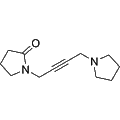
    Oxotremorine is a potent agonist of muscarinic acetylcholine receptors (mAChRs), specifically targeting the M1 and M3 subtypes. This compound demonstrates nicotine-like effects, making it valuable for research related to cholinergic signaling and neuropharmacology. Its unique pharmacological profile supports investigations into cognitive function, memory enhancement, and the role of acetylcholine in various neurological disorders.

    Out of stock

    All 3 sizes
  • (±)-Muscarine chloride
    Cat. No.
    A61474

    (±)-Muscarine chloride

    Synonyms: DL-Muscarin chloride

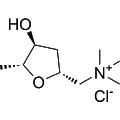
    (±)-Muscarine chloride is an agonist of muscarinic acetylcholine receptors (mAChRs). As a prototype compound, it exhibits key biological activity by mimicking the action of acetylcholine, leading to varied physiological responses. This reagent is useful for research applications exploring mAChR signaling pathways, neurobiology, and the modulation of cholinergic activity.

    Out of stock

    All 3 sizes
  • YM-796 dihydroxybutanedioate
    Cat. No.
    A61479

    YM-796 dihydroxybutanedioate

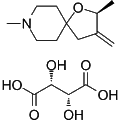
    YM-796 dihydroxybutanedioate is a selective agonist of the muscarinic M1 receptor. It has demonstrated potential in enhancing cognitive function and reducing amyloid plaque accumulation, making it relevant in the study of cognitive impairment diseases, particularly Alzheimer’s disease. This compound serves as a valuable tool for researchers investigating therapeutic strategies for cognitive deficits associated with neurodegenerative disorders.

    Out of stock

    All 3 sizes
  • M1/M2/M4 muscarinic agonist 1
    Cat. No.
    A61483

    M1/M2/M4 muscarinic agonist 1

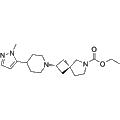
    M1/M2/M4 Muscarinic Agonist 1 is a selective agonist targeting muscarinic M4, M1, and M2 receptors, with EC50 values of 6.5 nM, 26 nM, and 210 nM, respectively. This compound facilitates receptor activation, making it valuable in studying cholinergic signaling and its implications in neurological conditions. Research applications include investigations into mental disorders such as schizophrenia and delusions, providing insights into therapeutic approaches for these conditions.

    Out of stock

    All 3 sizes
  • Methacholine bromide
    Cat. No.
    A61495

    Methacholine bromide

    Synonyms: Acetyl-β-methylcholine bromide

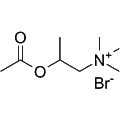
    Methacholine bromide is a potent agonist of the muscarinic-3 (M3) receptor. Its primary action induces bronchoconstriction by directly stimulating acetylcholine receptors on smooth muscle, resulting in airway narrowing. This compound is particularly sensitive for identifying bronchial hyperresponsiveness (BHR) and is utilized in clinical settings to assess airway hyperresponsiveness (AHR) in patients presenting with asthma-like symptoms, especially those with normal resting expiratory flow rates.

    25 mg
    $1,800.00
    50 mg
    $2,285.00
    All 3 sizes
  • Betovumeline
    Cat. No.
    A61496

    Betovumeline

    Betovumeline is a selective agonist for muscarinic acetylcholine receptors (mAChRs). This compound plays a key role in modulating cholinergic signaling and demonstrates potential biological activity in various neurological disorders. It is widely utilized in research applications focused on understanding the mechanisms underlying cognitive function and neurodegenerative diseases.

    Out of stock

    All 3 sizes
  • Muscarinic M1 receptor agonist-1
    Cat. No.
    A61507

    Muscarinic M1 receptor agonist-1

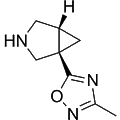
    Muscarinic M1 receptor agonist-1 is a selective agonist targeting the muscarinic M1 receptor. This compound plays a significant role in modulating neurotransmission and is of particular interest in the study of psychiatric disorders, including schizophrenia. Its ability to activate the M1 receptor may provide insights into therapeutic strategies for managing cognitive dysfunction associated with these conditions.

    Out of stock

    All 3 sizes
  • KTX-005
    Cat. No.
    A61511

    KTX-005

    KTX-005 is a selective agonist of the muscarinic acetylcholine receptor (mAChR), which modulates the signaling pathways associated with acetylcholine neurotransmission. This compound is primarily utilized in research focused on neuropsychiatric disorders, specifically schizophrenia. KTX-005's effects on mAChR activity make it a valuable tool for studying synaptic transmission and receptor dynamics in neurological contexts.

    Out of stock

    All 3 sizes
  • trans-Cevimeline hydrochloride
    Cat. No.
    A61516

    trans-Cevimeline hydrochloride

    Synonyms: AF102A hydrochloride

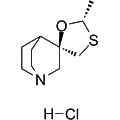
    Trans-Cevimeline hydrochloride is a selective M1 cholinergic agonist, known for its potential in modulating cholinergic neurotransmission. This compound exhibits significant biological activity relevant to neurodegenerative conditions, particularly Alzheimer's disease. Researchers can utilize trans-Cevimeline hydrochloride to investigate its effects on cognitive function and cholinergic signaling pathways.

    1 mg
    $475.00
    10 mg
    $3,870.00
    All 2 sizes
  • CDD0102 hydrochloride
    Cat. No.
    A61518

    CDD0102 hydrochloride

    CDD0102 Hydrochloride is a potent agonist of the M1 muscarinic acetylcholine receptor (mAChR). This compound exhibits significant biological activity in modulating cholinergic signaling, making it valuable for research into neurological disorders and cognitive function. Its application extends to studying M1 receptor-related pathways and developing potential treatments for conditions such as Alzheimer's disease and schizophrenia.

    1 mg
    $560.00
    5 mg
    $1,475.00
    All 2 sizes
  • NNC 11-1607
    Cat. No.
    A61525

    NNC 11-1607

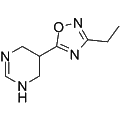
    NNC 11-1607 is a selective agonist for the M1 and M4 subtypes of muscarinic acetylcholine receptors (mAChR). It effectively inhibits Forskolin-stimulated cAMP accumulation in human M2 and M4 mAChR-expressing Chinese hamster ovary cells. This compound shows potential for investigating central nervous system disorders, including Alzheimer’s disease and schizophrenia, making it a valuable tool for related research applications.

    Out of stock

    All 3 sizes
  • ENS-163 phosphate
    Cat. No.
    A61545

    ENS-163 phosphate

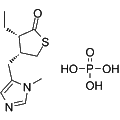
    Synonyms: ENS 213-163; Sandoz ENS 163 phosphate; Thiopilocarpine phosphate

    ENS-163 phosphate is a selective muscarinic acetylcholine receptor (mAChR) M1 agonist. It exhibits significant biological activity by modulating M1 receptor signaling pathways, which are implicated in cognitive processes. This compound is valuable for research applications related to neuropsychological disorders and the exploration of potential therapeutic targets in Alzheimer's disease and other cognitive impairments.

    25 mg
    $1,275.00
    50 mg
    $1,625.00
    All 3 sizes
  • Muscarine tosylate
    Cat. No.
    A61547

    Muscarine tosylate

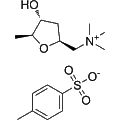
    Synonyms: (+)-Muscarine tosylate

    Muscarine tosylate is a potent agonist of the muscarinic acetylcholine receptors (mAChRs). This compound selectively stimulates the parasympathetic nervous system, leading to various physiological effects. Muscarine tosylate is widely utilized in research applications focusing on neuropharmacology and the modulation of cholinergic signaling pathways.

    Out of stock

    All 3 sizes
  • Methamilane methiodide
    Cat. No.
    A61556

    Methamilane methiodide

    Methamilane methiodide is a potent muscarinic receptor agonist that selectively activates M1 and M3 subtypes. This compound stimulates parasympathetic nervous system responses, making it useful in research applications focused on neuropharmacology and the study of cholinergic signaling pathways. Its ability to modulate muscarinic receptor activity provides insights into various physiological and pathological processes.

    25 mg
    $1,275.00
    50 mg
    $1,625.00
    All 3 sizes
  • CDD0102
    Cat. No.
    A61558

    CDD0102

    Synonyms: CDD0102A

    CDD0102 is a potent agonist of the M1 muscarinic acetylcholine receptor (mAChR). It demonstrates significant biological activity in promoting M1 receptor signaling pathways, making it valuable for research into neurobiology and cognitive function. CDD0102 is essential for studies investigating the role of muscarinic receptors in various physiological and pathological processes.

    25 mg
    $1,275.00
    50 mg
    $1,625.00
    All 3 sizes
  • Muscarine chloride
    Cat. No.
    B21332

    Muscarine chloride ((+)-Muscarine chloride)

    Synonyms: (+)-Muscarine chloride

    Muscarine chloride is a potent agonist of muscarinic acetylcholine receptors (mAChRs). As a biologically active compound, it simulates the parasympathetic nervous system, making it a valuable tool in neuropharmacological research. Muscarine chloride is utilized in studies examining neurotransmission, receptor signaling pathways, and the effects of cholinergic modulation in various biological systems.

    1 mg
    $410.00
    5 mg
    $785.00
    All 2 sizes

Items 51-75 of 77

Added to your cart

View Cart Checkout

    Loading...