Biochemical Assay Reagents

Biochemical Assay Reagents collects small molecules used to prepare, run and calibrate biochemical and cell-based assays. Vitamins and cofactors such as niacin, riboflavin and biotin sit alongside sugars, sugar alcohols and amino acids such as L-arginine. Enzyme substrates and metal-ion chelators complete the range, including the calcium chelator 1,2-bis(2-aminophenoxy)ethane-N,N,N′,N′-tetraacetic acid (BAPTA). Three subcategories group related reagents, namely Carbohydrates & Glycobiology, Acyl-CoA & Cofactors for acyl-coenzyme A (acyl-CoA) compounds, and Chelators & Bifunctional Chelators. Most of these compounds act as substrates, cofactors, standards or buffer components rather than as inhibitors of a defined target.

Items 101-125 of 465

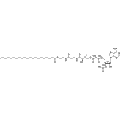
  • Heneicosanoyl-CoA
    Cat. No.
    A73229

    Heneicosanoyl-CoA

    Heneicosanoyl-CoA is a fatty acyl-CoA derivative that serves as a substrate for Very Long-Chain Acyl-CoA Dehydrogenase (VLCAD). It plays a critical role in the anaerobic electron transfer flavoprotein (ETF) assay, facilitating the investigation of fatty acid oxidation pathways. This compound is essential for studying metabolic disorders related to VLCAD and other acyl-CoA metabolism in various biological systems.

    Out of stock

    All 3 sizes
  • beta-1,3-Galactosyltransferase (CgtB)
    Cat. No.
    A73234

    beta-1,3-Galactosyltransferase (CgtB)

    Beta-1,3-Galactosyltransferase (CgtB) is a biochemical enzyme that catalyzes the transfer of galactose to specific substrates, playing a crucial role in the biosynthesis of sialylated lipooligosaccharides (LOSSIAL). This enzyme is essential for the production of GM1-like LOSSIAL structures, making it valuable for studies related to glycoprotein and glycolipid biosynthesis. Beta-1,3-Galactosyltransferase (CgtB) is commonly employed in biochemical research to investigate glycobiology and its implications in cell signaling and immunology.

    1 mg
    $115.00
    All 1 sizes
  • 4-Methylumbelliferyl α-L-fucopyranoside
    Cat. No.
    A73236

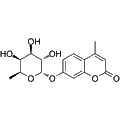
    4-Methylumbelliferyl α-L-fucopyranoside

    4-Methylumbelliferyl α-L-fucopyranoside is a substrate for the enzyme α-L-fucosidase, which plays a crucial role in glycoprotein processing. This compound is known to enhance the capacitation of porcine sperm and provides protection against premature acrosome reactions. Additionally, it exhibits distinct hydrophobicity and isoelectric focusing characteristics, making it valuable for various biochemical studies and applications in reproductive biology.

    0.5 mg
    $80.00
    1 mg
    $110.00
    All 4 sizes
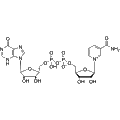
  • Deamino-NAD
    Cat. No.
    A73732

    Deamino-NAD

    Deamino-NAD is a structural analog of NAD+ that serves as a substrate for glyceraldehyde 3-phosphate dehydrogenase (GPDH) in glycolytic pathways. With a Km of 2300 pM and a Kd of 112 pM, it is utilized in biochemical studies to explore carbohydrate metabolism and enzyme kinetics. Its role as a GPDH substrate makes it valuable for research applications in metabolic regulation and enzyme activity assays.

    Out of stock

    All 3 sizes
  • L-4-Aminoarabinose-bactoprenyl phosphate
    Cat. No.
    A73739

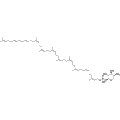
    L-4-Aminoarabinose-bactoprenyl phosphate

    Synonyms: L-4-Aminoarabinose-BP

    L-4-Aminoarabinose-bactoprenyl phosphate (L-4-Aminoarabinose-BP) is a substrate of the ArnT enzyme, involved in the modification of lipid A through covalent modifications. This reagent facilitates the transfer of L-4-aminoarabinose (Ara4N) to lipid A in lipopolysaccharides (LPS), aiding Gram-negative bacteria in acquiring resistance to cationic antimicrobial peptides (CAMPs). As an endogenous intermediate synthesized by enzymes from the arn operon, such as ArnC and ArnD, L-4-Aminoarabinose-bactoprenyl phosphate plays a crucial role in understanding bacterial resistance mechanisms.

    Out of stock

    All 3 sizes
  • UDP-xylose
    Cat. No.
    A74092

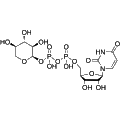
    UDP-xylose

    UDP-xylose is a fundamental sugar nucleotide that acts as a catalytic substrate for UDP-xylose synthase (UXS). As a key sugar donor, it facilitates the synthesis of glycoproteins, polysaccharides, oligosaccharides, and various metabolites in plants, vertebrates, and fungi. UDP-xylose is crucial in the biosynthesis of proteoglycans and plays a significant role in the regulation of extracellular matrix components. This reagent is valuable for research in glycobiology, particularly in studying proteoglycan biosynthesis and associated connective tissue disorders.

    5 mg
    $230.00
    All 1 sizes
  • 2'-Deoxyuridine 5'-monophosphate
    Cat. No.
    A74207

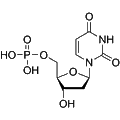
    2'-Deoxyuridine 5'-monophosphate

    Synonyms: dUMP

    2'-Deoxyuridine 5'-monophosphate (dUMP) is a deoxynucleotide that serves as a substrate for thymidylate synthase (TS), where it is reductively methylated to form dTMP (2'-deoxythymidine 5'-monophosphate). This conversion is crucial for DNA synthesis, as dTMP plays an essential role in nucleotide biosynthesis and cellular proliferation. dUMP is widely used in biochemical research to study enzyme mechanisms, DNA replication, and cell cycle regulation.

    Out of stock

    All 3 sizes
  • 8-iso Prostaglandin A1
    Cat. No.
    A74501

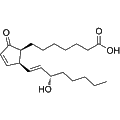
    8-iso Prostaglandin A1

    8-iso Prostaglandin A1 is an active substrate for the enzyme Arabidopsis thaliana Allene Oxide Cyclase 3 (AtOPR3), exhibiting a Km value of 22 μM. This compound is essential for investigating the biosynthesis of jasmonic acid and its derivatives in plant signaling pathways. Its role in modulating plant responses to environmental stresses makes it valuable for research in plant physiology and biochemistry.

    0.1 mg
    $65.00
    0.5 mg
    $205.00
    All 3 sizes
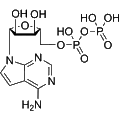
  • Tubercidin 5'-diphosphate
    Cat. No.
    A74528

    Tubercidin 5'-diphosphate

    Synonyms: 7-Deazaadenosine 5'-diphosphate

    Tubercidin 5'-diphosphate is a modified nucleotide that acts as a substrate for various kinases. It exhibits biological activity through its role in nucleotide metabolism and can be further phosphorylated to produce the active metabolite 7-deazaadenosine-5’-O-triphosphate. This compound is valuable for research applications involving nucleotide signaling pathways, enzyme kinetics, and cellular metabolism in various biological systems.

    Out of stock

    All 3 sizes
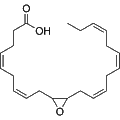
  • (±)10(11)-EpDPA
    Cat. No.
    A74622

    (±)10(11)-EpDPA

    Synonyms: (±)10,11-EDP; (±)10,11-EpDPE; (±)10,11-Epoxy docosapentaenoic acid

    (±)10(11)-EpDPA is a substrate for soluble epoxide hydrolase (sEH), exhibiting a Km value of 5.1 µM for human sEH. As a metabolite of docosahexaenoic acid, it plays a critical role in the regulation of fatty acid metabolism and inflammatory processes. This compound is primarily used in research applications aimed at understanding the biological functions of sEH and its involvement in various pathophysiological conditions.

    0.025 mg
    $70.00
    0.05 mg
    $225.00
    All 4 sizes
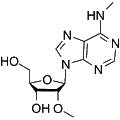
  • N6,2′-O-Dimethyladenosine
    Cat. No.
    A74820

    N6,2′-O-Dimethyladenosine

    N6,2'-O-Dimethyladenosine serves as a substrate for the fat mass and obesity-associated gene (FTO), playing a critical role in mRNA cap modification. This compound is involved in the dynamic regulation of mRNA stability, translation efficiency, and subsequent protein expression. Its unique properties make it a valuable tool for research into obesity and related metabolic disorders.

    1 mg
    $50.00
    5 mg
    $125.00
    All 6 sizes
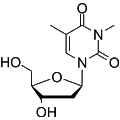
  • 3-Methylthymidine
    Cat. No.
    A74826

    3-Methylthymidine

    3-Methylthymidine is a biochemical assay reagent that serves as a substrate for fat mass and obesity-associated protein (FTO). This compound is utilized in studies investigating FTO activity, particularly in the context of obesity and metabolic disorders. Its application in research can help elucidate the mechanisms by which FTO influences cellular processes related to fat metabolism and development.

    1 mg
    $30.00
    5 mg
    $60.00
    All 3 sizes
  • ADP-specific glucokinase, pyrococcus furiosus
    Cat. No.
    A74944

    ADP-specific glucokinase, pyrococcus furiosus

    Synonyms: ADP-dependent hexokinase; pyrococcus furiosus

    ADP-Specific Glucokinase from Pyrococcus furiosus is an enzyme that specifically phosphorylates glucose into glucose-6-phosphate using ADP as a co-substrate, thereby facilitating glycolytic pathways. This enzyme demonstrates significant biological activity, including the activation of T-cells and enhancement of macrophage phagocytic functions. Applications of ADP-Specific Glucokinase encompass research in metabolic diseases, neurological disorders, and cancer studies, providing insights into glucose metabolism and immune responses.

    Out of stock

    All 3 sizes
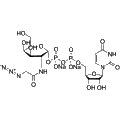
  • UDP-GalNAz disodium
    Cat. No.
    A75027

    UDP-GalNAz disodium

    Synonyms: UDP-N-azidoacetylgalactosamine disodium

    UDP-GalNAz disodium is an analogue of UDP-GalNAc disodium, serving as a donor substrate for N-acetylgalactosaminyltransferases, which facilitate the transfer of GalNAc to various saccharide or peptide acceptors. This compound features an azide group, making it a valuable reagent for click chemistry applications. UDP-GalNAz disodium can participate in copper-catalyzed azide-alkyne cycloaddition (CuAAc) reactions with alkyne-bearing molecules, as well as strain-promoted alkyne-azide cycloaddition (SPAAC) reactions involving DBCO or BCN groups. It is useful in the study of glycosylation pathways and the synthesis of complex glycoproteins.

    5 mg
    $345.00
    10 mg
    $555.00
    All 2 sizes
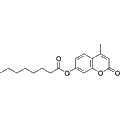
  • 4-Methylumbelliferyl octanoate
    Cat. No.
    A75878

    4-Methylumbelliferyl octanoate

    4-Methylumbelliferyl octanoate is a synthetic substrate designed for the enzymatic activity of hog pancreatic lipase. Upon hydrolysis, it releases 4-methylumbelliferone, which can be easily monitored due to its fluorescence properties. This compound is valuable in biochemical assays to study lipase activity and lipid metabolism. Additionally, it can be utilized in various research applications involving digestive enzyme kinetics and substrate specificity.

    1 g
    $40.00
    All 1 sizes
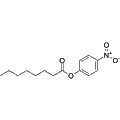
  • 4-Nitrophenyl octanoate
    Cat. No.
    A75883

    4-Nitrophenyl octanoate

    Synonyms: p-Nitrophenyl caprylate

    4-Nitrophenyl octanoate is an aromatic ester used as a substrate for pancreatic lipase. Upon hydrolysis by lipase, it releases p-nitrophenol, resulting in a measurable yellow product. This compound is valuable for assaying the activities of lipases and esterases in various biological and biochemical research applications.

    50 mg
    $20.00
    200 mg
    $25.00
    All 8 sizes
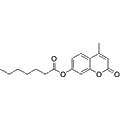
  • 4-Methylumbelliferyl heptanoate
    Cat. No.
    A75886

    4-Methylumbelliferyl heptanoate

    4-Methylumbelliferyl heptanoate is a highly effective fluorometric substrate for lipases. This compound demonstrates significant sensitivity in detecting lipase activity, making it ideal for enzymatic assays. It is commonly utilized in biochemical research to study lipid metabolism and enzyme kinetics.

    25 mg
    $30.00
    50 mg
    $35.00
    All 6 sizes
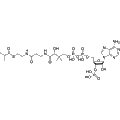
  • Isobutyryl-CoA
    Cat. No.
    A76724

    Isobutyryl-CoA

    Synonyms: Isobutyryl-coenzyme A

    Isobutyryl-CoA is a substrate for isobutyryl-CoA dehydrogenase, playing a critical role in fatty acid metabolism. It is involved in the biochemical pathway of isobutyric acid degradation and is crucial for energy production in certain bacterial species. This compound is valuable for research in metabolic pathways, enzymatic activity, and biochemical assays related to cellular energy metabolism.

    Out of stock

    All 3 sizes
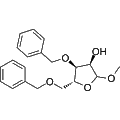
  • Methyl 3,5-di-O-benzyl-D-ribofuranoside
    Cat. No.
    A76731

    Methyl 3,5-di-O-benzyl-D-ribofuranoside

    Methyl 3,5-di-O-benzyl-D-ribofuranoside is a sugar derivative that serves as a substrate in various biochemical applications. This compound enhances mitochondrial oxygen consumption, making it valuable for studies related to mitochondrial function and energy metabolism. It can be used in research focused on cellular respiration and the role of carbohydrates in bioenergetics.

    Out of stock

    All 3 sizes
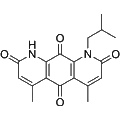
  • Isobutyl-deoxynyboquinone
    Cat. No.
    A77435

    Isobutyl-deoxynyboquinone

    Synonyms: IB-DNQ

    Isobutyl-deoxynyboquinone is a selective substrate for NAD(P)H:quinone oxidoreductase (NQO1). This compound demonstrates significant biological activity by facilitating electron transfer processes pertinent to cancer cell metabolism. Research applications include investigating the roles of NQO1 in cancer biology and exploring potential therapeutic strategies targeting this enzyme.

    5 mg
    $475.00
    10 mg
    $825.00
    All 3 sizes
  • CMP-sialic acid synthetase (NmCSS)
    Cat. No.
    A77844

    CMP-sialic acid synthetase (NmCSS)

    CMP-sialic acid synthetase (NmCSS) is a critical enzyme that catalyzes the conversion of free sialic acid into CMP-sialic acid, the sole substrate for sialyltransferases. This enzymatic activity is vital for the biosynthesis of glycoconjugates and other carbohydrate structures that incorporate sialic acids. NmCSS is an important target for research in glycobiology and offers applications in the study of cell signaling, infection mechanisms, and the development of therapeutic strategies.

    50 mg
    $110.00
    200 mg
    $220.00
    All 2 sizes
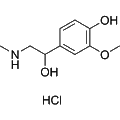
  • (Rac)-Metanephrine hydrochloride
    Cat. No.
    A77882

    (Rac)-Metanephrine hydrochloride

    (Rac)-Metanephrine hydrochloride acts as a substrate for the sulfotransferase SULT1A3, playing a critical role in the sulfonation process at the p-hydroxyl group. As a metabolite of epinephrine, it is important for studies related to pheochromocytoma due to its involvement in catecholamine metabolism. This compound is useful in understanding the enzymatic pathways and biological mechanisms influenced by SULT1A3 in various research applications.

    5 mg
    $65.00
    10 mg
    $110.00
    All 2 sizes
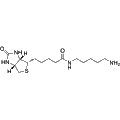
  • 5-(Biotinamido)pentylamine
    Cat. No.
    A77980

    5-(Biotinamido)pentylamine

    5-(Biotinamido)pentylamine is a substrate for transglutaminase that acts as an amine donor in calcium-dependent reactions. This reagent is utilized for the biotinylation of target proteins through conjugation with the γ-carboxamide group of glutamine residues, facilitating the introduction of a biotin tag. It is particularly useful for labeling, separating, and detecting transglutaminase protein substrates in various research applications, enhancing the study of protein interactions and modifications.

    5 mg
    $35.00
    10 mg
    $55.00
    All 5 sizes
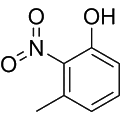
  • 3-Methyl-2-nitrophenol
    Cat. No.
    A78122

    3-Methyl-2-nitrophenol

    3-Methyl-2-nitrophenol is a specific acceptor substrate for UDP-glucuronyltransferase (EC 2.4.1.17), facilitating the enzymatic process of glucuronidation to generate a glucuronide conjugate. This compound is characterized by its enhanced lipid solubility, which increases the conversion rate during glucuronidation. Additionally, 3-Methyl-2-nitrophenol displays reduced absorbance at 340 nm, making it a suitable substrate for the NADH-NAD+-linked UDP-glucuronyltransferase assay with minimal interference. This reagent is valuable in studies related to drug metabolism and pharmacokinetics.

    10 mg
    $20.00
    25 mg
    $25.00
    All 8 sizes
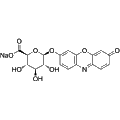
  • Resorufin β-D-glucuronide sodium
    Cat. No.
    A78194

    Resorufin β-D-glucuronide sodium

    Resorufin β-D-glucuronide sodium serves as a substrate for the enzyme β-glucuronidase, facilitating the assessment of enzyme activity in various biochemical assays. This compound is particularly valuable for studies involving drug metabolism, pharmacokinetics, and the investigation of glucuronidation processes. Its utility in fluorescence-based assays allows for sensitive detection and quantification of β-glucuronidase activity in biological samples.

    Out of stock

    All 3 sizes
Items 101-125 of 465

Added to your cart

View Cart Checkout

    Loading...