Biochemical Assay Reagents

Biochemical Assay Reagents collects small molecules used to prepare, run and calibrate biochemical and cell-based assays. Vitamins and cofactors such as niacin, riboflavin and biotin sit alongside sugars, sugar alcohols and amino acids such as L-arginine. Enzyme substrates and metal-ion chelators complete the range, including the calcium chelator 1,2-bis(2-aminophenoxy)ethane-N,N,N′,N′-tetraacetic acid (BAPTA). Three subcategories group related reagents, namely Carbohydrates & Glycobiology, Acyl-CoA & Cofactors for acyl-coenzyme A (acyl-CoA) compounds, and Chelators & Bifunctional Chelators. Most of these compounds act as substrates, cofactors, standards or buffer components rather than as inhibitors of a defined target.

Items 76-100 of 465

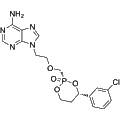
  • Pradefovir
    Cat. No.
    A69867

    Pradefovir

    Pradefovir is a substrate for cytochrome P450, specifically CYP3A4, in liver microsomes. It is metabolized into 9-(2-phosphonylmethoxyethyl)adenine (PMEA) with a Km value of 60 μM. This compound is relevant for studies involving liver pharmacokinetics and the metabolic pathways of nucleoside analogs, offering insights into drug metabolism and efficacy.

    1 mg
    $190.00
    2 mg
    $290.00
    All 6 sizes
  • 5-Methylchrysene
    Cat. No.
    A69992

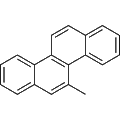
    5-Methylchrysene

    5-Methylchrysene is a polycyclic aromatic hydrocarbon (PAH) that acts as a substrate for various isoenzymes of cytochrome P450, leading to the formation of mutagenic metabolites. This compound is of significant interest in toxicological research, particularly in studies related to environmental carcinogens and the mechanisms of mutagenesis. It is utilized in investigations of metabolic activation pathways and their implications in cancer biology.

    5 mg
    $260.00
    10 mg
    $430.00
    All 2 sizes
  • S-D-Lactoylglutathione
    Cat. No.
    A70064

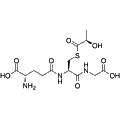
    S-D-Lactoylglutathione

    Synonyms: S-Lactylglutathione; (R)-S-Lactoylglutathione

    S-D-Lactoylglutathione serves as a critical substrate in the glyoxalase system, facilitating the detoxification of methylglyoxal (MGO) to non-toxic D-lactic acid. This intermediate metabolite enhances the enzymatic action of glyoxalase I and II, thereby protecting cells from the detrimental effects associated with MGO accumulation. Its role is essential in various research applications focused on cellular stress responses, metabolic disorders, and aging-related studies.

    5 mg
    $1,310.00
    10 mg
    $2,100.00
    All 2 sizes
  • 5-Methyluridine
    Cat. No.
    A70602

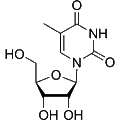
    5-Methyluridine

    5-Methyluridine (m5U) is an RNA modified nucleotide that acts as a substrate for RNA methyltransferases, including TrmA and RumA, which specifically modify uracil residues in RNA. This nucleoside plays a critical role in enhancing translation accuracy and ribosome function through stabilization of RNA structures, particularly in the T arm of tRNA and specific regions of rRNA. Applications in research include studies on RNA processing, modification impact on ribosomal activities, and exploration of RNA secondary and tertiary structure influences.

    500 mg
    $25.00
    1 g
    $30.00
    All 5 sizes
  • Estrone sulfate sodium
    Cat. No.
    A71133

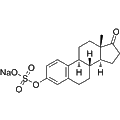
    Estrone sulfate sodium

    Estrone sulfate sodium is an inactive endogenous estrogen and a substrate of the OATP1B3 transporter. It can be metabolized into bioactive forms, Estrone and Estradiol, particularly in normal mammary parenchymal cells. This compound has been shown to stimulate the growth of nitrosomethylurea-induced mammary tumors in ovariectomized rats and enhances colony formation of dispersed nitrosomethylurea mammary cells both in vivo and in vitro. Estrone sulfate sodium serves as a valuable tool for research in breast cancer biology.

    2 mg
    $25.00
    5 mg
    $45.00
    All 5 sizes
  • UDP-GalNAc disodium
    Cat. No.
    A71177

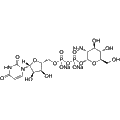
    UDP-GalNAc disodium

    Synonyms: UDP-N-acetyl-D-galactosamine disodium

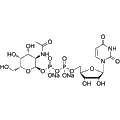
    UDP-GalNAc disodium is a sugar nucleotide that serves as a substrate for EpsC115, a mutant form of the enzyme with the first 115 N-terminal residues deleted. This compound acts as a donor substrate for N-acetylgalactosaminyltransferases, facilitating the transfer of GalNAc to various sugar or peptide acceptors. UDP-GalNAc disodium is instrumental in glycosylation reactions and has applications in cancer research, particularly in the study of colorectal and breast cancers.

    1 mg
    $65.00
    5 mg
    $130.00
    All 6 sizes
  • Dodecanedioic acid
    Cat. No.
    A71313

    Dodecanedioic acid

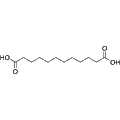
    Dodecanedioic acid is a straight-chain dicarboxylic acid that serves as an alternative energy substrate, facilitating energy metabolism between lipids and carbohydrates. Its rapid oxidation during physical activity can alleviate muscle fatigue without triggering insulin secretion. Additionally, dodecanedioic acid demonstrates hypoglycemic effects, making it relevant for studies on non-insulin-dependent diabetes mellitus.

    5 g
    $20.00
    10 g
    $25.00
    All 5 sizes
  • Estrone sulfate potassium
    Cat. No.
    A71323

    Estrone sulfate potassium

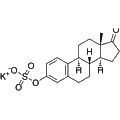
    Estrone sulfate potassium is an inactive form of endogenous estrogen, serving as a substrate for the OATP1B3 transporter. It can be enzymatically converted to Estrone and Estradiol, facilitating their biological activities. This compound effectively stimulates the growth of nitrosomethylurea-induced mammary tumors in ovariectomized rats and promotes the colony formation of dispersed nitrosomethylurea mammary cells, with conversion occurring both in vivo and in vitro. Estrone sulfate potassium is a valuable reagent for research in breast cancer biology.

    1 mg
    $20.00
    2 mg
    $25.00
    All 7 sizes
  • Acetyl-L-lysine
    Cat. No.
    A71448

    Acetyl-L-lysine

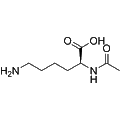
    Acetyl-L-lysine is an acetylated derivative of the amino acid L-lysine, functioning primarily as a substrate for acetylation reactions. It plays a critical role in post-translational modifications, influencing protein stability, activity, and interactions. This compound is utilized in research to investigate the dynamics of protein regulation and the mechanisms underlying acylation in cellular processes.

    100 mg
    $25.00
    500 mg
    $30.00
    All 4 sizes
  • L-Cysteic acid
    Cat. No.
    A71522

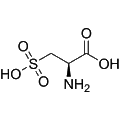
    L-Cysteic acid

    L-Cysteic acid is an oxidation product of L-cystine and serves as a substrate for glutamate decarboxylase and cysteine sulfinic acid decarboxylase II (GADCase/CADCaseII). It exhibits a high affinity for cysteine sulfinic acid decarboxylase I, with a Km value of 0.22 mM. Additionally, L-Cysteic acid is actively taken up by synaptosomes via a Na+-dependent transport system, making it valuable for research into neurotransmission and amino acid metabolism.

    10 mg
    $20.00
    25 mg
    $25.00
    All 7 sizes
  • Acetate kinase (ACK)
    Cat. No.
    A71579

    Acetate kinase (ACK)

    Acetate kinase (ACK) is an enzyme that catalyzes the conversion of acetate to acetyl phosphate using ATP as a substrate, in the presence of divalent cations. This reaction plays a crucial role in acetate metabolism and the formation of acetyl-CoA, an important metabolic intermediate. ACK is frequently utilized in biochemical research to study acetate utilization pathways and to investigate energy metabolism in various microbial systems.

    50 mg
    $55.00
    200 mg
    $135.00
    All 2 sizes
  • 2-Deoxyribose 5-phosphate disodium
    Cat. No.
    A71634

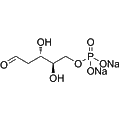
    2-Deoxyribose 5-phosphate disodium

    2-Deoxyribose 5-phosphate disodium serves as a substrate for 2-deoxyribose-5-phosphate aldolase (DERA), an enzyme classified as a class I aldolase. DERA catalyzes the reversible aldol condensation reaction in a cofactor-independent manner. This reagent is essential for studies focused on nucleic acid metabolism and the enzymatic mechanisms of aldolases, contributing to research in biochemistry and molecular biology.

    5 mg
    $70.00
    10 mg
    $120.00
    All 2 sizes
  • UDP-glucosamine disodium
    Cat. No.
    A71678

    UDP-glucosamine disodium

    UDP-glucosamine disodium serves as a substrate for O-GlcNAc transferase, facilitating the conjugation of O-GlcNAc to target proteins. This modification plays a crucial role in various cellular processes, including signal transduction and transcriptional regulation. Additionally, UDP-glucosamine is produced via the hexosamine biosynthesis pathway, which is primarily controlled by glucose-6-phosphate and the enzyme GFAT. Its applications in research include studying O-GlcNAcylation dynamics and investigating the implications of glycosylation in cellular functions and disease mechanisms.

    1 mg
    $200.00
    5 mg
    $515.00
    All 3 sizes
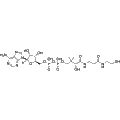
  • Dephospho-CoA
    Cat. No.
    A71971

    Dephospho-CoA

    Dephospho-CoA is a critical substrate for GTP-dependent Dephospho-CoA kinase (DPCK), catalyzing the final step in the biosynthesis of coenzyme A (CoA). This compound plays a vital role in energy metabolism and cellular signal transduction processes. Research applications include investigations into cancer, specifically regarding the regulation of cell proliferation, as well as studies on metabolic disorders such as mitochondrial dysfunction.

    1 mg
    $110.00
    5 mg
    $360.00
    All 3 sizes
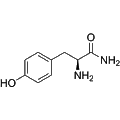
  • L-Tyrosinamide
    Cat. No.
    A72129

    L-Tyrosinamide

    L-Tyrosinamide is an amino acid amide derived from tyrosine, functioning primarily as a substrate for various enzymatic reactions. It exhibits key biological activities such as modulation of neurotransmitter synthesis and potential roles in metabolic pathways. This compound is utilized in biochemical research to study tyrosine metabolism and neurotransmitter function, providing insights into neurobiological processes and dysregulations.

    500 mg
    $20.00
    1 g
    $35.00
    All 5 sizes
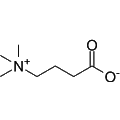
  • Actinine
    Cat. No.
    A72174

    Actinine

    Synonyms: γ-Butyrobetaine; Deoxycarnitine

    Actinine is a pro-atherogenic intermediate that functions as a substrate for the yeaW/X microbial enzyme complex, facilitating the production of trimethylamine (TMA). This compound plays a significant role in the development of atherosclerosis in a gut microbe-dependent manner. Actinine is suitable for research applications focused on understanding the metabolic pathways and mechanisms contributing to atherosclerosis.

    25 mg
    $25.00
    50 mg
    $35.00
    All 3 sizes
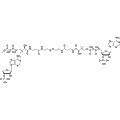
  • CoA-S-S-CoA
    Cat. No.
    A72264

    CoA-S-S-CoA

    CoA-S-S-CoA is an endogenous metabolite primarily involved in cellular metabolism, acting as a substrate for the NOXA2 enzyme. This compound plays a critical role in redox regulation and cellular signaling pathways. Its utility in research encompasses studies related to oxidative stress and metabolic functions in various biological contexts.

    1 mg
    $190.00
    5 mg
    $490.00
    All 3 sizes
  • Succinyl-CoA synthetase
    Cat. No.
    A72334

    Succinyl-CoA synthetase

    Succinyl-CoA synthetase is an enzyme that catalyzes the substrate-level phosphorylation step in the tricarboxylic acid cycle. This enzyme plays a crucial role in mitochondrial metabolism by facilitating the conversion of succinyl-CoA to succinate while generating ATP or GTP. Its activity is essential for energy production and metabolic regulation in various biological processes, making it a valuable target for research in bioenergetics and mitochondrial function.

    550 mg
    $860.00
    All 1 sizes
  • Uridine diphosphate glucuronic acid ammonium
    Cat. No.
    A72347

    Uridine diphosphate glucuronic acid ammonium

    Synonyms: UDP-α-D-glucuronic acid ammonium

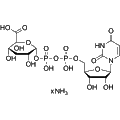
    Uridine diphosphate glucuronic acid ammonium (UDP-GlcA) is a cofactor involved in various biochemical pathways, primarily serving as a substrate for C4-epimerases and decarboxylases. It plays a critical role in sugar nucleotide biosynthesis, facilitating the production of UDP-galacturonic acid and UDP-pentose derivatives. As a glucuronic acid donor, UDP-GlcA is valuable in research focused on the conjugation of bilirubin within the endoplasmic reticulum, providing insights into metabolic processes and drug metabolism.

    1 mg
    $45.00
    5 mg
    $105.00
    All 6 sizes
  • (E)-Cinnamoyl-coA
    Cat. No.
    A72374

    (E)-Cinnamoyl-coA

    Synonyms: (E)-Cinnamoyl-coenzyme A

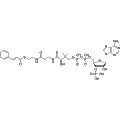
    (E)-Cinnamoyl-CoA serves as a substrate for 2-hydroxyglutaryl-CoA dehydratase, playing a critical role in various biochemical pathways. This compound is important for studies involving fatty acid metabolism and the regulation of lipid biosynthesis. Its application in research can enhance the understanding of cellular processes that involve CoA derivatives and their enzymatic interactions.

    1 mg
    $170.00
    5 mg
    $405.00
    All 2 sizes
  • 26:0 Coenzyme A
    Cat. No.
    A72416

    26:0 Coenzyme A

    Synonyms: Hexacosanoyl coenzyme A triammonium

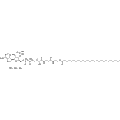
    26:0 Coenzyme A is a derivative of coenzyme A that serves as a substrate for 1-acylglycerol-3-phosphate-O-acyltransferase isoform 11 (AGPAT11). This compound plays a critical role in lipid metabolism and fatty acid biosynthesis. It is useful in research applications focused on metabolic pathways involving glycerolipids and enzyme characterization.

    1 mg
    $310.00
    5 mg
    $945.00
    All 2 sizes
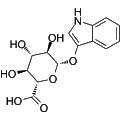
  • 3-Indolyl-β-D-glucuronide
    Cat. No.
    A72608

    3-Indolyl-β-D-glucuronide

    3-Indolyl-β-D-glucuronide serves as a chromogenic substrate for β-D-glucuronidase, facilitating the detection and enumeration of E. coli through the formation of a blue precipitate upon enzymatic cleavage. Additionally, it holds potential as a novel indicator for renal failure in patient plasma, providing valuable insights for clinical research and diagnostics. This compound is pivotal for studies in microbiology and renal function assessment.

    25 mg
    $165.00
    All 1 sizes
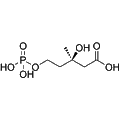
  • Mevalonate 5-phosphate
    Cat. No.
    A72686

    Mevalonate 5-phosphate

    Mevalonate 5-phosphate is a key substrate for the enzymes phosphomevalonate kinase and mevalonate-5-phosphate decarboxylase. This compound plays a crucial role in the mevalonate pathway, which is essential for cholesterol synthesis and is involved in the biosynthesis of other isoprenoids. It is primarily used in biochemical research to study metabolic processes and enzyme kinetics associated with the mevalonate pathway.

    1 mg
    $120.00
    5 mg
    $375.00
    All 3 sizes
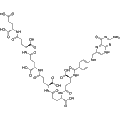
  • Pteroylhexaglutamate
    Cat. No.
    A72723

    Pteroylhexaglutamate

    Synonyms: PteGlu6

    Pteroylhexaglutamate serves as a substrate for pteroylpolyglutamate hydrolase, enabling the investigation of this enzyme's activity. It demonstrates the ability to inhibit T2-phage-induced synthetase by 50% at a concentration of 0.6 μM in the absence of Mg2+. This compound is valuable for assessing enzyme kinetics and exploring biochemical pathways involving folate metabolism.

    Out of stock

    All 3 sizes
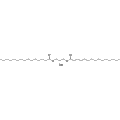
  • 1,3-Dipentadecanoin(C15:0)
    Cat. No.
    A72990

    1,3-Dipentadecanoin(C15:0)

    1,3-Dipentadecanoin (C15:0) is a long-chain triglyceride that serves as a substrate for lipid metabolism studies, facilitating research on triglyceride hydrolysis. This compound is utilized as a model to investigate the enzymatic activity of lipases and elucidate the metabolic pathways of triglycerides. Its application is crucial for understanding lipid dynamics in biochemical assays, providing insights into metabolic mechanisms relevant to chemical research.

    10 mg
    $60.00
    250 mg
    $960.00
    All 2 sizes

Items 76-100 of 465

Added to your cart

View Cart Checkout

    Loading...