Biochemical Assay Reagents

Biochemical Assay Reagents collects small molecules used to prepare, run and calibrate biochemical and cell-based assays. Vitamins and cofactors such as niacin, riboflavin and biotin sit alongside sugars, sugar alcohols and amino acids such as L-arginine. Enzyme substrates and metal-ion chelators complete the range, including the calcium chelator 1,2-bis(2-aminophenoxy)ethane-N,N,N′,N′-tetraacetic acid (BAPTA). Three subcategories group related reagents, namely Carbohydrates & Glycobiology, Acyl-CoA & Cofactors for acyl-coenzyme A (acyl-CoA) compounds, and Chelators & Bifunctional Chelators. Most of these compounds act as substrates, cofactors, standards or buffer components rather than as inhibitors of a defined target.

Items 51-75 of 465

  • 8pyDTZ
    Cat. No.
    A44483

    8pyDTZ

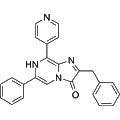
    8pyDTZ is a pyridyl diphenylterazine (DTZ) analog that functions as an ATP-independent substrate for LumiLuc luciferase. This compound exhibits spectrally shifted luminescent emission, providing enhanced sensitivity for imaging applications. With its excellent biocompatibility, 8pyDTZ is particularly suitable for in vivo luminescence imaging studies, making it a valuable tool for biological research.

    5 mg
    $370.00
    10 mg
    $570.00
    All 5 sizes
  • ETZ
    Cat. No.
    A44507

    ETZ

    Synonyms: C3-CA-DTZ

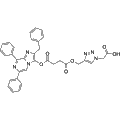
    ETZ (C3-CA-DTZ) is a novel luciferase substrate that acts as a prosubstrate activated in vivo by nonspecific esterases. This activation enhances the delivery of luciferin to the brain, facilitating advanced bioluminescent imaging studies. ETZ is particularly useful for applications in neurological research and monitoring cellular processes in live tissues.

    1 mg
    $120.00
    5 mg
    $615.00
    All 6 sizes
  • Fluoroacetyl-CoA
    Cat. No.
    A44534

    Fluoroacetyl-CoA

    Synonyms: Fluoroacetyl-coenzyme A

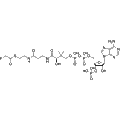
    Fluoroacetyl-CoA is a coenzyme A derivative that serves as an important substrate in metabolic and biochemical studies. It acts primarily as an acetyl donor in various enzymatic reactions, facilitating the introduction of fluorinated functional groups into biological molecules. This compound is valuable for research applications in metabolic engineering, drug design, and the study of metabolic pathways involving acetyl-CoA. Its unique fluorinated structure allows for the tracing and monitoring of metabolic processes in live cells.

    Out of stock

    All 3 sizes
  • MOCAc-PLGL(Dpa)AR
    Cat. No.
    A44792

    MOCAc-PLGL(Dpa)AR

    Synonyms: Mca-Pro-Leu-Gly-Leu-Dpa-Ala-Arg-NH2

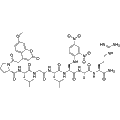
    MOCAc-PLGL(Dpa)AR is a synthetic fluorescent substrate designed for the specific detection of matrix metalloproteinase-7 (MMP-7) enzymatic activity. This substrate is cleaved at the Gly-Leu bond, enabling real-time monitoring of MMP-7 activity through fluorometric or HPLC analysis, with excitation at 328 nm and emission at 393 nm. Research applications include evaluating the catalytic efficiency and pH dependence of recombinant human MMP-7 in vitro, providing insights into the mechanisms of tumor metastasis and invasion in various cancer types, including prostate, colon, lung, and breast cancers.

    1 mg
    $120.00
    5 mg
    $245.00
    All 3 sizes
  • Queuine
    Cat. No.
    A47882

    Queuine

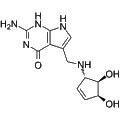
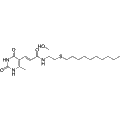
    Queuine is a selective substrate for tRNA guanine transglycosylase (TGT), facilitating the incorporation into eukaryotic tRNA. This modification influences mitochondrial function and the Warburg metabolic phenotype. A deficiency in Queuine can enhance aerobic glycolysis while inhibiting oxidative phosphorylation, which contributes to increased ammonia and lactate production, as well as elevated lactate dehydrogenase activity. Queuine is relevant in research applications related to autoimmune diseases, such as experimental models of multiple sclerosis, and cancer metabolic regulation, with its deficiency linked to reduced tRNA modification in tumor cells.

    1 mg
    $225.00
    5 mg
    $670.00
    All 5 sizes
  • Hexadecane
    Cat. No.
    A47935

    Hexadecane

    Synonyms: n-Hexadecane; Cetane

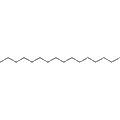
    Hexadecane is a long-chain alkane that serves as an organic solvent and a hydrophobic substrate. It is predominantly found in petroleum and is extensively utilized as a model compound to investigate the bacterial degradation of hydrophobic substances. Its properties make it valuable for studying the mechanisms of microbial metabolism and environmental bioremediation processes.

    Out of stock

    All 3 sizes
  • Dihydroanthracene
    Cat. No.
    A50001

    Dihydroanthracene

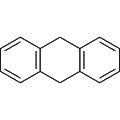
    Dihydroanthracene serves as a substrate for toluene dioxygenase (TDO), an enzyme produced by Pseudomonas putida UV4. This enzyme catalyzes the benzylic monooxygenation of Dihydroanthracene to yield 9-hydroxy-9,10-Dihydroanthracene as the sole product. The compound is utilized in studies focusing on biotransformation processes and enzyme-substrate interactions, providing insights into microbial degradation pathways.

    200 mg
    $20.00
    1 g
    $25.00
    All 7 sizes
  • PreQ1-biotin
    Cat. No.
    A50439

    PreQ1-biotin

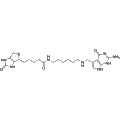
    PreQ1-biotin is a biotin-conjugated preQ1 substrate designed for RNA-TAG (transglycosylation at guanosine) and DNA-TAG applications. This reagent enables the affinity tagging and pull-down of specific RNAs that have been selectively modified by Escherichia coli tRNA guanine transglycosylase (TGT). PreQ1-biotin facilitates studies on RNA modifications and their functional implications in various biological contexts.

    Out of stock

    All 3 sizes
  • AMPte-Glu-γ-Glu
    Cat. No.
    A54058

    AMPte-Glu-γ-Glu

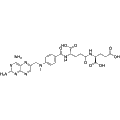
    AMPte-Glu-γ-Glu is a substrate for folylpoly-γ-glutamate synthetase (FPGS), which plays a critical role in folate metabolism by catalyzing the polyglutamation of folate derivatives. This compound demonstrates notable cytotoxic effects against Chinese hamster ovary cells, with IC50 values of 20 nM, 350 nM, and 3 nM for the Pro3, R2, and 43-10 cell lines, respectively. AMPte-Glu-γ-Glu is useful in research focusing on drug metabolism and cellular response to folate pathway inhibitors.

    1 mg
    $780.00
    5 mg
    $1,605.00
    All 4 sizes
  • 6-Phosphoglucono-δ-lactone
    Cat. No.
    A56852

    6-Phosphoglucono-δ-lactone

    Synonyms: 6-PGδL; 6-Phosphonoglucono-D-lactone

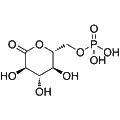
    6-Phosphoglucono-δ-lactone acts as a reversal substrate for glucose-6-phosphate dehydrogenase (G6PD). This compound serves as an intermediate in the oxidative branch of the pentose phosphate pathway (PPP), generated from D-glucose-6-phosphate by G6PDH and subsequently converted to 6-phosphoglutonate by lactonase. 6-Phosphoglucono-δ-lactone is valuable in research focused on heart failure, type 2 diabetes, and various cancer studies.

    1 mg
    $575.00
    All 1 sizes
  • Nitrosoglutathione
    Cat. No.
    A58894

    Nitrosoglutathione

    Synonyms: GSNO; RVC-588; S-Nitroso-L-glutathione

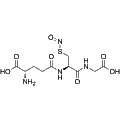
    Nitrosoglutathione (GSNO) serves as an exogenous nitric oxide (NO) donor and a substrate for alcohol dehydrogenase class III isoenzyme in rat models. This compound is known to inhibit cerebrovascular responses mediated by both angiotensin II-dependent and independent AT1 receptors. GSNO is widely used in research to investigate the role of nitric oxide signaling in various biological processes and disease mechanisms.

    5 mg
    $40.00
    10 mg
    $55.00
    All 6 sizes
  • Poly(deoxyadenylic-thymidylic) acid sodium
    Cat. No.
    A64055

    Poly(deoxyadenylic-thymidylic) acid sodium

    Synonyms: Poly(dA:dT) sodium

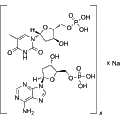
    Poly(deoxyadenylic-thymidylic) acid sodium is a synthetic DNA polymer that serves as a substrate for ribonucleic acid polymerase, enabling the assessment of both bound and free enzyme activity. This polymer is recognized by various pattern recognition receptors (PRRs), including cGAS, AIM2, and DDX41, activating the production of type I interferons. Its applications extend to cancer research and studies on viral infections, making it a valuable tool in understanding immune responses and transcriptional processes.

    50 mg
    $2,665.00
    All 1 sizes
  • MeAIB
    Cat. No.
    A65871

    MeAIB

    Synonyms: α-(Methylamino)isobutyric acid

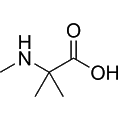
    MeAIB (α-(Methylamino)isobutyric acid) functions as a specific substrate for the amino acid transport system A (ATA1). It facilitates the sodium-dependent uptake of short-chain neutral amino acids, making it a valuable tool for studying amino acid transport mechanisms. MeAIB is commonly utilized in research applications involving amino acid metabolism and transport biology.

    100 mg
    $25.00
    250 mg
    $40.00
    All 2 sizes
  • cis-3-Hydroxyproline
    Cat. No.
    A65912

    cis-3-Hydroxyproline

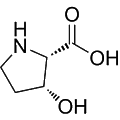
    Cis-3-Hydroxyproline is a substrate for the Alanine-Serine-Cysteine transporter 2 (ASCT2, SLC1A5) that induces inwardly-directed anion currents. It interacts with key binding site residues, including Asn471, facilitating its transport function. This compound is valuable for studies on cellular metabolism and has applications in melanoma research, contributing to the understanding of tumor biology and potential therapeutic strategies.

    100 mg
    $40.00
    All 1 sizes
  • NSC265473
    Cat. No.
    A65971

    NSC265473

    Synonyms: NSC305458

    NSC265473 is an identified substrate of the ATP-binding cassette transporter G2 (ABCG2). This compound is utilized in research to study ABCG2's role in drug transport and multidrug resistance. Its ability to be transported by ABCG2 makes it valuable for evaluating the impacts of this transporter on pharmacokinetics and drug disposition.

    Out of stock

    All 3 sizes
  • 2-Amino-2-deoxyglucose hydrochloride
    Cat. No.
    A66986

    2-Amino-2-deoxyglucose hydrochloride

    Synonyms: D-Glucosamine Hydrochloride

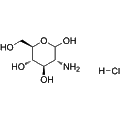
    2-Amino-2-deoxyglucose hydrochloride is a glucose analog that serves as a substrate for the GLUT1 transporter. It exhibits significant potential as a tumor-targeting ligand and a component in the fabrication of prodrug conjugates, facilitating targeted drug delivery to cancer cells. This reagent is valuable in diagnostic imaging and evaluating therapeutic outcomes in solid tumors, including breast cancer and glioblastoma. Additionally, it contributes to investigations into bacterial resistance mechanisms, particularly by incorporating into the peptidoglycan of Streptococcus pneumoniae, aiding in the evasion of lysozyme digestion. This compound is essential for research in tumor metabolism and antibiotic resistance studies.

    50 mg
    $25.00
    100 mg
    $40.00
    All 2 sizes
  • L-Cysteine S-sulfate sodium
    Cat. No.
    A67252

    L-Cysteine S-sulfate sodium

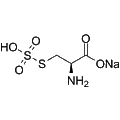
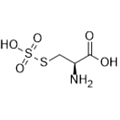
    L-Cysteine S-sulfate sodium is an S-sulfated derivative of L-cysteine, serving as a substrate for cystine lyase. It exhibits significant biological activity relevant to sulfur amino acid metabolism and protein synthesis. This compound is widely utilized in mass spectrometry and chromatography analyses for studying cysteine-related pathways and enzymatic functions.

    1 mg
    $50.00
    5 mg
    $130.00
    All 7 sizes
  • L-Cysteine S-sulfate
    Cat. No.
    A67281

    L-Cysteine S-sulfate

    L-Cysteine S-sulfate is an S-sulfated derivative of L-cysteine that serves as a substrate for cystine lyase. This compound is valuable in biochemical research, particularly in mass spectrometry and chromatography analyses, aiding in the study of sulfur amino acid metabolism and related pathways. Its use allows for a deeper understanding of cysteine and its derivatives in various biological contexts.

    5 mg
    $20.00
    10 mg
    $25.00
    All 5 sizes
  • Phenanthridine
    Cat. No.
    A69374

    Phenanthridine

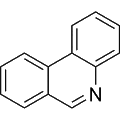
    Phenanthridine functions as a substrate for aldehyde oxidase 1 (AOX1), undergoing oxidation to produce phenanthridone in the presence of electron acceptors such as molecular oxygen, ferricyanide, or dichlorophenolindophenol. This compound is utilized in biochemical research to study AOX1 enzymatic activity and investigate its role in metabolic pathways. Its application extends to exploring oxidative stress and drug metabolism in biological systems.

    100 mg
    $25.00
    All 1 sizes
  • L-Leucine 4-methoxy-β-naphthylamide hydrochloride
    Cat. No.
    A69434

    L-Leucine 4-methoxy-β-naphthylamide hydrochloride

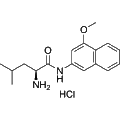
    L-Leucine 4-methoxy-β-naphthylamide hydrochloride serves as a substrate for aminopeptidase M and leucine aminopeptidase. This compound is utilized in biochemical research to investigate aminopeptidase activity and characterize enzyme specificity. Its application is essential for studies focusing on protein metabolism and the enzymatic breakdown of peptides.

    Out of stock

    All 3 sizes
  • Hippuryl-L-phenylalanine
    Cat. No.
    A69594

    Hippuryl-L-phenylalanine

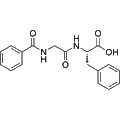
    Hippuryl-L-phenylalanine serves as a substrate for carboxypeptidase, an enzyme involved in various biological processes, including obesity, epilepsy, and neurodegeneration. This compound is particularly useful for assessing carboxypeptidase activity in experimental settings, providing insights into enzyme function and potential therapeutic targets in related disorders. Its application in biochemical assays makes it a valuable tool for researchers investigating the mechanisms of proteolysis and enzyme regulation.

    50 mg
    $25.00
    100 mg
    $40.00
    All 2 sizes
  • (2S)-2-Amino-1-hydroxyoctadecan-3-one
    Cat. No.
    A69610

    (2S)-2-Amino-1-hydroxyoctadecan-3-one

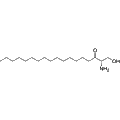
    (2S)-2-Amino-1-hydroxyoctadecan-3-one is a ceramidase substrate that plays a crucial role in sphingolipid metabolism. This compound is generated through the decarboxylative condensation of L-serine and palmitoyl-CoA, a reaction catalyzed by serine palmitoyltransferase (SPT). Its use in research facilitates the understanding of ceramide signaling pathways and the functional characterization of ceramidase enzymes.

    5 mg
    $400.00
    All 1 sizes
  • 7-Ethoxycoumarin
    Cat. No.
    A69687

    7-Ethoxycoumarin

    Synonyms: 7-O-Ethylumbelliferone

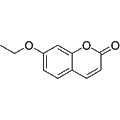
    7-Ethoxycoumarin is a substrate for cytochrome P450 enzymes (CYP450). It is employed for the functional characterization of various CYP isoforms and is instrumental in the production of 7-hydroxycoumarin. This compound is significant in pharmacological studies, particularly in drug metabolism and toxicity research.

    50 mg
    $20.00
    100 mg
    $25.00
    All 6 sizes
  • Harmalol hydrochloride
    Cat. No.
    A69710

    Harmalol hydrochloride

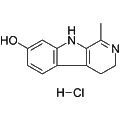
    Harmalol hydrochloride is a beta carboline alkaloid that serves as a substrate for cytochrome P450 enzymes. It notably inhibits the dioxin-mediated induction of CYP1A1, affecting both transcriptional and posttranslational processes. Additionally, Harmalol hydrochloride demonstrates antioxidant activity and effectively scavenges hydroxyl radicals, making it a valuable reagent for studies involving oxidative stress and enzyme regulation.

    1 mg
    $25.00
    5 mg
    $65.00
    All 6 sizes
  • Hydroaurantiogliocladin
    Cat. No.
    A69866

    Hydroaurantiogliocladin

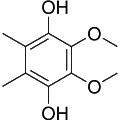
    Hydroaurantiogliocladin is a quinol that serves as a substrate for quinol-cytochrome c oxidoreductase, an enzyme derived from beef heart. This compound is essential for studying electron transport processes and mitochondrial function. Its application in research enables the investigation of redox reactions and mitochondrial bioenergetics.

    Out of stock

    All 3 sizes

Items 51-75 of 465

Added to your cart

View Cart Checkout

    Loading...