
- Cat. No.
- A12258
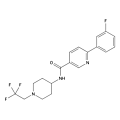
HPGDS inhibitor 1
HPGDS inhibitor 1 is a novel and selective Hematopoietic Prostaglandin D Synthase (HPGDS) inhibitor with an IC50 Value of 0.7 nM.
Search by product name, CAS, target or catalog number. Press Down Arrow to reach product suggestions, Tab to move between links, and Escape to close suggestions.
PGE synthase inhibitors act on the terminal enzymes that convert prostaglandin H2 into prostaglandin E2. Microsomal prostaglandin E (PGE) synthase-1 (mPGES-1) was described in 1999 as a glutathione-dependent enzyme induced by inflammatory stimuli. Inhibitors of this enzyme reduce prostaglandin E2 formation without blocking the upstream cyclooxygenases. MF63 and mPGES1-IN-3 are mPGES-1 inhibitors for inflammation and pain research. The list also covers the prostaglandin D synthases, which turn the same precursor into prostaglandin D2. Hematopoietic prostaglandin D synthase (H-PGDS) was cloned and its crystal structure solved in 1997. HPGDS inhibitor 1 and hPGDS-IN-1 target H-PGDS, whereas AT 56 inhibits lipocalin-type prostaglandin D synthase (L-PGDS).
HPGDS inhibitor 1 is a novel and selective Hematopoietic Prostaglandin D Synthase (HPGDS) inhibitor with an IC50 Value of 0.7 nM.
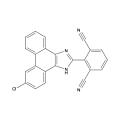
MF63 is a selective mPGES-1 inhibitor with an IC50 of 0.9 nM and 1.3 nM for pig mPGES-1 and human mPGES-1 enzyme, respectively.
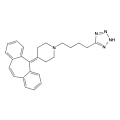
AT-56 is am orally active inhibitor of lipocalin-type prostaglandin D synthase (L-PGDS) (Ki = 75 μM, IC50 = 95 μM).
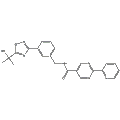
Synonyms: SAR191801
SAR191801 is a hPGDS inhibitor ,with IC50 of 12 nM in the Fluorescence Polarization Assay or the EIA assay.
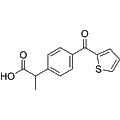
Synonyms: TN-762
Suprofen is a non-steroidal anti-inflammatory drug (NSAID) that primarily targets prostaglandin E synthase. It exhibits potent anti-inflammatory and analgesic properties by inhibiting the synthesis of prostaglandins, which are key mediators in the inflammatory response. Suprofen is commonly utilized in research to investigate inflammatory pathways and evaluate the therapeutic potential of PGE synthase inhibition in various disease models.
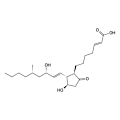
Synonyms: ONO 1206; OP 1206; 17α,20-dimethyl-δ2-PGE1; 17α,20-dimethyl-δ2-Prostaglandin E1.
Limaprost(OP1206) is a PGE1 analog and potent platelet adhesion inhibitor.
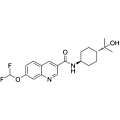
HPGDS inhibitor 2 is a highly potent and selective hematopoietic prostaglandin D synthase (H-PGDS) inhibitor with an IC50 of 9.9 nM.
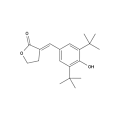
Synonyms: KME-4
PGS-IN-1 is a potent inhibitor of prostaglandin synthetase (PGS) with an IC50 of 0.28 μM; also inhibits 5-lipoxygenase with an IC50 of 1.05 μM.
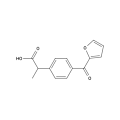
Furprofen is an non-steroidal anti-inflammatory drug (NSAID) with analgesic properties. Furprofen acts via the inhibition of prostaglandin (PGE) synthesis. Furprofen can be treated orally for the relief of pain.
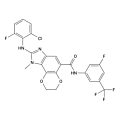
mPGES1-IN-3 (Compound 17d) is a potent and selective microsomal prostaglandin E2 synthase-1 (mPGES-1) inhibitor, which exhibits excellent mPGES-1 enzyme (IC50: 8 nM), cell (A549 IC50: 16.24 nM) and human whole blood potency (IC50: 249.9 nM).
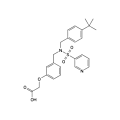
Synonyms: CP-533536 free acid; CP533536
Evatanepag (CP-533536) is an EP2 receptor selective prostaglandin E2 (PGE2) agonist that induces local bone formation with EC50 of 0.3 nM.
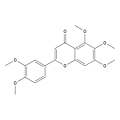
Synonyms: Pedalitin permethyl ether
Sinensetin is a methylated flavone found in certain citrus fruits. pocess potent antiangiogenesis and anti-inflammatory, sinensetin enhances adipogenesis and lipolysis.
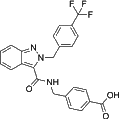
EP4 receptor antagonist 7 is a selective antagonist of the prostaglandin E2 (PGE2) receptor subtype EP4, demonstrating an IC50 value of 1.1 nM. This compound effectively inhibits PGE2-induced β-arrestin recruitment in HEK293 cells with an IC50 of 0.9 nM and downregulates the expression of several important mRNAs, including IL-4 and Arg1, in RAW 264.7 macrophages. Additionally, EP4 receptor antagonist 7 shows potential in combination with anti-PD-1 antibodies to inhibit tumor growth and enhance CD8+ T cell infiltration in a CT26 murine colon cancer model, making it a valuable tool for cancer immunotherapy research.
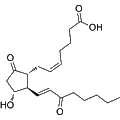
Synonyms: 15-keto-PGE2
15-keto-Prostaglandin E2 is a metabolite of prostaglandin E2 that primarily targets and inhibits STAT3 activation through binding to the Cys259 residue. This compound has been shown to inhibit the growth and progression of breast cancer cells while activating PPAR-γ, promoting fungal growth. Additionally, 15-keto-Prostaglandin E2 disrupts glomerular vascularization during zebrafish development, resulting in a decreased surface area of the glomerular filtration barrier, highlighting its importance in developmental biology and cancer research.
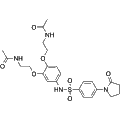
SZ0232 is a selective inhibitor of microsomal prostaglandin E synthase-2 (mPGES-2), effectively reducing the production of prostaglandin E2 (PGE2) and downregulating the PGE2-EP4 signaling pathway. This inhibition disrupts the β-catenin/STAT3/c-Myc proliferation cascade, demonstrating significant effects on the abnormal proliferation of cyst epithelial cells. SZ0232 serves as a valuable tool for investigating autosomal dominant polycystic kidney disease (ADPKD) in both in vitro and in vivo research models.
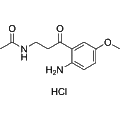
Synonyms: AMK hydrochloride
N1-Acetyl-5-methoxykynuramine hydrochloride is a potent inhibitor of prostaglandin E2 (PGE2) production, acting as an active metabolite of melatonin. This compound effectively scavenges reactive oxygen species and suppresses COX-2 expression in RAW 264.7 macrophages in a dose- and time-dependent manner. Additionally, in a mouse model of Parkinson's disease induced by MPTP, it diminishes lipid peroxidation in key brain regions. N1-Acetyl-5-methoxykynuramine hydrochloride is relevant for research focused on metabolic and neurological disorders.
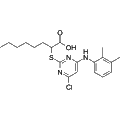
YS121 is a dual inhibitor targeting microsomal prostaglandin E2 synthase-1 (mPGES-1) and 5-lipoxygenase (5-LOX), with IC50 values of 3.4 μM and 6.5 μM, respectively. It demonstrates specific, reversible binding to mPGES-1, indicated by a KD of 10-14 μM. YS121 reduces PGE2 production in IL-1β-stimulated A549 cells with an EC50 of 12 μM and activates PPAR-α and PPAR-γ, with EC50 values of 1 μM and 3.6 μM, respectively. Additionally, YS121 exhibits significant anti-inflammatory effects in human whole blood and in vivo, making it a valuable tool for pleurisy research.
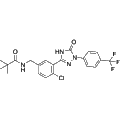
Synonyms: ISC-27864; GRC-27864
Zaloglanstat is a selective microsomal prostaglandin E synthase-1 (mPGES-1) inhibitor, demonstrating an IC50 of 5 nM for human mPGES-1 while sparing COX-1 and COX-2 with IC50 values greater than 10 μM. It effectively inhibits the conversion of prostaglandin PGH2 to prostaglandin PGE2, thereby mitigating inflammation-related overproduction of PGE2 and alleviating pain. In vitro studies show that Zaloglanstat reduces IL-1β-induced PGE2 release in A549 cells and human synovial fibroblasts. It is applicable in research exploring asthma, osteoarthritis, and neurodegenerative diseases, and exhibits effective inhibition of PGE2 release in whole blood from pig and dog models with IC50 values of 161 nM and 154 nM, respectively.
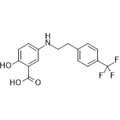
Synonyms: AAD-2004
Crisdesalazine is a selective inhibitor of microsomal prostaglandin E2 synthase-1 (mPGES-1). It demonstrates significant biological activity as a free radical scavenger, effectively neutralizing reactive oxygen species (ROS) such as hydrogen peroxide, thereby providing neuroprotective benefits against apoptosis and axonal damage. By inhibiting PGE2 production, Crisdesalazine also modulates inflammatory responses and facilitates the conversion of macrophages from the pro-inflammatory M1 to the anti-inflammatory M2 phenotype. This compound is particularly valuable for research focused on neuroprotection in conditions such as multiple sclerosis and spinal cord injury.
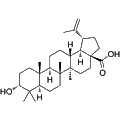
Epibetulinic acid is an inhibitor of nitric oxide (NO) and prostaglandin E2 (PGE2) production. It demonstrates significant anti-inflammatory activity, exhibiting IC50 values of 0.7 μM for NO and 0.6 μM for PGE2 in mouse macrophages (RAW 264.7) stimulated with bacterial endotoxin. This compound is valuable for research applications focused on inflammation and immune response modulation.
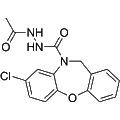
SC-19220 is a competitive antagonist of the prostaglandin E2 receptor, demonstrating significant effects on bladder physiology. Research indicates that SC-19220 enhances bladder capacity while decreasing voiding efficiency in urethane-anesthetized rats during slow transvesical filling. Additionally, SC-19220 has been shown to restore the balance of granulocyte and monocyte production in bone marrow following burn sepsis, making it a valuable tool for investigations related to inflammatory responses and urinary tract function.
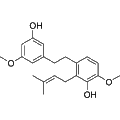
Canniprene is a potent inhibitor of 5-lipoxygenase (5-LO) and cyclooxygenase/microsomal prostaglandin E2 synthase (PGE2), with IC50 values of 0.4 μM and 10 μM, respectively. Derived from Cannabis sativa, Canniprene modifies the biosynthesis of inflammatory eicosanoids and prostaglandins, making it a valuable tool for researching inflammation and related pathways. Its unique mechanism of action positions Canniprene as a potential candidate for studying inflammatory diseases and therapeutic interventions targeting lipid mediators.
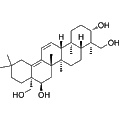
Saikogenin D is an effective PGE2 inhibitor isolated from Bupleurum chinense. This compound exhibits significant anti-inflammatory properties by activating epoxygenases, leading to the conversion of arachidonic acid into epoxyeicosanoids and dihydroxyeicosatrienoic acids, which subsequently suppress PGE2 production. Saikogenin D also induces an increase in intracellular calcium levels ([Ca2+]i) through the release of Ca2+ from intracellular stores, making it a valuable tool for studying inflammatory pathways.
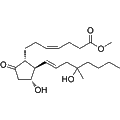
Synonyms: Enisoprost
SC 34301, an orally active PGE1 analogue, exhibits potent anti-inflammatory properties. It has been shown to significantly reduce bacterial translocation and enhance survival rates in burned mouse models. This compound is valuable for research applications focusing on inflammation, tissue repair, and the physiological effects of prostaglandin analogues.
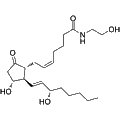
Synonyms: PGE2 ethanolamide
Prostaglandin E2 Ethanolamide (PGE2-EA) is a biologically active analog of Prostaglandin E2, chiefly targeting the modulation of inflammatory responses. It is formed enzymatically through the COX-2-mediated oxygenation of endocannabinoids. PGE2-EA demonstrates the ability to influence the production of the pro-inflammatory cytokine TNF-α in human blood and monocytic cells, making it a valuable tool for research in inflammation and immunology.