Oxytocin Receptor

Oxytocin receptor antagonists and agonists act on the receptor for the neurohypophysial hormone oxytocin. The human oxytocin receptor was cloned and characterized in 1992 as a member of the G protein-coupled receptor superfamily. In peripheral tissues it mediates uterine contraction and milk ejection, while central oxytocin signaling is studied in social behavior. Atosiban is a peptide antagonist that also binds the vasopressin V1a receptor. Retosiban, epelsiban and L-368,899 hydrochloride are nonpeptide oxytocin receptor antagonists. Carbetocin is a long-acting peptide agonist, and oxytocin itself serves as the reference ligand in binding and functional assays.

2 Items

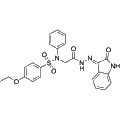
  • OXTR modulator-1
    Cat. No.
    A62803

    OXTR modulator-1

    OXTR modulator-1 is an oxytocin receptor (OXTR) modulator that selectively influences OXTR activity. This compound exhibits potential biological activity in enhancing social behavior and emotional processing, making it a valuable tool for research into neuropsychiatric disorders and social cognition. Its applications extend to studies investigating the physiological and therapeutic roles of oxytocin in various animal models.

    5 mg
    $350.00
    10 mg
    $650.00
    All 3 sizes
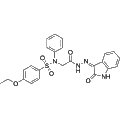
  • OXTR modulator-2
    Cat. No.
    A62804

    OXTR modulator-2

    OXTR modulator-2 is a selective modulator of the oxytocin receptor (OXTR), influencing pathways associated with social behavior and emotional responses. This compound enhances OXTR activity, making it instrumental in research on neuropsychiatric disorders, stress resilience, and social cognition. Its application extends to investigating the role of oxytocin in various biological processes, enabling insights into therapeutic strategies targeting mood and anxiety disorders.

    5 mg
    $350.00
    10 mg
    $650.00
    All 3 sizes

2 Items

Added to your cart

View Cart Checkout

    Loading...