- Cat. No.
- A15381
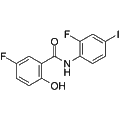
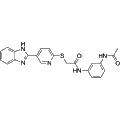
NFAT Inhibitor
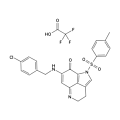
NFAT Inhibitor, selective inhibitor of calcineurin-mediated dephosphorylation of nuclear factor of activated T cells (NFAT).
Search by product name, CAS, target or catalog number. Press Down Arrow to reach product suggestions, Tab to move between links, and Escape to close suggestions.
NFAT inhibitors target nuclear factor of activated T cells (NFAT), calcium-regulated transcription factors. The four calcium-regulated members, NFAT1 to NFAT4, rest in the cytoplasm in a heavily phosphorylated form. A rise in intracellular calcium activates the phosphatase calcineurin, which dephosphorylates NFAT and drives its import into the nucleus. There NFAT cooperates with partner transcription factors to switch on cytokine genes such as interleukin 2 (IL-2). Calcineurin docks onto a short motif in NFAT, and the VIVIT peptide selected against this site blocks NFAT activation selectively. 11R-VIVIT adds a polyarginine tail for cell entry, and INCA-6 is a small molecule that disrupts the same calcineurin-NFAT contact. KRN2 and KRN5 inhibit NFAT5, an osmotic stress-responsive family member.
NFAT Inhibitor, selective inhibitor of calcineurin-mediated dephosphorylation of nuclear factor of activated T cells (NFAT).
MA242 is a dual inhibitor of murine double minute 2 (MDM2) and nuclear factor of activated T cells 1 (NFAT1) for Pancreatic Cancer Therapy.
YZ129 is an inhibitor of the HSP90-calcineurin-NFAT pathway against glioblastoma, directly binding to heat shock protein 90 (HSP90) with an IC50 of 820 nM on NFAT nuclear translocation.
Synonyms: NFAT Activation Inhibitor III
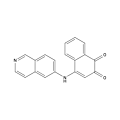
INCA-6 is a potent and selective inhibitor of calcineurin-NFAT (Nuclear Factor of Activated T cells) signaling.
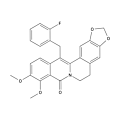
KRN5, a derivative of KRN2, is an oral active Nuclear factor of activated T cells 5 (NFAT5) suppressor, with an IC50 of 750 nM. KRN5 has potential to treat NFAT5-mediated Chronic Arthritis.
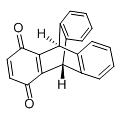
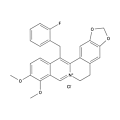
KRN2 is a selective inhibitor of nuclear factor of activated T cells (NFAT5), with an IC50 of 100 nM. KRN2 has potential to treat NFAT5-mediated Chronic Arthritis.
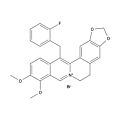
KRN2 (bromide) is a selective inhibitor of nuclear factor of activated T cells (NFAT5), with an IC50 of 0.1 μM.
Synonyms: Cell permeable NFAT inhibitor
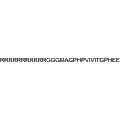
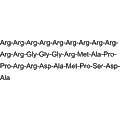
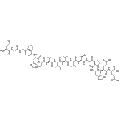
11R-VIVIT is a cell-permeable inhibitor targeting the nuclear factor of activated T cells (NFAT). It demonstrates key biological activity by modulating NFAT signaling pathways, making it valuable for research into podocyte function and diabetic nephropathy. This compound facilitates the exploration of NFAT's role in various cellular processes and disease models.
UR-1505 is a potent inhibitor of the nuclear factor of activated T cells (NF-AT), demonstrating significant suppression of CD3/CD28-induced T cell proliferation. It elevates p27KIP levels and induces G1/S cell cycle arrest, effectively modulating immune responses. Additionally, UR-1505 inhibits the production of pro-inflammatory cytokines IL-5 and IFN-γ in activated T cells, making it a valuable tool for research focused on immunomodulation and conditions such as atopic dermatitis.
Synonyms: SENS-401
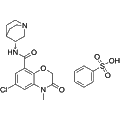
(R)-Azasetron besylate is an orally active calcineurin inhibitor that modulates calcineurin activity, thereby influencing T-cell signaling pathways. It has demonstrated effectiveness in reducing Cisplatin-induced hearing loss and cochlear damage, making it a valuable reagent for research into ototoxicity and protective strategies against auditory toxicity. This compound is of particular interest in studies focusing on hearing preservation and interventions in cancer treatment-related hearing loss.
11R-CaN-AID is a potent inhibitor of calcineurin, a calcium-calmodulin-dependent phosphatase. It effectively penetrates cell membranes, making it suitable for in vitro studies of calcineurin signaling pathways. This reagent is valuable for research applications investigating the role of calcineurin in processes such as T-cell activation and cardiac hypertrophy.
Out of stock
All 3 sizes
Synonyms: SDZ-ASM 981 hydrate
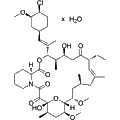
Pimecrolimus hydrate is a potent calcineurin inhibitor with anti-inflammatory properties. It is non-steroidal and orally active, making it suitable for research applications in conditions such as atopic dermatitis and oral erosive lichen planus. This compound is instrumental in studying immune modulation and associated inflammatory pathways.
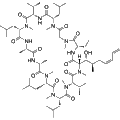
Cyclosporin A-Derivative 3 is a potent calcineurin inhibitor that effectively modulates T-cell activation and immune response. This compound is valuable in research applications focused on immunology, transplantation, and autoimmune diseases, offering insights into the mechanisms of immune regulation. Its derivatives provide a distinct approach for studying calcineurin’s role in cellular signaling pathways.
Out of stock
All 3 sizes
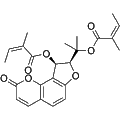
Archangelicin is a potent inhibitor of the nuclear factor of activated T cells (NFAT) with an IC50 of 9 μM. This compound also functions as an inhibitor of cAMP-phosphodiesterase (cAMP-PDE) with an IC50 greater than 400 μM. Archangelicin demonstrates significant antitumor and anti-inflammatory properties, making it valuable for research in immunology and cancer biology.
Out of stock
All 3 sizes
Synonyms: 4-O-α-D-Glucopyranosyl-D-gluconic acid
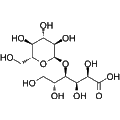
Maltobionic acid, an NFATc1 inhibitor, is an orally active oligosaccharide and iron chelator that demonstrates antibacterial properties. It effectively suppresses the expression of NFATc1, leading to reduced osteoclast differentiation and bone resorption while increasing serum calcitonin levels. Additionally, maltobionic acid protects mammalian cells from oxidative damage induced by hydrogen peroxide, resists fermentation by gut microbiota, and exhibits anti-digestive and anti-fermentative activities. This compound is relevant for research in osteoporosis, bacterial infections, and gastrointestinal health.
NFATc1-IN-1 is a potent inhibitor of RANKL-induced osteoclast formation, exhibiting an IC50 of 1.57 μM. This compound exerts its anti-osteoclastogenic effects by disrupting the RANKL-mediated nuclear translocation of NFATc1. NFATc1-IN-1 is a valuable tool for research into osteoclastic diseases, providing insights into the regulation of osteoclastogenesis.
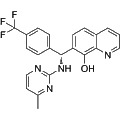
Q134R is a potent inhibitor of the nuclear factor of activated T cells (NFAT) signaling pathway. This neuroprotective hydroxyquinoline derivative is capable of crossing the blood-brain barrier, making it relevant for studies of central nervous system disorders. Q134R holds promise for research applications in Alzheimer's disease and other aging-related conditions, providing insights into the mechanisms of neuroprotection and cellular signaling.
Synonyms: d-Syringaresinol
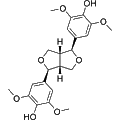
(+)-Syringaresinol is a lignan that acts as an inhibitor of the NFAT transcription factor, exhibiting an IC50 of 329.4 μM. This compound is significant in the study of lymphocytic leukemia and other conditions related to NFAT pathway dysregulation. Its role in modulating transcriptional activity makes it a valuable tool for researchers investigating NFAT's involvement in various biological processes.
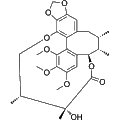
Gomisin E is a dibenzocyclooctadiene lignan that acts as an inhibitor of NFAT transcription. Isolated from the fruits of Schizandra chinensis, Gomisin E demonstrates inhibitory activity with an IC50 value of 4.73 μM. This compound is useful in research applications focused on understanding NFAT-mediated signaling pathways and its implications in various biological processes.
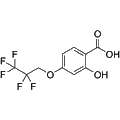
NFAT Inhibitor-3 is a selective inhibitor of the nuclear factor of activated T cells (NFAT). It effectively inhibits interleukin-2 (IL-2) production by binding directly to DNA in a sequence-specific manner. This compound is valuable for research focused on the dysregulation of transcription factors and their impact on immune responses.