- Cat. No.
- A17172
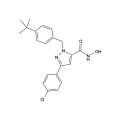
ML-385
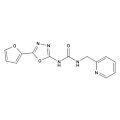
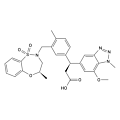
ML-385 is an inhibitor of nuclear factor erythroid 2-related factor 2 (Nrf2) with IC50 value of 1.9 μM.
Search by product name, CAS, target or catalog number. Press Down Arrow to reach product suggestions, Tab to move between links, and Escape to close suggestions.
Keap1-Nrf2 pathway activators and inhibitors act on the master regulator of the cellular antioxidant response. Kelch-like ECH-associated protein 1 (Keap1) binds nuclear factor erythroid 2-related factor 2 (Nrf2) and keeps it from accumulating in the nucleus. In 1997, Nrf2 and small Maf proteins were shown to induce detoxifying genes through antioxidant response elements (AREs). Electrophiles modify Keap1 cysteines, releasing Nrf2 to induce genes such as NAD(P)H quinone dehydrogenase 1 (NQO1). Activators include sulforaphane, an isothiocyanate isolated from broccoli in 1992, and dimethyl fumarate, oltipraz and the triterpenoid omaveloxolone. ML-385 inhibits Nrf2 itself, while dicoumarol blocks the downstream enzyme NQO1. Related oxidative stress tools are listed under Reactive Oxygen Species (ROS).
ML-385 is an inhibitor of nuclear factor erythroid 2-related factor 2 (Nrf2) with IC50 value of 1.9 μM.
NK-252 is a Nrf2 activator, exhibits a greater Nrf2-activating potential than OPZ.
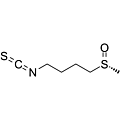
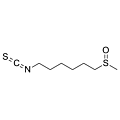
(R)-Sulforaphane is a highly potent inducer of the Keap1/Nrf2/ARE pathway. (R)-Sulforaphane is a far more potent inducer of the carcinogen-detoxifying enzyme systems in rat liver and lung than the S-isomer.
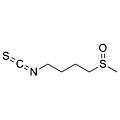
Sulforaphane activates Nrf2 and inhibits high glucose-induced progression of pancreatic cancer via AMPK dependent signaling. Sulforaphane has shown anti-cancer and anti-inflammatory activities.
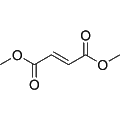
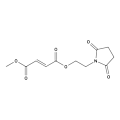
Dimethyl fumarate is an orally bioavailable Nrf2 activator that enhances the expression of antioxidant genes. This compound has been shown to induce necroptosis in colon cancer cells via mechanisms involving glutathione depletion, reactive oxygen species elevation, and activation of MAPK pathways. Additionally, Dimethyl fumarate promotes autophagy and is applicable in studies focused on multiple sclerosis and related neurodegenerative conditions.
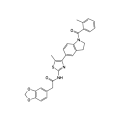
Nrf2-IN-1 (Compound 4f) is an inhibitor of nuclear factor-erythroid 2-related factor 2 (Nrf2), acts as a promising agent in acute myeloid leukemia (AML) therapy.
Synonyms: RP 35972; NSC 347901
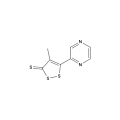
Oltipraz inhibits HIF-1alpha activity and HIF-1alpha-dependent tumor growth, which may result from a decrease in HIF-1alpha stability through S6K1 inhibition in combination with an H2O2-scavenging effect.
Synonyms: Dicumarol
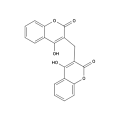
Dicoumarol is a competitive NADH quinone oxidoreductase (NQO1) inhibitor.
Synonyms: RTA 408
RTA-408 is a synthetic triterpenoid that potently activates the antioxidative transcription factor Nrf2 and inhibits the proinflammatory transcription factor NF-kB.
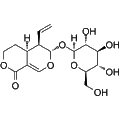
Sweroside, a potent Keap1/Nrf2 activator, is an iridoid glycoside that enhances Nrf2 nuclear translocation by competing with Keap1. This compound exhibits diverse biological activities, including antioxidant, anti-inflammatory, and anti-apoptotic effects, while regulating lipid metabolism. Sweroside's ability to inhibit oxidative stress and NLRP3-mediated pyroptosis, alongside its activation of the SIRT1 and AMPK/mTOR pathways, makes it valuable for investigating conditions such as myocardial ischemia-reperfusion injury, leukemia, acute lung injury, and non-alcoholic fatty liver disease.
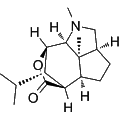
Dendrobine is an alkaloid derived from Dendrobium nobile, primarily targeting viral infections as an antiviral agent. It demonstrates significant antiviral activity against influenza A viruses, exhibiting IC50 values of 3.39 μM, 2.16 μM, and 5.32 μM for strains A/FM-1/1/47 (H1N1), A/Puerto Rico/8/34 H274Y (H1N1), and A/Aichi/2/68 (H3N2), respectively. Additionally, Dendrobine activates the JNK/p38/Nrf2 signaling pathway and possesses various biological properties, including antitumor, anti-inflammatory, and neuroprotective effects, making it valuable in diverse research applications.
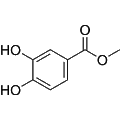
Synonyms: Protocatechuic acid methyl ester; Methyl protocatechuate
Methyl 3,4-dihydroxybenzoate functions as a Keap1-Nrf2 agonist, promoting the activation of the Nrf2 pathway. This compound exhibits significant antioxidant and anti-inflammatory properties, making it valuable in research focused on oxidative stress and cellular defense mechanisms. It is primarily utilized in studies investigating the neuroprotective effects of polyphenols and their potential therapeutic applications in various diseases.
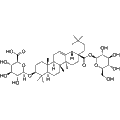
Synonyms: Calenduloside F
Chikusetsusaponin IVa is an orally active anti-inflammatory agent that targets YAP, demonstrating a binding affinity with a KD value of 0.388 mM. This compound effectively reduces the expression of inflammatory mediators such as IL-6, IL-10, and COX-2, while modulating nitric oxide production and promoting reactive oxygen species generation. Additionally, Chikusetsusaponin IVa induces apoptosis, inhibits MAPK and TAZ signaling pathways, and regulates Nrf2 and JAK/STAT pathways. It exhibits potential as an anti-H9N2 avian influenza virus agent and demonstrates anti-cancer properties, along with hepatoprotective and osteoprotective effects, making it a valuable tool for research in inflammation and cancer biology.
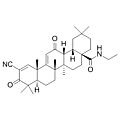
Synonyms: CDDO ethyl amide; RTA405; TP319
CDDO-EA is an activator of Nrf2/ARE; Neuroprotective effect.
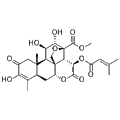
Synonyms: BRN 1444847
Brusatol is a biochemical, isolated from the Brucea javanica plant, that inhibits Nrf2.
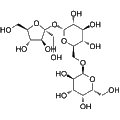
Synonyms: Melitose
Raffinose serves as an Nrf2 activator and is known for its ability to modulate intestinal flora. It inhibits the TLR4-MyD88-NF-κB signaling pathway while promoting Nrf2 signaling, contributing to its anti-inflammatory, antioxidant, and immunomodulatory properties. This compound is orally active and is valuable in research applications focusing on inflammation and oxidative stress.
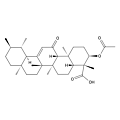
Synonyms: 3-O-acetyl-11-keto-β-Boswellic acid; 3-acetyl-11-keto-β-Boswellic acid
AKBA (Acetyl-11-keto-β-boswellic acid) is an active triterpenoid compound from the extract of Boswellia serrate and a novel Nrf2 activator.
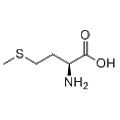
Synonyms: Methionine; MET; NSC 22946
Methionine is a sulfur-containing essential L-amino acid that is important in many body functions.
Keap1-CNrf2-IN-1 (compound35) is a Kelch-like ECH-associated protein 1-nuclear factor erythroid 2-related factor 2 (Keap1-Nrf2) protein-protein interaction inhibitor, and with an IC50 of 43 nM for Keap1 protein.
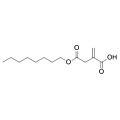
4-Octyl Itaconate is a cell-permeable Itaconate derivative. Itaconate is an anti-inflammatory metabolite that activates Nrf2 via alkylation of KEAP1.
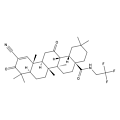
Synonyms: RTA dh404
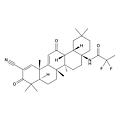
CDDO-dhTFEA (RTA dh404) is a synthetic oleanane triterpenoid compound which potently activates Nrf2 and inhibits the pro-inflammatory transcription factor NF-κB.
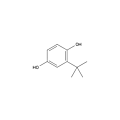
Synonyms: tert-Butylhydroquinone
TBHQ (tert-Butylhydroquinone) is a widely used Nrf2 activator, protects against Doxorubicin (DOX)-induced cardiotoxicity through activation of Nrf2.
KI696 is a high affinity probe that disrupts the Keap1/NRF2 interaction. KI696 is a potent and selective inhibitor of the KEAP1/NRF2 interaction.
Hesperin is a bioactive ingredient present in Japanese horseradish (wasabi) and has been shown to be an Nrf2 activator.
Synonyms: ALKS 8700; BIIB098
Diroximel fumarate (DRF) is a prodrug of monomethyl fumarate in a controlled-release formulation that rapidly and efficiently converts to MMF in the body.