AChE

Acetylcholinesterase (AChE) inhibitors block the enzyme that breaks down acetylcholine at cholinergic synapses. By ending acetylcholine signaling within milliseconds, AChE controls transmission in the brain and at the neuromuscular junction. The 1991 crystal structure of AChE from Torpedo californica showed the active site at the base of a deep, narrow gorge. AChE also has non-catalytic roles, which broaden its interest beyond synaptic transmission. Inhibitors here include donepezil hydrochloride and galanthamine hydrobromide, which are reversible inhibitors. The carbamates rivastigmine tartrate and neostigmine bromide, used in studies of cholinergic signaling and neurodegeneration, are also listed.

Items 651-663 of 663

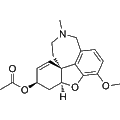
  • O-Acetylgalanthamine
    Cat. No.
    B20529

    O-Acetylgalanthamine

    O-Acetylgalanthamine is an acetylated alkaloid derived from the natural source Narcissus pseudonarcissus. This compound is known for its potential to inhibit acetylcholinesterase, thereby enhancing cholinergic neurotransmission. Its biological activity makes O-Acetylgalanthamine valuable in neuroscience research, particularly in studies related to Alzheimer's disease and other cognitive disorders.

    1 mg
    $85.00
    5 mg
    $210.00
    All 5 sizes
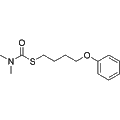
  • Fenothiocarb
    Cat. No.
    B20557

    Fenothiocarb

    Synonyms: Phenothiocarb

    Fenothiocarb is a carbamate insecticide that functions as a potent acetylcholinesterase inhibitor. It exhibits biological activity by disrupting the normal function of the nervous system in target insects, leading to paralysis and death. This compound is primarily utilized in research focused on pesticide residue analysis and environmental monitoring of agrochemicals. Its role in studying the impact of pesticide exposure on ecosystems and non-target organisms makes it a valuable tool in toxicological assessments.

    10 mg
    $95.00
    All 1 sizes
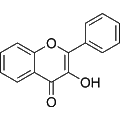
  • Flavonol
    Cat. No.
    B21315

    Flavonol

    Flavonol is a cholinesterase (ChE) inhibitor, demonstrating an IC50 of 120 μM and a Ki value of 74 μM. This compound exhibits notable antioxidant, free radical-scavenging, and antibacterial activities, while also modulating immune responses. Flavonol effectively inhibits the PriA helicase in Staphylococcus aureus and reduces nitric oxide (NO) production in LPS-activated RAW 264.7 cells by downregulating iNOS expression. Its protective and analgesic effects in murine models suggest potential applications in research focused on tumors and atherosclerosis.

    500 mg
    $20.00
    1 g
    $25.00
    All 2 sizes
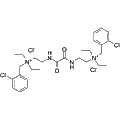
  • Ambenonium chloride
    Cat. No.
    B21397

    Ambenonium chloride

    Synonyms: WIN 8077 chloride

    Ambenonium chloride is a potent, reversible inhibitor of acetylcholinesterase (AChE), demonstrating a high affinity for the enzyme. With an IC50 value of 0.7 nM for human AChE, this compound effectively enhances cholinergic transmission. It is primarily utilized in research applications focused on neurological disorders, particularly those involving impaired cholinergic function.

    5 mg
    $65.00
    10 mg
    $110.00
    All 4 sizes
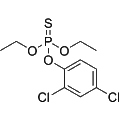
  • Dichlofenthion
    Cat. No.
    B21433

    Dichlofenthion

    Dichlofenthion is an organophosphorus (OP) pesticide that functions by inhibiting acetylcholinesterase, leading to the accumulation of acetylcholine at nerve synapses. This mechanism results in heightened nerve signal transmission, making it effective in pest control. Dichlofenthion is primarily utilized for managing sheep maggot fly populations, contributing to agricultural pest management strategies.

    10 mg
    $175.00
    25 mg
    $225.00
    All 4 sizes
  • Pyrolan
    Cat. No.
    B21521

    Pyrolan

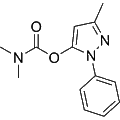
    Pyrolan is a carbamate ester pesticide that acts by inhibiting acetylcholinesterase, leading to an accumulation of acetylcholine in synapses. This mechanism results in heightened neurotransmission, which ultimately disrupts normal physiological processes in target pests. Pyrolan is primarily utilized in agricultural settings for pest control in various crops, contributing to effective management of pest populations. Its use supports research into pesticide efficacy and resistance mechanisms within target species.

    Out of stock

    All 3 sizes
  • Depramine
    Cat. No.
    B21681

    Depramine

    Synonyms: GP 31406

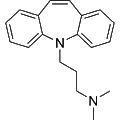
    Depramine, a tricyclic antidepressant, primarily targets neurotransmitter reuptake mechanisms, elevating levels of norepinephrine and serotonin in the synaptic cleft. It exhibits significant biological activity through the inhibition of acetylcholinesterase, Mg2+-ATPase, and Na+/K+ ATPase. Depramine is utilized in research focused on depression and related mood disorders, facilitating studies on neurotransmitter dynamics and cellular signaling pathways involved in antidepressant efficacy.

    25 mg
    $1,275.00
    50 mg
    $1,625.00
    All 3 sizes
  • 1,1'-Bi-2-naphthol
    Cat. No.
    B21732

    1,1'-Bi-2-naphthol

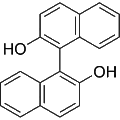
    1,1'-Bi-2-naphthol is a potent acetylcholinesterase (AChE) inhibitor, demonstrating an IC50 value of 21.9 μM against human AChE. This compound also exhibits cytotoxic effects on Artemia nauplii, making it valuable for studies in neuropharmacology and toxicology. Its dual functionality positions it as a useful reagent in researching cholinergic signaling and the potential effects of AChE inhibition.

    5 g
    $20.00
    10 g
    $30.00
    All 3 sizes
  • Physostigmine
    Cat. No.
    B21803

    Physostigmine

    Synonyms: Eserine

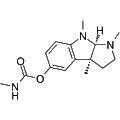
    Physostigmine, a reversible acetylcholinesterase (AChE) inhibitor, effectively increases acetylcholine levels in the central nervous system by crossing the blood-brain barrier. This compound enhances cholinergic neurotransmission and has been shown to reverse memory deficits in transgenic mice models of Alzheimer's disease. Additionally, Physostigmine serves as a critical antidote for anticholinergic poisoning, providing valuable insights for neuropharmacological research and therapeutic applications.

    1 mg
    $150.00
    5 mg
    $390.00
    All 5 sizes
  • Fenthoxon
    Cat. No.
    B21870

    Fenthoxon

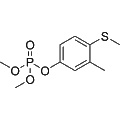
    Fenthoxon is a metabolite of fenthion, an organophosphate insecticide that primarily acts by inhibiting acetylcholinesterase activity. This inhibition leads to the accumulation of acetylcholine at synapses, resulting in neurotoxic effects on insect populations. Fenthoxon is utilized in research to study the environmental impact and metabolic pathways of organophosphate compounds, as well as their neurotoxic mechanisms in various biological systems.

    Out of stock

    All 3 sizes
  • Phorate sulfone
    Cat. No.
    B21878

    Phorate sulfone

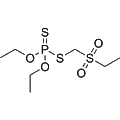
    Phorate sulfone, a metabolite of phorate, primarily targets acetylcholinesterase, exhibiting inhibitory activity with an IC50 of 40 μM. This results in the accumulation of acetylcholine at both cellular and subcellular levels. Phorate sulfone is valuable for researching the mechanisms and effects associated with severe phorate poisoning.

    Out of stock

    All 3 sizes
  • Fenthion sulfoxide
    Cat. No.
    B21891

    Fenthion sulfoxide

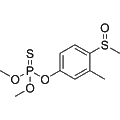
    Fenthion sulfoxide is a metabolite of the organophosphate insecticide Fenthion, primarily involved in the inhibition of acetylcholinesterase activity. This compound is relevant in studies investigating pesticide metabolism and environmental impacts, particularly concerning its formation on agricultural products such as grapes. Research applications include toxicology assessments and investigations into the persistence and degradation of organophosphate residues in the environment.

    Out of stock

    All 3 sizes
  • Disulfoton sulfone
    Cat. No.
    B21892

    Disulfoton sulfone

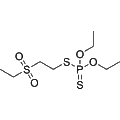
    Disulfoton sulfone is a metabolic byproduct of the organophosphorus pesticide Disulfoton, primarily targeting acetylcholinesterase. This compound exhibits significant biological activity as an inhibitor of cholinesterase, which can lead to increased levels of acetylcholine at synapses. Researchers utilize Disulfoton sulfone in studies focused on neurotoxicity, pesticide metabolism, and mechanisms of organophosphate toxicity, contributing to our understanding of their effects on human health and the environment.

    Out of stock

    All 3 sizes

Items 651-663 of 663

Added to your cart

View Cart Checkout

    Loading...