AChE

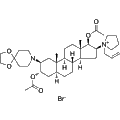
Acetylcholinesterase (AChE) inhibitors block the enzyme that breaks down acetylcholine at cholinergic synapses. By ending acetylcholine signaling within milliseconds, AChE controls transmission in the brain and at the neuromuscular junction. The 1991 crystal structure of AChE from Torpedo californica showed the active site at the base of a deep, narrow gorge. AChE also has non-catalytic roles, which broaden its interest beyond synaptic transmission. Inhibitors here include donepezil hydrochloride and galanthamine hydrobromide, which are reversible inhibitors. The carbamates rivastigmine tartrate and neostigmine bromide, used in studies of cholinergic signaling and neurodegeneration, are also listed.

Items 576-600 of 663

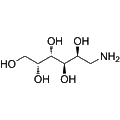
  • Galactamine
    Cat. No.
    A78875

    Galactamine

    Galactamine is an acetylcholinesterase (AChE) inhibitor that plays a crucial role in modulating neurotransmitter levels by preventing the breakdown of acetylcholine. This compound is primarily utilized in research investigating Alzheimer's disease and other neurodegenerative disorders, where it helps to elucidate the mechanisms underlying cognitive decline and potential therapeutic strategies. Galactamine's ability to enhance cholinergic signaling makes it a valuable tool in the study of efficacy and safety in neuropharmacology.

    Out of stock

    All 3 sizes
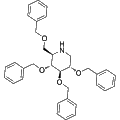
  • Deoxynojirimycin tetrabenzyl ether
    Cat. No.
    A78876

    Deoxynojirimycin tetrabenzyl ether

    Deoxynojirimycin tetrabenzyl ether is an inhibitor of human butyrylcholinesterase (hBuChE), with an IC50 value of 2.0 μM. This compound is utilized in research focused on neurological disorders and cholinergic system regulation, making it valuable for studies involving enzyme inhibition and potential therapeutic applications in cognitive decline.

    5 mg
    $135.00
    10 mg
    $245.00
    All 4 sizes
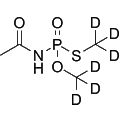
  • Acephate-d6
    Cat. No.
    A78878

    Acephate-d6

    Acephate-d6 is a deuterium-labeled derivative of Acephate, a widely used anticholinesterase insecticide. It functions by inhibiting acetylcholinesterase (AChE) activity in insects, leading to disruption of their nervous system and effective pest control. This stable isotope variant is useful for research applications involving metabolic studies, pesticide residue analysis, and environmental monitoring in agricultural and horticultural settings.

    1 mg
    $335.00
    All 1 sizes
  • Arisugacin F
    Cat. No.
    A78879

    Arisugacin F

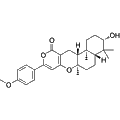
    Arisugacin F is a microbial metabolite that serves as a structural analog of Arisugacin A. This compound is primarily investigated for its role in various biological pathways, although it has been reported to exhibit no activity against acetylcholinesterase (AChE). Arisugacin F may be utilized in research exploring microbial metabolism and the structural influences of similar compounds on biological systems.

    Out of stock

    All 3 sizes
  • Quintiofos
    Cat. No.
    A78880

    Quintiofos

    Synonyms: Oxinothiofos

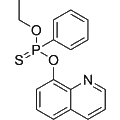
    Quintiofos is an insecticide that functions by inhibiting the enzyme acetylcholinesterase in insects, leading to disruptions in nerve conduction. This mechanism results in effective insecticidal activity against a variety of pests, including aphids, whiteflies, and stem borers. Quintiofos is a valuable tool for researchers studying insect physiology and pest management strategies.

    Out of stock

    All 3 sizes
  • Arisugacin C
    Cat. No.
    A78882

    Arisugacin C

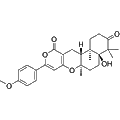
    Arisugacin C is an acetylcholinesterase (AChE) inhibitor exhibiting an IC50 of 2.5 μM, demonstrating its potent activity in modulating cholinergic neurotransmission. This compound is valuable for research into neurodegenerative diseases, including Alzheimer’s disease, where AChE inhibition may alleviate cognitive decline. Its selectivity and efficacy make it a useful tool in studying the mechanisms of cholinergic signaling and developing potential therapeutic strategies.

    Out of stock

    All 3 sizes
  • 4-Chlorochalcone
    Cat. No.
    A78883

    4-Chlorochalcone

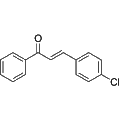
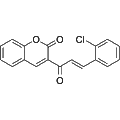
    4-Chlorochalcone is a selective monoamine oxidase inhibitor, demonstrating an IC50 of 0.082 μM against hMAO-B and 9.95 μM against hMAO-A. This compound also shows inhibitory activity towards acetylcholinesterase, with an IC50 of 2.79 μM. As a chalcone derivative, 4-Chlorochalcone is valuable for research focused on neurodegenerative diseases and the modulation of neurotransmitter levels.

    1 g
    $20.00
    5 g
    $35.00
    All 4 sizes
  • AChE-IN-83
    Cat. No.
    A78884

    AChE-IN-83

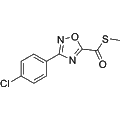
    AChE-IN-83 is a potent acetylcholinesterase (AChE) inhibitor targeting cholinesterases in various biological systems. This compound effectively inhibits the growth and behavior of Aphelenchoides oryzae, a nematode pathogen in rice, demonstrating an LC50 value of 19.0 μg/mL over 48 hours. AChE-IN-83 disrupts the nematode cuticle, promoting the accumulation of reactive oxygen species, lipofuscin, and lipids, thereby offering applications in nematode management and enhancing rice seed health.

    Out of stock

    All 3 sizes
  • (S)-Ladostigil
    Cat. No.
    A78885

    (S)-Ladostigil

    Synonyms: TV-3279

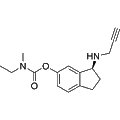
    (S)-Ladostigil is a cholinesterase (ChE) inhibitor known for its neuroprotective properties. While it exhibits limited inhibition of monoamine oxidase B (MAO-B), its primary mechanism enhances cholinergic neurotransmission, making it of interest in the study of neurodegenerative disorders. This compound is utilized in research focusing on Alzheimer's disease and other conditions where cholinergic dysfunction is implicated.

    1 mg
    $65.00
    5 mg
    $150.00
    All 7 sizes
  • Mobam
    Cat. No.
    A78886

    Mobam

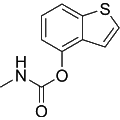
    Mobam is a cholinesterase inhibitor with significant efficacy against Anoplura Pediculidae. This compound effectively reduces cholinesterase (ChE) levels in plasma, erythrocytes, and brain tissue of rat models, leading to suppressed avoidance behavior. Mobam is primarily utilized in toxicological research and studies focused on neurological effects and insecticidal applications.

    1 mg
    $40.00
    All 1 sizes
  • Donepezil-d7
    Cat. No.
    A78887

    Donepezil-d7

    Synonyms: E2020-d7 free base

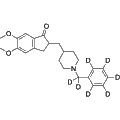
    Donepezil-d7 is a deuterium-labeled analog of Donepezil, a selective and potent inhibitor of acetylcholinesterase (AChE). This compound demonstrates impressive inhibitory activity with IC50 values of 8.12 nM for bovine AChE and 11.6 nM for human AChE, making it a valuable tool for studying cholinergic signaling and Alzheimer's disease. Researchers can utilize Donepezil-d7 in pharmacokinetic studies and metabolic profiling to better understand the compound's activity and metabolism in various biological contexts.

    Out of stock

    All 3 sizes
  • SZ1676
    Cat. No.
    A78888

    SZ1676

    SZ1676 is a cholinesterase (ChE) inhibitor that functions primarily by blocking the enzymatic activity of acetylcholinesterase. This compound demonstrates significant potential in studying neuromuscular transmission and related disorders. Its biological activity may support research in pharmacology and toxicology, particularly concerning neuromuscular blocking agents and their therapeutic implications.

    25 mg
    $2,035.00
    50 mg
    $2,610.00
    All 3 sizes
  • MAO-B-IN-2
    Cat. No.
    A79007

    MAO-B-IN-2

    MAO-B-IN-2 is a selective and competitive inhibitor of monoamine oxidase B (MAO-B) with an IC50 value of 0.51 μM, and it also inhibits butyrylcholinesterase (BChE) with an IC50 of 7.00 μM. This compound plays a significant role in studying neurodegenerative disorders by modulating monoamine metabolism, making it valuable for research into conditions such as Parkinson's disease and Alzheimer's disease. Its specificity for MAO-B makes it an important tool for exploring therapeutic pathways involving neurotransmitter regulation.

    2 mg
    $30.00
    5 mg
    $50.00
    All 7 sizes
  • Methylchloroisothiazolinone
    Cat. No.
    A79609

    Methylchloroisothiazolinone

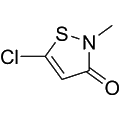
    Methylchloroisothiazolinone is a potent NF-κB activator known for its pro-inflammatory properties. It induces the expression of pro-inflammatory cytokines, including IL-1β, TNF-α, and IL-6, through the activation of the NF-κB signaling pathway and upregulation of TLR4. This compound is utilized in research focusing on allergic contact dermatitis and immunotoxicity mechanisms. Additionally, Methylchloroisothiazolinone demonstrates neurotoxic effects and has been shown to impair cholinesterase activity, leading to increased oxidative stress and detrimental impacts on aquatic organisms, specifically Mediterranean mussels.

    2.5 mg
    $20.00
    10 mg
    $90.00
    All 3 sizes
  • 6-O-p-Hydroxybenzoylglutinoside
    Cat. No.
    A79621

    6-O-p-Hydroxybenzoylglutinoside

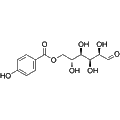
    6-O-p-Hydroxybenzoylglutinoside is a selective NF-κB inhibitor that effectively suppresses TNF-α-activated NF-κB transcriptional activity, with an IC50 of 52.78 μM. This compound demonstrates targeted biological activity without significantly inhibiting soluble epoxide hydrolase (sEH), acetylcholinesterase (AChE), or butyrylcholinesterase (BChE). Isolated from the seeds of Catalpa bungei (Manchurian catalpa), 6-O-p-Hydroxybenzoylglutinoside is valuable for research applications focused on inflammation and signal transduction pathways.

    5 mg
    $380.00
    All 1 sizes
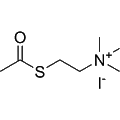
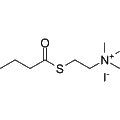
  • Acetylthiocholine iodide
    Cat. No.
    A86583

    Acetylthiocholine iodide

    Synonyms: S-Acetylthiocholine iodide; ATCh iodide

    Acetylthiocholine iodide serves as a substrate for enzymes such as cholinesterase, enabling the quantification of enzyme activity levels. This compound is utilized in various biochemical assays and has applications in medical research, particularly in neuroscience and organ physiology studies. Its role in enzyme activity determination makes it a valuable reagent for investigating cholinergic signaling pathways.

    1 g
    $25.00
    5 g
    $40.00
    All 3 sizes
  • S-n-Butyrylthiocholine iodide
    Cat. No.
    A86809

    S-n-Butyrylthiocholine iodide

    S-n-Butyrylthiocholine iodide functions as a substrate for butyrylcholinesterase (BChE). This chemical reagent is primarily utilized in biochemical assays to study enzyme activity and kinetics, providing valuable insights into the role of BChE in various physiological processes. Its application is essential for in vitro enzymatic experiments, contributing to the understanding of cholinergic signaling and related biochemical pathways.

    10 g
    $25.00
    25 g
    $45.00
    All 2 sizes
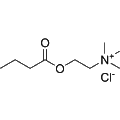
  • Butyrylcholine chloride
    Cat. No.
    A87572

    Butyrylcholine chloride

    Butyrylcholine chloride is a biochemical assay reagent that serves as a substrate for butyrylcholinesterase. This compound is essential for investigating cholinergic signaling pathways and the enzymatic activity associated with neurotransmitter regulation. It is widely utilized in research applications focusing on neurobiology, pharmacology, and toxicology, facilitating studies on enzyme kinetics and cholinergic receptor interactions.

    50 mg
    $20.00
    100 mg
    $30.00
    All 3 sizes
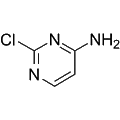
  • 4-Amino-2-chloropyrimidine
    Cat. No.
    A87792

    4-Amino-2-chloropyrimidine

    4-Amino-2-chloropyrimidine is a pyrimidine derivative that acts as a competitive inhibitor of acetylcholinesterase (AChE) and butyrylcholinesterase (BChE), with inhibition constants (Ki) of 0.18 μM and 1.324 μM, respectively. This compound effectively occupies the binding pocket of the 4BDS structure. Additionally, 4-Amino-2-chloropyrimidine demonstrates potent inhibitory activity against glutathione S-transferase (GST) with an IC50 value of 0.037 μM and a Ki of 0.047 μM. Its biochemical activity makes it a valuable reagent for research in enzyme inhibition and neurochemical studies.

    25 g
    $20.00
    All 1 sizes
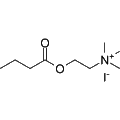
  • Butyrylcholine iodide
    Cat. No.
    A88055

    Butyrylcholine iodide

    Butyrylcholine iodide is a biochemical assay reagent that functions as a substrate for cholinesterases, facilitating the study of enzyme activity. Its hydrolysis produces butyric acid and choline, making it valuable for exploring cholinergic signaling pathways and neurochemical research. This compound is widely used in assays to evaluate the effects of inhibitors or activators on cholinesterase activity, contributing to advancements in pharmacology and neurobiology.

    100 mg
    $20.00
    250 mg
    $40.00
    All 3 sizes
  • Acetylthiocholine chloride
    Cat. No.
    A88249

    Acetylthiocholine chloride

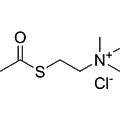
    Acetylthiocholine chloride acts as a biochemical assay reagent primarily utilized for the detection of acetylcholinesterase activity. This compound is commonly employed in various research applications, including studies on neurophysiology and the assessment of cholinergic signaling. Its ability to serve as a substrate for enzymatic reactions makes it valuable in the exploration of neurotransmitter dynamics and related pharmacological investigations.

    250 mg
    $20.00
    1 g
    $35.00
    All 4 sizes
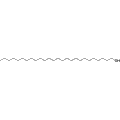
  • 1-Hexacosanol
    Cat. No.
    A89178

    1-Hexacosanol

    Synonyms: Ceryl Alcohol

    1-Hexacosanol is an inhibitor of acetylcholinesterase (AChE), primarily targeting this enzyme to modulate neurochemical activity. It exhibits larvicidal effects, demonstrating the ability to inhibit AChE activity in species such as Culex quinquefasciatus, Aedes aegypti, and Chironomus riparius. This compound is valuable for research applications in neurotoxicology and pest management studies.

    10 mg
    $20.00
    25 mg
    $25.00
    All 4 sizes
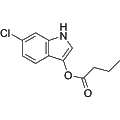
  • 6-Chloro-3-indoxyl butyrate
    Cat. No.
    A90657

    6-Chloro-3-indoxyl butyrate

    6-Chloro-3-indoxyl butyrate is a biochemical assay reagent primarily employed for the detection and quantification of butyrylcholinesterase activity. This compound serves as a chromogenic substrate, producing a measurable color change upon hydrolysis, which facilitates the assessment of enzyme kinetics in various biological samples. Its application extends to enzyme activity studies, screening for inhibitors, and research in neurobiology and toxicology.

    5 mg
    $30.00
    10 mg
    $40.00
    All 7 sizes
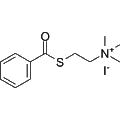
  • Benzoylthiocholine iodide
    Cat. No.
    A92448

    Benzoylthiocholine iodide

    Benzoylthiocholine iodide is a biochemical assay reagent that serves as a substrate for cholinesterase enzymes. It is predominantly used in enzyme activity assays to study physiological and pathological processes involving cholinergic signaling. The compound's ability to generate measurable products upon enzymatic hydrolysis makes it valuable for probing enzyme kinetics and screening potential enzyme inhibitors in research applications.

    Out of stock

    All 3 sizes
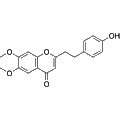
  • Qinanone G
    Cat. No.
    A95350

    Qinanone G

    Qinanone G is a derivative of 2-(2-phenylethyl)chromone, derived from the high-quality Chinese agarwood 'Qi-Nan' sourced from Aquilaria sinensis (Lour.) Glig. This compound exhibits no inhibitory activity against acetylcholinesterase (AChE) or cancer cell lines, making it a unique candidate for further exploration in pharmacological and botanical research applications. Its distinctive profile may contribute to studies focused on the bioactivity of natural products.

    1 mg
    $430.00
    5 mg
    $1,105.00
    All 3 sizes

Items 576-600 of 663

Added to your cart

View Cart Checkout

    Loading...