Calmodulin

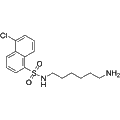
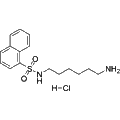
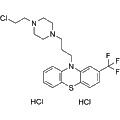
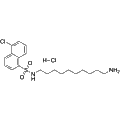
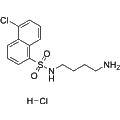
Calmodulin antagonists and inhibitors bind calmodulin, the main calcium sensor inside eukaryotic cells. Calmodulin is a small protein with four helix-loop-helix calcium-binding motifs that binds calcium ions and then regulates kinases, phosphatases, ion channels and phosphodiesterases. Its 1985 crystal structure showed two globular lobes joined by a long central helix. Naphthalenesulfonamides were among the first synthetic antagonists, and a 1981 study reported that W-7 inhibits cell proliferation. W-5 hydrochloride, an analog without the chlorine atom, binds calmodulin more weakly and often serves as a control. Fluphenazine-N-2-chloroethane hydrochloride is a phenothiazine-derived antagonist, and DY-9760e is a further calmodulin inhibitor. Calcium/calmodulin-dependent protein kinases are listed in the neighboring CaMK category.

21 Items

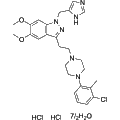
  • DY-9760e
    Cat. No.
    A25401

    DY-9760e

    DY-9760e is a selective calmodulin (CaM) inhibitor that disrupts the Ca²⁺/CaM complex, thereby inhibiting various calmodulin-dependent enzymes, including nNOS, CaM kinase II, and calcineurin (Ki values of 0.9, 1.4, and 2.0 μM, respectively). This compound effectively inhibits excessive nitric oxide production and protein tyrosine nitration, while also preventing the activation of calpain and caspase-3. DY-9760e has demonstrated potential in reducing infarct size, enhancing cardiac function, and mitigating oxidative stress and cell death, making it a valuable tool in research related to myocardial infarction, cerebral ischemia, and other related disorders.

    Out of stock

    All 3 sizes
  • W-7 hydrochloride
    Cat. No.
    A30028

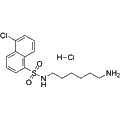
    W-7 hydrochloride

    W-7 hydrochloride is a selective calmodulin antagonist that functions by inhibiting calcium-calmodulin-dependent pathways. It effectively inhibits phosphodiesterase and myosin light chain kinase, demonstrating IC50 values of 28 μM and 51 μM, respectively. Additionally, W-7 hydrochloride induces apoptosis and exhibits antitumor and vascular relaxing properties. Furthermore, it acts as a blocker of Kv4.3, making it a valuable tool for research into arrhythmias and related cardiovascular studies.

    5 mg
    $20.00
    10 mg
    $25.00
    All 5 sizes
  • CALP1
    Cat. No.
    A31177

    CALP1

    CALP1 is a potent calmodulin (CaM) agonist that targets the EF-hand/Ca2+-binding site, exhibiting a Kd of 88 µM. This compound effectively inhibits calcium influx and apoptosis with an IC50 of 44.78 µM by blocking the opening of calcium channels. Additionally, CALP1 obstructs glutamate receptor channels and a store-operated nonselective cation channel. Its unique properties enable the activation of CaM-dependent phosphodiesterase activity, making CALP1 valuable for studies on calcium signaling and related neurobiological processes.

    1 mg
    $135.00
    5 mg
    $310.00
    All 3 sizes
  • W-7
    Cat. No.
    A31738

    W-7

    W-7 is a selective calmodulin antagonist that disrupts the functioning of Ca2+-calmodulin-dependent enzymes, specifically phosphodiesterase and myosin light chain kinase, with IC50 values of 28 μM and 51 μM, respectively. This compound is known to induce apoptosis and exhibits antitumor and vasodilatory effects. Additionally, W-7 acts as a blocker of Kv4.3, making it a valuable tool for investigating arrhythmias and related cardiovascular research applications.

    1 mg
    $50.00
    25 mg
    $1,275.00
    All 2 sizes
  • Psoralenoside
    Cat. No.
    A33859

    Psoralenoside

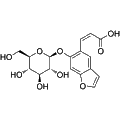
    Psoralenoside is a benzofuran glycoside that functions as a calmodulin inhibitor. It demonstrates significant binding affinity for histaminergic H1 receptors and voltage-gated L-type calcium channels, making it a valuable tool in studying calcium signaling pathways. Psoralenoside exhibits estrogen-like activity, promotes osteoblastic proliferation, and displays both antitumor and antibacterial properties, positioning it as a versatile reagent for research in cancer biology, bone metabolism, and pharmacology.

    1 mg
    $80.00
    2 mg
    $115.00
    All 7 sizes
  • Metofenazate (diethanesulfonate)
    Cat. No.
    A39760

    Metofenazate (diethanesulfonate)

    Synonyms: Methophenazine (diethanesulfonate)

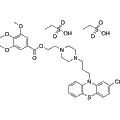
    Metofenazate (diethanesulfonate) is a selective inhibitor of calmodulin, a key calcium-binding messenger protein. It modulates calmodulin-mediated signaling pathways, making it a valuable tool for studying calcium-dependent cellular processes. This compound is widely used in research to investigate various physiological and pathological conditions associated with calmodulin activity.

    25 mg
    $1,275.00
    50 mg
    $1,625.00
    All 3 sizes
  • KS 501
    Cat. No.
    A66426

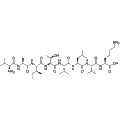
    KS 501

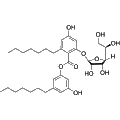
    KS 501 is a potent and selective inhibitor of calmodulin, primarily targeting calmodulin-dependent kinases I and II. By interfering with calmodulin activation, KS 501 effectively modulates downstream signaling without directly affecting cyclic adenosine 3’,5’-monophosphate (cAMP)-sensitive kinases. Its inhibitory action makes KS 501 a valuable tool for investigating the role of calmodulin in leukemia and other related biological pathways.

    25 mg
    $1,275.00
    All 1 sizes
  • W-5 hydrochloride
    Cat. No.
    A66427

    W-5 hydrochloride

    W-5 hydrochloride is a calmodulin antagonist that inhibits phosphodiesterase activation, exhibiting an IC50 value of 240 µM. This compound is commonly utilized in research to study calmodulin-related signaling pathways and serves as a negative control for comparative studies involving W-7. Its ability to interfere with calmodulin activity makes W-5 hydrochloride a valuable tool in biochemical and pharmacological investigations.

    5 mg
    $35.00
    10 mg
    $50.00
    All 6 sizes
  • Fluphenazine-N-2-chloroethane hydrochloride
    Cat. No.
    A66431

    Fluphenazine-N-2-chloroethane hydrochloride

    Synonyms: SKF-7171A hydrochloride

    Fluphenazine-N-2-chloroethane hydrochloride acts as a potent irreversible calmodulin antagonist. This compound interferes with calmodulin's ability to interact with various target proteins, thereby modulating calcium-dependent cellular processes. Fluphenazine-N-2-chloroethane hydrochloride is utilized in research investigating the role of calmodulin in signaling pathways and various physiological functions. It serves as a valuable tool in studies related to calcium signaling and its implications in disease mechanisms.

    1 mg
    $20.00
    5 mg
    $40.00
    All 6 sizes
  • A-7 hydrochloride
    Cat. No.
    A66433

    A-7 hydrochloride

    Synonyms: Ophobolin A

    A-7 hydrochloride is a calmodulin antagonist that effectively inhibits calmodulin-mediated signaling pathways. This compound has been implicated in various studies focusing on cancer research, providing insight into the role of calmodulin in tumor biology and therapeutic interventions. Its specificity and action make it a valuable tool for investigating calmodulin-related cellular processes and developing potential cancer treatments.

    2 mg
    $30.00
    5 mg
    $45.00
    All 4 sizes
  • Calmodulin antagonist-1
    Cat. No.
    A66434

    Calmodulin antagonist-1

    Calmodulin Antagonist-1 is a selective inhibitor of calmodulin (CaM), designed to hinder calmodulin-activated calcium-dependent phosphodiesterase (PDE) with an IC50 of 66 μM. This compound also exhibits competitive inhibition of trypsin-treated Ca2+-PDE, showcasing an IC50 of 560 μM in relation to cyclic GMP. Its ability to modulate calmodulin activity makes it a valuable tool for investigating calcium signaling pathways and their implications in various biological processes.

    5 mg
    $165.00
    10 mg
    $270.00
    All 2 sizes
  • CALP2
    Cat. No.
    A66437

    CALP2

    CALP2 is a calmodulin (CaM) antagonist characterized by a Kd of 7.9 µM, demonstrating strong binding to the CaM EF-hand/Ca2+-binding site. This compound effectively inhibits CaM-dependent phosphodiesterase activity, leading to increased intracellular Ca2+ concentrations. CALP2 is known to significantly suppress cell adhesion and degranulation processes, while also serving as a potent activator of alveolar macrophages, making it valuable for research in cellular signaling and immune response.

    1 mg
    $125.00
    All 1 sizes
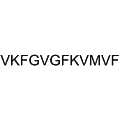
  • Acremonidin A
    Cat. No.
    A66438

    Acremonidin A

    Acremonidin A is a potent calmodulin (CaM) inhibitor derived from Purpureocillium lilacinum. It demonstrates a strong binding affinity for the human calmodulin biosensor hCaM M124C-mBBr, exhibiting a Kd value of 19.40 nM. This compound is valuable for research applications focused on elucidating the roles of calmodulin in calcium signaling pathways and its implications in various physiological processes.

    25 mg
    $1,275.00
    50 mg
    $1,625.00
    All 3 sizes
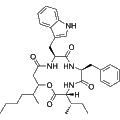
  • Beauverolide Ja
    Cat. No.
    A66439

    Beauverolide Ja

    Beauverolide Ja is a potent calmodulin (CaM) inhibitor, demonstrating a Kd of 0.078 μM and a Ki of 0.39 μM for the Ca2+-CaM complex. This cyclotetradepsipeptide, derived from the secondary metabolite of Isaria fumosorosea, is valuable for research investigating calmodulin's role in calcium signaling pathways. Its effective inhibition of calmodulin can facilitate studies into various biological processes and potential therapeutic applications.

    Out of stock

    All 3 sizes
  • RU 45144
    Cat. No.
    A66440

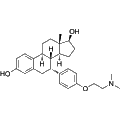
    RU 45144

    RU 45144 is a calmodulin antagonist that inhibits the binding of estrogen receptors to calmodulin. This compound exhibits anti-estrogen activity comparable to that of tamoxifen, potentially influencing its mechanism of action through specific structural side chains. RU 45144 may also be involved in anti-proliferative effects linked to its steroid skeleton. This reagent is useful for exploring estrogen receptor signaling and related pathways in cancer research and hormonal studies.

    25 mg
    $1,405.00
    50 mg
    $1,790.00
    All 3 sizes
  • Cloxacepride
    Cat. No.
    A66442

    Cloxacepride

    Cloxacepride is a potent calmodulin (CaM) antagonist that exhibits significant antiallergic properties. It demonstrates efficacy in reducing passive cutaneous anaphylaxis (PCA), making it a valuable tool for studying allergic responses and related signaling pathways. This compound is suitable for research applications focused on calcium-dependent processes and the modulation of immune responses.

    1 mg
    $40.00
    5 mg
    $90.00
    All 5 sizes
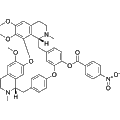
  • E6 Berbamine
    Cat. No.
    A66445

    E6 Berbamine

    Synonyms: Berbamine p-nitrobenzoate

    E6 Berbamine is a potent calmodulin (CaM) antagonist that effectively inhibits calmodulin-dependent myosin light chain kinase (MLCK) with a Ki of 0.95 μM. This compound exhibits significant anti-leukemia activity, demonstrating an IC50 value of 2.13 μM in K562 cells. E6 Berbamine serves as a valuable tool in cancer research and studies targeting CaM signaling pathways.

    5 mg
    $85.00
    10 mg
    $135.00
    All 5 sizes
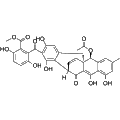
  • Fasciculic acid B
    Cat. No.
    A66446

    Fasciculic acid B

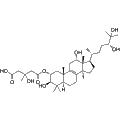
    Fasciculic acid B is a steroid that acts as a calmodulin antagonist, disrupting the calcium-dependent signaling pathways regulated by calmodulin. This compound exhibits notable anti-inflammatory properties, making it valuable for investigations into inflammation-related molecular mechanisms. Its unique biological activity positions it as a useful reagent in various research applications related to the modulation of calcium signaling and inflammatory processes.

    Out of stock

    All 3 sizes
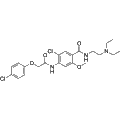
  • Elziverine
    Cat. No.
    A66448

    Elziverine

    Synonyms: Ro 22-4839

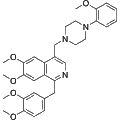
    Elziverine is a calmodulin antagonist known for its ability to improve brain circulation and exert antispasmodic effects on vasospasm. It effectively inhibits erythrocyte cell membrane rupture, platelet aggregation, and lipid peroxidation. This compound is valuable in research focused on vascular disorders, cerebrovascular conditions, and the modulation of calcium-dependent signaling pathways.

    1 mg
    $95.00
    5 mg
    $235.00
    All 7 sizes
  • Bisindolylmaleimide VII
    Cat. No.
    A66449

    Bisindolylmaleimide VII

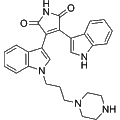
    Bisindolylmaleimide VII is a potent calmodulin inhibitor with a high binding affinity (Kd = 186.2 nM). This compound is instrumental in elucidating the role of calmodulin in various biological processes and disease states, including cancer, neurodegenerative disorders, and muscle dysfunction. Its application in research facilitates a deeper understanding of calmodulin's contribution to cellular signaling pathways and potential therapeutic interventions.

    25 mg
    $1,275.00
    50 mg
    $1,625.00
    All 3 sizes
  • Prenylamine lactate
    Cat. No.
    B21471

    Prenylamine lactate

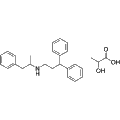
    Prenylamine lactate is a calcium-modulating protein (CaM) antagonist that effectively inhibits CaM-dependent enzymes, demonstrating the ability to induce relaxation in smooth muscle preparations. Notably, the action of Prenylamine lactate on smooth muscle is not counteracted by the calcium agonist Bay K 8644. Additionally, under conditions of lower heart rates, Prenylamine lactate has been reported to enhance voltage-dependent transmembrane calcium currents, making it a valuable tool for studying calcium signaling pathways and smooth muscle physiology.

    25 mg
    $1,275.00
    50 mg
    $1,625.00
    All 3 sizes

21 Items

Added to your cart

View Cart Checkout

    Loading...