
- Cat. No.
- A10966
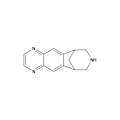
Varenicline
Synonyms: Chantix
Varenicline is a nicotinic receptor partial agonist.
In stock
View Details
Search by product name, CAS, target or catalog number. Press Down Arrow to reach product suggestions, Tab to move between links, and Escape to close suggestions.
Nicotinic acetylcholine receptor (nAChR) agonists, antagonists and modulators act on ligand-gated cation channels. Each receptor is a pentamer of subunits arranged around a central pore that opens when acetylcholine binds. A refined structure of the Torpedo receptor at 4 Å resolution, published in 2005, resolved its ligand-binding, membrane and cytoplasmic regions. Muscle-type receptors mediate neuromuscular transmission, while neuronal subtypes such as α7 and α4β2 are studied in attention, memory and nicotine dependence. Agonists include PNU 282987, which is selective for α7, and the partial agonist varenicline. PNU-120596, described in 2005, is a positive allosteric modulator of α7 that enhances acetylcholine-evoked currents. Vecuronium bromide, a neuromuscular blocking agent, acts on the muscle-type receptor.
Synonyms: Chantix
Varenicline is a nicotinic receptor partial agonist.
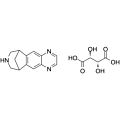
Synonyms: CP 526555-18
Varenicline Tartrate(CP 526555;Champix) is a nicotinic receptor partial agonist; it stimulates nicotine receptors more weakly than nicotine itself does.
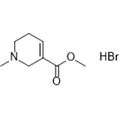
Synonyms: methyl 1,2,5,6-tetrahydro-1-methyl-3-pyridinecarboxylate hydrobromide
Arecoline hydrobromide is a partial agonist of nicotinic (nAChR) and muscarinic acetylcholine receptors (mAChR). This naturally occurring psychoactive alkaloid possesses brain-penetrant properties and is known for its stimulation, alertness enhancement, anxiolytic effects, and anti-parasitic activity. Additionally, Arecoline hydrobromide can induce oxidative stress, making it valuable for research in neuropharmacology and related fields.
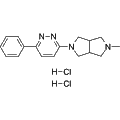
A-582941 dihydrochloride is a selective AChR a7 partial agonist. It exhibits high affinity for both rat and human a7 receptors (Ki values are 10.8 and 16.7 nM, respectively).
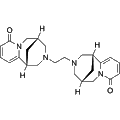
Synonyms: CC4
Thermopsidine is a selective partial agonist of the α4β2 and α6β2 nicotinic acetylcholine receptors (nAChRs), exhibiting an EC50 value of 2.2 μM for the α4β2 subtype. This compound is valuable for studying cholinergic signaling pathways and exploring potential therapeutic avenues in neurodegenerative diseases and addiction research. Its specific targeting of nAChRs makes it a useful tool for evaluating receptor function and pharmacology.
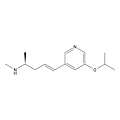
Synonyms: TC-1734; AZD-3480
Ispronicline is a neuronal nicotinic acetylcholine receptor partial agonist. Ispronicline is subtype-selective, binding primarily to the a4b2 subtype. It has antidepressant, nootropic and neuroprotective effects.
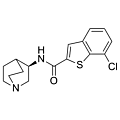
Synonyms: Encenicline
EVP-6124 is a novel partial agonist of α7 neuronal nicotinic acetylcholine receptors (nAChRs); shows selectivity for α7 nAChRs and did not activate or inhibit heteromeric α4β2 nAChRs.
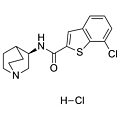
EVP-6124 hydrochloride is a novel partial agonist of α7 neuronal nicotinic acetylcholine receptors (nAChRs). EVP-6124 showed selectivity for α7 nAChRs and did not activate or inhibit heteromeric α4β2 nAChRs.
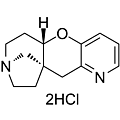
Dianicline dihydrochloride is a α4β2 nicotinic acetylcholine receptor partial agonist, a class of drugs that includes varenicline and cytisine for smoking cessation.
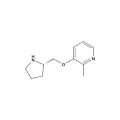
Synonyms: ABT-089
Pozanicline (ABT-089) selectively activate neuronal nicotinic acetylcholine receptor (nAChR) subtypes, is a novel cholinergic agent that is a partial agonist at α4β2 nAChRs (Ki=16 nM) and shows high selectivity for α6β2 and α4α5β2 nAChR subtypes, the binding affinity (Ki, rat) for Pozanicline to [3H] cytisine sites is 16.7 nM.
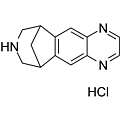
Synonyms: CP 526555 hydrochloride; CP-526555
Varenicline Hydrochloride (CP 526555 hydrochloride) is a high affinity, selective α4β2 nicotine acetylcholine receptor (nAChR) partial agonist and full α7 nAChR agonist.
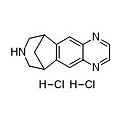
Synonyms: Varenicline 2HCl; HSDB7591; CP 526555
Varenicline is a nicotinic receptor partial agonist.
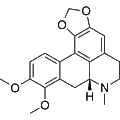
Crebanine is an isoquinoline-like alkaloid that acts as an apoptosis inducer through antagonism of the α7-nAChR, exhibiting an IC50 value of 19.1 μM. This compound suppresses cancer cell proliferation, migration, and invasion while triggering a reactive oxygen species (ROS) burst that promotes apoptosis. Additionally, Crebanine modulates critical signaling pathways including AKT/FoxO3a, NF-κB, and MAPK, and demonstrates antioxidant properties in microglia by reducing ROS and lipid peroxidation. With applications in studying hepatocellular carcinoma, cerebral ischemia, and Alzheimer's disease, Crebanine may also ameliorate cognitive deficits and ischemia-reperfusion brain damage in rodent models.
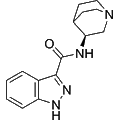
Synonyms: RG3487 free base
Facinicline (RG3487) is an orally active partial agonist of the nicotinic α7 receptor, exhibiting a Ki of 6 nM for human nAChR. This compound has been shown to enhance cognitive function and sensorimotor gating in rodent models, providing a valuable tool for research into cognitive disorders. Additionally, Facinicline hydrochloride demonstrates high affinity as an antagonist at 5-HT3 receptors with a Ki value of 1.2 nM, further broadening its potential applications in neuroscience research.
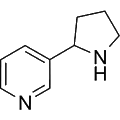
Synonyms: Nornicotine
(±)-Nornicotine is a significant metabolite of nicotine, acting as a partial agonist of nicotinic acetylcholine receptors (nAChRs) that contain α7 and α6 subunits. This compound is known to disrupt β-catenin and ZO-1 interactions while inducing depolymerization of F-actin, contributing to its biological effects. (±)-Nornicotine has been implicated in research on various conditions, including atherosclerosis, Alzheimer's disease, and schizophrenia, making it a valuable tool for studies involving neural and vascular pathophysiology.
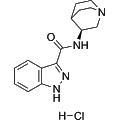
Synonyms: RG3487 hydrochloride
Facinicline hydrochloride is a selective partial agonist of the nicotinic α7 acetylcholine receptor (nAChR), exhibiting a Ki of 6 nM. This compound has demonstrated potential in enhancing cognitive function and sensorimotor gating in rodent models, making it a valuable tool for research on cognitive disorders. Additionally, Facinicline hydrochloride shows high affinity as an antagonist at the 5-HT3 receptor, with a Ki of 1.2 nM, widening its applicability in neurological and psychiatric research.
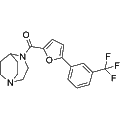
NS-6740 is a partial agonist of the α7 nicotinic acetylcholine receptor (α7 nAChR), exhibiting an IC50 of 3 nM. This compound functions as a potent modulator of the cholinergic anti-inflammatory pathway, influencing α7 signaling in an ion channel-independent manner, which ultimately reduces synaptic function. NS-6740 promotes the desensitized state of α7 nAChR and elicits substantial nAChR-mediated currents. It is effective in decreasing LPS-induced TNF-α release from microglia, making it a valuable tool for research into neuroinflammation and neuropathic pain mechanisms.
Out of stock
All 3 sizes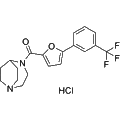
NS-6740 hydrochloride is a potent partial agonist of the α7 nicotinic acetylcholine receptor (α7 nAChR), exhibiting an IC50 of 3 nM. It functions as a modulator of the cholinergic anti-inflammatory pathway and alters α7 signaling in an ion channel-independent manner, which diminishes synaptic function and promotes receptor desensitization. NS-6740 hydrochloride has been shown to significantly reduce LPS-induced TNF-α release from microglia, making it a valuable tool in the study of neuroinflammation and neuropathic pain mechanisms.
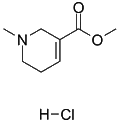
Arecoline hydrochloride is a partial agonist of nicotinic and muscarinic acetylcholine receptors (nAChR/mAChR). This psychoactive alkaloid demonstrates stimulation, increased alertness, anxiolytic effects, and possesses anti-parasitic properties. Additionally, Arecoline hydrochloride can induce oxidative stress, making it a valuable compound for research in neuropharmacology and parasitology.
Out of stock
All 3 sizes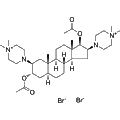
Pipecuronium bromide functions as a long-acting nondepolarizing steroidal neuromuscular blocker, acting primarily as a competitive antagonist of the nicotinic acetylcholine receptor (nAChR). With a dissociation constant (Kd) of 3.06 μM, it effectively inhibits neuromuscular transmission, making it valuable for facilitating intubation and maintaining muscle relaxation during surgical procedures. Its applications also extend to research examining neuromuscular function and pharmacological studies involving skeletal muscle.
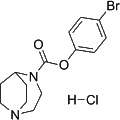
SSR180711 hydrochloride is a selective and reversible partial agonist of the α7 nicotinic acetylcholine receptors (n-AChRs). It demonstrates significant biological activity with Ki values of 22 nM and 14 nM for rat and human α7 n-AChRs, respectively. This compound enhances glutamatergic neurotransmission, acetylcholine release, and promotes long-term potentiation (LTP) in the hippocampus, making it a valuable tool for research in neuropharmacology and cognitive function studies.
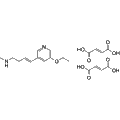
TC-2559 difumarate is a centrally active partial agonist targeting the α4β2 subtype of nicotinic acetylcholine receptors (nAChRs), with an EC50 of 0.18 μM. This compound demonstrates selectivity for α4β2 receptors over α2β4, α4β4, and α3β4 receptors, exhibiting EC50 values between 10-30 µM. TC-2559 difumarate is primarily used in research focused on antinociceptive effects and the modulation of CNS activity.
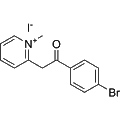
S 24795 is a partial agonist of the α7 nicotinic acetylcholine receptor (nAChR), known to enhance cognitive function. This compound is particularly relevant for research into aging-related memory disturbances, as it has demonstrated the ability to improve mnemonic performance in aged mice. Its mechanism of action provides a valuable tool for studying cholinergic signaling and its implications in neurodegenerative conditions.
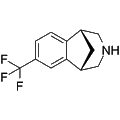
CP-601927 is a selective partial agonist of the α4β2 nicotinic acetylcholine receptor (nAChR), exhibiting a Ki value of 1.2 nM and an EC50 of 2.6 μM. This compound demonstrates effective brain penetration and possesses antidepressant-like properties, making it a valuable tool in neurological research. Its modulation of nAChR activity is relevant for studies exploring neuropsychiatric disorders and the underlying mechanisms of depression.
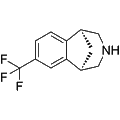
Synonyms: (1S,5R)-CP-601927
CP-601932 is a high-affinity partial agonist targeting the α3β4 nicotinic acetylcholine receptor (nAChR), with a Ki of 21 nM and an EC50 of approximately 3 μM. It exhibits comparable binding affinity at the α4β2 nAChR, while displaying significantly lower affinity for the α6 and α7 subtypes. CP-601932 is demonstrated to selectively reduce ethanol consumption and operant self-administration behaviors following prolonged exposure, suggesting its potential utility in addiction research. Furthermore, this compound effectively penetrates the central nervous system, enabling comprehensive studies of its effects on neurobiology.