Biochemical Assay Reagents

Biochemical Assay Reagents collects small molecules used to prepare, run and calibrate biochemical and cell-based assays. Vitamins and cofactors such as niacin, riboflavin and biotin sit alongside sugars, sugar alcohols and amino acids such as L-arginine. Enzyme substrates and metal-ion chelators complete the range, including the calcium chelator 1,2-bis(2-aminophenoxy)ethane-N,N,N′,N′-tetraacetic acid (BAPTA). Three subcategories group related reagents, namely Carbohydrates & Glycobiology, Acyl-CoA & Cofactors for acyl-coenzyme A (acyl-CoA) compounds, and Chelators & Bifunctional Chelators. Most of these compounds act as substrates, cofactors, standards or buffer components rather than as inhibitors of a defined target.

Items 26-50 of 465

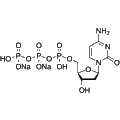
  • Deoxycytidine triphosphate disodium
    Cat. No.
    A37778

    Deoxycytidine triphosphate disodium

    Synonyms: dCTP disodium; 2′-Deoxycytidine-5′-triphosphate disodium

    Deoxycytidine triphosphate disodium is a nucleoside triphosphate that serves as a key substrate for DNA synthesis and repair. It is essential for polymerase reactions, including DNA replication and amplification. dCTP is widely used in molecular biology applications such as PCR, cloning, and genomic studies, facilitating the incorporation of cytosine residues into newly synthesized DNA strands. Its role in maintaining genomic integrity makes it a vital reagent in various biochemical assays and research endeavors.

    2 mg
    $25.00
    5 mg
    $35.00
    All 6 sizes
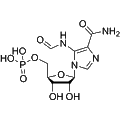
  • FAICAR
    Cat. No.
    A37795

    FAICAR

    Synonyms: 5-Formamidoimidazole-4-carboxamide ribotide

    FAICAR (5-Formamidoimidazole-4-carboxamide ribotide) is a purine nucleotide and the substrate for IMP cyclohydrolase in Cryptococcus neoformans ATIC. It serves as a crucial intermediate in the de novo purine synthesis pathway. FAICAR is relevant for research focused on Cryptococcus neoformans infections and can aid in understanding purine metabolism and its implications in pathogenicity.

    1 mg
    $680.00
    All 1 sizes
  • dUTP trisodium
    Cat. No.
    A37833

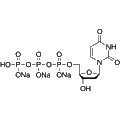
    dUTP trisodium

    Synonyms: 2'-Deoxyuridine-5'-triphosphate trisodium salt

    dUTP trisodium, the salt form of 2'-Deoxyuridine 5'-Triphosphate, serves as a crucial substrate for polymerase chain reaction (PCR) applications. As a metabolic intermediate in both prokaryotic and eukaryotic organisms, dUTP can effectively substitute for dTTP, yielding uracil-containing PCR products suitable for a variety of research applications. Additionally, dUTP has been shown to inhibit Cytidine Aminohydrolase activity from sheep liver, highlighting its potential utility in enzymatic studies.

    5 mg
    $30.00
    10 mg
    $45.00
    All 6 sizes
  • dGTP
    Cat. No.
    A37834

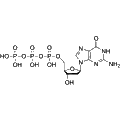
    dGTP

    Synonyms: 2'-Deoxyguanosine-5'-triphosphate

    dGTP (2'-Deoxyguanosine-5'-triphosphate) functions as a crucial precursor for DNA synthesis and acts as a direct substrate in DNA replication and repair processes. Given its role in the nucleotide pool, dGTP can be particularly vulnerable to oxidative stress, leading to its oxidation and the formation of 8-oxo-dGTP in the presence of reactive oxygen species. This compound is essential for various research applications, including studies on DNA polymerase activity and the mechanisms of DNA damage and repair.

    1 mg
    $120.00
    5 mg
    $275.00
    All 7 sizes
  • 5-BrdUTP sodium salt
    Cat. No.
    A37974

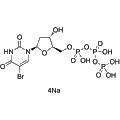
    5-BrdUTP sodium salt

    Synonyms: 5-Bromo-2'-deoxyuridine 5'-triphosphate sodium salt

    5-BrdUTP sodium salt is a thymidine analog that serves as a substrate for terminal deoxynucleotidyl transferase (TdT). It is primarily utilized for labeling DNA double-strand breaks in various research applications, including studies on DNA damage response and repair mechanisms. Its incorporation into DNA allows for the detection and analysis of lesions, facilitating investigations into genomic stability and cellular responses to DNA damage.

    1 mg
    $280.00
    All 1 sizes
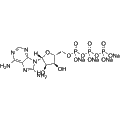
  • 8-NH2-ATP tetrasodium
    Cat. No.
    A38077

    8-NH2-ATP tetrasodium

    Synonyms: 8-Aminoadenosine-5'-O-triphosphate tetrasodium

    8-NH2-ATP tetrasodium is an analog of adenosine triphosphate (ATP) that serves as a crucial substrate in DNA and RNA synthesis. This compound can facilitate the incorporation of adenine in nucleic acid formation while also impacting cellular pathways, notably inducing apoptosis-related cleavage of poly (ADP-ribose) polymerase. It is valuable in various research applications, including studies on nucleotide metabolism and the investigation of apoptotic mechanisms.

    Out of stock

    All 3 sizes
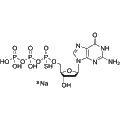
  • dGTPαS sodium
    Cat. No.
    A38226

    dGTPαS sodium

    Synonyms: 2'-Deoxyguanosine-5'-O-(α-thio)triphosphate sodium

    dGTPαS sodium is a modified deoxyguanosine triphosphate (dNTP) that serves as a substrate for DNA polymerases, incorporating into DNA strands during replication processes. This compound facilitates pyrophosphate cleavage, leading to the generation of fluorescence, which can be employed in various molecular biology applications. It is particularly useful in gene synthesis, sequencing, and other studies involving nucleic acid detection and analysis.

    Out of stock

    All 3 sizes
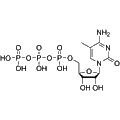
  • 5-Methylcytidine 5′-triphosphate
    Cat. No.
    A38324

    5-Methylcytidine 5′-triphosphate

    Synonyms: 5-Methyl-CTP

    5-Methylcytidine 5′-triphosphate (5-Methyl-CTP) is a modified nucleoside triphosphate that functions as a substrate for RNA synthesis. Its incorporation into mRNA enhances translational efficiency and stability while diminishing innate immune responses in human and other mammalian cells. This compound is valuable in research applications involving mRNA modification, gene expression studies, and the development of RNA-based therapeutics.

    Out of stock

    All 3 sizes
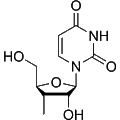
  • 3′-Deoxy-3′-methyluridine
    Cat. No.
    A38399

    3′-Deoxy-3′-methyluridine

    3′-Deoxy-3′-methyluridine is a nucleoside derivative that serves as a substrate for the inhibition of RNA-dependent RNA polymerases. This compound is crucial in the development of antiviral agents targeted at RNA viruses. Its biological activity facilitates research into the mechanisms of viral replication and the design of therapeutic strategies against viral infections.

    Out of stock

    All 3 sizes
  • dTTPαS sodium
    Cat. No.
    A38405

    dTTPαS sodium

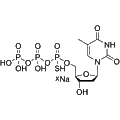
    dTTPαS sodium is a modified deoxythymidine triphosphate (dNTP) that functions as a substrate for DNA polymerases, enabling the incorporation of thiol-modified nucleotides into DNA strands. This reagent exhibits unique fluorescence properties upon the release of pyrophosphate, which can be harnessed in various applications such as gene synthesis and DNA sequencing. Its specialized features make it a valuable tool for researchers in the fields of molecular biology and genetic engineering.

    Out of stock

    All 3 sizes
  • 2'-O-MOE-5-Me-C(Bz)
    Cat. No.
    A38528

    2'-O-MOE-5-Me-C(Bz)

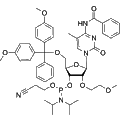
    2'-O-MOE-5-Me-C(Bz) is a nucleotide analog that serves as a substrate for oligonucleotide synthesis. This compound features a 2'-O-methoxyethyl modification, enhancing stability and cellular uptake while maintaining biological activity. It is widely utilized in research applications involving gene manipulation, RNA interference, and the development of therapeutic oligonucleotides.

    50 mg
    $25.00
    100 mg
    $30.00
    All 5 sizes
  • Biotin-16-dCTP
    Cat. No.
    A38560

    Biotin-16-dCTP

    Biotin-16-dCTP is a biotinylated deoxycytidine triphosphate designed as a crucial substrate for DNA labeling. It can be enzymatically incorporated into the 3' end of DNA probes using terminal deoxynucleotidyl transferase, facilitating the biotinylation of probes and enhancing chemiluminescent detection of low-abundance targets such as specific tRNA isoacceptors in Northern blotting assays. Additionally, Biotin-16-dCTP can substitute conventional dCTP in the synthesis of single-stranded DNA via asymmetric polymerase chain reaction, enabling applications in bioconjugation and pull-down assays. Care should be taken to avoid repeated freeze-thaw cycles to maintain its efficacy for probe biotinylation.

    1 mg
    $1,195.00
    5 mg
    $3,065.00
    All 3 sizes
  • dTPT3TP
    Cat. No.
    A38711

    dTPT3TP

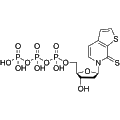
    dTPT3TP is a non-natural nucleoside triphosphate that serves as a substrate for terminal deoxynucleotidyl transferase (TdT). This reagent facilitates the extension of single-stranded DNA (ssDNA) primers, enabling advanced applications in nucleic acid research, including DNA synthesis and modification studies. Its unique structure allows for exploration of synthetic biology and genetic engineering techniques.

    Out of stock

    All 3 sizes
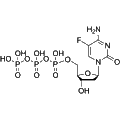
  • 5-fluoro-dCTP
    Cat. No.
    A38715

    5-fluoro-dCTP

    Synonyms: 5-Fluoro-2′-deoxycytidine 5′-triphosphate

    5-fluoro-dCTP is a fluorinated pyrimidine deoxynucleoside triphosphate (dNTP) that serves as a substrate for the incorporation of fluorine modifications into targeted DNA sequences. This compound is utilized in primer extension (PEX) reactions catalyzed by Pwo polymerase, enabling the study of DNA structure and function as well as the development of novel biophysical tools. Its unique properties make it valuable for applications in molecular biology, genomics, and biochemistry research.

    Out of stock

    All 3 sizes
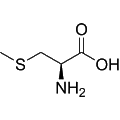
  • S-Methyl-L-cysteine
    Cat. No.
    A38835

    S-Methyl-L-cysteine

    Synonyms: L-S-Methylcysteine

    S-Methyl-L-cysteine serves as a substrate for methionine sulfoxide reductase A (MSRA), playing a crucial role in the enzymatic antioxidant system. This compound exhibits notable antioxidative properties, in addition to providing neuroprotective and anti-obesity effects. It is valuable for research applications exploring oxidative stress, neurodegenerative diseases, and metabolic disorders.

    1 g
    $25.00
    2 g
    $30.00
    All 5 sizes
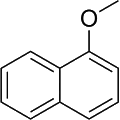
  • 1-Methoxynaphthalene
    Cat. No.
    A39004

    1-Methoxynaphthalene

    1-Methoxynaphthalene acts as a substrate for the investigation of cytochrome c peroxidase (CcP) activity, facilitating studies on reactive oxygen species (ROS) metabolism. This compound’s utility extends to the synthesis of prenyl naphthalen-ols, making it valuable for various chemical and biological research applications. Its role in ROS-related pathways positions it as a crucial reagent for studies in oxidative stress and related cellular processes.

    10 g
    $20.00
    25 g
    $25.00
    All 6 sizes
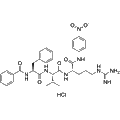
  • S2160 hydrochloride
    Cat. No.
    A39829

    S2160 hydrochloride

    Synonyms: Bz-Phe-Val-Arg-pNA hydrochloride

    S2160 hydrochloride is a selective substrate for Cathepsin B, primarily used in calorimetric assays to quantify the enzymatic activity of this protease. This reagent facilitates the study of Cathepsin B's role in various biological processes and disease states, making it essential for researchers investigating proteolytic pathways and related therapeutic targets.

    1 mg
    $210.00
    5 mg
    $540.00
    All 2 sizes
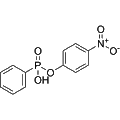
  • 4-Nitrophenyl phenylphosphonate
    Cat. No.
    A41923

    4-Nitrophenyl phenylphosphonate

    4-Nitrophenyl phenylphosphonate serves as a substrate for 5'-nucleotide phosphodiesterase, facilitating the study of enzyme kinetics and mechanisms. This compound is useful in research applications involving nucleic acid metabolism and phosphodiester bond hydrolysis. Its ability to release 4-nitrophenol upon cleavage enables colorimetric detection methods, making it a valuable tool in biochemical assays.

    50 mg
    $25.00
    100 mg
    $35.00
    All 5 sizes
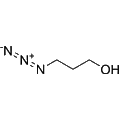
  • 3-Azidopropanol
    Cat. No.
    A42643

    3-Azidopropanol

    3-Azidopropanol is an azide-containing alcohol utilized as a substrate in click chemistry reactions. It facilitates Cu-catalyzed addition reactions with propargyl alcohol, making it a valuable tool in bioconjugation and labeling strategies. This reagent is essential for applications in biochemical assays, enabling the study of biomolecular interactions and the development of targeted therapeutics.

    100 mg
    $40.00
    250 mg
    $85.00
    All 4 sizes
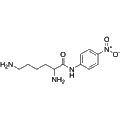
  • Lysine 4-nitroanilide
    Cat. No.
    A43573

    Lysine 4-nitroanilide

    Lysine 4-nitroanilide is a substrate for dipeptidyl peptidase (DPP), specifically utilized in enzymatic assays to evaluate DPP-3 activity. This compound serves as a valuable tool in enzymology research, enabling the study of various biological processes involving peptide metabolism and processing. Its specificity for arylamidase activity makes it an essential reagent for investigating enzymatic functions and kinetics.

    Out of stock

    All 3 sizes
  • Biotin-16-UTP
    Cat. No.
    A43836

    Biotin-16-UTP

    Synonyms: Biotin-16-UTP tetralithium

    Biotin-16-UTP is an active substrate for RNA polymerase, serving as a key component in in vitro transcription reactions. This nucleotide analog can effectively replace UTP, facilitating the incorporation of biotin during RNA synthesis. Its ability to label RNA makes it valuable in applications such as RNA detection, analysis, and purification in molecular biology research.

    Out of stock

    All 3 sizes
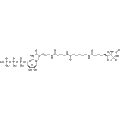
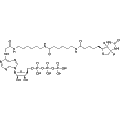
  • Bio-17-ATP
    Cat. No.
    A44360

    Bio-17-ATP

    Bio-17-ATP is a synthetic nucleotide analog that serves as a substrate for AMPylation assays. Its structural features enable the incorporation of adenosine monophosphate into target proteins, facilitating studies on enzyme activity and signaling pathways. This reagent is valuable for research applications in cell biology, protein interactions, and post-translational modifications.

    Out of stock

    All 3 sizes
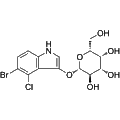
  • X-GAL
    Cat. No.
    A44459

    X-GAL

    Synonyms: BCIG

    X-GAL is a chromogenic substrate for β-galactosidase that serves as a vital tool in molecular biology. Upon enzymatic cleavage by β-galactosidase, X-GAL is converted from a colorless state to a blue, insoluble product, facilitating the identification of recombinant bacterial colonies in blue-white screening applications. Additionally, X-GAL is utilized for quantifying β-galactosidase activity, making it an essential reagent in various cloning and gene expression studies.

    200 mg
    $25.00
    500 mg
    $45.00
    All 4 sizes
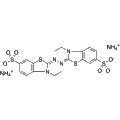
  • ABTS diammonium salt
    Cat. No.
    A44461

    ABTS diammonium salt

    Synonyms: AzBTS-(NH4)2

    ABTS diammonium salt is a highly effective substrate for horseradish peroxidase (HRP) conjugates. This compound is widely utilized in various biochemical assays to determine antioxidant capacity, facilitating research in oxidative stress and related biological processes. Its sensitivity and specificity make it a valuable tool for studies involving enzyme activity and antioxidant assessments.

    500 mg
    $25.00
    1 g
    $35.00
    All 3 sizes
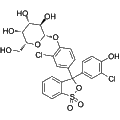
  • Chlorophenol red-β-D-galactopyranoside
    Cat. No.
    A44473

    Chlorophenol red-β-D-galactopyranoside

    Synonyms: CPRG

    Chlorophenol red-β-D-galactopyranoside is a specific chromogenic substrate for β-galactosidase, facilitating quantitative colorimetric assays. Initially appearing pale yellow, it undergoes hydrolysis by β-galactosidase to release chlorophenol red, resulting in a color shift to purple-red in alkaline or neutral pH environments. This chromatic change can be accurately measured at wavelengths of 540-572 nm using visible spectrophotometry, making it a valuable tool in various research applications involving β-galactosidase activity.

    5 mg
    $40.00
    10 mg
    $65.00
    All 7 sizes

Items 26-50 of 465

Added to your cart

View Cart Checkout

    Loading...