
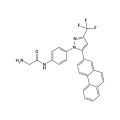
- Cat. No.
- A10681
OSU-03012
OSU-03012 is a novel celecoxib derivative, without cyclooxygenase-2 inhibitory activity, capable of inducing apoptosis in various cancer cells types.
Search by product name, CAS, target or catalog number. Press Down Arrow to reach product suggestions, Tab to move between links, and Escape to close suggestions.
PDK1 inhibitors act on 3-phosphoinositide-dependent protein kinase 1 (PDK1), an upstream growth-signaling kinase. PDK1 was characterized as the kinase that phosphorylates and activates protein kinase B (AKT) once phosphoinositide lipids accumulate at the membrane. It also phosphorylates the activation loop of related kinases in the protein kinase A, G and C (AGC) group, including p70 S6 kinase and protein kinase C isoforms. Listed inhibitors include GSK 2334470 and OSU-03012, while BX-795 and BX-912 also block other kinases. PHT-427 targets both AKT and PDK1, and PS 48 is a PDK1 activator used to study the opposite effect.
OSU-03012 is a novel celecoxib derivative, without cyclooxygenase-2 inhibitory activity, capable of inducing apoptosis in various cancer cells types.
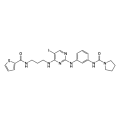
BX-795 is a potent PDK1 inhibitor that blocks PDK1/Akt signaling in tumor cells and inhibits the anchorage-dependent growth of a variety of tumor cell lines in culture or induced apoptosis.
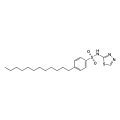
PHT-427 is a novel Akt/phosphatidylinositide-dependent protein kinase 1 pleckstrin homology domain inhibitor.
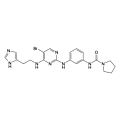
BX-912 is an inhibitor of 3-Phosphoinositide-dependent Kinase-1 (PDK1).
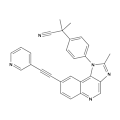
NVP-BAG956 acts as a potent, reversible, and ATP-competitive PI 3-K/PDK1 dual kinase inhibitor, displaying much reduced potency against VEGFR1 (IC50 = 2.56 uM) and little or no activity toward a panel of 15 other kinases (IC50 >10 uM).
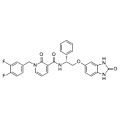
Synonyms: PDK1 inhibitor
PDK1 inhibitor is a potent and selective inhibitor of PDK1 with potential as anticancer agent.
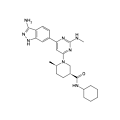
GSK 2334470 is a potent 3-phosphoinositide-dependent protein kinase (PDK1) inhibitor (IC50 ~ 10 nM).
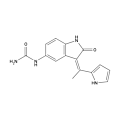
BX-517 is a potent and selective inhibitor of PDK1 that binds to the ATP binding pocket of the protein (IC50 = 6 nM).
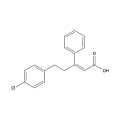
PS 48 is an allosteric phosphoinositide-dependent protein kinase-1 (PDK1) activator (Kd = 10.3 μM).
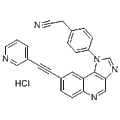
PDK1 inhibitor, potent, ATP-competitive and selective dual PI3K and PDPK1 inhibitor (IC50 values 34 nM and 94 nM for PDK1 and p-T308-PKB inhibition, respectively.
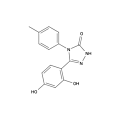
KPLH1130 is a specific pyruvate dehydrogenase kinase (PDK) inhibitor, blocks macrophage polarization and attenuates proinflammatory responses. KPLH1130 improves glucose tolerance in HFD-fed mice.

VER-246608 is a potent and ATP-competitive inhibitor of pyruvate dehydrogenase kinase (PDK) with IC50s of 35 nM, 40 nM, 84 nM, and 91 nM for PDK-1, PDK-3, PDK-2, and PDK-4, respectively.
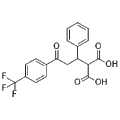
PS210 is a substrate-selective protein kinase PDK1 inhibitor that acts by binding to the PIF-pocket allosteric docking site.
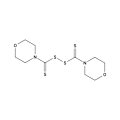
JX06 is a potent, selective and covalent inhibitor of PDK. JX06 inhibits PDK1, PDK2 and PDK3 with IC50s of 49 nM, 101 nM, and 313 nM, respectively.
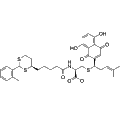
PKM2/PDK1-IN-1 is a dual inhibitor targeting pyruvate kinase M2 (PKM2) and pyruvate dehydrogenase kinase 1 (PDK1). It demonstrates significant biological activity by inhibiting the proliferation of non-small cell lung cancer (NSCLC) cells and inducing apoptosis. This compound promotes intercellular reactive oxygen species (ROS) production and modulates apoptotic proteins, engaging both mitochondrial and death receptor pathways in cancer cell death. Its unique mechanism makes it a valuable tool for research in cancer biology and therapeutic development.
Out of stock
All 3 sizes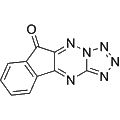
PDK1/Akt/Flt dual pathway inhibitor selectively targets the PDK1/Akt/Flt signaling pathways, crucial for cell survival and proliferation. This compound demonstrates significant inhibitory activity, making it a valuable tool for research in cancer biology and therapeutic development. It can be utilized to explore the roles of these pathways in oncogenesis and to assess potential therapeutic strategies against malignancies driven by aberrant PDK1/Akt/Flt signaling.
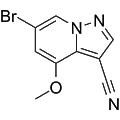
PDK1-IN-1 is a selective inhibitor of PDK1, which plays a crucial role in cellular signaling pathways related to growth and survival. Additionally, it exhibits inhibitory effects on other kinases, including FGFR3, NTRK3, RP-S6K, and WEE1, as well as microtubule affinity regulating kinase (MARK). This compound is valuable for research applications in the study of myeloproliferative disorders, cancer, and neurodegenerative diseases such as Alzheimer's disease.
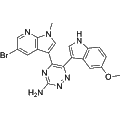
PDK-IN-1 is a selective inhibitor of pyruvate dehydrogenase kinase (PDK), exerting potent inhibitory effects with IC50 values of 0.03 μM for PDK1 and 0.1 μM for HSP90. By targeting the PDH/PDK axis, PDK-IN-1 effectively reduces tumor mass, making it a valuable tool in cancer research. This compound is suitable for studies focusing on metabolic regulation and therapeutic strategies for malignancies.
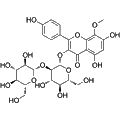
Sexangularetin 3-sophoroside is an activator of PDK1 and Akt phosphorylation pathways, demonstrating significant neuroprotective effects. This compound restores levels of phosphorylated GSK-3β protein and functions as a reactive oxygen species (ROS) inhibitor. Additionally, it modulates the expression of superoxide dismutase 1 and catalase mRNA, making it a valuable tool for research related to neurodegenerative conditions such as Parkinson’s disease.
Out of stock
All 3 sizes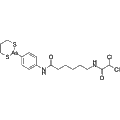
PDK-IN-2 is a selective inhibitor of pyruvate dehydrogenase kinases (PDK1 and PDK4), with an IC50 value of 68 nM. This compound modulates cellular energy metabolism by enhancing mitochondrial bioenergetics and reducing glycolytic activity, which leads to the induction of apoptosis via the mitochondrial pathway. PDK-IN-2 has demonstrated anti-tumor efficacy in a 4T1 syngeneic mouse model, making it a valuable tool for exploring metabolic regulation and therapeutic strategies in cancer research.
Out of stock
All 3 sizes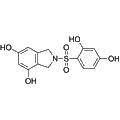
PS10 is a potent ATP-competitive inhibitor of pyruvate dehydrogenase kinase (PDK), demonstrating effective inhibition across all PDK isoforms with IC50 values of 0.8 μM for PDK2, 0.76 μM for PDK4, 2.1 μM for PDK1, and 21.3 μM for PDK3. This compound exhibits a higher affinity for PDK2 (Kd = 239 nM) compared to Hsp90 (Kd = 47 μM). PS10 has been shown to enhance glucose tolerance and stimulate myocardial carbohydrate oxidation in models of diet-induced obesity, making it a valuable tool for researching diabetic cardiomyopathy.
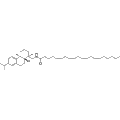
Arachidonic acid leelamide is a selective pyruvate dehydrogenase kinase (PDK) inhibitor. This compound plays a critical role in metabolic regulation and has demonstrated potential in the study of breast cancer. Its ability to modulate PDK activity makes it a valuable tool for investigating metabolic adaptations in cancer research.
Out of stock
All 3 sizes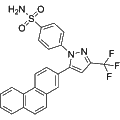
OSU-02067 is a selective inhibitor of 3-phosphoinositide-dependent protein kinase-1 (PDK-1), with an IC50 value of 9 μM. This compound demonstrates potential for the investigation of solid tumors, including prostate, breast, and colorectal cancers. Its ability to target PDK-1 makes it a valuable tool for elucidating the role of this kinase in cancer biology and therapeutic resistance.
Out of stock
All 3 sizes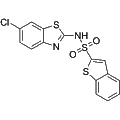
PDK1-IN-RS2 is a selective inhibitor of 3-phosphoinositide-dependent protein kinase-1 (PDK1), exhibiting a Kd of 9 μM. It effectively suppresses the activation of downstream kinases, particularly S6K1, by targeting PDK1's peptide docking site. This compound is valuable for research applications investigating PDK1-mediated signaling pathways and their implications in cellular processes such as growth and metabolism.
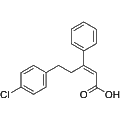
PS47 is an inactive E-isomer of the PDK1 activator PS48. As a negative control, PS47 is particularly useful in experiments designed to investigate the biochemical pathways mediated by PDK1 activation. This compound serves as a tool to delineate the effects of PDK1 modulators in various cellular contexts, allowing for a clearer understanding of PDK1's role in signaling and metabolic processes.