Proteasome

Proteasome inhibitors block the 26S proteasome, the protease complex that degrades ubiquitin-tagged proteins. Its 20S core carries caspase-like, trypsin-like and chymotrypsin-like active sites on β subunits with an N-terminal threonine. In 1994, peptide aldehydes including MG-132 were shown to block degradation of most cell proteins. The same inhibitors prevented generation of peptides for major histocompatibility complex (MHC) class I molecules. Lactacystin, a Streptomyces metabolite, modifies the catalytic threonine of specific subunits. Later chemotypes include the boronates bortezomib and ixazomib and the epoxyketones carfilzomib and epoxomicin, which bind irreversibly. ONX-0914 prefers low molecular mass polypeptide 7 (LMP7), a subunit of the immunoproteasome.

Items 151-152 of 152

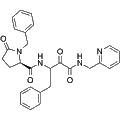
  • Chymase-IN-2
    Cat. No.
    A77384

    Chymase-IN-2

    Chymase-IN-2 is a potent proteasome inhibitor that selectively modulates chymase activity. It exhibits significant efficacy in addressing inflammatory responses and disorders associated with serine protease activity. This compound is valuable for research aimed at understanding protease-mediated pathways and their implications in various diseases.

    25 mg
    $1,275.00
    50 mg
    $1,625.00
    All 3 sizes
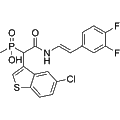
  • Neurodegenerative Disorder-Targeting Compound 1
    Cat. No.
    A77385

    Neurodegenerative Disorder-Targeting Compound 1

    Neurodegenerative Disorder-Targeting Compound 1 is a proteasome inhibitor that selectively targets calpain activity. This compound is designed to modulate cellular protein turnover, making it a valuable tool for studying the mechanisms of neurodegeneration. Its application spans various research areas, including the investigation of proteolytic pathways in neurodegenerative disorders and the exploration of therapeutic interventions aimed at enhancing neuronal survival.

    25 mg
    $1,275.00
    50 mg
    $1,625.00
    All 3 sizes

Items 151-152 of 152

Added to your cart

View Cart Checkout

    Loading...