Proteasome

Proteasome inhibitors block the 26S proteasome, the protease complex that degrades ubiquitin-tagged proteins. Its 20S core carries caspase-like, trypsin-like and chymotrypsin-like active sites on β subunits with an N-terminal threonine. In 1994, peptide aldehydes including MG-132 were shown to block degradation of most cell proteins. The same inhibitors prevented generation of peptides for major histocompatibility complex (MHC) class I molecules. Lactacystin, a Streptomyces metabolite, modifies the catalytic threonine of specific subunits. Later chemotypes include the boronates bortezomib and ixazomib and the epoxyketones carfilzomib and epoxomicin, which bind irreversibly. ONX-0914 prefers low molecular mass polypeptide 7 (LMP7), a subunit of the immunoproteasome.

Items 101-125 of 152

  • Calpain substrate
    Cat. No.
    A77331

    Calpain substrate

    Calpain substrate is a fluorogenic substrate specifically designed for the assessment of calpain enzymatic activity. It is membrane non-permeable, ensuring precise measurement of calpain activity in biological samples. This reagent is suitable for applications in cellular signaling research and studies investigating calpain's role in various physiological and pathological processes.

    1 mg
    $105.00
    5 mg
    $260.00
    All 4 sizes
  • 20S Proteasome-IN-2
    Cat. No.
    A77332

    20S Proteasome-IN-2

    20S Proteasome-IN-2 is a selective inhibitor of the human 20S proteasome, specifically targeting the β5 subunit with an IC50 of 0.18 μM. This compound exhibits significant anti-proliferative effects in both in vitro and in vivo models, effectively inducing cell cycle arrest at the G2/M phase. It serves as a valuable tool for research focused on cancer biology and the mechanisms of proteasome function.

    Out of stock

    All 3 sizes
  • Suc-Ala-Ala-Pro-Phe-SBzl
    Cat. No.
    A77333

    Suc-Ala-Ala-Pro-Phe-SBzl

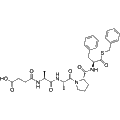
    Suc-Ala-Ala-Pro-Phe-SBzl is a synthetic peptide substrate targeting rat intestinal mast cell proteases RMCP I and RMCP II, as well as chymotrypsin. It serves as a useful tool for investigating proteolytic activity in biochemical assays. Additionally, Suc-Ala-Ala-Pro-Phe-SBzl can be hydrolyzed by glycine (R208G), facilitating studies on enzyme specificity and catalytic mechanisms. This substrate is valuable in researching mast cell biology and protease functions.

    Out of stock

    All 3 sizes
  • Proteasome-activating peptide 1
    Cat. No.
    A77334

    Proteasome-activating peptide 1

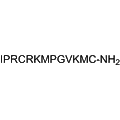
    Proteasome-activating peptide 1 is a peptide that enhances chymotrypsin-like activity of the proteasome, thereby increasing proteolytic rates in vitro and in cellular cultures. This compound plays a significant role in preventing protein aggregation, demonstrated in cellular models of amyotrophic lateral sclerosis. Its ability to modulate proteasomal activity makes it a valuable tool for research into neurodegenerative diseases and protein homeostasis.

    Out of stock

    All 3 sizes
  • RC-106
    Cat. No.
    A77335

    RC-106

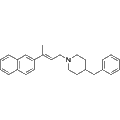
    RC-106 is a potent proteasome inhibitor, exhibiting an IC50 of 35 μM, and functions as a sigma receptor modulator. This compound demonstrates significant antiproliferative effects on various cancer cell lines, including glioblastoma and multiple myeloma. Its dual mechanism of action makes RC-106 a valuable reagent for research in cancer biology and therapeutic development.

    Out of stock

    All 3 sizes
  • LMP7-IN-1
    Cat. No.
    A77336

    LMP7-IN-1

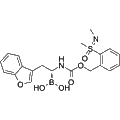
    LMP7-IN-1 is a selective inhibitor targeting the immunoproteasome subunit LMP7 (β5i), with an IC50 of 1.83 nM. This boronic acid derivative demonstrates potent inhibition, making it an invaluable tool for research into protein degradation and immune response modulation. LMP7-IN-1 is applicable in studies focused on autoimmune diseases, cancer, and other conditions where immunoproteasome activity can impact cellular function and pathology.

    Out of stock

    All 3 sizes
  • BC-05
    Cat. No.
    A77337

    BC-05

    BC-05 is a potent inhibitor of CD13 and the 20S proteasome, exhibiting an IC50 of 0.13 μM for human CD13 and 1.39 μM for the proteasome. This compound is orally active and serves as a valuable tool in the investigation of multiple myeloma and related hematological malignancies. Its dual-targeting mechanism makes BC-05 a significant reagent for elucidating pathways involved in cancer progression and therapeutic resistance.

    5 mg
    $1,155.00
    10 mg
    $1,225.00
    All 5 sizes
  • Leptosphaerodione
    Cat. No.
    A77338

    Leptosphaerodione

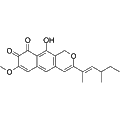
    Leptosphaerodione is a potent inhibitor of the ubiquitin-proteasome system (UPS), isolated from the fungus Remotididymella sp. This compound exhibits significant cytotoxic effects in HeLa cells, with an IC50 value of 3.2 μM. Leptosphaerodione serves as a valuable tool for research applications related to cancer biology and the development of anti-tumor strategies.

    Out of stock

    All 3 sizes
  • Tyropeptin A-4
    Cat. No.
    A77339

    Tyropeptin A-4

    Synonyms: TP-101

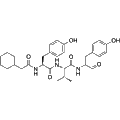
    Tyropeptin A-4 is a potent proteasome inhibitor that specifically targets the mammalian 20S proteasome. It exerts its inhibitory effect by binding to the site responsible for trypsin-like activity, which is critical for protein degradation. This compound is valuable for research applications studying cellular processes involving proteasome activity and protein turnover, as well as potential therapeutic strategies for diseases related to proteasome dysfunction.

    25 mg
    $1,655.00
    50 mg
    $2,115.00
    All 3 sizes
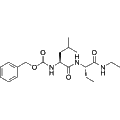
  • Calpain Inhibitor XI
    Cat. No.
    A77340

    Calpain Inhibitor XI

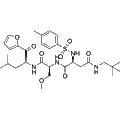
    Calpain Inhibitor XI is a reversible covalent inhibitor targeting calpain-1. This compound demonstrates significant inhibitory effects on calpain-1 activity, making it a valuable tool for studying neurodegenerative disorders and associated cellular pathways. Researchers can utilize Calpain Inhibitor XI to investigate the role of calpain-1 in various physiological and pathological processes.

    25 mg
    $1,275.00
    50 mg
    $1,625.00
    All 3 sizes
  • FV-162
    Cat. No.
    A77341

    FV-162

    FV-162 is a potent, orally active, and irreversible proteasome inhibitor that demonstrates significant cytotoxicity in human myeloma cell lines and primary myeloma cells. This compound effectively inhibits tumor growth in myeloma xenograft mouse models, making it a valuable tool for cancer research. FV-162 is specifically applicable in the investigation of multiple myeloma and related therapeutic strategies.

    Out of stock

    All 3 sizes
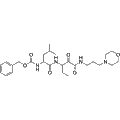
  • AK 275
    Cat. No.
    A77343

    AK 275

    AK 275 is a potent calpain inhibitor that demonstrates neuroprotective activity. Its mechanism of action involves the inhibition of calpain-mediated proteolysis, making it a valuable tool for investigating central nervous system trauma and ischemia. Researchers can utilize AK 275 to explore its therapeutic potential and underlying pathways in neurodegenerative conditions.

    25 mg
    $1,275.00
    50 mg
    $1,625.00
    All 3 sizes
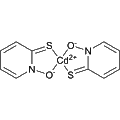
  • Cadmium pyrithione
    Cat. No.
    A77344

    Cadmium pyrithione

    Cadmium pyrithione is a metal compound that serves as a potent proteasome inhibitor, specifically targeting protein deubiquitinase activity. Its application leads to significant accumulation of ubiquitinated proteins in cancer and primary leukemia cells, contributing to its anticancer effects. By prominently inhibiting deubiquitinase activities, such as USP14 and UCHL5, Cadmium pyrithione induces apoptosis via caspase activation, while showing a lesser impact on 20S proteasome activity. Additionally, its suppression of proteasome function has been demonstrated to impede tumor growth in animal xenograft models, highlighting its potential for cancer research.

    25 mg
    $1,275.00
    50 mg
    $1,625.00
    All 3 sizes
  • TCL1
    Cat. No.
    A77345

    TCL1

    TCL1 is a selective non-covalent inhibitor that targets the Pru domain of the Rpn-13 subunit within the 19S regulatory particle (19S RP) of the proteasome, exhibiting an IC50 of approximately 26 μM. By disrupting the recognition and transport of ubiquitinated proteins, TCL1 inhibits proteasomal degradation, thereby influencing intracellular protein metabolism. This compound shows significant potential for studying hematological malignancies and related therapeutic strategies.

    25 mg
    $290.00
    50 mg
    $425.00
    All 4 sizes
  • ZINC09518833
    Cat. No.
    A77346

    ZINC09518833

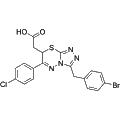
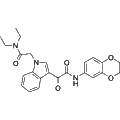
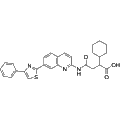
    ZINC09518833 is an α-ketoamide nonpeptidic proteasome inhibitor that demonstrates effective binding to both primed and nonprimed sites of the proteasome, with an IC50 value of 12.4 μM. This compound exhibits significant biological activity relevant to the treatment of multiple myeloma (MM), making it a valuable tool for research in cancer biology and therapeutic development. Its mechanism of action provides insights into proteasomal degradation pathways and their role in oncogenesis.

    25 mg
    $1,275.00
    50 mg
    $1,625.00
    All 3 sizes
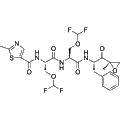
  • LMP7-IN-2
    Cat. No.
    A77348

    LMP7-IN-2

    LMP7-IN-2 is a selective inhibitor of the LMP7 protease, which is part of the immunoproteasome involved in antigen processing and inflammation regulation. This compound demonstrates significant biological activity in modulating inflammatory responses and has potential applications in the study of associated inflammatory diseases and disorders. Its use in research may aid in the understanding of immune mechanisms and the development of therapeutic strategies targeting inflammation.

    Out of stock

    All 3 sizes
  • 5-Amino-8-hydroxyquinoline dihydrochloride
    Cat. No.
    A77349

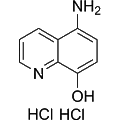
    5-Amino-8-hydroxyquinoline dihydrochloride

    Synonyms: 5A8HQ dihydrochloride; 5AHQ dihydrochloride

    5-Amino-8-hydroxyquinoline dihydrochloride is a potent non-competitive inhibitor of the 20S proteasome. This compound effectively inhibits NF-κB activity, leading to apoptosis in cancer cells while exhibiting minimal cytotoxicity towards normal hematopoietic cells. Its unique properties make it a valuable tool for cancer research, particularly in studies related to leukemia and other malignancies.

    100 mg
    $25.00
    All 1 sizes
  • Z-Leu-Leu-Glu-βNA
    Cat. No.
    A77350

    Z-Leu-Leu-Glu-βNA

    Synonyms: Z-Leu-Leu-Glu-β-naphthylamide

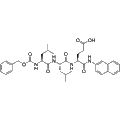
    Z-Leu-Leu-Glu-βNA is a substrate specifically designed to assess the catalytic activity of glutamylpeptidyl-peptide hydrolase in the 20S proteasome. This fluorogenic substrate enables the monitoring of proteasome activity, which is crucial for studies involving protein degradation and regulation in various cellular processes. Researchers can utilize Z-Leu-Leu-Glu-βNA in assays that explore the role of the proteasome in pathophysiological conditions and drug responses.

    Out of stock

    All 3 sizes
  • 20S Proteasome-IN-3
    Cat. No.
    A77351

    20S Proteasome-IN-3

    20S Proteasome-IN-3 is a potent inhibitor of the 20S proteasome β5 subunit, with an IC50 value of 1.64 μM. This compound exhibits significant anti-tumor proliferation activity, making it a valuable tool in cancer research. It is useful for studies investigating the role of proteasome inhibition in tumor biology and therapeutic applications.

    Out of stock

    All 3 sizes
  • Proteasome β2c/i-IN-1
    Cat. No.
    A77352

    Proteasome β2c/i-IN-1

    Proteasome β2c/i-IN-1 is a selective inhibitor of the human proteasome subunits β2c and β2i. This compound effectively impairs proteasome function, leading to the accumulation of ubiquitinated proteins. It is utilized in research applications focused on protein degradation pathways, cellular stress responses, and mechanisms of cancer development.

    Out of stock

    All 3 sizes
  • Z-LLF-CHO
    Cat. No.
    A77353

    Z-LLF-CHO

    Synonyms: Z-Leu-Leu-Phe-CHO

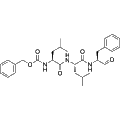
    Z-LLF-CHO (Z-Leu-Leu-Phe-CHO) is a potent inhibitor of the chymotrypsin-like activity of the proteasome, exhibiting an inhibition constant (Ki) of 460 nM. This compound also functions as an inhibitor of NF-κB nuclear translocation, making it valuable for studies involving immune response and inflammation. Research applications include investigations into proteolytic processes and the role of cytokines in various disease models.

    25 mg
    $1,275.00
    50 mg
    $1,625.00
    All 3 sizes
  • TIR-199
    Cat. No.
    A77354

    TIR-199

    TIR-199 is a selective dual proteasome inhibitor targeting the PSMB5 subunit of the constitutive proteasome and the PSMB8 subunit of the immunoproteasome. This compound exhibits significant cytotoxicity against various tumor cell lines, making it a valuable tool for cancer research. TIR-199 is particularly relevant for studies focused on multiple myeloma and the underlying mechanisms of proteasome inhibition in neoplastic cell death.

    Out of stock

    All 3 sizes
  • Davelizomib
    Cat. No.
    A77355

    Davelizomib

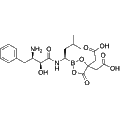
    Davelizomib is a potent proteasome inhibitor that exerts antineoplastic effects through the disruption of protein degradation pathways. By inhibiting the proteasome, it promotes the accumulation of pro-apoptotic factors and enhances the apoptotic response in cancer cells. This compound is primarily utilized in cancer research to explore therapeutic strategies against multiple myeloma and other malignancies.

    Out of stock

    All 3 sizes
  • Proteasome-IN-5
    Cat. No.
    A77356

    Proteasome-IN-5

    Proteasome-IN-5 is a selective proteasome inhibitor that disrupts the ubiquitin-proteasome pathway, leading to the accumulation of polyubiquitinated proteins. This compound exhibits significant antitumor activity and is valuable in research related to cancer biology and neurodegenerative diseases. Proteasome-IN-5 can be utilized to study the role of proteasomal degradation in cellular processes and to explore potential therapeutic strategies targeting proteasome dysfunction.

    Out of stock

    All 3 sizes
  • LU-001i
    Cat. No.
    A77357

    LU-001i

    LU-001i is a selective inhibitor of the proteasome β1i subunit (LMP2). While LU-001i exhibits minimal immunomodulatory effects as a standalone treatment, its combination with LMP7 inhibitors, such as PRN1126, enhances anti-inflammatory and immunomodulatory activities. This reagent is valuable for investigating the mechanisms underlying autoimmune diseases and developing targeted therapeutic strategies.

    Out of stock

    All 3 sizes

Items 101-125 of 152

Added to your cart

View Cart Checkout

    Loading...