Protein Kinase A (PKA)

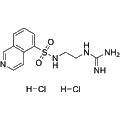
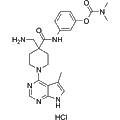
Protein kinase A (PKA) inhibitors and activators act on the main kinase that relays cyclic nucleotide signals in cells. PKA was described in 1968 as an adenosine 3',5'-monophosphate-dependent protein kinase from rabbit skeletal muscle. The inactive enzyme is a tetramer of two regulatory and two catalytic subunits, and cyclic adenosine monophosphate (cAMP) binding releases the catalytic subunits. H 89 2HCl is a salt of H-89, an isoquinolinesulfonamide inhibitor reported in 1990. PKI 14-22 amide, myristoylated, is a cell-permeable peptide derived from the endogenous protein kinase inhibitor. Bucladesine sodium, a dibutyryl cAMP analog, activates PKA in intact cells instead. AT13148 inhibits PKA along with related kinases such as Akt, and further relatives are listed under Protein Kinase C (PKC).

Items 26-49 of 49

  • HA-1004 hydrochloride
    Cat. No.
    A36716

    HA-1004 hydrochloride

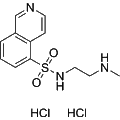
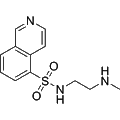
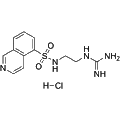
    HA-1004 hydrochloride is a selective inhibitor of protein kinase A (PKA), known for its ability to inhibit lipolysis and promote vascular relaxation. In addition to its PKA inhibition, HA-1004 also functions as a dual inhibitor of cyclic GMP-dependent protein kinase and cyclic AMP-dependent protein synthesis, impacting smooth muscle and second messenger pathways. This compound serves as a vasodilator, effective in inhibiting the contraction of rabbit aortic strips, and can also antagonize ERK and tyrosine hydroxylase phosphorylation in morphine abstinence models.

    1 mg
    $295.00
    All 1 sizes
  • HA-1004 di(hydrochloride)
    Cat. No.
    A36786

    HA-1004 di(hydrochloride)

    HA-1004 dihydrochloride is a selective inhibitor of protein kinase A (PKA), demonstrating significant inhibition of lipolysis and induction of vascular relaxation. Additionally, it acts as a dual inhibitor of cyclic GMP-dependent protein kinase and cyclic AMP-dependent protein kinase, playing a crucial role in regulating smooth muscle activity and second messenger pathways. This compound serves as a vasodilator, effectively inhibiting contraction in rabbit aortic strips, and also antagonizes ERK and tyrosine hydroxylase phosphorylation in models of morphine abstinence.

    25 mg
    $1,275.00
    50 mg
    $1,625.00
    All 3 sizes
  • MDL 27032
    Cat. No.
    A37150

    MDL 27032

    MDL 27032 is a selective active site-directed inhibitor of protein kinase C (PKC) and cAMP-dependent protein kinase (PKA), exhibiting Ki values of 24 μM and 14.3 μM, respectively. This compound demonstrates significant vasodilatory effects by relaxing vascular smooth muscle. Its properties make MDL 27032 a valuable tool for investigating PKC and PKA-mediated pathways in cardiovascular research and other related studies.

    Out of stock

    All 3 sizes
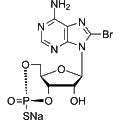
  • Rp-8-Br-cAMPS sodium
    Cat. No.
    A37162

    Rp-8-Br-cAMPS sodium

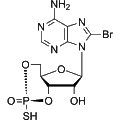
    Rp-8-Br-cAMPS sodium is a selective inhibitor of Protein Kinase A (PKA) that functions by occupying the cAMP binding sites on the regulatory subunits of PKA type I. This prevents the dissociation and activation of PKA, making it a valuable tool for studying signaling pathways dependent on PKA. Research applications include investigations into tumor biology, retrovirus-induced immune deficiencies, and the regulation of insulin secretion.

    0.5 mg
    $290.00
    1 mg
    $465.00
    All 3 sizes
  • H-8 dihydrochloride
    Cat. No.
    A37164

    H-8 dihydrochloride

    H-8 dihydrochloride is a reversible, cell-permeable inhibitor of protein kinase A (PKA) that operates through an ATP-competitive mechanism. It effectively modulates PKA activity, making it a valuable tool for investigating cellular signaling pathways. This compound is widely utilized in cancer research and studies focused on metabolic disorders, allowing researchers to elucidate the roles of PKA in various biological contexts.

    2 mg
    $30.00
    5 mg
    $50.00
    All 6 sizes
  • PKI (14-24)amide TFA
    Cat. No.
    A37172

    PKI (14-24)amide TFA

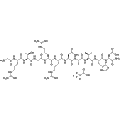
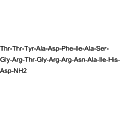
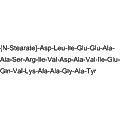
    PKI (14-24)amide TFA is a potent inhibitor of protein kinase A (PKA) that effectively blocks cyclic AMP-dependent protein kinase activity in various cellular contexts. This compound demonstrates significant inhibitory action, making it valuable for studies involving PKA-related signaling pathways. Its utilization in research can provide insights into the molecular mechanisms of PKA-mediated processes in health and disease.

    5 mg
    $125.00
    10 mg
    $200.00
    All 2 sizes
  • PKI (14-24)amide
    Cat. No.
    A37174

    PKI (14-24)amide

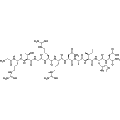
    PKI (14-24)amide is a potent inhibitor of Protein Kinase A (PKA), effectively disrupting the activity of cyclic AMP-dependent protein kinase. This compound has been shown to strongly inhibit PKA activity in cell homogenates, making it a valuable tool for studying PKA-related signaling pathways and their biological implications. Its application in research can facilitate investigations into cellular processes regulated by PKA, contributing to a better understanding of various physiological and pathological conditions.

    Out of stock

    All 3 sizes
  • GEM-231
    Cat. No.
    A37183

    GEM-231

    Synonyms: HYBO-165

    GEM-231 is an 18mer antisense oligonucleotide that specifically targets the mRNA of the PKA-I (RIα regulatory subunit of cAMP-dependent protein kinase type I). This compound has demonstrated the ability to induce cell growth arrest, apoptosis, and differentiation across various cancer cell lines in vitro, as well as in tumor models in vivo. GEM-231 serves as a valuable tool for investigating PKA signaling pathways and their implications in cancer biology.

    Out of stock

    All 3 sizes
  • PKI (5-24),amide
    Cat. No.
    A37185

    PKI (5-24),amide

    Synonyms: IP20-amide

    PKI (5-24), amide is a potent inhibitor of cAMP-dependent protein kinase A (PKA), derived from the active region of the heat-stable inhibitor protein. With an inhibition constant (Ki) of 2.3 nM, it effectively disrupts PKA signaling pathways. This reagent is valuable for research applications focusing on PKA-mediated cellular functions and signaling cascades in various biological contexts.

    Out of stock

    All 3 sizes
  • Aplithianines A
    Cat. No.
    A37186

    Aplithianines A

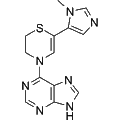
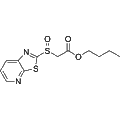
    Aplithianines A is a selective inhibitor of J-PKAcα, exhibiting an IC50 value of 1 μM, while also demonstrating inhibition of wild-type PKA with an IC50 of 84 nM. This compound exerts its inhibitory effects by competitively binding to the ATP pocket of J-PKAcα, thereby affecting its catalytic activity. Aplithianines A is valuable for research applications involving protein kinase signaling pathways and the study of PKA-related cellular processes.

    Out of stock

    All 3 sizes
  • PKItide
    Cat. No.
    A37187

    PKItide

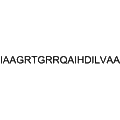
    PKItide is a potent inhibitor of Protein Kinase A (PKA), exhibiting an IC50 of 0.2 μM for cAMP-dependent PKA. This compound effectively disrupts PKA signaling pathways, making it a valuable tool for studying cellular processes regulated by cAMP. Research applications include investigating the role of PKA in various physiological and pathological conditions, as well as exploring therapeutic strategies targeting PKA-related diseases.

    Out of stock

    All 3 sizes
  • Rp-8-Br-cAMPS
    Cat. No.
    A37196

    Rp-8-Br-cAMPS

    Rp-8-Br-cAMPS is a potent inhibitor of protein kinase A (PKA) that functions by occupying the cAMP binding sites on the regulatory subunits of PKA type I. This inhibition prevents the dissociation and activation of PKA, thereby modulating downstream signaling pathways. Rp-8-Br-cAMPS is particularly useful in research applications focused on tumor biology, retrovirus-induced immune deficiency, and the regulation of insulin secretion.

    25 mg
    $1,275.00
    50 mg
    $1,625.00
    All 3 sizes
  • GSK466317A
    Cat. No.
    A37199

    GSK466317A

    GSK466317A is a potent protein kinase A (PKA) inhibitor, exhibiting an IC50 of 12.59 μM. In addition to its primary target, GSK466317A also demonstrates inhibitory activity against GRK1, GRK2, and GRK5, with corresponding IC50 values of 1000 μM, 31.62 μM, and 39.81 μM, respectively. This compound is valuable for research applications involving signal transduction pathways and the study of G protein-coupled receptor (GPCR) functionality.

    25 mg
    $1,275.00
    50 mg
    $1,625.00
    All 3 sizes
  • Protein kinase inhibitor 7
    Cat. No.
    A37200

    Protein kinase inhibitor 7

    Protein Kinase Inhibitor 7 is an inhibitor of Protein Kinase A (PKA) and Protein Kinase C (PKC). This compound modulates the autocrine motility factor (AMF) signaling pathway, demonstrating potential applications in cancer research and studies involving cell signaling without influencing overall cell motility. It is a valuable tool for elucidating the roles of PKA and PKC in various biological processes.

    Out of stock

    All 3 sizes
  • ME 3407
    Cat. No.
    A37203

    ME 3407

    Synonyms: EF-4040

    ME 3407 is a myosin light chain kinase (MLCK) and protein kinase A (PKA) inhibitor that disrupts H+-K+-ATPase redistribution. This compound effectively blocks gastric acid secretion and inhibits aminopyrine accumulation by preventing the microsomal-to-apical membrane redistribution of H+-K+-ATPase. ME 3407 demonstrates potential for use in research related to peptic ulcers and other gastrointestinal disorders.

    Out of stock

    All 3 sizes
  • FMP-API-1
    Cat. No.
    A37206

    FMP-API-1

    FMP-API-1 is an inhibitor of the A-kinase anchoring protein (AKAP)-PKA interaction. By binding to the allosteric site of protein kinase A (PKA) regulatory subunits, FMP-API-1 enhances PKA activity and promotes the function of aquaporin-2 (AQP2) in PKA-knockout renal cortical collecting duct cell lines (mpkCCD cells). This compound is valuable for investigating nephrogenic diabetes insipidus (NDI) and the underlying mechanisms of renal water transport.

    100 mg
    $240.00
    1 g
    $1,885.00
    All 2 sizes
  • Balanol
    Cat. No.
    A37218

    Balanol

    Synonyms: Ophiocordin; Azepinostatin

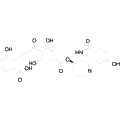
    Balanol is a highly selective ATP-competitive inhibitor of Protein Kinase C (PKC) and Protein Kinase A (PKA), demonstrating potent activity against various human PKC isozymes, including α, β-I, β-II, γ, δ, ε, η, and ζ, with IC50 values ranging from 4 to 150 nM. This compound effectively inhibits the phosphorylation of key downstream targets such as cyclic AMP response element-binding protein (CREB) and myristoylated alanine-rich C kinase substrate (MARCKS). Balanol can be isolated from the fungus Verticillium balanoides, making it a valuable tool for research involving PKC/PKA signaling pathways.

    25 mg
    $3,295.00
    50 mg
    $4,250.00
    All 3 sizes
  • PKA/AKAP-IN-2
    Cat. No.
    A37220

    PKA/AKAP-IN-2

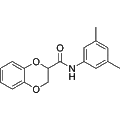
    PKA/AKAP-IN-2 is a non-peptide inhibitor targeting the interaction between protein kinase A (PKA) and A kinase anchoring proteins (AKAP). This compound disrupts the PKA-AKAP binding, providing valuable insights into signaling pathways influenced by cAMP. PKA/AKAP-IN-2 is useful for research into diseases linked to cAMP dysregulation and the broader implications of PKA signaling in cellular processes.

    1 mg
    $85.00
    5 mg
    $260.00
    All 7 sizes
  • 4-Cyano-3-methylisoquinoline
    Cat. No.
    A37221

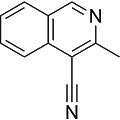
    4-Cyano-3-methylisoquinoline

    4-Cyano-3-methylisoquinoline is a potent protein kinase A (PKA) inhibitor, exhibiting an IC50 at the micromolar range. This compound has demonstrated the ability to reverse morphine tolerance in murine models, highlighting its potential use in pain management research and studies exploring opioid signaling pathways. Its role as a PKA inhibitor makes it a valuable tool for investigating cellular processes regulated by this important kinase.

    Out of stock

    All 3 sizes
  • PKA/AKAP-IN-1
    Cat. No.
    A37222

    PKA/AKAP-IN-1

    PKA/AKAP-IN-1 is a potent non-peptide inhibitor that selectively disrupts the interaction between protein kinase A (PKA) and A-kinase anchoring proteins (AKAP). This compound is valuable for investigating the role of cAMP signaling in various pathological conditions associated with its dysregulation. Research applications include studies on cellular signaling pathways and potential therapeutic interventions in diseases linked to altered PKA/AKAP interactions.

    25 mg
    $215.00
    50 mg
    $315.00
    All 4 sizes
  • MK2-IN-1
    Cat. No.
    A37495

    MK2-IN-1

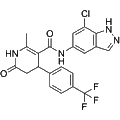
    MK2-IN-1 is a selective inhibitor of MAPKAPK2 (MK2), exhibiting an IC50 of 0.11 µM. This compound significantly interferes with the phosphorylation of serine residues in Tfcp2l1, with an EC50 of 0.35 µM for phosphorylated HSP27. MK2-IN-1 serves as a valuable tool for studying the role of MK2 in cellular signaling pathways and its implications in various biological processes.

    5 mg
    $55.00
    10 mg
    $90.00
    All 5 sizes
  • st-Ht31
    Cat. No.
    A56839

    st-Ht31

    st-Ht31 is a membrane-permeable peptide that inhibits protein kinase A (PKA) anchoring. It effectively induces cholesterol and phospholipid efflux and has been shown to completely reverse foam cell formation in macrophages. This compound offers valuable insights into PKA-related signaling pathways and metabolic health research.

    1 mg
    $690.00
    All 1 sizes
  • 2'-Deoxy-NAD+ sodium
    Cat. No.
    A74307

    2'-Deoxy-NAD+ sodium

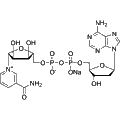
    2'-Deoxy-NAD+ sodium is a sodium salt derivative of 2'-Deoxy-NAD+ that functions as a noncompetitive inhibitor of NAD+ with a Ki value of 32 μM. This reagent is valuable for investigating ADP-ribosyl transfer reactions, providing insights into cellular processes involving protein modification. It is particularly useful in studies related to protein kinase A (PKA) activity and regulatory mechanisms in biological systems.

    Out of stock

    All 3 sizes

Items 26-49 of 49

Added to your cart

View Cart Checkout

    Loading...