- Cat. No.
- A21662
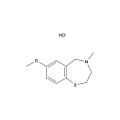
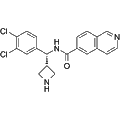
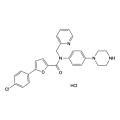
MK2-IN-1 hydrochloride
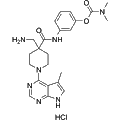
MK2-IN-1 hydrochloride is a potent and selecitve MAPKAPK2(MK2) inhibitor(IC50=0.11 uM) with a non-ATP competitive binding mode.
Search by product name, CAS, target or catalog number. Press Down Arrow to reach product suggestions, Tab to move between links, and Escape to close suggestions.
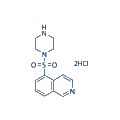
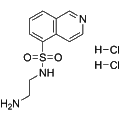
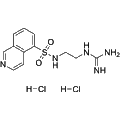
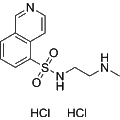
Protein kinase A (PKA) inhibitors and activators act on the main kinase that relays cyclic nucleotide signals in cells. PKA was described in 1968 as an adenosine 3',5'-monophosphate-dependent protein kinase from rabbit skeletal muscle. The inactive enzyme is a tetramer of two regulatory and two catalytic subunits, and cyclic adenosine monophosphate (cAMP) binding releases the catalytic subunits. H 89 2HCl is a salt of H-89, an isoquinolinesulfonamide inhibitor reported in 1990. PKI 14-22 amide, myristoylated, is a cell-permeable peptide derived from the endogenous protein kinase inhibitor. Bucladesine sodium, a dibutyryl cAMP analog, activates PKA in intact cells instead. AT13148 inhibits PKA along with related kinases such as Akt, and further relatives are listed under Protein Kinase C (PKC).
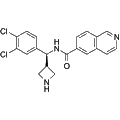
MK2-IN-1 hydrochloride is a potent and selecitve MAPKAPK2(MK2) inhibitor(IC50=0.11 uM) with a non-ATP competitive binding mode.
Synonyms: S 107
S107 hydrochloride is a RyR-selective 1,4-benzothiazepine derivative that stabilizes RyR2 channels by enhancing the binding affinity of calstabin2 to mutant and/or PKA-phosphorylated channels.
HA-100 is an isoquinoline compound with an added piperazinylsulfonyl group that acts as an inhibitor of protein kinases (PKs), including PKA, PKC, and PKG (IC50s = 8, 12, and 4 µM, respectively).
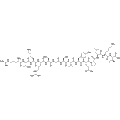
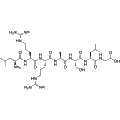
Malantide is a synthetic dodecapeptide derived from the site phosphorylated by cAMP-dependent protein kinase (PKA) on the β-subunit of phosphorylase kinase. Malantide is a highly specific substrate for PKA with a Km of 15 μM and shows protein inhibitor (PKI) inhibition >90% substrate phosphorylation in various rat tissue extracts. Malantide is also an efficient substrate for PKC with a Km of 16 μM.
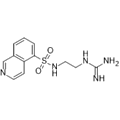
HA-1004 is a selective and multifunctional inhibitor of cyclic nucleotide-dependent protein kinases, including protein kinase A (PKA) and cyclic GMP-dependent protein kinase (PKG). It regulates key second messenger pathways involving cyclic AMP and cyclic GMP and has broad pharmacological effects. HA-1004 inhibits lipolysis and induces vascular smooth muscle relaxation, acting as a vasodilator. It also functions as a calcium antagonist, contributing to its ability to suppress contraction in rabbit aortic strips. In neurological models, HA-1004 has been shown to antagonize ERK and tyrosine hydroxylase (TH) phosphorylation in morphine abstinence rat models, suggesting potential relevance in addiction and neurochemical regulation. Its diverse actions make it a valuable tool for studying cardiovascular, metabolic, and neurobiological processes.
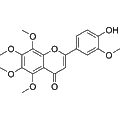
4′-Demethylnobiletin is a bioactive metabolite derived from citrus polymethoxyflavones, known for its neuroprotective and cognition-enhancing properties. It activates the PKA/ERK/CREB signaling pathway and enhances CRE (cAMP response element)-mediated transcription in hippocampal neurons, processes essential for synaptic plasticity and memory formation. Additionally, 4′-Demethylnobiletin reverses memory impairment caused by NMDA receptor antagonism by stimulating ERK signaling, highlighting its therapeutic potential for neurodegenerative diseases and cognitive dysfunction.
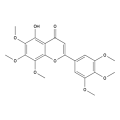
Gardenin A is an orally active synthetic polymethoxyflavone (PMF) analogue with neurotrophic properties, promoting neurite outgrowth and neuronal differentiation. It enhances neuritogenesis through activation of the MAPK/ERK, PKC, and PKA pathways, independent of TrkA and CREB signaling. Additionally, Gardenin A exhibits sedative, anxiolytic, antidepressant, and anticonvulsant effects, making it a promising compound for neurological and neuropsychiatric research.
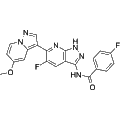
Akt1&PKA-IN-2 (Compound R-29) is a AKT1 and PKA inhibitor with selectivity for CDK2, with IC50 values of 0.007 and 0.01 μM, respectively. Akt1&PKA-IN-2 is applicable for cancer research.
Akt1&PKA-IN-1 is a potent dual inhibitor targeting both Akt and Protein Kinase A (PKA), exhibiting IC50 values of 0.03 μM for PKAα and 0.11 μM for Akt, with a higher IC50 of 9.8 μM for cyclin-dependent kinase 2 (CDK2). This compound demonstrates selective inhibition of CDK2, making it a valuable tool for research in cancer biology and cellular signaling pathways. Akt1&PKA-IN-1 is useful for studying the regulatory role of these kinases in cellular processes and potential therapeutic applications.
H-9 Dihydrochloride is a potent inhibitor of protein kinase A (PKA), effectively modulating signaling pathways involved in various biological functions. At a concentration of 10 μM, it significantly diminishes the excitatory response to 5-hydroxytryptamine (5-HT) and exhibits direct effects on pharyngeal activity. Additionally, H-9 Dihydrochloride inhibits signal transduction and cell growth in epidermal growth factor (EGF)-dependent epithelial cell lines, making it a valuable tool for research in cellular signaling and growth regulation.
Synonyms: 8-Br-Camp
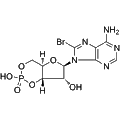
8-Bromo-cAMP, a cyclic AMP analog, serves as a potent activator of cyclic AMP-dependent protein kinase (PKA). This compound demonstrates significant anti-proliferative and apoptotic effects in various cancer cell lines, making it a valuable tool for cancer research. Its role in modulating PKA activity provides insights into cellular signaling pathways and the mechanisms of tumorigenesis. 8-Bromo-cAMP is commonly utilized in studies aimed at understanding the therapeutic potential of targeting PKA in cancer treatment.
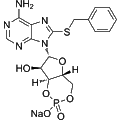
8-Benzylthio-cAMP is a selective activator of cAMP-dependent protein kinases (PKA) that serves as a stable derivative of cyclic adenosine monophosphate (cAMP). Its increased resistance to phosphodiesterase hydrolysis and enhanced membrane permeability make it an effective tool for probing cAMP signaling pathways. This compound is widely used in research to investigate the regulatory roles of cAMP in cellular processes such as proliferation, differentiation, and apoptosis.
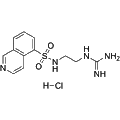
HA-1004 hydrochloride is a selective inhibitor of protein kinase A (PKA), known for its ability to inhibit lipolysis and promote vascular relaxation. In addition to its PKA inhibition, HA-1004 also functions as a dual inhibitor of cyclic GMP-dependent protein kinase and cyclic AMP-dependent protein synthesis, impacting smooth muscle and second messenger pathways. This compound serves as a vasodilator, effective in inhibiting the contraction of rabbit aortic strips, and can also antagonize ERK and tyrosine hydroxylase phosphorylation in morphine abstinence models.
HA-1004 dihydrochloride is a selective inhibitor of protein kinase A (PKA), demonstrating significant inhibition of lipolysis and induction of vascular relaxation. Additionally, it acts as a dual inhibitor of cyclic GMP-dependent protein kinase and cyclic AMP-dependent protein kinase, playing a crucial role in regulating smooth muscle activity and second messenger pathways. This compound serves as a vasodilator, effectively inhibiting contraction in rabbit aortic strips, and also antagonizes ERK and tyrosine hydroxylase phosphorylation in models of morphine abstinence.
LX7101 monohydrochloride is a potent inhibitor of LIM-kinase, ROCK, and PKA, exhibiting IC50 values of 24 nM, 1.6 nM, 10 nM, and
MDL 27032 is a selective active site-directed inhibitor of protein kinase C (PKC) and cAMP-dependent protein kinase (PKA), exhibiting Ki values of 24 μM and 14.3 μM, respectively. This compound demonstrates significant vasodilatory effects by relaxing vascular smooth muscle. Its properties make MDL 27032 a valuable tool for investigating PKC and PKA-mediated pathways in cardiovascular research and other related studies.
Out of stock
All 3 sizes
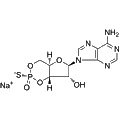
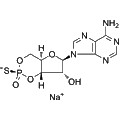
Rp-cAMPS sodium salt is a selective antagonist of protein kinase A (PKA) I and II, acting through competitive inhibition of cAMP-induced activation, with inhibition constants (Kis) of 12.5 µM and 4.5 µM, respectively. This stable cAMP analog is resistant to phosphodiesterase hydrolysis, making it an essential tool for investigating PKA signaling pathways. Rp-cAMPS sodium salt is widely utilized in cellular and biochemical research applications where modulation of PKA activity is required.
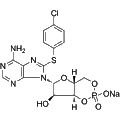
Synonyms: 8-CPT-cAMP sodium; 8-(p-Chlorophenylthio)-cAMP sodium
8-CPT-Cyclic AMP sodium is a selective activator of cyclic AMP-dependent protein kinase (PKA), crucial for regulating various cellular processes. This compound also exhibits potent inhibition of cyclic GMP-specific phosphodiesterase (PDE VA) with an IC50 of 0.9 μM, as well as inhibiting PDE III and PDE IV. Additionally, 8-CPT-Cyclic AMP sodium acts as a strong activator of exchange protein directly activated by cyclic AMP (Epac), making it valuable for studying signaling pathways and cellular responses related to PKA and Epac activation in biochemical research.
Kemptide is a synthetic heptapeptide that serves as a specific substrate for cyclic AMP-dependent protein kinase (PKA). By mimicking natural substrates, Kemptide facilitates the study of PKA activity, making it a valuable tool for researchers investigating signal transduction pathways and cellular responses mediated by cAMP. Its use in biochemical assays can help elucidate the roles of PKA in various physiological processes and disease states.
CW 008 is a selective agonist of the cAMP/PKA/CREB signaling pathway. This pyrazole-pyridine derivative is known to stimulate osteoblast differentiation in human mesenchymal stem cells and enhance bone formation in ovariectomized mouse models. Additionally, CW 008 exhibits potential as a stem cell differentiating agent and suppresses leptin secretion, further contributing to its role in osteogenesis research.
Sp-cAMPS sodium salt is a potent activator of both cAMP-dependent protein kinase A (PKA I and PKA II). It serves as a valuable tool for investigating PKA signaling pathways due to its ability to enhance cAMP levels. Additionally, Sp-cAMPS sodium salt acts as a competitive inhibitor of phosphodiesterase 3A (PDE3A) with a Ki value of 47.6 µM, and it interacts with the PDE10 GAF domain, exhibiting an EC50 of 40 µM. This reagent is useful for research applications in cellular signaling and pharmacology.
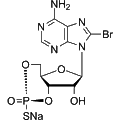
Rp-8-Br-cAMPS sodium is a selective inhibitor of Protein Kinase A (PKA) that functions by occupying the cAMP binding sites on the regulatory subunits of PKA type I. This prevents the dissociation and activation of PKA, making it a valuable tool for studying signaling pathways dependent on PKA. Research applications include investigations into tumor biology, retrovirus-induced immune deficiencies, and the regulation of insulin secretion.
H-8 dihydrochloride is a reversible, cell-permeable inhibitor of protein kinase A (PKA) that operates through an ATP-competitive mechanism. It effectively modulates PKA activity, making it a valuable tool for investigating cellular signaling pathways. This compound is widely utilized in cancer research and studies focused on metabolic disorders, allowing researchers to elucidate the roles of PKA in various biological contexts.
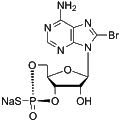
Sp-8-Br-cAMPS sodium is a potent protein kinase A (PKA) agonist, exhibiting an EC50 of 360 nM. This cAMP analog effectively activates PKA, leading to significant biological effects such as the inhibition of T cell proliferation and modulation of the hemocyte non-self response in Lepidoptera larvae. It serves as a valuable tool for investigating PKA-related signaling pathways and immune responses in various biological contexts.
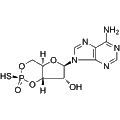
Sp-cAMPS is a cAMP analog that functions as a potent activator of protein kinase A (PKA) I and PKA II. Its ability to enhance PKA activity makes it a valuable tool for studying cAMP signaling pathways. Additionally, Sp-cAMPS acts as a competitive inhibitor of phosphodiesterase 3A (PDE3A) with a Ki value of 47.6 µM and binds to the GAF domain of PDE10 with an EC50 of 40 µM, further extending its utility in biochemical research applications.