NOD-like Receptor (NLR)

NOD-like receptor (NLR) inhibitors and activators target cytosolic sensors of microbial and cellular danger signals. These receptors carry a nucleotide-binding oligomerization domain (NOD) and include NOD1, NOD2 and the NLR family pyrin domain-containing (NLRP) proteins. In 2001, a frameshift mutation in NOD2 was associated with susceptibility to Crohn's disease. Some NLRs, such as NLRP3, assemble inflammasomes, protein platforms that activate inflammatory caspases and process pro-interleukin-1β. MCC950 sodium was reported in 2015 as a selective small-molecule inhibitor of the NLRP3 inflammasome, whereas the ionophore nigericin sodium salt activates it. Mifamurtide, a synthetic muramyl dipeptide analog, acts on NOD2, and NOD-IN-1 inhibits NOD1 and NOD2.

Items 176-200 of 208

  • NT-0527
    Cat. No.
    A35653

    NT-0527

    NT-0527 is a selective inhibitor of the NLRP3 inflammasome, demonstrating oral bioavailability and effective permeability across the blood-brain barrier. This compound specifically prevents NLRP3 inflammasome formation, leading to decreased maturation and secretion of interleukin-1 beta (IL-1β). NT-0527 exhibits notable anti-inflammatory effects in models of acute inflammation, including the LPS/ATP-induced peritonitis model. It is a valuable tool for research into neuroinflammatory conditions, such as Parkinson's disease and Alzheimer's disease, as well as peripheral inflammatory disorders like type II diabetes and atherosclerosis involving the NLRP3 pathway.

    5 mg
    $35.00
    10 mg
    $60.00
    All 5 sizes
  • GSK223
    Cat. No.
    A35654

    GSK223

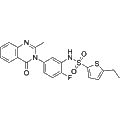
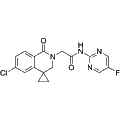
    GSK223 is a quinazolinone compound that acts as a selective inhibitor of the NOD1 pathway. It demonstrates potential anti-inflammatory activity by selectively inhibiting IL-8 release in response to iE-DAP stimulation, while leaving IL-8 secretion unaffected from TNF receptor, TLR2, or NOD2 agonists. Additionally, GSK223 does not directly inhibit RIP2 kinase activity, making it a valuable tool for studying NOD-like receptor signaling and its implications in inflammatory responses.

    25 mg
    $1,275.00
    50 mg
    $1,625.00
    All 3 sizes
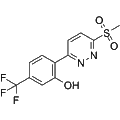
  • NLRP3-IN-53
    Cat. No.
    A35655

    NLRP3-IN-53

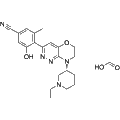
    NLRP3-IN-53 is a potent inhibitor of the NOD-like receptor NLRP3, exhibiting an IC50 of 3.4 nM. This compound is utilized in research to investigate the roles of the NLRP3 inflammasome in various inflammatory diseases and immune responses. Its selective inhibition helps elucidate the mechanistic pathways involved in NLRP3-related signaling, making it a valuable tool for studying therapeutic targets in the context of autoimmunity and metabolic disorders.

    25 mg
    $2,745.00
    50 mg
    $3,345.00
    All 3 sizes
  • NLRP3-IN-58
    Cat. No.
    A35656

    NLRP3-IN-58

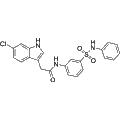
    NLRP3-IN-58 is a potent inhibitor of the NLRP3 inflammasome, demonstrating an IC50 value of 3.85 μM. At a concentration of 10 μM, it effectively reduces IL-1β release by 33%. This compound is valuable for research applications focused on inflammatory pathways and the modulation of innate immune responses.

    25 mg
    $1,275.00
    50 mg
    $1,625.00
    All 3 sizes
  • NLRP3-IN-56
    Cat. No.
    A35657

    NLRP3-IN-56

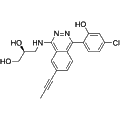
    NLRP3-IN-56 is a potent inhibitor of the NLRP3 inflammasome, effectively suppressing IL-1β secretion in THP-1 cells with an IC50 of 9.7 nM. This compound serves as a valuable tool for investigating NLRP3-mediated inflammatory responses and associated pathologies. Its ability to modulate IL-1β levels makes it suitable for research into diseases characterized by NLRP3 activation.

    Out of stock

    All 3 sizes
  • NLRP3-IN-28
    Cat. No.
    A35659

    NLRP3-IN-28

    NLRP3-IN-28 is a potent inhibitor of the NLRP3 inflammasome, demonstrating an EC50 of 0.07 μM in the inhibition of Nigericin-induced pyroptosis. This compound effectively reduces inflammatory responses in vivo, making it a valuable tool for investigating NLRP3-related diseases and inflammatory pathways. Its application in research provides insights into therapeutic strategies targeting inflammasome activation and related inflammatory conditions.

    Out of stock

    All 3 sizes
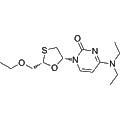
  • 3-Et-3TC
    Cat. No.
    A35660

    3-Et-3TC

    3-Et-3TC is a potent inhibitor of the NLRP3 inflammasome, demonstrating its capacity to modulate inflammasome activation. This compound is valuable for investigating the underlying mechanisms of retinal degenerative diseases and other inflammatory conditions. Its structural modification from Lamivudine enhances its efficacy in biochemical research applications targeting inflammasome pathways.

    Out of stock

    All 3 sizes
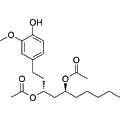
  • Diacetoxy-6-gingerdiol
    Cat. No.
    A35919

    Diacetoxy-6-gingerdiol

    Diacetoxy-6-gingerdiol is a derivative of gingerol that exhibits anti-inflammatory and antioxidant properties. This compound has been shown to protect the extracellular matrix of nucleus pulposus cells and reduce intervertebral disc degeneration through the inhibition of the IL-1β-mediated NLRP3 pathway. Its research applications include investigating mechanisms of inflammation and extracellular matrix preservation in musculoskeletal disorders.

    1 mg
    $150.00
    5 mg
    $330.00
    All 2 sizes
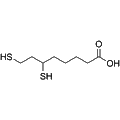
  • Dihydrolipoic Acid
    Cat. No.
    A38792

    Dihydrolipoic Acid

    Synonyms: DHLA

    Dihydrolipoic Acid (DHLA) is a potent antioxidant primarily targeting reactive oxygen species. It demonstrates significant anti-inflammatory effects across various disease models. Research indicates that DHLA can modulate the ERK/Nrf2/HO-1/ROS/NLRP3 signaling pathway, effectively mitigating sickness behavior in LPS-induced rat models. This compound is valuable for studies related to depression and oxidative stress-related disorders.

    25 mg
    $30.00
    50 mg
    $55.00
    All 3 sizes
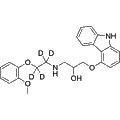
  • Carvedilol-d4
    Cat. No.
    A39450

    Carvedilol-d4

    Synonyms: BM 14190-d4

    Carvedilol-d4 is a deuterated derivative of Carvedilol, a non-selective β/α-1 adrenergic receptor antagonist. It exhibits dose-dependent inhibition of lipid peroxidation with an IC50 value of 5 μM. Carvedilol acts as a multifaceted antihypertensive agent, demonstrating potential therapeutic applications in managing conditions such as angina and congestive heart failure. Additionally, it has been identified as an autophagy inducer and a modulator of the NLRP3 inflammasome, making it a valuable tool for research into cardiovascular and inflammatory diseases.

    1 mg
    $175.00
    5 mg
    $625.00
    All 2 sizes
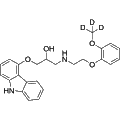
  • Carvedilol-d3
    Cat. No.
    A39587

    Carvedilol-d3

    Carvedilol-d3 is a deuterium-labeled analogue of Carvedilol, functioning primarily as a non-selective β/α-1 adrenergic receptor blocker. It exhibits significant biological activity by inhibiting lipid peroxidation in a dose-dependent manner with an IC50 value of 5 μM. This compound serves as a versatile antihypertensive agent and has potential applications in the treatment of angina and congestive heart failure. Furthermore, Carvedilol-d3 promotes autophagy and is known to inhibit the NLRP3 inflammasome, making it valuable for research involving inflammatory processes.

    Out of stock

    All 3 sizes
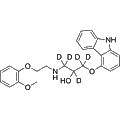
  • Carvedilol-d5
    Cat. No.
    A39631

    Carvedilol-d5

    Synonyms: BM 14190-d5

    Carvedilol-d5 is a deuterium-labeled analogue of Carvedilol, a non-selective β/α-1 adrenergic receptor blocker. It exhibits lipid peroxidation inhibition with an IC50 of 5 μM and serves as a versatile antihypertensive agent, showing potential in the treatment of angina and congestive heart failure. Additionally, Carvedilol functions as an autophagy inducer and inhibits the NLRP3 inflammasome, making it relevant for research in inflammatory pathways and cardiovascular health.

    0.5 mg
    $200.00
    1 mg
    $325.00
    All 2 sizes
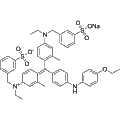
  • Brilliant blue G-250
    Cat. No.
    A44614

    Brilliant blue G-250

    Brilliant Blue G-250 is a dye that functions as a P2×7 receptor (P2×7R) antagonist. It exhibits selective inhibition of P2×7R, leading to the inactivation of the NLRP3 inflammasome, which is crucial in inflammatory processes. This compound is widely utilized for protein visualization in SDS-PAGE, providing a straightforward staining method alongside high quantitation capabilities in the Bradford protein assay, where protein concentrations are assessed by measuring absorbance at 595 nm.

    25 mg
    $25.00
    50 mg
    $30.00
    All 6 sizes
  • Cloxacillin sodium
    Cat. No.
    A46395

    Cloxacillin sodium

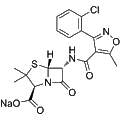
    Cloxacillin sodium is a β-lactam antibiotic and a potent β-lactamase inhibitor with an IC50 of 0.04 µM. It exhibits significant antibacterial activity, particularly against Staphylococcus aureus, and can effectively attenuate the S. aureus-induced inflammatory response by inhibiting the activation of MAPK, NF-κB, and NLRP3-related proteins. This compound is relevant for research in antimicrobial resistance and inflammation pathways.

    100 mg
    $20.00
    5 g
    $205.00
    All 4 sizes
  • Cloxacillin
    Cat. No.
    A46706

    Cloxacillin

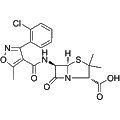
    Cloxacillin is an orally active antibacterial agent and β-lactamase inhibitor, exhibiting an IC50 of 0.04 µM. It effectively suppresses the inflammatory response induced by Staphylococcus aureus by inhibiting the activation of mitogen-activated protein kinases (MAPKs), nuclear factor kappa B (NF-κB), and proteins associated with the NLRP3 inflammasome. This compound is useful for research applications focused on bacterial infections and inflammatory processes.

    25 mg
    $1,275.00
    50 mg
    $1,625.00
    All 3 sizes
  • PenCB
    Cat. No.
    A53969

    PenCB

    Synonyms: PCB 118

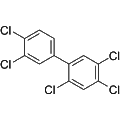
    PenCB (PCB 118) is a potent pyroptosis inducer that primarily activates the NFκB-dependent NLRP3 inflammasome pathway. Its mechanism involves the induction of oxidative stress, which is mediated through the activation of the aryl hydrocarbon receptor (AhR) and subsequent upregulation of cytochrome P450 1A1. This compound is useful for studies examining inflammatory processes and cell death mechanisms, particularly in the context of pyroptosis-related research.

    5 mg
    $25.00
    10 mg
    $45.00
    All 5 sizes
  • Azalamellarin N
    Cat. No.
    A53970

    Azalamellarin N

    Synonyms: AZL-N

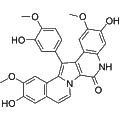
    Azalamellarin N is a selective inhibitor of pyroptosis, effectively modulating the inflammatory response by targeting upstream signaling pathways involved in NLRP3 inflammasome activation. This compound exhibits differential inhibitory effects on various pyroptosis inducers, with notable potency against Nigericin and R837. Its mechanism provides a valuable tool for investigating the role of pyroptosis in cellular processes and disease states, making it significant for research in inflammation and immune responses.

    1 mg
    $335.00
    5 mg
    $860.00
    All 6 sizes
  • NLRP3-IN-78
    Cat. No.
    A53971

    NLRP3-IN-78

    NLRP3-IN-78 is a potent inhibitor of the NLRP3 inflammasome, demonstrating a 46.72% inhibition rate in GSDMD-induced pyroptosis at a concentration of 5 μM. This compound effectively binds to the NLRP3 protein, hindering GSDMD-NT oligomerization and cleavage while also suppressing upstream NF-κB signaling. NLRP3-IN-78 serves as a valuable tool for investigating anti-inflammatory mechanisms and the role of NLRP3 in various disease models.

    Out of stock

    All 3 sizes
  • NEK7 degrader-3
    Cat. No.
    A55080

    NEK7 degrader-3

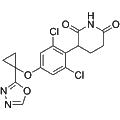
    NEK7 degrader-3 is an orally active NEK7 molecular glue degrader with a DC50 of 33.1 nM, which effectively mediates the interaction between NEK7 and the E3 ligase cereblon, leading to the proteasomal degradation of NEK7. This degradation process attenuates NLRP3 inflammasome-mediated inflammatory responses, resulting in the inhibition of caspase-1 activity and the release of pro-inflammatory cytokines IL-1β, IL-1α, and IL-18. NEK7 degrader-3 demonstrates significant anti-inflammatory effects in LPS-induced neuroinflammation mouse models, serving as a valuable tool for research focused on neuroinflammation.

    Out of stock

    All 3 sizes
  • UNC9995
    Cat. No.
    A59870

    UNC9995

    UNC9995 is a β-arrestin2-biased agonist of the dopamine receptor Drd2. This compound inhibits NLRP3 inflammasome activation by promoting the interaction between β-arrestin2 and NLRP3, thereby preventing neuronal degeneration. Furthermore, UNC9995 activates Drd2/β-arrestin2 signaling, which mitigates the transcription of inflammation-related genes induced by the JAK/STAT3 pathway. Research shows that UNC9995 enhances depressive behavior in mouse models and improves astrocyte dysfunctions, making it a valuable tool for studying neuroinflammatory processes and mood disorders.

    5 mg
    $285.00
    10 mg
    $505.00
    All 5 sizes
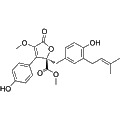
  • O-1602
    Cat. No.
    A60820

    O-1602

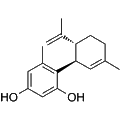
    O-1602 is a potent agonist of GPR55, a G protein-coupled receptor involved in various neuroinflammatory processes. It has been shown to reduce both the number and activation of hippocampal microglia triggered by methamphetamine exposure. Additionally, O-1602 decreases the expression of key proteins associated with the NLRP3 inflammasome, including NLRP3, ASC, and Caspase-1, making it a valuable tool for studies related to neuroinflammation and neurodegenerative disease research.

    1 mg
    $30.00
    5 mg
    $75.00
    All 7 sizes
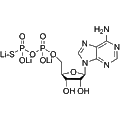
  • ADP-β-S trilithium
    Cat. No.
    A62815

    ADP-β-S trilithium

    Synonyms: Adenosine 5'-β-thiodiphosphate (trilithium)

    ADP-β-S trilithium is the trilithium salt form of ADP-β-S, serving as a potent activator of the P2Y12 receptor. It facilitates the upregulation of IL-1β and IL-6 production in microglial cells, promotes NF-κB phosphorylation and nuclear translocation, and enhances NLRP3 inflammasome activation. This reagent is valuable for research into inflammatory responses and signaling pathways involving P2Y12 receptor activation.

    1 mg
    $130.00
    5 mg
    $330.00
    All 3 sizes
  • MBL-1
    Cat. No.
    A64497

    MBL-1

    MBL-1 is an orally active anti-inflammatory agent that targets the hCOX-2 protein, demonstrating an IC50 of 5.77 μM. This compound effectively reduces the production of key pro-inflammatory mediators, including nitrogen oxide (NO), reactive oxygen species (ROS), IL-1β, and IL-18, by inhibiting the MAPK/NF-κB and NLRP3 signaling pathways. MBL-1 has shown protective effects against dextran sulfate sodium (DSS)-induced colitis, making it a valuable tool for research into ulcerative colitis and related inflammatory conditions.

    Out of stock

    All 3 sizes
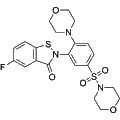
  • ML345
    Cat. No.
    A64890

    ML345

    ML345 is a selective inhibitor of insulin-degrading enzyme (IDE) and NLRP3, exhibiting an IC50 of 188 nM for IDE. By targeting the Cys819 residue, ML345 effectively inhibits IDE activity, while it binds non-covalently to NLRP3, modulating its function. This compound is known to inhibit the release of inflammatory cytokines such as IL-1β and IL-6, demonstrating significant anti-inflammatory properties. Additionally, ML345 has been shown to provide protective effects against miscarriage, making it a valuable tool for research in inflammation and reproductive health.

    1 mg
    $30.00
    5 mg
    $65.00
    All 6 sizes
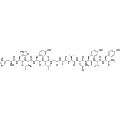
  • Xelafaslatide
    Cat. No.
    A64891

    Xelafaslatide

    Synonyms: ONL-1204

    Xelafaslatide is a Fas receptor antagonist that effectively inhibits Fas receptor signaling, thereby blocking downstream apoptosis and inflammatory pathways. This compound demonstrates significant potential in suppressing neuroinflammation and microglial activation in glaucoma models, offering protection to retinal ganglion cells and preventing axonal degeneration. Xelafaslatide is relevant for research focused on glaucoma and related neurodegenerative conditions.

    1 mg
    $40.00
    5 mg
    $90.00
    All 3 sizes

Items 176-200 of 208

Added to your cart

View Cart Checkout

    Loading...