AChE

Acetylcholinesterase (AChE) inhibitors block the enzyme that breaks down acetylcholine at cholinergic synapses. By ending acetylcholine signaling within milliseconds, AChE controls transmission in the brain and at the neuromuscular junction. The 1991 crystal structure of AChE from Torpedo californica showed the active site at the base of a deep, narrow gorge. AChE also has non-catalytic roles, which broaden its interest beyond synaptic transmission. Inhibitors here include donepezil hydrochloride and galanthamine hydrobromide, which are reversible inhibitors. The carbamates rivastigmine tartrate and neostigmine bromide, used in studies of cholinergic signaling and neurodegeneration, are also listed.

Items 176-200 of 663

  • Itopride-d6 hydrochloride
    Cat. No.
    A60156

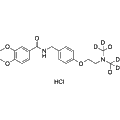
    Itopride-d6 hydrochloride

    Synonyms: HSR803-d6 hydrochloride

    Itopride-d6 hydrochloride is a deuterium-labeled derivative of Itopride hydrochloride that serves as a stable isotope. Itopride functions as a gastroprokinetic agent by inhibiting acetylcholinesterase (AChE) and antagonizing dopamine D2 receptors. This compound is valuable for studies investigating gastrointestinal motility and neurotransmitter interactions, as well as for tracing and quantifying its metabolic pathways in biological research.

    Out of stock

    All 3 sizes
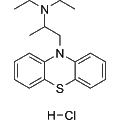
  • Ethopropazine hydrochloride
    Cat. No.
    A61268

    Ethopropazine hydrochloride

    Synonyms: Isothazine

    Ethopropazine hydrochloride is a potent and selective inhibitor of butyrylcholinesterase (BChE) and acts as a non-selective antagonist at muscarinic acetylcholine receptors (mAChR) and N-methyl-D-aspartate receptors (NMDA). This compound exhibits anticholinergic, antihistamine, and antiadrenergic activities, making it valuable in studying its effects on neuropathic pain conditions such as thermal hyperalgesia. Ethopropazine hydrochloride is particularly relevant in research related to Parkinson's disease, providing insights into cholinergic system modulation and receptor interactions.

    5 mg
    $20.00
    10 mg
    $35.00
    All 5 sizes
  • Fustin
    Cat. No.
    A61276

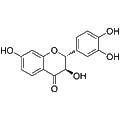
    Fustin

    Synonyms: (±)-Fustin; 3,7,3'; 4'-Tetrahydroxyflavanone

    Fustin (3,7,3',4'-Tetrahydroxyflavanone) is a potent inhibitor of amyloid β (Aβ), demonstrating significant effects on neurochemical markers associated with Alzheimer's disease. It enhances acetylcholine (ACh) levels and stimulates choline acetyltransferase (ChAT) activity while decreasing acetylcholinesterase (AChE) activity and expression. Additionally, Fustin promotes the expression of muscarinic M1 receptor genes and enhances receptor binding activity. This compound is valuable for research in Alzheimer's disease and neurodegenerative processes involving Aβ toxicity.

    1 mg
    $60.00
    10 mg
    $415.00
    All 3 sizes
  • RHC 80267
    Cat. No.
    A61280

    RHC 80267

    Synonyms: U-57908

    RHC 80267 is a potent and selective inhibitor of diacylglycerol lipase (DAGL), exhibiting an IC50 of 4 μM in canine platelets. This compound is valuable for research applications focusing on the modulation of lipid signaling pathways, particularly in the context of acetylcholine-induced relaxation. Additionally, RHC 80267 demonstrates inhibitory effects on cholinesterase with an IC50 of 4 μM and also inhibits cyclooxygenase (COX) and the hydrolysis of phosphatidylcholine (PC), making it a versatile tool for exploring lipid metabolism and neuronal signaling.

    5 mg
    $25.00
    10 mg
    $45.00
    All 5 sizes
  • PCS1055 dihydrochloride
    Cat. No.
    A61298

    PCS1055 dihydrochloride

    PCS1055 dihydrochloride is a selective and competitive antagonist of the muscarinic M4 receptor, with an IC50 value of 18.1 nM and a Kd of 5.72 nM. This compound effectively inhibits the binding of the radioligand [3H]-NMS to the M4 receptor, displaying a Ki of 6.5 nM. PCS1055 dihydrochloride demonstrates over 100-fold selectivity against M1, M3, and M5 receptors, and 30-fold selectivity at the M2 receptor. Additionally, it serves as a potent acetylcholinesterase inhibitor, with IC50 values of 22 nM and 120 nM for electric eel and human AChE, respectively, highlighting its potential for various neurological research applications.

    5 mg
    $190.00
    10 mg
    $300.00
    All 5 sizes
  • PCS1055
    Cat. No.
    A61315

    PCS1055

    PCS1055 is a selective competitive antagonist of the muscarinic M4 receptor, exhibiting an IC50 of 18.1 nM and a Kd of 5.72 nM. It effectively inhibits radioligand [3H]-NMS binding to the M4 receptor with a Ki of 6.5 nM. Additionally, PCS1055 demonstrates inhibitory activity against acetylcholinesterase (AChE), with IC50 values of 22 nM for electric eel AChE and 120 nM for human AChE. This compound is valuable for research focused on muscarinic receptor signaling and cholinergic modulation.

    5 mg
    $190.00
    10 mg
    $300.00
    All 5 sizes
  • CI-1002
    Cat. No.
    A61438

    CI-1002

    Synonyms: PD 142676

    CI-1002, a potent antagonist of acetylcholinesterase (AChE) and muscarinic acetylcholine receptors (mAChR), is utilized in neuroscience research. Its ability to inhibit AChE activity makes it particularly valuable for investigating the underlying mechanisms of cognitive dysfunction associated with Alzheimer’s disease. CI-1002 serves as a crucial tool for studying neurodegenerative processes and potential therapeutic strategies.

    25 mg
    $1,275.00
    50 mg
    $1,625.00
    All 3 sizes
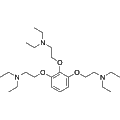
  • Gallamine
    Cat. No.
    A61461

    Gallamine

    Gallamine is a selective allosteric antagonist of the muscarinic M2 acetylcholine receptor, exhibiting an EC50 value of 130 nM in promoting the dissociation of [3H]NMS from porcine muscarinic M2 receptors. Additionally, it serves as an acetylcholinesterase inhibitor with varying IC50 values against different isoforms: 1070 μM for EeAChE, 1480 μM for hAChE, and 235 μM for hBChE. Gallamine is known to elevate levels of free norepinephrine and is utilized in research exploring muscle relaxation and pharmacological modulation of cholinergic signaling.

    25 mg
    $1,275.00
    50 mg
    $1,625.00
    All 3 sizes
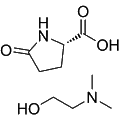
  • Deanol pidolate
    Cat. No.
    A61499

    Deanol pidolate

    Synonyms: V0191; DMAE pidolate; DMAE PCA

    Deanol pidolate is an orally active pro-cholinergic agent that enhances cognitive function by promoting the release of acetylcholine (ACh), while minimizing the side effects commonly associated with cholinesterase inhibitors. It has demonstrated the ability to mitigate the negative impacts of scopolamine on long-term memory, facilitating a quicker recovery to baseline memory performance. Deanol pidolate is particularly useful in research applications related to Alzheimer's disease and other cognitive disorders.

    Out of stock

    All 3 sizes
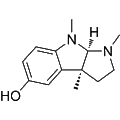
  • Eseroline
    Cat. No.
    A62550

    Eseroline

    Eseroline is a potent μ-opioid receptor agonist and a selective, competitive inhibitor of acetylcholinesterase (AChE), with Ki values of 0.1 μM for AChE and 200 μM for butyrylcholinesterase (BuChE). This compound also acts as a nicotinic acetylcholine receptor allosteric enhancing ligand, enhancing acetylcholine signal transduction without directly activating the receptor. Eseroline's neurotoxic effects include cell membrane damage and energy metabolism disruption, making it a valuable tool for investigating Alzheimer's disease pathology and cholinergic signaling.

    5 mg
    $350.00
    10 mg
    $650.00
    All 3 sizes
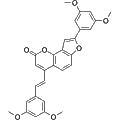
  • COX-2-IN-22
    Cat. No.
    A64460

    COX-2-IN-22

    COX-2-IN-22 is a selective inhibitor of Cyclooxygenase-2 (COX-2) with an IC50 of 8.6 µM. In addition to its primary activity, COX-2-IN-22 also exhibits inhibitory effects on Acetylcholinesterase (AChE), Butyrylcholinesterase (BChE), β-Secretase, Lipoxygenase-5 (LOX-5), and DPPH, with IC50 values of 2.8 µM, 6.3 µM, 15.3 µM, 13.9 µM, and 6.8 µM, respectively. This compound is capable of crossing the blood-brain barrier, making it a valuable tool for research in neuroinflammatory and neurodegenerative disease models.

    25 mg
    $1,275.00
    50 mg
    $1,625.00
    All 3 sizes
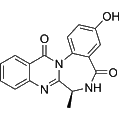
  • Circumdatin C
    Cat. No.
    A65300

    Circumdatin C

    Circumdatin C is an alkaloid that demonstrates inhibitory effects on lipopolysaccharide (LPS)-stimulated nitric oxide production. Additionally, it inhibits acetylcholinesterase (AChE) activity with an IC50 value of 13.9 μM. This compound is valuable for research into neurodegenerative diseases, particularly Alzheimer's disease, by exploring mechanisms related to neurotransmitter regulation and neuroinflammation.

    Out of stock

    All 3 sizes
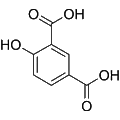
  • 4-Hydroxyisophthalic acid
    Cat. No.
    A65495

    4-Hydroxyisophthalic acid

    4-Hydroxyisophthalic acid functions primarily as an antioxidant agent, activating crucial antioxidant enzymes such as catalase (CAT) and superoxide dismutase (SOD). Its ability to scavenge free radicals contributes to its protective effects on neuronal function, as it enhances the activity of acetylcholinesterase (AChE) and butyrylcholinesterase (BChE). In research applications, 4-Hydroxyisophthalic acid has demonstrated potential in improving cognitive defects and alleviating circadian rhythm disorders in model organisms, such as fruit flies.

    10 mg
    $20.00
    25 mg
    $25.00
    All 6 sizes
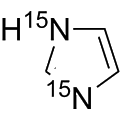
  • Imidazole-15N2
    Cat. No.
    A65645

    Imidazole-15N2

    Synonyms: Glyoxaline-15N2; 1,3-Diaza-2,4-cyclopentadiene-15N2

    Imidazole-15N2 is a stable isotope-labeled derivative of imidazole, a heterocyclic aromatic compound. It serves as a valuable tool in metabolic studies and tracing experiments due to its nitrogen-15 labeling. Imidazole and its derivatives exhibit a wide range of biological activities, including inhibition of acetylcholinesterase and xanthine oxidase, as well as properties such as antifungal, antituberculosis, anti-inflammatory, and antioxidant effects. Additionally, imidazole derivatives have shown promise in the inhibition of SARS-CoV-2 3CLPro enzyme, highlighting their potential applications in research related to Alzheimer's disease, gout, COVID-19, and thromboembolic disorders.

    5 mg
    $300.00
    10 mg
    $490.00
    All 5 sizes
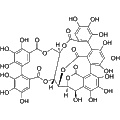
  • Vescalagin
    Cat. No.
    A65846

    Vescalagin

    Vescalagin is a hexahydroxyphenol that acts as an inhibitor of acetylcholinesterase and butyrylcholinesterase, as well as carbonic anhydrases I and II, and α-glycosidase. It demonstrates potent inhibitory activity with Ki values of 5.87 nM for AChE, 3.89 nM for BChE, 11.75 nM for hCA I, 16.23 nM for hCA II, and 16.08 nM for α-glycosidase. Vescalagin exhibits non-competitive inhibition for hCA I, hCA II, and α-glycosidase, while also reducing hyperglycemia and hypertriglyceridemia in dietary models. Additionally, it possesses anti-inflammatory and antioxidant activities, making it a valuable compound for research in diabetes and metabolic disorders.

    Out of stock

    All 3 sizes
  • Phenchlobenpyrrone
    Cat. No.
    A66199

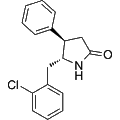
    Phenchlobenpyrrone

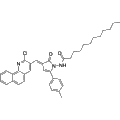
    Phenchlobenpyrrone is a selective neuronal calcium antagonist that effectively crosses the blood-brain barrier. This compound demonstrates the capability to mildly inhibit acetylcholinesterase (AChE) activity, along with inhibiting amyloid-beta (Aβ) aggregation and promoting the clearance of Aβ oligomers. Additionally, Phenchlobenpyrrone reduces abnormal phosphorylation of Tau protein. This agent is valuable for research applications focused on Alzheimer's disease and related neurodegenerative conditions.

    Out of stock

    All 3 sizes
  • Bis(7)-tacrine dihydrochloride
    Cat. No.
    A66712

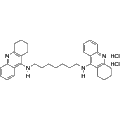
    Bis(7)-tacrine dihydrochloride

    Bis(7)-tacrine dihydrochloride is a dimeric inhibitor of acetylcholinesterase (AChE) and a potent antagonist of GABAA receptors. This compound exhibits neuroprotective properties by preventing glutamate-induced neuronal apoptosis through NMDA receptor blockade. Bis(7)-tacrine dihydrochloride is valuable for research applications related to Alzheimer's disease and other neurological disorders.

    5 mg
    $190.00
    10 mg
    $455.00
    All 3 sizes
  • Insecticidal agent 21
    Cat. No.
    A66964

    Insecticidal agent 21

    Insecticidal agent 21 is a potent insecticide primarily targeting Culex pipiens larvae with an LC50 of 0.4 μg/mL. This compound exerts multi-target neurotoxicity by inhibiting acetylcholinesterase (AChE) and affecting multiple neural receptors, including nicotinic acetylcholine receptors (nAChR), voltage-gated sodium channels (VGSC), and γ-aminobutyric acid receptors (GABAAR). Insecticidal agent 21 demonstrates a strong insecticidal effect and is suitable for research applications focused on developing novel insecticides to combat resistance in mosquito populations.

    Out of stock

    All 3 sizes
  • Memagal
    Cat. No.
    A67334

    Memagal

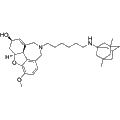
    Memagal is a potent acetylcholinesterase (AChE) inhibitor with an IC50 of 1.16 nM and acts as an N-methyl-D-aspartate receptor (NMDAR) antagonist with a Ki of 4.6 μM. This compound effectively inhibits neurotoxicity triggered by NMDA, demonstrating an IC50 value of 0.28 nM. Memagal serves as a valuable tool for research focused on Alzheimer's disease, providing insights into mechanisms and potential therapeutic approaches.

    Out of stock

    All 3 sizes
  • Asoxime dichloride
    Cat. No.
    A67576

    Asoxime dichloride

    Synonyms: HI-6

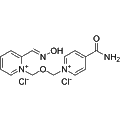
    Asoxime dichloride is a reversible inhibitor of acetylcholinesterase (AChE) that functions as a thiosemicarbazone-based antidote. Its primary mechanism involves reactivating AChE that has been inhibited by nerve agents, thus restoring cholinergic nerve function. Additionally, Asoxime dichloride enhances muscle function in the presence of poisoning without reactivating AChE and acts as an antagonist to acetylcholine receptors, including nicotinic and α7 nAChRs. Due to its immunomodulatory properties, Asoxime dichloride can also enhance the immune response of the nervous system, making it valuable in neuropharmacological research.

    1 mg
    $25.00
    5 mg
    $65.00
    All 5 sizes
  • Asoxime dimesylate
    Cat. No.
    A67664

    Asoxime dimesylate

    Synonyms: HI-6 dimesylate

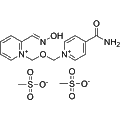
    Asoxime dimesylate is a reversible inhibitor of acetylcholinesterase (AChE) that serves as a thiosemicarbazone-based antidote. Its primary mechanism of action involves reactivating AChE inhibited by nerve agents, thus restoring cholinergic nerve function. Additionally, Asoxime dimesylate has been shown to significantly restore muscle function compromised by poisoning without the reactivation of AChE. It also acts as an antagonist at acetylcholine receptors, including nicotinic receptors and α7 nAChR, and demonstrates potential as an immunomodulator, enhancing immune responses in the nervous system. This compound is valuable for research in neuropharmacology and toxicology.

    25 mg
    $1,275.00
    50 mg
    $1,625.00
    All 3 sizes
  • Ferulamide
    Cat. No.
    A67675

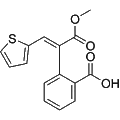
    Ferulamide

    Ferulamide is a derivative of ferulic acid that acts as a competitive inhibitor of nicotinic acetylcholine receptors (nAChRs). It exhibits significant anticholinesterase activity, making it a valuable tool for studying cholinergic signaling pathways. This compound is useful in research related to neurodegenerative diseases and the modulation of synaptic transmission.

    1 mg
    $150.00
    5 mg
    $375.00
    All 6 sizes
  • AChE/nAChR-IN-1
    Cat. No.
    A67753

    AChE/nAChR-IN-1

    AChE/nAChR-IN-1 is a dual inhibitor targeting acetylcholinesterase (AChE) and nicotinic acetylcholine receptors (nAChR). This compound exhibits potent toxicity and larvicidal activity against Culex pipiens larvae, with an LC50 of 4 ng/mL. AChE/nAChR-IN-1 is utilized in research focused on controlling mosquito populations and studying mosquito-borne diseases.

    Out of stock

    All 3 sizes
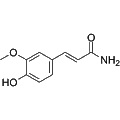
  • Sinapine
    Cat. No.
    A67789

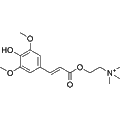
    Sinapine

    Sinapine is an acetylcholinesterase (AChE) inhibitor derived from cruciferous seeds. This compound demonstrates a range of biological activities, including anti-inflammatory, antioxidant, anti-tumor, anti-angiogenic, and radio-protective effects. Sinapine is instrumental in research targeting neurodegenerative disorders such as Alzheimer's disease, myasthenia gravis, ataxia, and Parkinson’s disease, making it a valuable tool for advancing scientific understanding in these areas.

    1 mg
    $35.00
    5 mg
    $60.00
    All 7 sizes
  • Sinapine hydroxide
    Cat. No.
    A67834

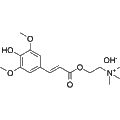
    Sinapine hydroxide

    Sinapine hydroxide is an acetylcholinesterase (AChE) inhibitor with significant potential in the investigation of neurodegenerative disorders such as Alzheimer's disease, myasthenia gravis, ataxia, and Parkinson's disease. This alkaloid, derived from cruciferous seeds, exhibits a range of biological activities including anti-inflammatory, anti-oxidant, anti-tumor, anti-angiogenic, and radioprotective effects. Its ability to modulate cholinergic pathways makes it a valuable tool for studying cholinergic dysfunction and related therapeutic strategies.

    25 mg
    $1,275.00
    All 1 sizes

Items 176-200 of 663

Added to your cart

View Cart Checkout

    Loading...