
- Cat. No.
- A19777
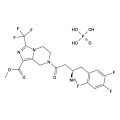
Retagliptin Phosphate
Synonyms: SP 2086
Retagliptin Phosphate is pharmaceutical composition of DPP-4 inhibitor for treating type-2 diabetes.
In stock
View Details
Search by product name, CAS, target or catalog number. Press Down Arrow to reach product suggestions, Tab to move between links, and Escape to close suggestions.
Dipeptidyl peptidase 4 (DPP-4) inhibitors block a serine protease that trims dipeptides from incretin hormones. DPP-4, also known as cluster of differentiation 26 (CD26), prefers substrates with proline or alanine at the second position. In 1993 it was shown to cleave glucagon-like peptide-1 (GLP-1) and gastric inhibitory polypeptide (GIP) and to account for their degradation in human serum. Inhibiting the enzyme therefore prolongs incretin signaling in studies of glucose homeostasis and insulin secretion. Sitagliptin, alogliptin benzoate and linagliptin bind to the active site without forming a covalent bond. Vildagliptin and saxagliptin are cyanopyrrolidines that form a reversible covalent adduct with the catalytic serine. Trelagliptin and gemigliptin add further gliptin scaffolds for structure-activity comparisons.
Synonyms: SP 2086
Retagliptin Phosphate is pharmaceutical composition of DPP-4 inhibitor for treating type-2 diabetes.
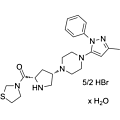
Synonyms: MP-513 hydrobromide hydrate; MP513
Teneligliptin hydrobromide hydrate is a potent chemotype prolylthiazolidine-based DPP-4 inhibitor, which competitively inhibits human plasma, rat plasma, and human recombinant DPP-4 in vitro, with IC50s of approximately 1 nM.
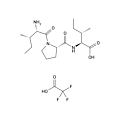
Synonyms: Ile-Pro-Pro (TFA)
Diprotin A (TFA) is an inhibitor of dipeptidyl peptidase IV (DPP-IV).
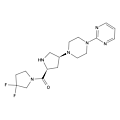
Synonyms: PF-00734200; PF-734200
Gosogliptin is a potent and selective inhibitor of dipeptidyl peptidase-IV (DPP-IV).
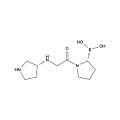
Synonyms: PHX-1149 free base; PHX1149
Dutogliptin (PHX-1149 free base) is an orally available, potent, and selective dipeptidyl peptidase-4 (DPP4) inhibitor for the treatment of type 2 diabetes mellitus.
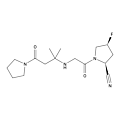
DBPR108 is a potent, selective, and orally bioavailable dipeptide-derived inhibitor of DPP4 with IC50 of 15 nM; no inhibition on DDP8 and DPP9.
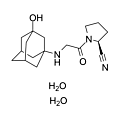
Synonyms: LAF237 dihydrate; NVP-LAF 237 dihydrate; LAF 237
Vildagliptin (LAF237 dihydrate;NVP-LAF 237 dihydrate) is a dipeptidyl peptidase 4 (DPP4) inhibitor that delays the degradation of glucagon-like peptide-1 (GLP-1).
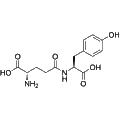
γ-Glu-Tyr, a competitive inhibitor of dipeptidyl peptidase-IV (DPP-IV) (IC50=6.77 mM), is a potentially functional component of the type 2 diabetes diet.
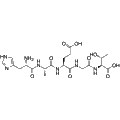
HAEGT is the first N-terminal 1-5 residues of glucagon like peptide-1 (GLP-1) peptide, and the sequence is His-Ala-Glu-Gly-Thr. HAEGT acts as a competitive substrate for probing prime substrate binding sites of human dipeptidyl peptidase-IV (DPP-IV) 1, in which the N-terminal His-Ala is catalyzed cleavage by DPP-IV. HAEGT can be used in the research of diabetes, obesity.
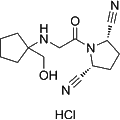
DPP4-In hydrochloride is a selective inhibitor of dipeptidyl peptidase 4 (DPP4), an enzyme that plays a critical role in glucose metabolism and immune regulation. By inhibiting DPP4, this compound can effectively increase the levels of active incretin hormones, which may contribute to improved glycemic control. DPP4-In hydrochloride is primarily utilized in diabetes research and can aid in the investigation of metabolic disorders and potential therapeutic strategies for type 2 diabetes.
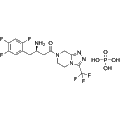
Synonyms: MK-0431 phosphate
Sitagliptin phosphate is a selective DPP4 inhibitor with a powerful mechanism of action, featuring an IC50 value of 19 nM. By inhibiting DPP4, this compound prevents the degradation of incretins such as glucagon-like peptide-1 (GLP-1) and glucose-dependent insulinotropic peptide (GIP), resulting in enhanced active incretin levels. Additionally, it can directly stimulate GLP-1 secretion from intestinal L cells via the cAMP/PKA and ERK1/2 pathways, which operates independently of DPP-4. Sitagliptin phosphate is valuable for researching both type 1 and type 2 diabetes and demonstrates protective effects on pancreatic islet grafts in type 1 diabetes models.
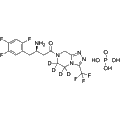
Synonyms: MK-0431-d4 phosphate
Sitagliptin-d4 phosphate is a deuterium-labeled derivative of Sitagliptin phosphate, a selective inhibitor of dipeptidyl peptidase-4 (DPP4) with an IC50 value of 19 nM. This compound increases the levels of active incretins by inhibiting the degradation of glucagon-like peptide-1 (GLP-1) and glucose-dependent insulinotropic peptide (GIP). Additionally, Sitagliptin-d4 phosphate can stimulate GLP-1 secretion from intestinal L cells through the activation of the cAMP/PKA and ERK1/2 pathways, independent of DPP-4. This reagent is valuable for research into type 1 and type 2 diabetes and can contribute to studies exploring pancreatic islet function.
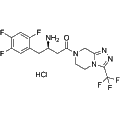
Synonyms: MK-0431 hydrochloride
Sitagliptin hydrochloride is a selective DPP4 inhibitor, demonstrating an IC50 of 19 nM. By inhibiting DPP4, this compound prevents the breakdown of incretin hormones, such as GLP-1 and GIP, ultimately increasing their active levels. Additionally, sitagliptin can stimulate GLP-1 secretion from intestinal L cells via the cAMP/PKA and ERK1/2 pathways, independent of DPP-4 inhibition. This reagent is applicable in research involving type 1 and type 2 diabetes, and it also exhibits protective effects on pancreatic islet grafts in type 1 diabetes models.
Out of stock
All 3 sizes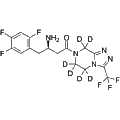
Synonyms: MK-0431-d6
Sitagliptin-d6 is a deuterium-labeled derivative of Sitagliptin, a selective DPP-4 inhibitor that demonstrates an IC50 of 19 nM. By inhibiting the degradation of incretins such as GLP-1 and GIP, Sitagliptin-d6 promotes increased levels of active glucagon-like peptides, thereby enhancing insulin secretion in a glucose-dependent manner. Additionally, it can stimulate GLP-1 secretion from intestinal L cells independently of DPP-4 inhibition, engaging the cAMP/PKA and ERK1/2 signaling pathways. This reagent is valuable for research on type 1 and type 2 diabetes, as well as the protective effects on pancreatic islet grafts.
Out of stock
All 3 sizes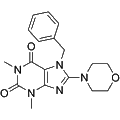
PB01 is a selective DPP-4 inhibitor with an IC50 of 15.66 nM. It effectively reduces high glucose-induced reactive oxygen species (ROS) production and mitochondrial superoxide generation while significantly decreasing cellular DPP-4 expression. In vivo studies demonstrate that PB01 can lower blood glucose levels in diabetic mice, indicating its potential therapeutic application. Furthermore, PB01 exhibits minimal cytotoxicity at a concentration of 100 μM, making it a promising candidate for diabetes-related research.
Out of stock
All 3 sizes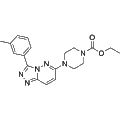
DPP-4-IN-3 is a potent inhibitor of dipeptidyl peptidase IV (DPP-IV), exhibiting an IC50 value of 0.75 nM. This compound demonstrates significant antioxidant properties alongside insulinotropic activity, making it a valuable tool for diabetes research and the study of metabolic disorders. Its ability to modulate the DPP-IV pathway underscores its potential in therapeutic applications aimed at enhancing glucose homeostasis.
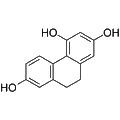
2,4,7-Trihydroxy-9,10-dihydrophenanthrene is a dihydrophenanthrene derivative primarily targeting DPPH radicals. It exhibits significant antioxidant activity, with an IC50 value of 16.2 μM in DPPH radical-scavenging assays. This compound is useful in research applications focused on antioxidant mechanisms and the study of natural products derived from Pholidota chinensis Lindl.
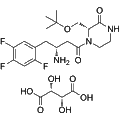
Synonyms: DA-1229 tartrate
Evogliptin tartrate is an orally active DPP4 inhibitor that exhibits significant and sustained hypoglycemic effects in murine models. It not only lowers blood glucose levels but also attenuates the production of inflammatory and fibrotic signals in hepatocytes by inducing autophagy. This compound is suitable for research applications related to type 2 diabetes, osteoporosis, renal impairment, and chronic liver inflammation.
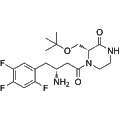
Synonyms: DA-1229
Evogliptin is an orally active inhibitor of DPP4 (dipeptidyl peptidase-4), demonstrating notable and sustained hypoglycemic effects in murine models. In addition to its antidiabetic properties, Evogliptin exerts effects by inhibiting the production of inflammatory and fibrotic signals in hepatocytes through the induction of autophagy. This compound is particularly relevant for research applications related to type 2 diabetes, osteoporosis, renal impairment, and chronic liver inflammation.

Synonyms: (S)-MK-0431 phosphate
(S)-Sitagliptin phosphate functions as a dipeptidyl peptidase 4 (DPP4) inhibitor, exhibiting a potent inhibitory effect with an IC50 of 19 nM in Caco-2 cell extracts. This compound demonstrates significant biological activity in the regulation of glucose metabolism and is primarily used in research focused on diabetes and metabolic disorders. Its potent inhibition of DPP4 makes it a valuable reagent for studies investigating therapeutic strategies to manage hyperglycemia and related conditions.
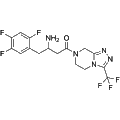
Synonyms: (Rac)-MK-0431
(Rac)-Sitagliptin is a potent and selective inhibitor of dipeptidyl peptidase-4 (DPP4), exhibiting an IC50 of 19 nM in Caco-2 cell extracts. This compound plays a significant role in the modulation of glucose metabolism, making it relevant for diabetes research. Its ability to enhance insulin secretion and decrease glucagon levels underscores its potential applications in studying metabolic disorders and developing therapeutic strategies for type 2 diabetes.
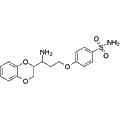
DPP IV/hCA II-IN-1 is a potent and selective inhibitor of dipeptidyl peptidase IV (DPP IV) and carbonic anhydrase (CA) enzymes. This compound exhibits a strong inhibitory effect on DPP IV with an IC50 value of 0.049 μM, while displaying varying Ki values for different carbonic anhydrase isoforms, including 0.0361 μM for CA II. Its dual-target inhibitory activity makes it a valuable tool for studying metabolic disorders and exploring therapeutic avenues in conditions involving DPP IV and CA dysregulation.
Out of stock
All 3 sizes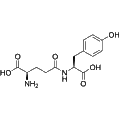
D-γ-Glu-Tyr is a D-isomer of γ-Glu-Tyr, distinguished by its γ-glutamyl content. This compound acts as a competitive inhibitor of dipeptidyl peptidase-IV (DPP-IV), exhibiting an IC50 value of 6.77 mM. D-γ-Glu-Tyr is relevant in the study of type 2 diabetes and may serve as a functional component in dietary approaches to manage this condition.
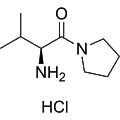
Val-Pyrrolidide hydrochloride is a potent Dipeptidyl Peptidase IV (DPPIV) inhibitor. This compound effectively prevents the N-terminal truncation of the peptide Gln3-Aβ(1–11), making it a valuable tool for studies investigating the role of DPPIV in neurodegenerative diseases. Val-Pyrrolidide hydrochloride can facilitate research into peptide processing and potential therapeutic interventions in Alzheimer's disease.
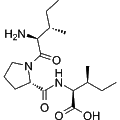
Synonyms: Ile-Pro-Ile
Diprotin A, an inhibitor of dipeptidyl peptidase IV (DPP-IV), plays a crucial role in modulating the degradation of incretin hormones. By inhibiting DPP-IV activity, Diprotin A enhances insulin secretion and glucose tolerance, making it relevant in diabetes research and metabolic studies. Its application extends to investigating the mechanisms of peptide regulation and therapeutic interventions in glucose metabolism disorders.