
- Cat. No.
- A21253
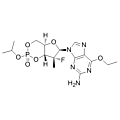
(Rac)-PSI-352938
PSI-352938 (PSI-938) is a hepatitis C virus (HCV) nucleotide inhibitor.
In stock
View Details
Search by product name, CAS, target or catalog number. Press Down Arrow to reach product suggestions, Tab to move between links, and Escape to close suggestions.
Hepatitis C virus (HCV) protease inhibitors act on the nonstructural protein 3-4A (NS3-4A) serine protease. The HCV genome was identified in 1989 from a blood-borne non-A, non-B hepatitis agent. Its polyprotein is cleaved by NS3-4A, so inhibitors of that protease block maturation of the other viral proteins. Telaprevir, boceprevir, asunaprevir, danoprevir and grazoprevir are NS3-4A inhibitors from several chemical series with differing binding modes. Compounds directed at other replication steps are listed alongside them, because they are used in the same assays. Daclatasvir, reported in 2010 as an inhibitor of the nonstructural protein 5A (NS5A) phosphoprotein, and ledipasvir (GS 5885) belong to that group. Proteases of other viruses and families appear under the sibling categories HIV Protease and Serine Protease.
PSI-352938 (PSI-938) is a hepatitis C virus (HCV) nucleotide inhibitor.
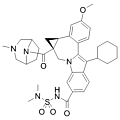
Synonyms: BMS-791325
Beclabuvir is an allosteric inhibitor that binds to thumb site 1 of the hepatitis C virus (HCV) NS5B RNA-dependent RNA polymerase, and inhibits recombinant NS5B proteins from HCV genotypes 1, 3, 4, and 5 with IC50 of < 28 nM.
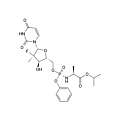
PSI-7976 is the isomer of PSI-7977. PSI-7977 is an active inhibitor of HCV RNA replication in the HCV replicon assay, demonstrates potent anti-hepatitis C virus (HCV) activity.
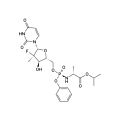
Sofosbuvir impurity C is the less active impurity of Sofosbuvir, Sofosbuvir is an active inhibitor of HCV RNA replication in the HCV replicon assay, demonstrates potent anti-hepatitis C virus (HCV) activity.
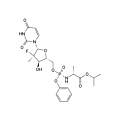
Sofosbuvir impurity A, an diastereoisomer of sofosbuvir, is the impurity of sofosbuvir. Sofosbuvir (PSI-7977) is an inhibitor of HCV RNA replication, demonstrates potent anti-hepatitis C virus activity.
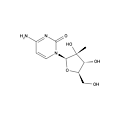
Synonyms: 2'-C-Methylcytidine
NM107 (2'-C-Methylcytidine) is an nucleoside inhibitor of the hepatitis C virus (HCV) NS5B polymerase, the EC50 of NM107 in the wild-type replicon cells is 1.85 μM.
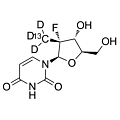
Synonyms: RO-2433 13CD3; GS-331007 13CD3; Sofosbuvir metabolite GS-331007 13CD3
PSI-6206 13CD3 is the deuterium labeled PSI-6206. PSI-6206 is the deaminated derivative of PSI-6130, which is a potent and selective inhibitor of HCV NS5B polymerase.
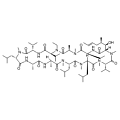
Synonyms: DEB-025; Debio-025; UNIL-025
Alisporivir (DEB-025; Debio-025) is a cyclophilin inhibitor molecule with potent anti-hepatitis C virus (HCV) activity.
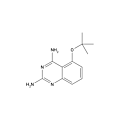
HZ-1157 is an inhibitor of hepatitis C virus (HCV) with inhibitory activities toward HCV NS3/4A protease.
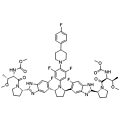
Synonyms: ABT-530; A-1325912; A-1325912.0; Pibrentasvir.
Pibrentasvir, also known as ABT-530, is a protease inhibitor potentially for the treatment of HCV infection.
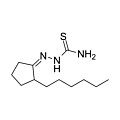
BLT-1, a thiosemicarbazone copper chelator, is a selective scavenger receptor B, type 1 (SR-BI) inhibitor. BLT-1 inhibits the transfer of lipids between high-density lipoproteins (HDL) and cells mediated by SR-BI. BLT-1 is a potent HCV entry inhibitor.
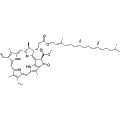
Pheophytin a is a potent HCV-NS3/4A protease inhibitor that effectively disrupts viral replication, with an IC50 of 0.89 μM. In addition to its antiviral properties, it exhibits antioxidant activity, scavenging free radicals and reducing ferric ions, while demonstrating cytotoxic effects against breast cancer cells. Pheophytin a also modulates inflammatory responses by inhibiting the production of nitric oxide and pro-inflammatory cytokines, influencing transcription levels of inflammatory mediators and targeting the ERK1/2 and STAT-1 pathways. Its unique properties make Pheophytin a a valuable tool for research into chronic hepatitis C, sepsis, breast cancer, and neurodegenerative diseases like Alzheimer's.
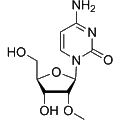
2'-O-Methylcytidine is a potent inhibitor of Hepatitis C virus (HCV) replication, targeting RNA-dependent RNA polymerase (NS5B). This 2'-substituted nucleoside exhibits competitive inhibition of substrate nucleoside triphosphate during RNA synthesis in vitro. Its antiviral properties make it a valuable tool for research related to HCV pathogenesis and therapeutic development.
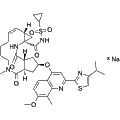
Synonyms: TMC435 sodium; TMC435350 sodium
Simeprevir sodium is a potent inhibitor of the hepatitis C virus (HCV) NS3/4A protease, exhibiting a Ki of 0.36 nM and an EC50 for HCV replication of 7.8 nM. This compound also demonstrates significant antiviral activity against SARS-CoV-2 by inhibiting its main protease (Mpro) and RNA-dependent RNA polymerase (RdRp), and it enhances the efficacy of Remdesivir. Simeprevir sodium modulates host immune responses, making it a valuable tool for research into antiviral therapies for both HCV and SARS-CoV-2.
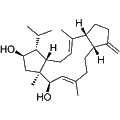
Variculanol is an antimicrobial agent derived from the marine fungus Aspergillus versicolor, with significant anti-HCV NS3/4A protease activity. This compound exhibits promising biological properties, making it a valuable tool for research applications in antimicrobial and anticancer studies. Its ability to inhibit viral protease activity positions Variculanol as a candidate for further exploration in antiviral drug development.
Out of stock
All 3 sizes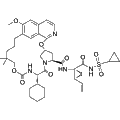
MK-1220 is a covalent reversible inhibitor of the hepatitis C virus (HCV) NS3/4A protease, exhibiting a Ki of 0.02 nM. In cellular models of viral replication, MK-1220 demonstrates effective antiviral activity with EC50 values of 4 nM in 10% fetal bovine serum and 11 nM in 50% normal human serum. This compound is valuable for researching chronic hepatitis C virus infections and advancing therapeutic strategies.
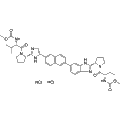
Synonyms: PPI-668 hydrochloride
Ravidasvir hydrochloride is a potent pan-genotypic inhibitor targeting the hepatitis C virus (HCV) NS5A protein. It effectively inhibits HCV replication, demonstrating EC50 values of 0.12 nM for genotype 1a, 0.01 nM for genotype 1b, and 1.14 nM for genotype 3a replicons. Additionally, Ravidasvir hydrochloride exhibits favorable pharmacokinetic properties in preclinical models, making it a valuable tool for HCV research applications.
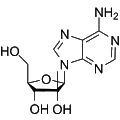
2'-C-Methyladenosine is a potent inhibitor of hepatitis C virus (HCV) replication, targeting the viral NS5B polymerase. It demonstrates effective inhibition of HCV replicon and NS5B-mediated RNA synthesis with IC50 values of 0.3 μM and 1.9 μM, respectively. Additionally, this compound displays significant antiviral activity against Leishmania regrowth virus 1 (LRV1) in Leishmania guyanensis and Leishmania braziliensis, highlighting its potential for broader antiviral research applications.
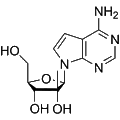
MK-0608 is a potent, orally bioavailable inhibitor targeting hepatitis C virus (HCV) replication. It demonstrates significant antiviral activity with an effective concentration (EC50) of 0.3 μM and an EC90 of 1.3 μM in subgenomic replicon assays. This compound is valuable for research applications focused on the mechanisms of HCV replication and the development of antiviral therapies.
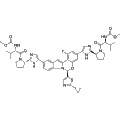
Synonyms: MK-8408
Ruzasvir is a highly potent inhibitor targeting the nonstructural protein 5A (NS5A) of Hepatitis C Virus (HCV). It effectively disrupts the replication of various NS5A mutants across genotypes GT1a, GT2b, GT3a, and GT4a, with an effective concentration (EC90) ranging from 0.003 to 0.067 nM. Its favorable pharmacokinetic profile has been demonstrated in preclinical studies using a rhesus monkey model, highlighting its potential utility in HCV research and therapeutic development.
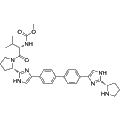
Synonyms: Daclatasvir Impurity A
Monodes(N-carboxymethyl)valine Daclatasvir, also known as Daclatasvir Impurity A, is a primary degradation product of the antiviral agent Daclatasvir, which specifically targets the NS5A protein of the Hepatitis C virus (HCV). This compound is utilized in research applications focusing on the stability and degradation pathways of Daclatasvir, helping to understand its pharmacological profile and potential implications in HCV treatment strategies.
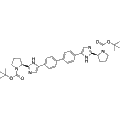
HCV-IN-30 is an inhibitor of the Hepatitis C Virus (HCV) NS5A replication complex, demonstrating potent activity with IC50 values of 901 nM and 102 nM against genotype 1a and 1b replicons, respectively. This compound is primarily utilized in antiviral research targeting HCV replication mechanisms, providing valuable insights for therapeutic development against HCV infection.
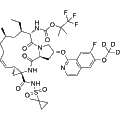
BMS-986144 is a potent, third-generation NS3/4A protease inhibitor targeting hepatitis C virus (HCV) replication. It demonstrates strong antiviral activity with EC50 values of 2.3 nM for GT-1a, 0.7 nM for GT-1b, 1.0 nM for GT-2a, and 12 nM for GT-3a, alongside effective outcomes against resistant strains with EC50s of 8.0 nM and 5.8 nM for 1a R155X and 1b D168V, respectively. This compound is valuable for research applications aimed at understanding HCV infection and developing antiviral therapies.
Out of stock
All 3 sizes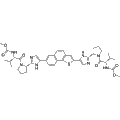
HCV-IN-7 is a potent, orally active inhibitor of the hepatitis C virus (HCV) NS5A protein, exhibiting IC50 values between 3-47 pM. This compound demonstrates a notable pan-genotypic activity, making it effective against multiple HCV genotypes. Additionally, HCV-IN-7 showcases favorable pharmacokinetics and liver uptake, contributing to its potential as an antiviral agent in therapeutic applications for HCV infection.
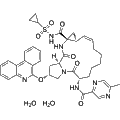
Synonyms: ABT-450 dihydrate; Veruprevir dihydrate
Paritaprevir dihydrate is a potent NS3/4A protease inhibitor, effective against Hepatitis C virus (HCV) with EC50 values of 1 nM and 0.21 nM for HCV subtypes 1a and 1b, respectively. Additionally, it demonstrates inhibitory activity against the SARS-CoV 3CL protease with an IC50 of 1.31 μM. This compound is primarily metabolized by cytochrome P450 (CYP) 3A, and its pharmacokinetics can be optimized in combination with Ritonavir, a CYP450 inhibitor, enhancing its plasma concentration and half-life for improved therapeutic efficacy.
Out of stock
All 3 sizes