PROTAC Degrader

PROTAC degraders recruit an E3 ubiquitin ligase to a target protein so that the proteasome degrades it. Each proteolysis-targeting chimera (PROTAC) links a target-binding ligand to an E3 ligase ligand through a chemical linker. The approach was first described in 2001, and later work showed that small-molecule PROTACs can act catalytically, removing several target copies per molecule. Examples include the bromodomain and extra-terminal (BET) degraders dBET1, MZ1 and ARV-771, and the estrogen receptor degrader ERD-308. Degraders of anti-apoptotic proteins, such as PROTAC Mcl1 degrader-1, are also listed.

Items 701-725 of 824

  • (R)-SM875
    Cat. No.
    A79174

    (R)-SM875

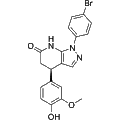
    (R)-SM875 is a prion protein (PrP) degrader that specifically targets its intermediate folding form. This compound effectively decreases PrP levels, demonstrating an IC50 of 3 μM. (R)-SM875 is suitable for research focused on prion diseases and related neurodegenerative disorders.

    Out of stock

    All 3 sizes
  • PROTAC α-synuclein degrader 5
    Cat. No.
    A79408

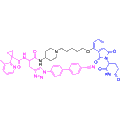
    PROTAC α-synuclein degrader 5

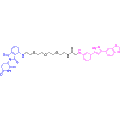
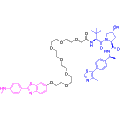
    PROTAC α-synuclein degrader 5 is a potent small-molecule degrader targeting α-synuclein aggregates through the PROTAC mechanism. This compound demonstrates a DC50 value of 7.51 μM and achieves a maximal degradation rate (Dmax) of 89%. Incorporating the probe molecule sery308 and E3 ligase ligands, this degrader is suitable for research on neurological diseases, facilitating studies on the pathophysiology of synucleinopathies.

    1 mg
    $215.00
    5 mg
    $445.00
    All 3 sizes
  • PROTAC α-synuclein degrader 3
    Cat. No.
    A79411

    PROTAC α-synuclein degrader 3

    PROTAC α-synuclein degrader 3 is a selective degrader targeting α-synuclein via the ubiquitin-proteasome system. This compound facilitates the ubiquitination and subsequent degradation of α-synuclein, making it a valuable tool for researching Parkinson's disease mechanisms. Its unique design incorporates specific ligands and linkers to optimize efficacy in targeted protein degradation, aiding investigations into therapeutic strategies for neurodegenerative disorders.

    1 mg
    $270.00
    5 mg
    $695.00
    All 5 sizes
  • BPK-25
    Cat. No.
    A79560

    BPK-25

    BPK-25 is a potent degrader of nucleosome remodeling and deacetylation (NuRD) complex proteins, operating through a post-translational mechanism that involves covalent modification of target proteins. This compound effectively inhibits TMEM173 activation induced by the cyclic dinucleotide ligand cGAMP. BPK-25 is valuable for research applications focusing on the modulation of epigenetic regulation and signal transduction pathways linked to immune responses.

    2 mg
    $120.00
    5 mg
    $205.00
    All 6 sizes
  • TMX-4153
    Cat. No.
    A79912

    TMX-4153

    TMX-4153 is a selective degrader targeting PIP4K2C through the PROTAC (Proteolysis-targeting chimera) mechanism. It effectively induces PIP4K2C degradation in MOLT4 cells with a DC50 of 24 nM and in HAP1 cells with a DC50 of 361 nM. This compound is valuable for researching the biological functions of PIP4K2C, particularly in relation to diseases associated with immune modulation.

    5 mg
    $475.00
    10 mg
    $825.00
    All 5 sizes
  • (Rac)-P1D-34
    Cat. No.
    A79920

    (Rac)-P1D-34

    (Rac)-P1D-34 is a PROTAC-based degrader targeting the PIN1 protein, utilizing cereblon as the E3 ligase for targeted degradation. This compound exhibits anti-cancer activity with reported IC50 values of 2248 nM in MV-4-11 cells and 3984 nM in MOLM-13 cells, demonstrating its potential in hematological malignancies. Its application as a research tool in the study of cancer biology and therapeutic development for cancers associated with PIN1 overexpression is notable.

    1 mg
    $480.00
    5 mg
    $1,230.00
    All 4 sizes
  • PIN1 degrader-3
    Cat. No.
    A79921

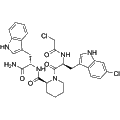
    PIN1 degrader-3

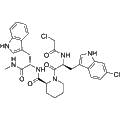
    PIN1 degrader-3 is a potent degrader of the peptidyl-prolyl isomerase protein PIN1, exhibiting an IC50 of 4.65 nM. This compound covalently binds to PIN1, leading to its degradation and a consequent reduction in cell viability, with EC50 values of 8.4 μM in MIA PaCa-2 cells and 5.3 μM in KPC cell lines after 72 hours. PIN1 degrader-3 serves as a valuable tool for investigating the role of PIN1 in pancreatic cancer research and for exploring therapeutic strategies aimed at targeting this oncogenic pathway.

    Out of stock

    All 3 sizes
  • PIN1 degrader-2
    Cat. No.
    A79922

    PIN1 degrader-2

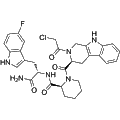
    PIN1 Degrader-2 is a potent and selective covalent inhibitor targeting the prolyl isomerase PIN1, with an IC50 of 4.1 nM. This compound effectively induces degradation of PIN1 in cancer cell lines, demonstrating a DC50 of less than 500 nM. PIN1 Degrader-2 is valuable for research applications focused on cancer biology and the role of PIN1 in tumor progression.

    Out of stock

    All 3 sizes
  • PROTAC PIN1 degrader-1
    Cat. No.
    A79924

    PROTAC PIN1 degrader-1

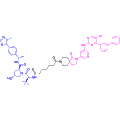
    PROTAC PIN1 degrader-1 is a proteolysis-targeting chimera (PROTAC) designed to selectively degrade the prolyl isomerase PIN1, exhibiting a DC50 value of 1.8 nM. This compound demonstrates significant activity against the MDA-MB-468 cell line, with a GI50 > 30 μM. PROTAC PIN1 degrader-1 is structurally composed of the PIN1 ligand, an E3 ligase ligand derived from Thalidomide, and a PROTAC linker, enabling targeted degradation of PIN1 for potential therapeutic applications in cancer research and beyond.

    1 mg
    $320.00
    5 mg
    $820.00
    All 6 sizes
  • PIN1 degrader-1
    Cat. No.
    A79927

    PIN1 degrader-1

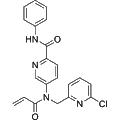
    PIN1 Degrader-1 is a selective inhibitor of the proline cis-trans isomerase Pin1, exhibiting an IC50 of 21.5 nM. This compound forms a covalent bond with Cys113, inducing conformational changes that destabilize the protein and promote proteasome-dependent degradation. PIN1 Degrader-1 effectively decreases cell viability in various cancer cell lines, making it a valuable tool for cancer research applications.

    Out of stock

    All 3 sizes
  • Lenalidomide-CO-C7-NH2
    Cat. No.
    A80213

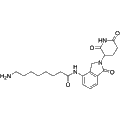
    Lenalidomide-CO-C7-NH2

    Lenalidomide-CO-C7-NH2 is a CRBN-dependent intermediate designed as a BRD4-targeting PROTAC degrader. This compound facilitates the selective degradation of the oncoprotein BRD4, leading to decreased cancer cell proliferation, cell cycle arrest, and enhanced apoptosis. It demonstrates noteworthy anti-tumor efficacy in xenograft models, making Lenalidomide-CO-C7-NH2 a valuable tool for investigating mechanisms in acute myeloid leukemia research.

    Out of stock

    All 3 sizes
  • tri-GalNAc biotin
    Cat. No.
    A81374

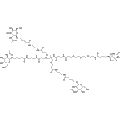
    tri-GalNAc biotin

    tri-GalNAc biotin is a biotinylated ligand that targets the asialoglycoprotein receptor (ASGPR). It facilitates the cellular uptake of neutravidin, directing it to lysosomes for degradation. This compound is valuable for research related to lysosome-targeting chimeras (LYTAC), enhancing the understanding of lysosomal pathways and targeted delivery systems in therapeutic applications.

    1 mg
    $480.00
    5 mg
    $1,230.00
    All 3 sizes
  • Tri-GalNAc(OAc)3
    Cat. No.
    A81380

    Tri-GalNAc(OAc)3

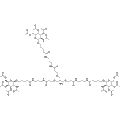
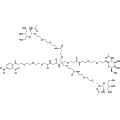
    Tri-GalNAc(OAc)3 is a trivalent N-acetylgalactosamine derivative that acts as a linker for the synthesis of lysosome-targeting chimeras (LYTACs). This compound facilitates the development of targeted therapeutics by enhancing the delivery of desired agents to lysosomal pathways. Its biological activity makes it a valuable tool in the field of drug discovery and development, particularly for applications involving targeted protein degradation and cellular uptake.

    5 mg
    $70.00
    10 mg
    $115.00
    All 5 sizes
  • M-MoDE-A (2)
    Cat. No.
    A81382

    M-MoDE-A (2)

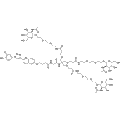
    M-MoDE-A (2) is a bifunctional small molecule targeting the asialoglycoprotein receptor (ASGPR) to facilitate the degradation of extracellular proteins. This compound enables the selective delivery and destruction of specific proteins, making it a valuable tool in the study of protein turnover and cellular homeostasis. Its application in LYTAC (lysosome-targeting chimeras) research supports investigations into protein clearance pathways and potential therapeutic strategies for protein misfolding disorders.

    Out of stock

    All 3 sizes
  • D-MoDE-A (1)
    Cat. No.
    A81383

    D-MoDE-A (1)

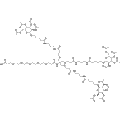
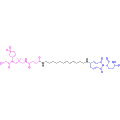
    D-MoDE-A (1) is a bifunctional small molecule that targets the asialoglycoprotein receptor (ASGPR) to facilitate the degradation of extracellular proteins. This compound is instrumental in the development of LYTACs (LYtic Targeting Chimeras), providing a novel approach for targeted protein degradation in therapeutic applications. Its unique mechanism allows for enhanced clearance of unwanted proteins, supporting research in drug development and disease modulation.

    Out of stock

    All 3 sizes
  • tri-GalNAc-COOH (acetylation)
    Cat. No.
    A81386

    tri-GalNAc-COOH (acetylation)

    tri-GalNAc-COOH (acetylation) is an acetylated derivative of tri-GalNAc-COOH, specifically designed for use as a LYTAC moiety. This compound plays a critical role in targeted protein degradation by enhancing the binding affinity of LYTACs to glycoproteins. Its applications include the development of innovative therapeutic strategies in the fields of drug delivery and cancer treatment.

    Out of stock

    All 3 sizes
  • SJ6986
    Cat. No.
    A81387

    SJ6986

    SJ6986 is a potent and selective molecular glue degrader targeting GSPT1 and GSPT2, exhibiting a DC50 of 2.1 nM with a maximum degradation (Dmax) of 99% for GSPT1. This compound facilitates the targeted degradation of these proteins, making it a valuable tool for research into proteostasis and cellular stress responses. SJ6986 can be utilized in studies focusing on cancer biology and therapeutic strategies aimed at modulating protein levels within cells.

    5 mg
    $40.00
    10 mg
    $65.00
    All 6 sizes
  • SJPYT-195
    Cat. No.
    A81391

    SJPYT-195

    SJPYT-195 is a potent GSPT1 degrader that functions through targeted protein degradation mechanisms. This compound induces proteolysis of GSPT1, leading to cytotoxic effects in various cell types. It is a valuable tool for research applications focused on studying GSPT1-related pathways and for the synthesis of PROTACs (Proteolysis Targeting Chimeras) designed to selectively degrade proteins of interest.

    5 mg
    $330.00
    10 mg
    $580.00
    All 4 sizes
  • (Rac)-Cemsidomide
    Cat. No.
    A81393

    (Rac)-Cemsidomide

    Synonyms: (Rac)-CFT7455

    (Rac)-Cemsidomide is a PROTAC degrader targeting IKZF1 and IKZF3, exhibiting potent antitumor activity through its molecular glue mechanism. This compound demonstrates a GI50 of 0.05 nM in NCIH929.1 cells, making it a valuable tool for research applications focused on the degradation of Ikaros and Aiolos proteins. Its unique properties facilitate investigations into mechanisms of action related to targeted protein degradation in cancer therapies.

    5 mg
    $475.00
    10 mg
    $825.00
    All 4 sizes
  • dCeMM1
    Cat. No.
    A81394

    dCeMM1

    dCeMM1 is a selective degrader of RBM39 that operates through the recruitment of the CRL4DCAF15 E3 ligase complex. This compound effectively reduces the protein levels of RBM39 in wild-type KBM7 cells, offering a potent tool for studying the role of RBM39 in cellular processes. dCeMM1's mechanism provides valuable insights for research applications in targeted protein degradation and cancer biology.

    1 mg
    $25.00
    5 mg
    $50.00
    All 8 sizes
  • EM12-FS
    Cat. No.
    A81398

    EM12-FS

    EM12-FS is a molecular glue degrader specifically targeting NTAQ1 through its interaction with the cereblon (CRBN) ligand at His353. This compound facilitates the degradation of NTAQ1, enabling researchers to investigate the role of this protein in various biological processes. With a human plasma half-life of 196 minutes, EM12-FS is suitable for in vitro studies and offers potential applications in drug discovery and therapeutic development.

    5 mg
    $160.00
    10 mg
    $240.00
    All 3 sizes
  • UNC8732
    Cat. No.
    A81401

    UNC8732

    UNC8732 is a selective NSD2 inhibitor that promotes protein degradation. This compound is essential for studying the role of NSD2 in epigenetic regulation and its implications in various diseases, including cancer. UNC8732 facilitates targeted protein degradation, offering valuable insights for research in cellular signaling and therapeutic development.

    1 mg
    $220.00
    5 mg
    $560.00
    All 5 sizes
  • GSPT1 degrader-4
    Cat. No.
    A81403

    GSPT1 degrader-4

    GSPT1 degrader-4 is a molecular glue targeting GSPT1, exhibiting a DC50 value of 25.4 nM. This compound has demonstrated an IC50 of 39 nM in inhibiting the proliferation of CAL51 cells. GSPT1 degrader-4 is primarily utilized in research related to protein degradation mechanisms and can aid in studies of cellular processes related to GSPT1 function.

    25 mg
    $1,530.00
    50 mg
    $1,950.00
    All 3 sizes
  • GSPT1 degrader-16
    Cat. No.
    A81404

    GSPT1 degrader-16

    GSPT1 Degrader-16 is a potent cereblon-based molecular glue degrader that selectively targets G1 to S phase transition 1 (GSPT1). It exhibits significant inhibitory effects on various cancer cell lines, including RS4;11, Molt4, and MM.1S, with IC50 values of 0.002, 0.26, and 0.37 μM, respectively. This compound is valuable for research applications related to cancer biology, particularly in the study of acute lymphoblastic leukemia.

    Out of stock

    All 3 sizes
  • dRRM-1
    Cat. No.
    A81409

    dRRM-1

    dRRM-1 is a DCAF15-dependent molecular glue degrader targeting RBM23 and RBM39. This compound facilitates the selective degradation of these RNA-binding proteins, thereby influencing cellular RNA metabolism. dRRM-1 is designed for research applications focused on cancer biology, particularly in studies examining the regulatory roles of RNA-binding proteins in tumorigenesis.

    Out of stock

    All 3 sizes
Items 701-725 of 824

Added to your cart

View Cart Checkout

    Loading...