AMPA Receptor

AMPA receptor antagonists and modulators act on glutamate-gated ion channels that carry fast excitatory transmission. The name comes from the selective agonist alpha-amino-3-hydroxy-5-methyl-4-isoxazolepropionic acid (AMPA). Each receptor is a tetramer of glutamate receptor subunits 1 to 4 (GluA1 to GluA4), first cloned in 1989. Alternative splicing gives flip and flop forms of each subunit, which differ in desensitization. NBQX and DNQX are competitive quinoxalinedione antagonists that also block kainate receptors. GYKI-52466 dihydrochloride is a noncompetitive antagonist of the 2,3-benzodiazepine class. Positive modulators include cyclothiazide, which reduces desensitization, aniracetam and the ampakine Ampalex.

Items 126-127 of 127

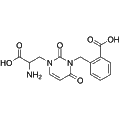
  • UBP296
    Cat. No.
    A67439

    UBP296

    UBP296 is a potent and selective antagonist of the GLUK5-containing kainate receptor. It effectively reversibly blocks ATPA-induced depressions of synaptic transmission and directly influences AMPA receptor-mediated transmission in rat hippocampal slices. This compound is valuable for investigating synaptic mechanisms and the role of kainate receptors in neurological research.

    5 mg
    $445.00
    10 mg
    $730.00
    All 4 sizes
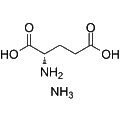
  • L-Glutamic acid ammonium
    Cat. No.
    A71830

    L-Glutamic acid ammonium

    L-Glutamic acid ammonium is an excitatory amino acid neurotransmitter that functions as an agonist for various glutamate receptors, including NMDA and AMPA subtypes. This compound enhances dopamine release from dopaminergic neurons, contributing to its role in synaptic transmission. L-Glutamic acid ammonium is valuable for researching neurological diseases and provides insights into the mechanisms of excitatory neurotransmission through both ionotropic and metabotropic receptors.

    1 g
    $20.00
    5 g
    $40.00
    All 4 sizes

Items 126-127 of 127

Added to your cart

View Cart Checkout

    Loading...