Reactive Oxygen Species (ROS)

Reactive oxygen species (ROS) modulators are antioxidants, scavengers and enzyme inhibitors for oxidative stress work. Superoxide, hydrogen peroxide and hydroxyl radicals arise mainly from the mitochondrial respiratory chain and from oxidase enzymes. Cells remove superoxide with superoxide dismutase, an enzyme activity first described in 1969. Acetylcysteine supplies cysteine for glutathione synthesis, and Mito-TEMPO is a superoxide scavenger targeted to mitochondria. Allopurinol inhibits xanthine oxidase, one enzymatic source of superoxide in tissues. Zinc protoporphyrin blocks heme oxygenase 1 (HO-1), whose induction forms part of the cellular defense against oxidative stress. Temoporfin works the other way, as a photosensitizer that generates ROS under light. Inhibitors of the superoxide-producing enzymes are listed under NADPH Oxidase.

Items 126-139 of 139

  • Piperkadsin A
    Cat. No.
    A39255

    Piperkadsin A

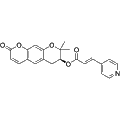
    Piperkadsin A is a potent reactive oxygen species (ROS) inhibitor. It effectively inhibits phorbol myristate acetate (PMA)-induced ROS production in human polymorphonuclear neutrophils, exhibiting an IC50 value of 4.3 μM. This compound is valuable for research applications focused on oxidative stress and inflammation-related studies.

    1 mg
    $520.00
    5 mg
    $1,310.00
    All 2 sizes
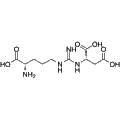
  • Argininosuccinic acid
    Cat. No.
    A39271

    Argininosuccinic acid

    Argininosuccinic acid is an intermediate in the urea cycle that serves as an oxidative stress inducer. It is known to provoke lipid and protein oxidation, deplete glutathione levels, and reduce the activity of antioxidant enzymes. Additionally, it can be converted into guanidinosuccinic acid, which acts as a nitric oxide mimic in the presence of nitric oxide-derived free radicals. This compound is valuable in research related to metabolic disorders, renal failure, and neurological diseases.

    Out of stock

    All 3 sizes
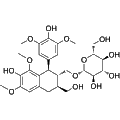
  • (-)-Lyoniresinol 9'-O-glucoside
    Cat. No.
    A39279

    (-)-Lyoniresinol 9'-O-glucoside

    (-)-Lyoniresinol 9'-O-glucoside is a reactive oxygen species (ROS) inhibitor that plays a significant role in cellular oxidative stress management. This compound has demonstrated the ability to reduce lipid accumulation and alleviate lipid metabolic disorders in free fatty acid-exposed HepG2 cells. Additionally, (-)-Lyoniresinol 9'-O-glucoside effectively inhibits ROS production induced by high glucose levels, making it a valuable reagent for research on metabolic disorders and oxidative stress-related studies.

    1 mg
    $20.00
    5 mg
    $70.00
    All 4 sizes
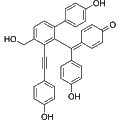
  • Selaginellin
    Cat. No.
    A39293

    Selaginellin

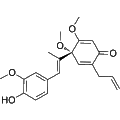
    Selaginellin is a reactive oxygen species (ROS) inhibitor that also activates SIRT1, a key regulator of cellular stress responses. This compound has been shown to protect endothelial cells from homocysteine-induced senescence by reducing ROS levels and enhancing SIRT1 gene expression. Research applications include studies on oxidative stress, aging, and cardiovascular health.

    5 mg
    $1,280.00
    All 1 sizes
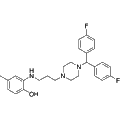
  • AD 0261
    Cat. No.
    A39309

    AD 0261

    AD 0261 is a reactive oxygen species (ROS) inhibitor that effectively scavenges free radicals. It exhibits potent inhibitory activity against the formation of lipid peroxides and superoxide anions, making it a valuable reagent in oxidative stress research. This compound is suitable for studies investigating the mechanisms of oxidative damage and potential therapeutic interventions in related diseases.

    25 mg
    $1,275.00
    50 mg
    $1,625.00
    All 3 sizes
  • Cannabidiphorol
    Cat. No.
    A39325

    Cannabidiphorol

    Synonyms: CBDP

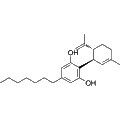
    Cannabidiphorol (CBDP) is a phytocannabinoid that acts as a reactive oxygen species (ROS) activator, enhancing ROS production and stimulating related cellular signaling pathways. This compound has demonstrated the ability to inhibit cell viability in breast cancer cells, making it a valuable tool for research in cancer biology and oxidative stress studies. Its effects on ROS signaling may provide insights into therapeutic strategies targeting oxidative pathways in various diseases.

    1 mg
    $215.00
    5 mg
    $875.00
    All 2 sizes
  • ROS inducer 6
    Cat. No.
    A65468

    ROS inducer 6

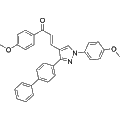
    ROS Inducer 6 is a reactive oxygen species (ROS) inducer that functions as an anticancer agent. It promotes the generation of ROS by depleting intracellular glutathione levels, leading to oxidative stress in cancer cells. This compound is utilized in research to investigate the mechanisms of ROS-mediated cell death and potential therapeutic strategies in oncology.

    5 mg
    $50.00
    10 mg
    $85.00
    All 5 sizes
  • Copper(I) oxide
    Cat. No.
    A65469

    Copper(I) oxide

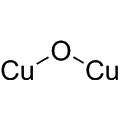
    Copper(I) oxide is an oxidative stress inducer that exerts cytotoxic effects on cellular viability, particularly in airway epithelial cells. This compound interferes with the enzymatic activities of catalase and glutathione reductase, leading to the production of reactive oxygen species and elevated levels of 8-isoprostane and oxidized glutathione. Copper(I) oxide's cytotoxicity can be mitigated in the presence of Resveratrol, highlighting its potential role in studies of oxidative damage and cellular protection mechanisms.

    1 mg
    $20.00
    100 g
    $25.00
    All 3 sizes
  • NUCC-0000323
    Cat. No.
    A65492

    NUCC-0000323

    NUCC-0000323 is a potent inhibitor of superoxide dismutase 1 (SOD1), targeting its expression to modulate redox balance. This compound has demonstrated significant biological activity, making it a valuable tool in the study of amyotrophic lateral sclerosis (ALS) and related neurodegenerative disorders. Researchers can utilize NUCC-0000323 to explore the therapeutic potential of SOD1 inhibition in various experimental models.

    1 mg
    $65.00
    5 mg
    $140.00
    All 6 sizes
  • CMB-087229
    Cat. No.
    A65499

    CMB-087229

    CMB-087229 is a specific inhibitor of mutant superoxide dismutase 1 (SOD1) protein aggregation, exhibiting an IC50 of 67 nM. This compound is valuable for research into amyotrophic lateral sclerosis (ALS), providing insights into the pathogenic role of SOD1 aggregates in neurodegenerative diseases. Its application in models of ALS may aid in understanding disease mechanisms and developing potential therapeutic strategies.

    10 mg
    $20.00
    25 mg
    $40.00
    All 2 sizes
  • SOD1-IN-1
    Cat. No.
    A65507

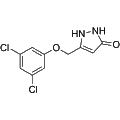
    SOD1-IN-1

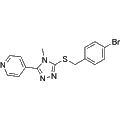
    SOD1-IN-1 is a selective inhibitor of superoxide dismutase 1 (SOD1), a key enzyme involved in cellular defense against oxidative stress. This compound demonstrates potent inhibition of SOD1 activity, making it valuable for studies focused on oxidative stress-related pathologies. Additionally, SOD1-IN-1 exhibits low cytotoxicity, making it suitable for use in a variety of biological assays and therapeutic research applications.

    Out of stock

    All 3 sizes
  • Acetoacetic acid lithium
    Cat. No.
    A71187

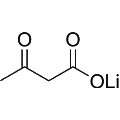
    Acetoacetic acid lithium

    Acetoacetic acid lithium is an oxidative stress inducer that targets the antioxidant enzyme system and lipid metabolism. It reduces the mRNA expression and activity of key antioxidant enzymes, including superoxide dismutase (SOD), catalase (CAT), and glutathione peroxidase (GSH-Px), while increasing malondialdehyde (MDA) levels. Additionally, it disrupts very low-density lipoprotein (VLDL) assembly by downregulating essential proteins such as apolipoprotein B100, apoE, and low-density lipoprotein receptor (LDLR), leading to triglyceride accumulation in hepatocytes. This compound is valuable for studying the mechanisms underlying metabolic diseases.

    5 mg
    $30.00
    10 mg
    $40.00
    All 5 sizes
  • Acetoacetic acid
    Cat. No.
    A71427

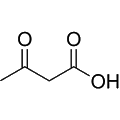
    Acetoacetic acid

    Acetoacetic acid is an oxidative stress inducer that primarily targets the antioxidant enzyme system and lipoprotein metabolism. It decreases the mRNA expression and activity of key enzymes such as superoxide dismutase (SOD), catalase (CAT), and glutathione peroxidase (GSH-Px), while increasing malondialdehyde (MDA) levels. Additionally, it inhibits very low-density lipoprotein (VLDL) assembly by downregulating apolipoprotein B100, apolipoprotein E, and low-density lipoprotein receptor (LDLR), leading to triglyceride accumulation in hepatocytes. This compound is valuable for researching metabolic disease mechanisms.

    1 mg
    $30.00
    5 mg
    $80.00
    All 6 sizes
  • Fluoflavine
    Cat. No.
    A76909

    Fluoflavine

    Synonyms: ML-090

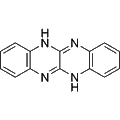
    Fluoflavine is a selective inhibitor of NOX1 and reactive oxygen species (ROS) production. This compound effectively reduces ROS levels, NOX1-mediated signaling pathways, and prevents retinal ganglion cell death induced by oxygen-glucose deprivation. In preclinical studies, Fluoflavine has demonstrated the ability to inhibit NADPH oxidase activity and mitigate pathological retinal neovascularization in models of oxygen-induced retinopathy. It is a valuable tool for investigating retinal ischemia-reperfusion injury and proliferative retinopathy.

    5 mg
    $25.00
    10 mg
    $60.00
    All 5 sizes

Items 126-139 of 139

Added to your cart

View Cart Checkout

    Loading...