Reactive Oxygen Species (ROS)

Reactive oxygen species (ROS) modulators are antioxidants, scavengers and enzyme inhibitors for oxidative stress work. Superoxide, hydrogen peroxide and hydroxyl radicals arise mainly from the mitochondrial respiratory chain and from oxidase enzymes. Cells remove superoxide with superoxide dismutase, an enzyme activity first described in 1969. Acetylcysteine supplies cysteine for glutathione synthesis, and Mito-TEMPO is a superoxide scavenger targeted to mitochondria. Allopurinol inhibits xanthine oxidase, one enzymatic source of superoxide in tissues. Zinc protoporphyrin blocks heme oxygenase 1 (HO-1), whose induction forms part of the cellular defense against oxidative stress. Temoporfin works the other way, as a photosensitizer that generates ROS under light. Inhibitors of the superoxide-producing enzymes are listed under NADPH Oxidase.

Items 76-100 of 139

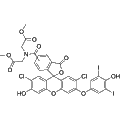
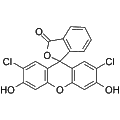
  • 2',7'-Dichlorofluorescein
    Cat. No.
    A24954

    2',7'-Dichlorofluorescein

    2',7'-Dichlorofluorescein is a potent fluorescent probe primarily used for the detection of oxidative stress by quantifying reactive oxygen species (ROS) levels. It exhibits excitation and emission maxima at 503 nm and 523 nm, respectively. This compound is essential for applications in cellular biology and biochemistry, enabling researchers to study oxidative damage and its effects on biological systems.

    1 g
    $35.00
    5 g
    $125.00
    All 2 sizes
  • HKOH-1r
    Cat. No.
    A24955

    HKOH-1r

    HKOH-1r is a highly sensitive green fluorescent probe designed for the selective detection of hydroxyl radicals (·OH) in living cells. It exhibits excitation and emission maxima at 500 nm and 520 nm, respectively, facilitating real-time visualization of oxidative stress. This reagent is applicable in various research settings, including studies focused on cellular redox status and oxidative damage pathways.

    1 mg
    $300.00
    5 mg
    $615.00
    All 4 sizes
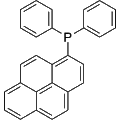
  • Diphenyl-1-pyrenylphosphine
    Cat. No.
    A24962

    Diphenyl-1-pyrenylphosphine

    Synonyms: DPPP

    Diphenyl-1-pyrenylphosphine (DPPP) serves as a fluoregenic peroxide-reactive probe, facilitating the detection of reactive oxygen species. This compound exhibits a distinctive phototriggered aggregation-induced emission (AIE) and aggregation-induced quenching (ACQ) transition, showcasing significant alterations in its third-order nonlinear optical signals. DPPP is ideal for research applications involving oxidative stress and the study of ROS-related biological processes.

    5 mg
    $105.00
    10 mg
    $205.00
    All 4 sizes
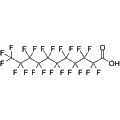
  • Perfluoroundecanoic acid
    Cat. No.
    A25848

    Perfluoroundecanoic acid

    Perfluoroundecanoic acid is an oxidative stress inducer that targets various cellular pathways. It has been shown to promote macrophage M2 polarization and activate the Wnt/β-catenin signaling cascade, leading to enhanced nuclear accumulation of β-catenin. Research indicates that perfluoroundecanoic acid can accelerate tumor progression, induce DNA damage, and contribute to reproductive and pathophysiological dysfunctions in male models. Additionally, it plays a role in the development of insulitis in type 1 diabetes models and inhibits Leydig cell development in pubertal male rats, making it valuable for studies in ovarian cancer, type 1 diabetes, and inflammation.

    500 mg
    $25.00
    1 g
    $45.00
    All 2 sizes
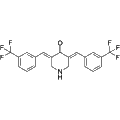
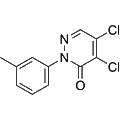
  • ROS-generating agent 1
    Cat. No.
    A26969

    ROS-generating agent 1

    ROS-generating agent 1 is a potent reactive oxygen species (ROS) inducer that covalently modifies the Sec-498 residue of thioredoxin reductase (TrxR), leading to an increase in intracellular ROS levels. This compound effectively reduces TrxR protein levels, initiating ROS-dependent apoptosis and ferroptosis in NCI-H460 cancer cells. Due to its ability to induce oxidative stress, ROS-generating agent 1 serves as a valuable tool for cancer research and therapeutic studies targeting oxidative damage mechanisms.

    1 mg
    $25.00
    5 mg
    $60.00
    All 7 sizes
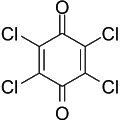
  • Chloranil
    Cat. No.
    A27078

    Chloranil

    Synonyms: Tetrachloro-p-benzoquinone; TCBQ

    Chloranil (Tetrachloro-p-benzoquinone) functions as a reactive oxygen species (ROS) inducer, playing a significant role in research focused on oxidative stress. It is known to promote the formation of neutrophil extracellular traps via the ROS-JNK-NOX2 signaling pathway. Additionally, Chloranil has been shown to induce ferroptosis and neuroinflammation, as well as triggering apoptosis in mouse embryonic stem cells. Its multifaceted biological activities make it a valuable reagent for studies investigating ROS-mediated mechanisms and cellular responses.

    1 g
    $20.00
    25 g
    $25.00
    All 6 sizes
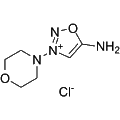
  • Linsidomine hydrochloride
    Cat. No.
    A30041

    Linsidomine hydrochloride

    Synonyms: SIN-1 chloride

    Linsidomine hydrochloride is a spontaneous generator of reactive oxygen and nitrogen species (ROS/RNS) and a peroxynitrite donor. This compound acts as a vasodilator and inhibits platelet aggregation, making it valuable in cardiovascular research. Linsidomine hydrochloride induces oxidative stress, leading to apoptosis and necrosis in chondrocytes, while also suppressing the migration, proliferation, and neointima formation of vascular smooth muscle cells through the downregulation of annexin A2. Additionally, at low concentrations, it demonstrates protective effects on nerve cells subjected to zinc treatment.

    2 mg
    $25.00
    5 mg
    $40.00
    All 6 sizes
  • LCS-1
    Cat. No.
    A30072

    LCS-1

    LCS-1 is a specific inhibitor of superoxide dismutase 1 (SOD1), demonstrating an IC50 value of 1.07 μM for SOD1 activity. This compound induces both early- and late-stage apoptosis in multiple myeloma (MM.1S) cells, making it a valuable tool for research into the mechanisms of cell survival and death in oncological studies. Its application in studying the role of oxidative stress and SOD1 in cancer biology provides insights into potential therapeutic strategies.

    5 mg
    $35.00
    10 mg
    $60.00
    All 6 sizes
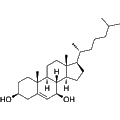
  • 7β-Hydroxycholesterol
    Cat. No.
    A30170

    7β-Hydroxycholesterol

    7β-Hydroxycholesterol is an oxysterol formed through the oxidation of cholesterol, serving as a potent oxidative stress inducer. This compound is known to elicit cellular oxidative stress, leading to apoptosis and necrosis, which contributes to its cytotoxic effects. Additionally, 7β-Hydroxycholesterol exhibits antitumor activity, making it relevant for research in cancer biology and cell death pathways.

    1 mg
    $40.00
    5 mg
    $120.00
    All 6 sizes
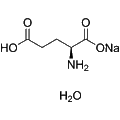
  • L-Glutamic acid monosodium (hydrate)
    Cat. No.
    A30326

    L-Glutamic acid monosodium (hydrate)

    L-Glutamic acid monosodium (hydrate) is primarily known as an oxidative stress inducer. It has been shown to induce oxidative stress, leading to DNA damage and apoptosis in liver and brain tissues, particularly in murine models. This compound serves as a valuable tool for investigating the mechanisms underlying metabolic disorders and obesity associated with oxidative stress.

    100 mg
    $20.00
    500 mg
    $25.00
    All 5 sizes
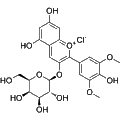
  • Malvidin-3-galactoside chloride
    Cat. No.
    A30816

    Malvidin-3-galactoside chloride

    Malvidin-3-galactoside chloride is a potent ROS inhibitor primarily targeting reactive oxygen species within cells. This anthocyanin monomer has been shown to induce cell cycle arrest and apoptosis in hepatocellular carcinoma (HCC) cells, demonstrating significant anti-tumor activity. Its ability to inhibit ROS production and accumulation makes it a valuable tool for exploring mechanisms of oxidative stress in cancer research and developing potential therapeutic strategies against HCC.

    1 mg
    $210.00
    5 mg
    $540.00
    All 3 sizes
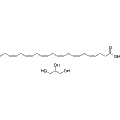
  • Didocosahexaenoin
    Cat. No.
    A32161

    Didocosahexaenoin

    Didocosahexaenoin is a diglyceride derivative of docosahexaenoic acid (DHA) known to be a reactive oxygen species (ROS) inducer. It significantly disrupts mitochondrial membrane potential, resulting in elevated ROS levels and subsequent apoptosis. Research demonstrates that Didocosahexaenoin exhibits greater cytotoxicity compared to DHA, particularly in human prostate carcinoma cells, making it a valuable tool for studying oxidative stress and apoptosis in cancer research.

    1 mg
    $125.00
    10 mg
    $1,615.00
    All 2 sizes
  • ROS kinases-IN-1
    Cat. No.
    A35161

    ROS kinases-IN-1

    ROS kinases-IN-1 is a potent inhibitor of receptor tyrosine kinases within the ROS family, exhibiting an IC50 value of 1.22 μM. This compound demonstrates significant anti-tumor activity, making it a valuable tool for cancer research. ROS kinases-IN-1 can be utilized in studies investigating the role of ROS signaling in tumor progression and therapeutic resistance.

    1 mg
    $30.00
    5 mg
    $80.00
    All 7 sizes
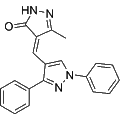
  • ROS kinases-IN-2
    Cat. No.
    A35177

    ROS kinases-IN-2

    ROS kinases-IN-2 is a selective inhibitor of reactive oxygen species (ROS) kinases, demonstrating 21.53% inhibition at a concentration of 10 μM. This compound is utilized in cancer research to explore mechanisms underlying abnormal cell proliferation and growth regulation. Its efficacy in modulating ROS signaling pathways makes it a valuable tool for investigating tumor biology and potential therapeutic interventions.

    1 mg
    $55.00
    5 mg
    $130.00
    All 7 sizes
  • Tofersen
    Cat. No.
    A37670

    Tofersen

    Synonyms: BIIB067; ISIS-SOD1Rx; ISIS 333611

    Tofersen is an antisense oligonucleotide designed to induce RNase H-mediated degradation of superoxide dismutase 1 (SOD1) mRNA, thereby decreasing SOD1 protein synthesis. This compound serves as a valuable tool in the study of amyotrophic lateral sclerosis (ALS) pathology and therapeutic interventions targeting SOD1 mutations. Researchers can utilize Tofersen to explore its potential effects on motor neuron preservation and neurodegeneration associated with ALS.

    1 mg
    $95.00
    5 mg
    $275.00
    All 6 sizes
  • Xanthine oxidase, Microorganism
    Cat. No.
    A38769

    Xanthine oxidase, Microorganism

    Synonyms: XO; XOD

    Xanthine oxidase, Microorganism (XO) is an enzyme belonging to the xanthine oxidoreductase family that acts as a potent inducer of reactive oxygen species (ROS). This enzyme catalyzes the oxidation of hypoxanthine to xanthine and subsequently converts xanthine into uric acid. Xanthine oxidase is widely utilized in research applications focused on oxidative stress, inflammation, and related pathological conditions.

    100 mg
    $80.00
    500 mg
    $190.00
    All 2 sizes
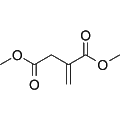
  • Dimethyl itaconate
    Cat. No.
    A38783

    Dimethyl itaconate

    Dimethyl itaconate acts as a reactive oxygen species (ROS) inducer and is known for its immunomodulatory properties. It enhances innate immune memory (trained immunity) while inhibiting microglial activation, thereby reducing neuroinflammation and synaptic structural damage. Additionally, dimethyl itaconate has been shown to influence the composition of intestinal microbiota, making it useful for studies related to immune response and neuroinflammatory conditions.

    1 g
    $20.00
    100 g
    $25.00
    All 2 sizes
  • D-α-Hydroxyglutaric acid
    Cat. No.
    A38810

    D-α-Hydroxyglutaric acid

    Synonyms: (R)-2-Hydroxyglutarate; (R)-2-Hydroxyglutaric acid; (R)-2-Hydroxypentanedioic acid

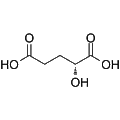
    D-α-Hydroxyglutaric acid (R-2-Hydroxyglutarate) primarily functions as a reactive oxygen species (ROS) activator and is notable for its role as a metabolite in D-2-hydroxyglutaric aciduria. It acts as a weak competitive antagonist of α-ketoglutarate (α-KG), demonstrating inhibition of α-KG-dependent dioxygenases with a Ki value of 10.87 mM. This compound is known to enhance ROS production and has been shown to bind to and inhibit ATP synthase, thereby influencing mTOR signaling pathways. Its unique properties make it applicable in various research settings focused on metabolic disorders and oxidative stress.

    10 mg
    $110.00
    25 mg
    $195.00
    All 4 sizes
  • ROS-IN-1
    Cat. No.
    A38811

    ROS-IN-1

    ROS-IN-1 is a potent inhibitor of reactive oxygen species (ROS) production, targeting mitochondrial pathways to mitigate oxidative stress. This compound effectively reduces ROS levels, making it a valuable reagent for studies focused on oxidative damage and related cellular processes. Its application in research offers insights into the mechanisms underlying diseases associated with oxidative stress.

    5 mg
    $30.00
    10 mg
    $55.00
    All 6 sizes
  • Argininosuccinic acid disodium
    Cat. No.
    A38814

    Argininosuccinic acid disodium

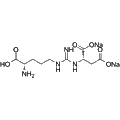
    Argininosuccinic acid disodium is an oxidative stress inducer that serves as an intermediate in the urea cycle, with implications for argininosuccinic aciduria. This compound can promote oxidative stress through lipid and protein oxidation, decrease glutathione levels, and reduce antioxidant enzyme activity. Additionally, it can be converted to guanidinosuccinic acid, resembling nitric oxide under the influence of nitric oxide-derived free radicals. Argininosuccinic acid disodium is valuable in research related to metabolic disorders, renal dysfunction, and neurological diseases.

    1 mg
    $160.00
    All 1 sizes
  • Decylubiquinone
    Cat. No.
    A38819

    Decylubiquinone

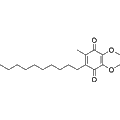
    Decylubiquinone functions as an inhibitor of reactive oxygen species (ROS) production. As an analog of ubiquinone (coenzyme Q10), it effectively blocks ROS generation induced by glutathione depletion and inhibits the activation of the mitochondrial permeability transition. This compound is useful for research applications focused on oxidative stress and mitochondrial function.

    5 mg
    $95.00
    10 mg
    $150.00
    All 4 sizes
  • QD394
    Cat. No.
    A38852

    QD394

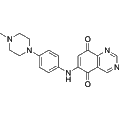
    QD394 is a reactive oxygen species (ROS) inducer that facilitates lipid peroxidation and enhances intracellular ROS accumulation. It has been shown to inhibit STAT3 phosphorylation, leading to the induction of ferroptosis. This compound is primarily utilized in research applications focused on oxidative stress, cellular signaling pathways, and the study of ferroptotic mechanisms.

    1 mg
    $70.00
    5 mg
    $180.00
    All 6 sizes
  • Capillarisin
    Cat. No.
    A38853

    Capillarisin

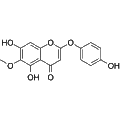
    Capillarisin is a reactive oxygen species inhibitor derived from Artemisiae Capillaris herba, known for its anti-inflammatory and antioxidant properties. This compound demonstrates significant potential in addressing asthma-related complications and may serve as a neuroprotectant against neurotoxicity induced by bupivacaine. Its unique mechanism of action positions it as a valuable tool for research in oxidative stress-related conditions and potential neuroprotection studies.

    1 mg
    $410.00
    5 mg
    $1,190.00
    All 2 sizes
  • Aminoguanidine hemisulfate
    Cat. No.
    A38854

    Aminoguanidine hemisulfate

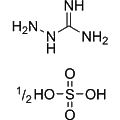
    Aminoguanidine hemisulfate is a potent inhibitor of nitric oxide synthase (NOS) and reactive oxygen species (ROS). It effectively reduces ROS production induced by angiotensin II in vitro, making it a valuable tool for investigating oxidative stress-related pathways. This compound is commonly utilized in cancer research to explore the role of NOS and ROS in tumor biology.

    500 mg
    $25.00
    1 g
    $40.00
    All 2 sizes
  • Sonlicromanol
    Cat. No.
    A38887

    Sonlicromanol

    Synonyms: KH176

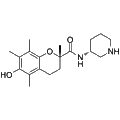
    Sonlicromanol (KH176) is an orally active reactive oxygen species (ROS) modulator that targets oxidative stress pathways. It exhibits significant biological activity in the context of mitochondrial diseases, making it a valuable tool for research into mitochondrial dysfunction and associated disorders. Its ability to selectively modulate ROS levels facilitates investigations into cellular metabolism and signaling processes.

    1 mg
    $155.00
    5 mg
    $395.00
    All 6 sizes

Items 76-100 of 139

Added to your cart

View Cart Checkout

    Loading...