Reactive Oxygen Species (ROS)

Reactive oxygen species (ROS) modulators are antioxidants, scavengers and enzyme inhibitors for oxidative stress work. Superoxide, hydrogen peroxide and hydroxyl radicals arise mainly from the mitochondrial respiratory chain and from oxidase enzymes. Cells remove superoxide with superoxide dismutase, an enzyme activity first described in 1969. Acetylcysteine supplies cysteine for glutathione synthesis, and Mito-TEMPO is a superoxide scavenger targeted to mitochondria. Allopurinol inhibits xanthine oxidase, one enzymatic source of superoxide in tissues. Zinc protoporphyrin blocks heme oxygenase 1 (HO-1), whose induction forms part of the cellular defense against oxidative stress. Temoporfin works the other way, as a photosensitizer that generates ROS under light. Inhibitors of the superoxide-producing enzymes are listed under NADPH Oxidase.

Items 101-125 of 139

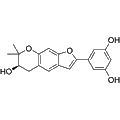
  • Moracin P
    Cat. No.
    A38890

    Moracin P

    Moracin P is a 2-arylbenzofuran that acts as a reactive oxygen species (ROS) inhibitor. It demonstrates significant in vitro inhibitory effects on hypoxia-inducible factor (HIF-1) and effectively reduces ROS production induced by oxygen-glucose deprivation (OGD). This compound showcases neuroprotective and anti-inflammatory properties, making it valuable for research into oxidative stress-related conditions and neurodegenerative diseases.

    1 mg
    $80.00
    5 mg
    $205.00
    All 3 sizes
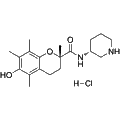
  • Sonlicromanol hydrochloride
    Cat. No.
    A38902

    Sonlicromanol hydrochloride

    Synonyms: KH176 hydrochloride

    Sonlicromanol hydrochloride is a ROS-redox modulator designed to penetrate the blood-brain barrier. This derivative of Trolox exhibits significant potential in mitigating oxidative stress, making it valuable for the investigation of mitochondrial disorders. Its unique properties facilitate research into therapeutic strategies for various neurodegenerative diseases linked to redox imbalance.

    1 mg
    $75.00
    2 mg
    $115.00
    All 8 sizes
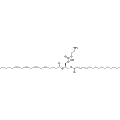
  • 1-Palmitoyl-2-arachidonoyl-sn-glycero-3-PE
    Cat. No.
    A38903

    1-Palmitoyl-2-arachidonoyl-sn-glycero-3-PE

    Synonyms: PAPE; 1-Palmitoyl-2-arachidonoyl PE

    1-Palmitoyl-2-arachidonoyl-sn-glycero-3-PE (PAPE) is a reactive oxygen species (ROS) inhibitor known for its antioxidant properties attributed to its unsaturated fatty acid composition. This compound has been investigated for its potential ability to mitigate oxidative stress in cellular systems. PAPE is valuable in research applications studying oxidative damage, inflammation, and related signaling pathways.

    5 mg
    $225.00
    10 mg
    $415.00
    All 3 sizes
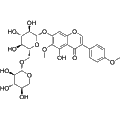
  • Kakkalide
    Cat. No.
    A38911

    Kakkalide

    Kakkalide is an isoflavone that functions as a reactive oxygen species (ROS) inhibitor. It exhibits significant biological activity by ameliorating endothelial insulin resistance and suppressing ROS-associated inflammation. This compound is valuable for research applications focused on metabolic disorders and oxidative stress-related conditions.

    1 mg
    $160.00
    5 mg
    $340.00
    All 6 sizes
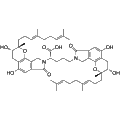
  • Orniplabin
    Cat. No.
    A38916

    Orniplabin

    Synonyms: SMTP-7

    Orniplabin, a reactive oxygen species inhibitor, exhibits significant biological activity by enhancing plasminogen–fibrin binding and facilitating the urokinase-mediated activation of plasminogen. This compound promotes the degradation of fibrin, which may offer therapeutic benefits in thrombolysis and inflammation. Additionally, Orniplabin's ability to inhibit reactive oxygen species makes it a valuable tool for research exploring oxidative stress and its related pathways.

    1 mg
    $1,025.00
    5 mg
    $2,630.00
    All 3 sizes
  • Luciferase-IN-1
    Cat. No.
    A38919

    Luciferase-IN-1

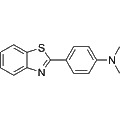
    Luciferase-IN-1 is a potent inhibitor of luciferase activity, specifically targeting reactive oxygen species (ROS) pathways. It demonstrates significant biological activity by effectively reducing ROS production, thereby facilitating the study of oxidative stress in cellular systems. This compound is valuable for researchers investigating the role of ROS in various physiological and pathological processes, including cancer biology and neurodegenerative diseases.

    5 mg
    $20.00
    10 mg
    $30.00
    All 6 sizes
  • Pennogenin
    Cat. No.
    A38931

    Pennogenin

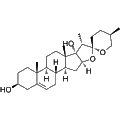
    Pennogenin is a bioactive compound derived from the rhizomes of T. govanianum, functioning as a reactive oxygen species (ROS) release inhibitor. This compound demonstrates significant inhibitory activity against ROS release in vitro, making it a valuable tool for studies focused on oxidative stress and related cellular processes. Its applications extend to research involving inflammation, neuroprotection, and other areas where ROS modulation is critical.

    1 mg
    $100.00
    5 mg
    $245.00
    All 6 sizes
  • Vulpinic acid
    Cat. No.
    A38961

    Vulpinic acid

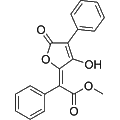
    Vulpinic acid, a lichen-derived metabolite, acts as a reactive oxygen species (ROS) inhibitor by reducing H2O2-induced ROS production and associated oxidative stress in human umbilical vein endothelial cells (HUVEC). This compound demonstrates antibacterial activity against staphylococci, enterococci, and anaerobic bacteria. Vulpinic acid is an important tool for research into atherosclerosis and other oxidative stress-related conditions.

    5 mg
    $20.00
    10 mg
    $25.00
    All 6 sizes
  • 6-Deoxyjacareubin
    Cat. No.
    A38990

    6-Deoxyjacareubin

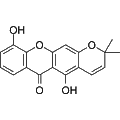
    6-Deoxyjacareubin is a natural xanthone functioning as a reactive oxygen species (ROS) inhibitor. It protects against non-apoptotic cell death by effectively inhibiting ROS production. This compound has demonstrated neuroprotective effects, significantly ameliorating neurodegeneration in a mouse model of familial amyotrophic lateral sclerosis (ALS), making it valuable for research in neurodegenerative disease studies.

    1 mg
    $400.00
    5 mg
    $1,030.00
    All 2 sizes
  • PRDX1-IN-3
    Cat. No.
    A38995

    PRDX1-IN-3

    PRDX1-IN-3 is a covalent inhibitor that targets Peroxiredoxin 1 (PRDX1), a key regulator of reactive oxygen species (ROS). This compound demonstrates significant anti-proliferative effects on colorectal cancer cells and shows a marked reduction in tumor efficacy in PRDX1 gene knockout models in nude mice. Additionally, PRDX1-IN-3 upregulates downstream genes associated with the p53 signaling pathway, enhancing its anticancer properties and making it a valuable tool for research in cancer biology and pharmacology.

    5 mg
    $615.00
    10 mg
    $1,010.00
    All 3 sizes
  • Methyllucidone
    Cat. No.
    A39009

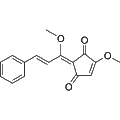
    Methyllucidone

    Methyllucidone is a ROS inhibitor with neuroprotective properties, derived from Lindera erythrocarpa Makino. It effectively reduces reactive oxygen species production and activates key antioxidant signaling pathways, including Nrf-2 and PI3K. This compound is valuable in research related to oxidative stress and neurodegenerative diseases, contributing to a better understanding of cellular defense mechanisms.

    1 mg
    $225.00
    25 mg
    $1,275.00
    All 4 sizes
  • Chitoheptaose heptahydrochloride
    Cat. No.
    A39030

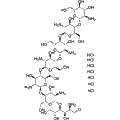
    Chitoheptaose heptahydrochloride

    Chitoheptaose heptahydrochloride is a chitosan oligosaccharide that functions as a reactive oxygen species (ROS) inhibitor. It exhibits antioxidant, anti-inflammatory, and anti-apoptotic properties, contributing to cardioprotective effects. This compound has been shown to enhance growth and photosynthesis in wheat seedlings, making it valuable for research in plant biology and stress response studies.

    2 mg
    $110.00
    5 mg
    $275.00
    All 3 sizes
  • BTA-EG4
    Cat. No.
    A39045

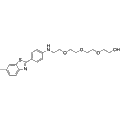
    BTA-EG4

    BTA-EG4 is a reactive oxygen species (ROS) inducer that functions as a catalase-amyloid interaction inhibitor. It has been shown to significantly enhance the neurotoxicity of amyloid peptides in neuronal cells with elevated catalase expression. This compound is valuable for research applications focused on neurodegenerative diseases, providing insights into the mechanisms underlying amyloid-related pathology.

    1 mg
    $155.00
    5 mg
    $360.00
    All 6 sizes
  • NPD926
    Cat. No.
    A39065

    NPD926

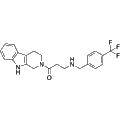
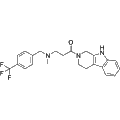
    NPD926 is a small molecule that acts as a reactive oxygen species (ROS) activator. By depleting intracellular glutathione levels, NPD926 promotes the generation of ROS, which can lead to apoptosis in cancer cells. This compound has potential applications in cancer research, particularly in enhancing the efficacy of Xc- system inhibitors in fibrotic conditions. NPD926 serves as an important tool for investigating ROS-related signaling pathways in cancer biology.

    25 mg
    $1,275.00
    50 mg
    $1,625.00
    All 3 sizes
  • Ecabet
    Cat. No.
    A39066

    Ecabet

    Ecabet is a reactive oxygen species (ROS) inhibitor that demonstrates significant efficacy in mitigating oxidative stress. By inhibiting ROS production, Ecabet is beneficial in the treatment of gastrointestinal disorders, particularly in enhancing the eradication of Helicobacter pylori. This compound also reduces apoptosis, making it a valuable tool for studies focused on oxidative stress and its role in cellular processes.

    25 mg
    $1,800.00
    50 mg
    $2,285.00
    All 3 sizes
  • Simmondsin
    Cat. No.
    A39074

    Simmondsin

    Simmondsin is a reactive oxygen species (ROS) inhibitor derived from the jojoba plant (Simmondsia chinensis). It exhibits significant biological activity by reducing food intake and body weight in animal models, specifically in rats, without presenting adverse effects. This compound is of interest for research applications focused on metabolic regulation and the role of oxidative stress in weight management.

    1 mg
    $120.00
    5 mg
    $305.00
    All 5 sizes
  • Anticancer agent 15
    Cat. No.
    A39083

    Anticancer agent 15

    Anticancer agent 15 functions as a Reactive Oxygen Species (ROS) inducer, effectively elevating intracellular ROS levels. Its mechanism results in the induction of necroptosis in melanoma cancer cells, contributing to programmed cell death. This compound is valuable for research in cancer biology, particularly in studies focused on ROS-mediated signaling pathways and therapeutic strategies against melanoma.

    25 mg
    $1,275.00
    All 1 sizes
  • HNGF6A
    Cat. No.
    A39101

    HNGF6A

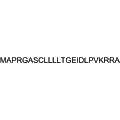
    HNGF6A is a reactive oxygen species (ROS) inhibitor and a humanin analogue. It enhances glucose-stimulated insulin secretion and glucose metabolism, making it a valuable tool for diabetes research. Additionally, HNGF6A effectively inhibits ROS production during oxidative stress, which can contribute to preventing endothelial dysfunction and atherosclerosis in vivo.

    1 mg
    $385.00
    All 1 sizes
  • Picrasidine A
    Cat. No.
    A39110

    Picrasidine A

    Picrasidine A is a potent reactive oxygen species (ROS) inhibitor derived from the natural product Picrasma quassioides. This compound demonstrates the ability to inhibit UVB-induced ROS generation, making it a valuable tool for research in oxidative stress and related cellular responses. Its applications extend to studies investigating the protective effects against UV radiation and the underlying mechanisms of antioxidative pathways.

    Out of stock

    All 3 sizes
  • ROS-ERS inducer 2
    Cat. No.
    A39150

    ROS-ERS inducer 2

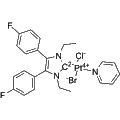
    ROS-ERS Inducer 2 (Complex 3f) functions primarily by inducing reactive oxygen species (ROS) generation within cells, significantly impacting mitochondrial function. This compound promotes the release of damage-associated molecular patterns (DAMPs), facilitates immunogenic cell death (ICD), and activates endoplasmic reticulum stress (ERS). ROS-ERS Inducer 2 is a valuable tool for research in anti-liver cancer therapies and the exploration of mechanisms underlying cellular stress responses.

    Out of stock

    All 3 sizes
  • ROS inducer 3
    Cat. No.
    A39164

    ROS inducer 3

    ROS Inducer 3 (Compound I6) primarily functions as a reactive oxygen species (ROS) inducer. It demonstrates significant in vitro bioactivity with an EC50 of 2.86 μg/mL, showcasing robust protective effects against Pseudomonas syringae pv. actinidiae. As a bactericidal agent, ROS Inducer 3 is relevant for studies focused on managing persistent plant bacterial diseases.

    1 mg
    $160.00
    5 mg
    $425.00
    All 5 sizes
  • ROS inducer 2
    Cat. No.
    A39179

    ROS inducer 2

    ROS Inducer 2 (Compound I16) primarily functions as a reactive oxygen species (ROS) inducer, demonstrating significant in vitro bioactivity with an EC50 of 3.43 μg/mL. This compound exhibits potent bactericidal properties against Xanthomonas axonopodis pv. citri in vivo, making it a valuable tool for research on persistent bacterial diseases in plants. Its ability to induce ROS provides insights into mechanisms of plant disease resistance and potential therapeutic strategies.

    1 mg
    $235.00
    5 mg
    $590.00
    All 4 sizes
  • Amphimedine
    Cat. No.
    A39207

    Amphimedine

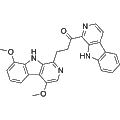
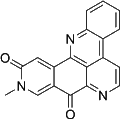
    Amphimedine is a polycyclic alkaloid derived from the marine sponge Amphimedon sp., classified as a pyridoindole alkaloid. This compound functions as a reactive oxygen species (ROS) inducer, exerting cytotoxic effects that lend it potential as an anticancer agent. Research indicates that amphimedine, alongside its analog neoamphimedine, can induce cellular DNA damage via ROS generation, making it a valuable tool for studies in cancer biology and oxidative stress research.

    Out of stock

    All 3 sizes
  • Euparin
    Cat. No.
    A39246

    Euparin

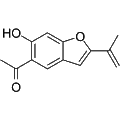
    Euparin is a monomeric benzofuran derivative that acts as a reactive oxygen species (ROS) inhibitor. It exhibits antiviral activity against poliovirus and demonstrates potential antidepressant effects. This compound is valuable for researchers studying oxidative stress, viral infections, and mood disorders.

    1 mg
    $160.00
    5 mg
    $410.00
    All 3 sizes
  • D-Isofloridoside
    Cat. No.
    A39251

    D-Isofloridoside

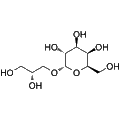
    D-Isofloridoside functions as a reactive oxygen species (ROS) and matrix metalloproteinase (MMP) inhibitor. It exhibits significant free radical scavenging activity and reduces the expression of ROS. Additionally, D-Isofloridoside effectively inhibits the enzymatic activity of MMP-2 and MMP-9, making it useful in studies of oxidative stress and tissue remodeling. Its applications span various fields, including cancer research and inflammation studies.

    1 mg
    $235.00
    5 mg
    $590.00
    All 6 sizes

Items 101-125 of 139

Added to your cart

View Cart Checkout

    Loading...