
- Cat. No.
- A15685
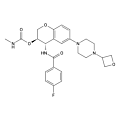
LY3000328
LY3000328 is a Cathepsin S inhibitor with excellent in vitro potency and selectivity against other cysteine proteases.
In stock
View Details
Search by product name, CAS, target or catalog number. Press Down Arrow to reach product suggestions, Tab to move between links, and Escape to close suggestions.
Cysteine protease inhibitors block enzymes that cut peptide bonds with a thiol group in the active site. The papain-like cysteine cathepsins work mainly in lysosomes, where they degrade proteins and process antigens and prohormones. Calpains are calcium-dependent cytosolic cysteine proteases that cleave cytoskeletal and signaling proteins at limited sites rather than digesting them completely. Both groups are studied in models of bone resorption, neurodegeneration, muscle wasting and tumor invasion. CA-074 inhibits cathepsin B, and CA-074 Methyl Ester is its membrane-permeable ester. Odanacatib targets cathepsin K, the main collagen-degrading protease of osteoclasts. MDL 28170 and PD 150606 inhibit calpains, while aloxistatin acts broadly on cysteine proteases.
LY3000328 is a Cathepsin S inhibitor with excellent in vitro potency and selectivity against other cysteine proteases.
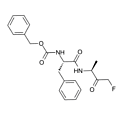
Synonyms: Z-Phe-Ala-fluoromethyl ketone; Z-Phe-Ala-FMK; Zfa-FMK; Z-Phe-Ala-CH2F; Cathepsin B; Caspase Inhibitor
(S,S)-Z-FA-FMK is an irreversible inhibitor of cysteine protease
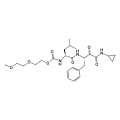
SNJ-1945 is a calpain inhibitor with more favorable retinal penetration, high oral bioavailability, and long half-life. SNJ1945 rescued defective function in lissencephaly.
Out of stock
All 5 sizes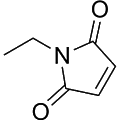
Synonyms: NEM
N-Ethylmaleimide (NEM) is a potent chemical reagent that irreversibly alkylates free sulfhydryl groups, specifically targeting cysteine residues. This compound serves as an effective inhibitor of cysteine proteases and significantly affects phosphate transport in mitochondria. With an IC50 value of 6.3 μM, N-Ethylmaleimide is valuable for modifying cysteine residues in proteins and peptides, making it an essential tool in biochemical research and studies involving protein functionality and structure.
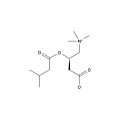
Isovalerylcarnitine is a product of the catabolism of L-leucine. It increases calpain activity.
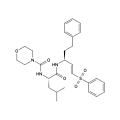
LHVS is a potent, non-selective cysteine protease inhibitor. LHVS effectively blocks T. gondii microneme protein secretion (IC50=10 μM), gliding motility, and cell invasion.
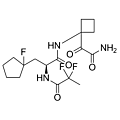
MIV-247 is a selective cathepsin S inhibitor with Kis of 2.1, 4.2 and 7.5 nM for human, mouse and cynomolgus monkey cathepsin S, respectively.
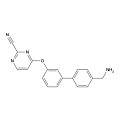
Cysteine Protease inhibitor is an inhibitor of cysteine protease.
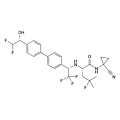
MK-0674 is a potent, orally bioavailable and selective cathepsin K inhibitor, with an IC50 of 0.4 nM, shows 1156, 1465, 11857 and 243 fold selectivity over Cat B, Cat F, Cat L and Cat S.
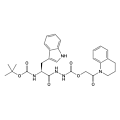
Synonyms: CID 23631927
Oxocarbazate, also known as CID23631927, is an inhibitor of human cathepsin L.
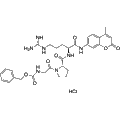
Z-Gly-Pro-Arg-AMC hydrochloride a fluorescent trypsin and cathepsin K substrate. Z-Gly-Pro-Arg-AMC hydrochloride can be used to determine trypsin and cathepsin K activity.
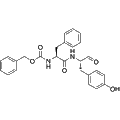
Synonyms: Z-Phe-Tyr-CHO
Z-FY-CHO (Z-Phe-Tyr-CHO) is a potent and specific inhibitor of cathepsin L (CTSL), a lysosomal cysteine protease involved in protein degradation and various pathological processes. It is commonly used as a tool compound in studies of CTSL-related functions and diseases.

Papain is a cysteine protease belonging to the peptidase C1 family, derived from the latex of the papaya (*Carica papaya*). It is widely used across various industries, including food processing (as a meat tenderizer), pharmaceuticals (for wound debridement and anti-inflammatory formulations), textiles (for fabric treatment), and cosmetics (for exfoliation and skin care products).
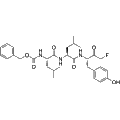
Synonyms: Calpain Inhibitor IV
Z-LLY-FMK is a potent calpain inhibitor that exhibits significant effects on apoptosis across various cell systems. By inhibiting calpain activity, Z-LLY-FMK has been shown to mitigate intestinal apoptosis following common bile duct ligation and reduce parasite burden in mouse models challenged with Taenia crassiceps cysts. This reagent serves as a valuable tool for research into cysticercosis and the role of calpain in cellular processes.
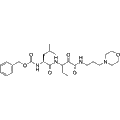
Synonyms: CX 295
AK 295 is a selective calpain inhibitor that modulates apoptosis via a calpain-dependent mechanism. This compound exhibits potent neuroprotective effects and is effective in decreasing myocardial injury by inhibiting calpain activity. AK 295 is suitable for research applications related to infection, inflammation, and a variety of diseases, including cardiovascular conditions and neurological disorders such as stroke and viral myocarditis.
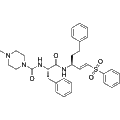
K777 is a potent irreversible cysteine protease inhibitor, selectively targeting Cruzain— the principal cysteine protease of Trypanosoma cruzi— along with cathepsins B and L. It demonstrates robust antiviral activity by inhibiting cathepsin-mediated cell entry, effectively blocking the entry of SARS-CoV and EBOV pseudoviruses with IC50 values of 0.68 nM and 0.87 nM, respectively. Additionally, K777 acts as a CYP3A4 inhibitor with a notable IC50 of 60 nM and serves as a selective CCR4 antagonist, making it useful in various biological and therapeutic research applications.
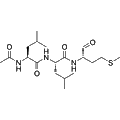
Synonyms: Calpain inhibitor II
ALLM, also known as Calpain inhibitor II, acts as a potent inhibitor of calpain and cathepsin proteases. This compound is known to mitigate neuronal cell death, thereby enhancing chronic neurological function following spinal cord injury (SCI). Its utility in research extends to studies investigating protease activity and the mechanisms underlying neuroprotection in trauma-related conditions.
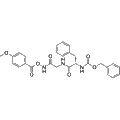
Z-FG-NHO-BzOME is a selective inhibitor of cysteine proteases, particularly targeting cathepsin B, cathepsin L, cathepsin S, and papain. This compound demonstrates significant activity in modulating proteolytic pathways, offering utility in studies related to inflammation, cancer progression, and apoptosis. Research applications include the investigation of cysteine protease functions and their roles in various pathological conditions.
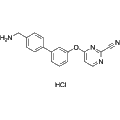
Cysteine Protease Inhibitor Hydrochloride is a selective inhibitor of cysteine proteases, which plays a crucial role in various physiological and pathological processes. This reagent is essential for preserving protein integrity and function in cellular and tissue lysates, making it ideal for immunoblotting experiments. Its application extends to research in areas such as apoptosis, inflammation, and cancer biology, where regulation of proteolytic activity is critical.
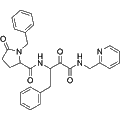
(Rac)-Neurodegenerative Disorder-Targeting Compound 1 is a calpain inhibitor that selectively modulates calpain activity, implicated in neurodegenerative processes. This compound is designed for research applications focused on neurodegeneration, providing a valuable tool for investigating the role of calpain in cellular function and injury. The inhibition of calpain activity may contribute to understanding the molecular mechanisms underlying neurodegenerative disorders.
Out of stock
All 3 sizes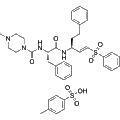
K777 tosylate is a potent, irreversible inhibitor of cysteine proteases, primarily targeting Cruzain, the key protease of Trypanosoma cruzi, along with cathepsins B and L. This compound also exhibits strong inhibition of CYP3A4 with an IC50 of 60 nM and acts as a selective CCR4 antagonist, effectively blocking chemotaxis. Additionally, K777 tosylate demonstrates significant antiviral activity by impairing cathepsin-mediated entry of viruses, with IC50 values of 0.68 nM against SARS-CoV and 0.87 nM against EBOV pseudovirus, making it valuable for research in infectious diseases and therapeutic development.
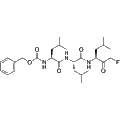
Synonyms: Z-LLL-FMK
Z-Leu-Leu-Leu-fluoromethyl ketone (Z-LLL-FMK) is a potent inhibitor of cysteine proteases. It has demonstrated effectiveness in inhibiting SARS-CoV infection and offers protective effects in mouse models against T. crassiceps challenges. This compound is instrumental in studies related to viral infection mechanisms and cysteine protease biology, making it a valuable tool for research in these areas.
Out of stock
All 3 sizes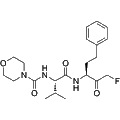
Synonyms: Mu-Val-HPh-FMK
Calpain Inhibitor V (Mu-Val-HPh-FMK) is an irreversible inhibitor of calpain, designed for effective cellular penetration. This compound exhibits notable anti-chlamydial activity and is utilized in research exploring calpain-mediated pathways and their implications in various diseases. Its application extends to studies focused on cellular signaling processes and the therapeutic potential of calpain modulation.
Out of stock
All 3 sizes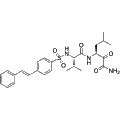
Calpain Inhibitor-2 is a peptide inhibitor targeting μ-calpain, with a Ki value of 9 nM. This compound demonstrates significant antiproliferative activity against melanoma cell lines, specifically A-375 and B-16F1, as well as PC-3 prostate cancer cells in vitro. It is a valuable tool for research applications focused on exploring calpain-mediated pathways in cancer biology.