PROTAC Degrader

PROTAC degraders recruit an E3 ubiquitin ligase to a target protein so that the proteasome degrades it. Each proteolysis-targeting chimera (PROTAC) links a target-binding ligand to an E3 ligase ligand through a chemical linker. The approach was first described in 2001, and later work showed that small-molecule PROTACs can act catalytically, removing several target copies per molecule. Examples include the bromodomain and extra-terminal (BET) degraders dBET1, MZ1 and ARV-771, and the estrogen receptor degrader ERD-308. Degraders of anti-apoptotic proteins, such as PROTAC Mcl1 degrader-1, are also listed.

Items 651-675 of 786

  • MS910
    Cat. No.
    A65816

    MS910

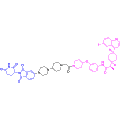
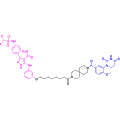
    MS910 is a potent and selective PROTAC degrader targeting MEK1 and MEK2 kinases. It demonstrates effective degradation of MEK1 and MEK2 in various cancer cell lines, with reported DC50 values of 118 nM for MEK1 and 55 nM for MEK2 in HT-29 cells, and 94 nM for MEK1 and 38 nM for MEK2 in SK-MEL-28 cells. MS910 is primarily utilized in cancer research to explore the therapeutic potential of targeted protein degradation.

    Out of stock

    All 3 sizes
  • PROTAC MLKL Degrader-1
    Cat. No.
    A65826

    PROTAC MLKL Degrader-1

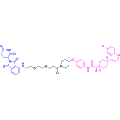
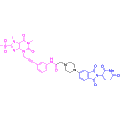
    PROTAC MLKL Degrader-1 selectively targets and degrades MLKL, achieving a maximum efficacy (Dmax) greater than 90%. This compound incorporates modified CRBN ligands and linker components, functioning effectively in cellular models. PROTAC MLKL Degrader-1 effectively inhibits cell death in a TNF-α, Smac, and zVAD (TSZ) model of necroptosis, making it a valuable tool for investigating necroptosis pathways and their implications in various diseases.

    Out of stock

    All 5 sizes
  • PROTAC MLKL Degrader-2
    Cat. No.
    A65835

    PROTAC MLKL Degrader-2

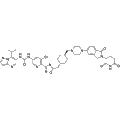
    PROTAC MLKL Degrader-2 is a novel PROTAC designed to specifically target MLKL (Mixed Lineage Kinase) for degradation. This compound utilizes a bifunctional approach, combining an E3 ligase ligand, Thalidomide, with a linker, N-Methylpiperazine, to facilitate the ubiquitination and subsequent proteasomal degradation of MLKL. By effectively modulating MLKL levels, this reagent serves as a powerful tool for investigating the role of MLKL in various biological processes, including cell death and inflammatory responses, thus enabling insights into therapeutic interventions for related diseases.

    Out of stock

    All 3 sizes
  • Rusfertide
    Cat. No.
    A66587

    Rusfertide

    Synonyms: PTG-300

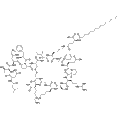
    Rusfertide is a peptide mimetic of natural hepcidin that functions as a ferroportin degrader. By promoting the degradation of ferroportin, Rusfertide effectively reduces serum iron levels and transferrin saturation, thereby influencing red blood cell production. This compound shows potential for therapeutic applications in conditions such as polycythemia vera, β-thalassemia, and hereditary hemochromatosis.

    5 mg
    $260.00
    10 mg
    $435.00
    All 5 sizes
  • PTOTAC HSD17B13 degrader 1
    Cat. No.
    A69079

    PTOTAC HSD17B13 degrader 1

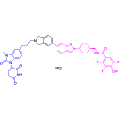
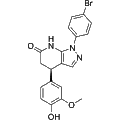
    PTOTAC HSD17B13 degrader 1 is a PROTAC designed to selectively target and promote the degradation of 17β-Hydroxysteroid dehydrogenase 13 (HSD17B13). This compound consists of a specific ligand for HSD17B13, a linker based on tert-Butyl 5-bromoisoindoline-2-carboxylate, and a ligand for an E3 ubiquitin ligase, enabling effective ubiquitination and subsequent proteasomal degradation of the target protein. PTOTAC HSD17B13 degrader 1 is a valuable tool for studying HSD17B13 functions and has potential applications in therapeutic development and protein regulation research.

    Out of stock

    All 3 sizes
  • PROTAC CYP1B1 degrader-1
    Cat. No.
    A69764

    PROTAC CYP1B1 degrader-1

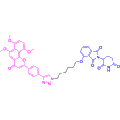
    PROTAC CYP1B1 Degrader-1 is a targeted degrader designed to selectively eliminate cytochrome P450 1B1 (CYP1B1), utilizing a α-naphthoflavone chimera derivative. This compound exhibits IC50 values of 95.1 nM for CYP1B1 and 9838.6 nM for CYP1A2, demonstrating its specificity in degrading CYP1B1. It serves as a valuable tool for investigating the role of CYP1B1 in prostate cancer and may aid in overcoming CYP1B1-mediated drug resistance in therapeutic applications.

    1 mg
    $360.00
    5 mg
    $1,105.00
    All 3 sizes
  • PROTAC CYP1B1 degrader-2
    Cat. No.
    A69932

    PROTAC CYP1B1 degrader-2

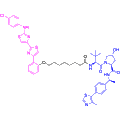
    PROTAC CYP1B1 degrader-2 is a VHL E3 ligase-based degrader targeting CYP1B1, exhibiting a DC50 of 1.0 nM in A549/Taxol cells after 24 hours. This compound effectively inhibits the growth, migration, and invasion of cancer cells, making it a valuable tool for research into the therapeutic potential of targeting CYP1B1 in cancer treatment. Its unique mechanism of action offers insights into the modulation of protein levels in various biological contexts.

    Out of stock

    All 3 sizes
  • PROTAC sEH-degrader-3
    Cat. No.
    A74601

    PROTAC sEH-degrader-3

    PROTAC sEH-degrader-3 is a selective sEH PROTAC degrader that specifically targets soluble epoxide hydrolase (sEH) in the cytosol, sparing its activity in peroxisomes. This compound induces degradation of sEH via a CRBN-mediated lysosomal pathway, exhibiting an IC50 of 0.8 nM against human sEH. PROTAC sEH-degrader-3 is valuable for research focusing on endoplasmic reticulum stress, inflammation, and metabolic diseases, offering insights into therapeutic strategies targeting these pathways.

    Out of stock

    All 3 sizes
  • PROTAC TG2 degrader-2
    Cat. No.
    A74971

    PROTAC TG2 degrader-2

    PROTAC TG2 Degrader-2 is a selective degrader that targets Transglutaminase 2 (TG2). This compound effectively inhibits cell migration and reduces TG2 levels in ovarian cancer cells, making it a valuable tool for research into ovarian cancer biology. Its ability to modulate TG2 offers insights into potential therapeutic strategies against this malignancy.

    5 mg
    $420.00
    10 mg
    $690.00
    All 4 sizes
  • PROTAC TG2 degrader-1
    Cat. No.
    A74987

    PROTAC TG2 degrader-1

    PROTAC TG2 degrader-1 is a von Hippel-Lindau (VHL)-based PROTAC designed to specifically target tissue transglutaminase (TG2) with a dissociation constant (KD) of 68.9 μM. This compound effectively induces the degradation of TG2 in ovarian cancer cells through a proteasome-dependent mechanism. It serves as a valuable tool for research investigating the role of TG2 in cancer biology and potential therapeutic applications.

    Out of stock

    All 3 sizes
  • EA-B2L
    Cat. No.
    A75023

    EA-B2L

    EA-B2L is a potent glutathione S-transferase P (GSTP) degrader, exhibiting a DC50 value of 48 μM. This compound is a Boc2Lys-linked Ethacrynic acid derivative, making it a valuable tool for studying GSTP-related pathways. Its ability to selectively degrade GSTP contributes to advancements in cancer research, allowing for the exploration of therapeutic strategies targeting GSTP expression and function.

    Out of stock

    All 3 sizes
  • PROTAC HMGCR Degrader-1
    Cat. No.
    A75648

    PROTAC HMGCR Degrader-1

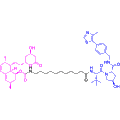
    PROTAC HMGCR Degrader-1 is an orally active PROTAC targeting HMGCR, exhibiting an IC50 of 1.32 μM. This lactone prodrug effectively leads to significant degradation of HMGCR, resulting in substantial cholesterol-lowering effects observed in vivo. PROTAC HMGCR Degrader-1 is valuable for research applications focused on hyperlipidemia and lipid metabolism.

    Out of stock

    All 3 sizes
  • NU227326
    Cat. No.
    A75732

    NU227326

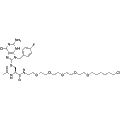
    NU227326 is a potent IDO1 PROTAC degrader designed to penetrate the blood-brain barrier, exhibiting a DC50 of 4.5 nM in HiBiT degradation assays. It effectively degrades IDO1 in human glioblastoma cell lines U87 and GBM43, with DC50 values of 7.1 nM and 11.8 nM, respectively, as demonstrated in Western blot assays. This compound is valuable for research into various malignancies, including glioblastoma, prostate cancer, triple-negative breast cancer, pancreatic cancer, and ovarian cancer.

    1 mg
    $575.00
    5 mg
    $1,475.00
    All 5 sizes
  • NU223612
    Cat. No.
    A75734

    NU223612

    NU223612 is a selective PROTAC designed to target and degrade indoleamine 2,3-dioxygenase 1 (IDO1) through CRBN-mediated proteasomal degradation, exhibiting a Kd of 640 nM. With a binding affinity for CRBN of 290 nM, NU223612 effectively reduces IDO1 protein levels, making it a valuable tool in the study of immune modulation and tumor microenvironments. Additionally, NU223612 demonstrates the ability to cross the blood-brain barrier, enhancing its potential utility in neurobiological research.

    Out of stock

    All 3 sizes
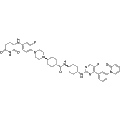
  • PROTAC MALT1 Degrader-1
    Cat. No.
    A76594

    PROTAC MALT1 Degrader-1

    PROTAC MALT1 Degrader-1 is a selective degrader targeting MALT1 through the use of the PROTAC (proteolysis targeting chimera) technology. This compound facilitates the ubiquitination and subsequent proteasomal degradation of MALT1, making it a valuable tool for studies focused on lymphoma and related malignancies. Its mechanism of action enables the investigation of MALT1's role in cellular processes and therapeutic strategies for lymphoma treatment.

    Out of stock

    All 3 sizes
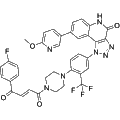
  • Mitochondria degrader-1
    Cat. No.
    A76719

    Mitochondria degrader-1

    Mitochondria Degrader-1 is a potent compound that targets the degradation of damaged mitochondria through an autophagy-mediated mechanism. This reagent induces the selective removal of dysfunctional mitochondria, making it highly relevant for studying neurodegenerative diseases, cancer, inflammatory diseases, age-related conditions, metabolic disorders, mitochondrial pathologies, and Down syndrome. Mitochondria Degrader-1 serves as a valuable tool in research focused on enhancing mitochondrial quality control and exploring therapeutic strategies for mitochondrial dysfunction-related diseases.

    5 mg
    $285.00
    10 mg
    $470.00
    All 5 sizes
  • LRK-4189
    Cat. No.
    A77255

    LRK-4189

    LRK-4189 is an orally active degrader of the lipid kinase PIP4K2C, primarily targeting type 1 immune activation. This compound effectively induces degradation of PIP4K2C, thereby triggering the interferon signaling pathway in microsatellite-stable colorectal cancer cells. LRK-4189 enhances immunogenic tumor cell death and sensitizes tumors to natural killer (NK) cell-mediated cytotoxicity and dendritic cell phagocytosis. This reagent is valuable for research focused on therapies for microsatellite-stable colorectal cancer.

    1 mg
    $320.00
    5 mg
    $820.00
    All 6 sizes
  • CQ627
    Cat. No.
    A77626

    CQ627

    CQ627 is a molecular glue that specifically targets the degradation of RIOK2 through the ubiquitin-proteasome system (UPS). It efficiently recruits the E3 ubiquitin ligase RNF126, resulting in a DC50 value of 410 nM for RIOK2 degradation in the MOLT4 leukemia cell line. CQ627 induces apoptosis and causes cell cycle arrest in the G2/M phase, exhibiting antiproliferative effects across various cancer cell lines. Additionally, it demonstrates significant in vivo anticancer activity in a MOLT4 xenograft mouse model, highlighting its potential for cancer research applications.

    5 mg
    $835.00
    10 mg
    $1,430.00
    All 5 sizes
  • PROTAC mHTT Degrader-1
    Cat. No.
    A78951

    PROTAC mHTT Degrader-1

    PROTAC mHTT Degrader-1 targets mutant huntingtin (mHTT) through a PROTAC mechanism, effectively penetrating the blood-brain barrier. This compound selectively binds to pathogenic mHTT aggregates and recruits Cereblon (CRBN), leading to the ubiquitination and subsequent proteasomal degradation of mHTT. Research indicates that PROTAC mHTT Degrader-1 mitigates mHTT-induced cytotoxicity and neuroinflammation. In preclinical studies involving the R6/2 Huntington's disease mouse model, it has demonstrated the ability to decrease cerebral protein aggregation, enhance body weight, improve motor coordination, and increase survival rates. This reagent is pivotal for investigating PROTAC therapies in Huntington's disease and other neurodegenerative conditions.

    Out of stock

    All 3 sizes
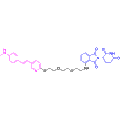
  • NEURL1B-IN-1
    Cat. No.
    A79156

    NEURL1B-IN-1

    NEURL1B-IN-1 is a potent NEURL1B degrader with a Kd value of 46.2 nM. By specifically binding to Arg422 in the NHR2 domain of NEURL1B, this compound promotes autoubiquitination and subsequent proteasomal degradation of NEURL1B, effectively disrupting its interaction with DLL1 and inhibiting the Notch signaling pathway. NEURL1B-IN-1 induces cell cycle arrest and apoptosis while also inhibiting the migration of hepatocellular carcinoma cells, making it a valuable tool for research in hepatocellular carcinoma.

    Out of stock

    All 3 sizes
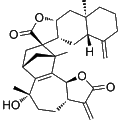
  • SM875
    Cat. No.
    A79172

    SM875

    SM875 is a potent degrader of the cellular prion protein (PrP), exhibiting an IC50 of 7.87 μM. It selectively targets PrP folding intermediates and facilitates their degradation via the autophagy-lysosomal pathway. Notably, SM875 acts exclusively on nascent, immature PrP molecules, showing no impact on the mature form. This compound holds promise for inhibiting prion replication and is valuable for research into neurodegenerative diseases, particularly prion disorders.

    5 mg
    $195.00
    10 mg
    $315.00
    All 5 sizes
  • (R)-SM875
    Cat. No.
    A79174

    (R)-SM875

    (R)-SM875 is a prion protein (PrP) degrader that specifically targets its intermediate folding form. This compound effectively decreases PrP levels, demonstrating an IC50 of 3 μM. (R)-SM875 is suitable for research focused on prion diseases and related neurodegenerative disorders.

    Out of stock

    All 3 sizes
  • PROTAC α-synuclein degrader 5
    Cat. No.
    A79408

    PROTAC α-synuclein degrader 5

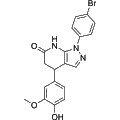
    PROTAC α-synuclein degrader 5 is a potent small-molecule degrader targeting α-synuclein aggregates through the PROTAC mechanism. This compound demonstrates a DC50 value of 7.51 μM and achieves a maximal degradation rate (Dmax) of 89%. Incorporating the probe molecule sery308 and E3 ligase ligands, this degrader is suitable for research on neurological diseases, facilitating studies on the pathophysiology of synucleinopathies.

    1 mg
    $215.00
    5 mg
    $445.00
    All 3 sizes
  • PROTAC α-synuclein degrader 3
    Cat. No.
    A79411

    PROTAC α-synuclein degrader 3

    PROTAC α-synuclein degrader 3 is a selective degrader targeting α-synuclein via the ubiquitin-proteasome system. This compound facilitates the ubiquitination and subsequent degradation of α-synuclein, making it a valuable tool for researching Parkinson's disease mechanisms. Its unique design incorporates specific ligands and linkers to optimize efficacy in targeted protein degradation, aiding investigations into therapeutic strategies for neurodegenerative disorders.

    1 mg
    $270.00
    5 mg
    $695.00
    All 5 sizes
  • BPK-25
    Cat. No.
    A79560

    BPK-25

    BPK-25 is a potent degrader of nucleosome remodeling and deacetylation (NuRD) complex proteins, operating through a post-translational mechanism that involves covalent modification of target proteins. This compound effectively inhibits TMEM173 activation induced by the cyclic dinucleotide ligand cGAMP. BPK-25 is valuable for research applications focusing on the modulation of epigenetic regulation and signal transduction pathways linked to immune responses.

    2 mg
    $120.00
    5 mg
    $205.00
    All 6 sizes

Items 651-675 of 786

Added to your cart

View Cart Checkout

    Loading...