
- Cat. No.
- A12493
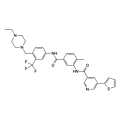
ALW-II-41-27
Synonyms: Eph receptor tyrosine kinase inhibitor
ALW-II-41-27 is a novel Eph receptor tyrosine kinase inhibitor.
In stock
View Details
Search by product name, CAS, target or catalog number. Press Down Arrow to reach product suggestions, Tab to move between links, and Escape to close suggestions.
Ephrin receptor inhibitors act on erythropoietin-producing hepatocellular (Eph) receptor kinases. Eph receptors form the largest family of receptor tyrosine kinases, and the first member was cloned in 1987 from a hepatocellular carcinoma cell line. A-type receptors (EphA) mainly bind ephrin-A ligands anchored by a glycolipid. B-type receptors (EphB) bind ephrin-B ligands that span the membrane of the opposing cell. Contact between cells starts bidirectional signaling into both the receptor cell and the ligand cell. This signaling guides axons, sets tissue boundaries and shapes blood vessels, and it is studied in tumor cell migration. ALW-II-41-27 inhibits several Eph kinases, and EphB4-IN-1 is directed at the EphB4 receptor. UniPR1331 blocks the Eph-ephrin interaction itself, while 150D4 is listed as an EphA4 agonist.
Synonyms: Eph receptor tyrosine kinase inhibitor
ALW-II-41-27 is a novel Eph receptor tyrosine kinase inhibitor.
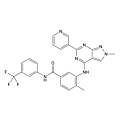
Synonyms: BHG 712
NVP-BHG712 isomer, a regioisomer of NVP-BHG712, shows conserved non-bonded binding to EPHA2 and EPHB4.
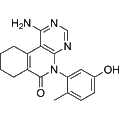
EphB4-IN-1 is a selective inhibitor of the EphB4 tyrosine kinase, exhibiting IC50 values between 0.16 and 0.30 μM. By binding to the ATP binding site of EphB4 in a DFG-in conformation, it forms four stable intermolecular hydrogen bonds and effectively inhibits EphB4 autophosphorylation. Additionally, EphB4-IN-1 shows inhibitory activity against Src, Abl1, Lck, and EGFR kinases. This compound is valuable for research into cancers, including non-small cell lung cancer.
Out of stock
All 3 sizes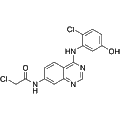
EphB1-IN-1 is a selective inhibitor of the EphB1 receptor, demonstrating IC50 values of 3.0 nM, 15 nM, and 220 nM against the EphB1G703C, EphB1T697G, and wild-type EphB1 variants, respectively. This compound is vital for research applications focused on unraveling the role of EphB1 in cellular signaling pathways and its implications in various diseases, including cancer. Its potency and specificity make it an essential tool for studying EphB1-related biological processes.
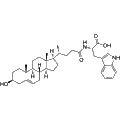
UniPR1331 is an orally active 3β-hydroxy-Δ5-choline acid derivative that targets Eph-ephrin interactions. By inhibiting the interaction between VEGFR2 and its ligand, vascular endothelial growth factor, UniPR1331 effectively dampens autophosphorylation, subsequent signaling, and pro-angiogenic activation in endothelial cells. This compound demonstrates significant anti-angiogenic, anti-cancer, and anti-inflammatory properties, making it suitable for research applications in cancer and inflammation, including glioma and colitis.
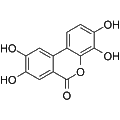
Synonyms: 3,4,8,9-Tetrahydroxy urolithin
Urolithin D is a selective antagonist of the EphA receptor, specifically inhibiting EphA2-ephrin-A1 binding with an IC50 of 0.9 μM. This compound exhibits significant antioxidant activity by scavenging free radicals and repairing oxidized DNA damage. Furthermore, Urolithin D promotes fatty acid oxidation and suppresses triglyceride accumulation through activation of the AMPK signaling pathway. It is a valuable reagent for research in tumor biology, metabolic disorders, and inflammatory conditions.
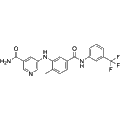
ALW-II-49-7 is a selective inhibitor of the EphB2 kinase, exhibiting an EC50 value of 40 nM in cellular assays. It is designed to effectively disrupt EphB2 signaling pathways, which are implicated in various biological processes including cell adhesion and migration. This reagent is valuable for research applications focusing on cancer biology, neurodevelopment, and the modulation of angiogenesis.
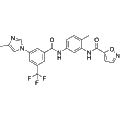
AWL-II-38.3 is a selective inhibitor of the ephrin-A receptor (EphA3) kinase. This compound demonstrates potent inhibitory activity specifically targeting EphA3 while displaying minimal effects on Src-family kinases and b-raf. Its specificity makes AWL-II-38.3 valuable for research applications involving EphA3-mediated signaling pathways and related cellular processes.
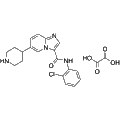
LDN-211904 oxalate is a potent and reversible inhibitor of EphB3, exhibiting an IC50 of 79 nM. This compound demonstrates favorable metabolic stability in mouse liver microsomes, making it suitable for in vitro studies. LDN-211904 oxalate is particularly relevant for research involving STAT3-activated colorectal cancer stemness and may help overcome Cetuximab resistance in colorectal cancer.
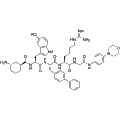
150D4 is a selective agonist of EphA4, capable of effectively penetrating the blood-brain barrier. This compound exhibits excitatory activity and provides neuroprotective effects, making it a valuable tool for studying various neurological conditions. Its unique properties make 150D4 suitable for research aimed at understanding the role of EphA4 in neurobiology and developing potential therapeutic strategies.
Out of stock
All 3 sizes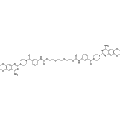
EphA2 Agonist 1 is a selective agonist for the EphA2 receptor, demonstrating high potency in stimulating EphA2 phosphorylation. This compound exhibits significant effectiveness against glioblastoma cells that overexpress the EphA2 receptor, making it a valuable tool for research in cancer biology and therapeutic development. Its ability to activate EphA2 pathways can aid in elucidating the receptor's role in tumorigenesis and potential interventions.
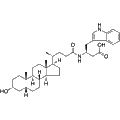
UniPR129 is a potent, orally active antagonist of Eph/ephrin interactions. It effectively inhibits the EphA2-ephrin-A1 interaction with an IC50 of 945 nM and a Ki of 370 nM. This compound has demonstrated the ability to inhibit angiogenesis and exhibits both antitumor and neuroprotective properties. UniPR129 is suitable for research applications in cancer and neurological disorders, including colorectal cancer and optic neuropathy.
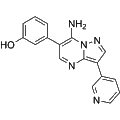
Eph Inhibitor 1 is a potent inhibitor of Eph receptors, targeting the Eph family of receptor tyrosine kinases. It has demonstrated significant biological activity in modulating cellular signaling pathways involved in neural development and synaptic plasticity. This compound holds promise for research applications related to neurological disorders, facilitating insights into therapeutic strategies for conditions linked to Eph receptor dysregulation.
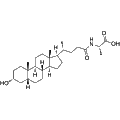
EphA2 antagonist 1 is an ephrin type-A receptor 2 (EPHA2) inhibitor designed to modulate the signaling pathways associated with this receptor. It exhibits significant biological activity in disrupting EPHA2-mediated processes, which may have implications in cancer research and metastasis studies. This compound serves as a valuable tool for investigating the role of EPHA2 in various cellular contexts and therapeutic applications.
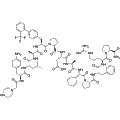
Targefrin is a potent EphA2-targeting agent that functions as an antagonist. It exhibits high affinity for the EphA2 ligand-binding domain, with a dissociation constant of 21 nM and an IC50 value of 10.8 nM. Targefrin induces internalization and degradation of the EphA2 receptor in various pancreatic cancer cell lines, making it a valuable tool for research on cancer biology and therapeutic targeting of EphA2-related pathways.
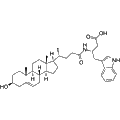
UniPR1447 is a dual antagonist of EphA2 and EphB2, exhibiting an IC50 of 6.6 μM for the inhibition of the EphA2-ephrin-A1 interaction. This compound serves as a valuable tool in research focused on the role of Eph receptors in cellular processes such as angiogenesis, tumor progression, and neural development. Its application in studies targeting EphA2 and EphB2 signaling pathways contributes to understanding their implications in various diseases, making UniPR1447 a relevant reagent for therapeutic exploration.
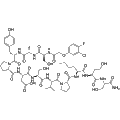
123B9 is a potent and selective agonist of the EphA2 receptor, exhibiting a Kd value of 4.0 μM. This compound selectively binds to the ligand-binding domain of the EphA2 tyrosine kinase receptor, facilitating downstream signaling pathways. Importantly, 123B9 does not significantly affect the ligand-binding domains of the closely related EphA3 and EphA4 receptors, making it a valuable tool for targeted studies in cancer research and therapeutic applications involving EphA2 signaling.
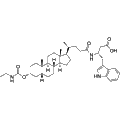
UniPR505 is an EphA2 antagonist with an IC50 value of 0.95 µM. This compound exhibits significant anti-angiogenic properties, making it a valuable tool for research related to vascular biology and cancer therapy. Its ability to inhibit the EphA2 receptor pathway allows for potential applications in studying tumor growth and angiogenesis.
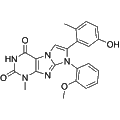
EphB4-IN-2 is a potent tyrosine kinase inhibitor targeting EphB4, with an IC50 value of 1.6 nM in human assays. This compound demonstrates selective inhibition against kinases containing threonine gatekeeper residues, offering a high degree of ligand efficiency. Its application is valuable in research focusing on EphB4-related signaling pathways and associated therapeutic interventions.
Out of stock
All 3 sizes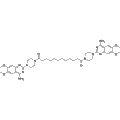
EphA2 agonist 2 is a selective agonist targeting the EphA2 receptor, known for its antitumor properties. This compound demonstrates the ability to cross the blood-brain barrier, making it a valuable tool for research in cancer therapeutics and neuro-oncology. Its specificity for EphA2 may aid in elucidating the role of this receptor in tumor progression and could assist in the development of innovative treatment strategies.
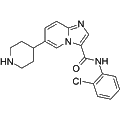
LDN-211904 is a potent and reversible inhibitor of EphB3, with an IC50 of 79 nM, making it a valuable tool for studying EphB3-mediated signaling pathways. It demonstrates good metabolic stability in mouse liver microsomes, indicating its potential for in vivo applications. In research contexts, LDN-211904 may synergize with cetuximab to effectively inhibit STAT3 activation and address colorectal cancer stemness, as well as resistance mechanisms associated with cetuximab treatment.
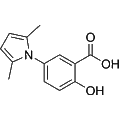
EPHA4 antagonist-1 is a selective antagonist of the EphA4 receptor, known for its role in cell signaling, particularly in neuronal development and angiogenesis. This compound effectively inhibits ephrin-A5 binding to the EphA4 Fc receptor with an IC50 value of 10 μM, demonstrating its potency in disrupting EphA4-mediated signaling pathways. The compound's dual action as an EphA2 receptor antagonist expands its utility in biological research, making it valuable for studies on Eph receptor interactions and their implications in cancer and neurobiology.
Out of stock
All 3 sizes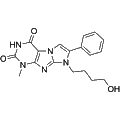
EPHB4 modulator-1 is a selective modulator of the Ephrin Type-B Receptor 4 (EPHB4), which plays a crucial role in cell signaling and developmental processes. This compound demonstrates significant ability to influence EPHB4-mediated signaling pathways, making it a valuable tool for researching angiogenesis and tumor progression. It is particularly relevant for studies examining the role of EPHB4 in vascular biology and its potential implications in cancer therapy.
Out of stock
All 3 sizes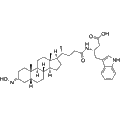
UniPR500 is a competitive antagonist of the EphA2 receptor, exhibiting a Ki value of 0.78 μM. This compound effectively inhibits the binding of biotinylated ephrin-A1 to EphA2 in a dose-dependent manner, with an IC50 of 1.1 μM. UniPR500 is valuable for research applications focusing on cellular signaling pathways and the role of EphA2 in various diseases.
Out of stock
All 3 sizes