Metabotropic Glutamate Receptors (mGluR)

Metabotropic glutamate receptor (mGluR) ligands include agonists, antagonists and allosteric modulators. Unlike ionotropic glutamate receptors, mGluRs are G protein-coupled receptors and tune synaptic transmission and neuronal excitability. The first mGluR was cloned from rat brain in 1991 and linked to phosphoinositide signaling. The eight subtypes form group I (mGluR1, mGluR5), group II (mGluR2, mGluR3) and group III (mGluR4, mGluR6, mGluR7, mGluR8). LY404039 is an mGluR2/3 agonist, and LY341495 is a broad mGluR antagonist most active at group II receptors. ADX-47273 is a positive allosteric modulator of mGluR5, whereas dipraglurant and CTEP are negative modulators of the same receptor.

3 Items

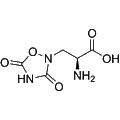
  • Quisqualic acid
    Cat. No.
    A61746

    Quisqualic acid

    Synonyms: L-Quisqualic acid

    Quisqualic acid is a potent mGluR (metabotropic glutamate receptor) activator derived from the natural source Quisqualis indica. As an excitatory amino acid agonist, it exhibits significant potency with an EC50 of 45 nM and a Ki of 10 nM for mGluR1R. This compound is valuable for research applications involving neurological studies, receptor signaling pathways, and the exploration of excitatory neurotransmission mechanisms.

    1 mg
    $45.00
    5 mg
    $125.00
    All 4 sizes
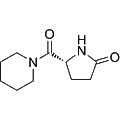
  • Fasoracetam
    Cat. No.
    A61783

    Fasoracetam

    Synonyms: NS 105

    Fasoracetam is an activator of metabotropic glutamate receptors (mGluR), playing a significant role in modulating glutamatergic transmission in the central nervous system. This compound demonstrates potential therapeutic applications in the research of attention-deficit hyperactivity disorder (ADHD) and Alzheimer’s disease (AD). Its modulatory effects on synaptic plasticity make it a valuable tool for studying neurological disorders and cognitive enhancement pathways.

    5 mg
    $40.00
    10 mg
    $60.00
    All 5 sizes
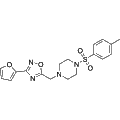
  • FO-4-15
    Cat. No.
    A61890

    FO-4-15

    FO-4-15 is an mGluR1/CaMKIIα activator that demonstrates neuroprotective effects against oxidative stress, specifically H2O2, in human neuroblastoma SH-SY5Y cells. This compound enhances cognitive function in mouse models of Alzheimer’s disease by engaging the mGluR1/CaMKIIα signaling pathway, leading to a reduction in amyloid-beta accumulation, hyperphosphorylated Tau, and synaptic damage. It serves as a valuable tool for investigating mechanisms of neuroprotection and cognitive impairment in neurodegenerative diseases.

    25 mg
    $1,275.00
    50 mg
    $1,625.00
    All 3 sizes

3 Items

Added to your cart

View Cart Checkout

    Loading...