
- Cat. No.
- A15021
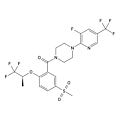
Bitopertin
Synonyms: RG1678; RO4917838
RG1678 (Bitopertin) is a potent and noncompetitive glycine reuptake inhibitor (GlyT1).
In stock
View Details
Search by product name, CAS, target or catalog number. Press Down Arrow to reach product suggestions, Tab to move between links, and Escape to close suggestions.
Glycine transporter (GlyT) inhibitors block the uptake of glycine from synapses into glia and neurons. GlyT1 is mainly glial and keeps glycine low near N-methyl-D-aspartate (NMDA) receptors, where glycine acts as a co-agonist. GlyT2 sits on glycinergic nerve terminals and refills synaptic vesicles for inhibitory transmission in the spinal cord and brainstem. Mice lacking either transporter die within the first postnatal weeks with severe neuromotor deficits. GlyT1 inhibitors are studied as a way to raise NMDA receptor activity in models of schizophrenia and cognition. Bitopertin, iclepertin and NFPS act on GlyT1, and sarcosine is an endogenous amino acid derivative that also inhibits GlyT1. ALX-1393 is listed as an inhibitor of GlyT2, the neuronal transporter subtype.
Synonyms: RG1678; RO4917838
RG1678 (Bitopertin) is a potent and noncompetitive glycine reuptake inhibitor (GlyT1).
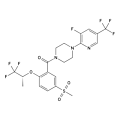
Synonyms: RG1678 (R enantiomer); RO4917838 (R enantiomer)
RG1678 (Bitopertin) is a potent and noncompetitive glycine reuptake inhibitor (GlyT1).
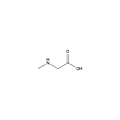
Synonyms: N-Methylglycine; Sarcosin
Sarcosine is a glycine transporter type 1 (GlyT) inhibitor and an N-methyl-D-aspartate (NMDA) receptor co-agonist at the glycine binding site.
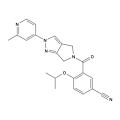
GlyT1 Inhibitor 1 is a potent and selective GlyT1 inhibitor with an IC50 of 38 nM for rGlyT1. Antipsychotic activity.
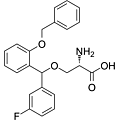
ALX-1393, a selective GlyT2 inhibitor, has an antinociceptive effect on thermal, mechanical, and chemical stimulations in a rat acute pain model.
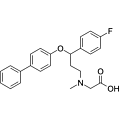
NFPS is a selective, non-competitive glycine transporter-1 (GlyT1) inhibitor with IC50s of 2.8 nM and 9.8 nM for hGlyT1 and rGlyT1, respectively.
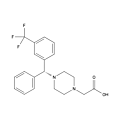
Synonyms: AMG747
Tilapertin is an oral inhibitor of glycine transporter type-1 (GlyT1).
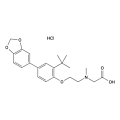
Synonyms: LY-2365109
LY2365109 hydrochloride is a potent and selective GlyT1 inhibitor, with an IC50 of 15.8 nM for glycine uptake in cells over-expressing hGlyT1a.
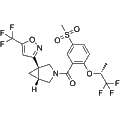
Synonyms: BI-425809
Iclepertin is a selective and orally active inhibitor of glycine transporter 1 (GlyT1), demonstrating potent inhibition while showing no activity against GlyT2. This compound has significant implications in research related to Alzheimer’s disease and schizophrenia, as it modulates glycine levels in the central nervous system, potentially influencing neurotransmission and cognitive function. Its specificity makes it a valuable tool for investigating the therapeutic potential in various neuropsychiatric disorders.
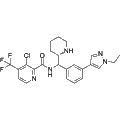
TASP0315003 is a selective inhibitor of the glycine transporter 1 (GlyT1). By inhibiting GlyT1, TASP0315003 enhances NMDA receptor function through elevated synaptic glycine levels. This compound demonstrates potential in addressing cognitive dysfunction and negative symptoms associated with schizophrenia while minimizing adverse central nervous system effects. TASP0315003 is suitable for research applications in neurological diseases.
Out of stock
All 3 sizes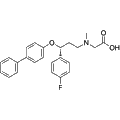
Synonyms: (R)-NFPS
ALX-5407 (R)-NFPS is a selective, orally active inhibitor of the glycine transporter GlyT1, exhibiting an IC50 value of 3 nM. This compound plays a crucial role in the study of N-methyl-D-aspartate (NMDA) receptor function and has potential applications in schizophrenia research. Its targeted action on GlyT1 makes ALX-5407 a valuable tool for investigating synaptic transmission and the modulation of glutamatergic signaling pathways.
Out of stock
All 3 sizes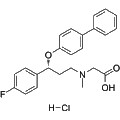
Synonyms: (R)-NFPS hydrochloride
ALX-5407 hydrochloride is a selective inhibitor of the glycine transporter GlyT1, exhibiting a potent IC50 value of 3 nM. This compound is particularly valuable in the study of N-methyl-D-aspartate receptor function and has potential applications in schizophrenia research. Its oral bioavailability allows for convenient administration in vivo, making it an important tool for exploring glycine modulation in neurological studies.
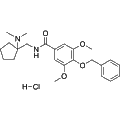
Org 25543 hydrochloride is a selective and irreversible inhibitor of the glycine transporter 2 (GlyT2), exhibiting an IC50 of 16 nM. This compound demonstrates significant analgesic effects and has been shown to alleviate mechanical allodynia following partial sciatic nerve ligation in murine models. Org 25543 hydrochloride serves as a valuable tool for research focused on pain mechanisms and the modulation of glycinergic signaling.
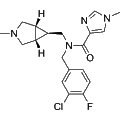
PF-03463275 is a selective and competitive inhibitor of glycine transporter-1 (GlyT1) with a Ki of 11.6 nM. This centrally penetrant and orally available compound demonstrates potential for advancing research in schizophrenia by modulating glycine levels in the central nervous system. Its efficacy in targeting GlyT1 makes it a valuable tool for understanding the mechanisms underlying this neuropsychiatric disorder.
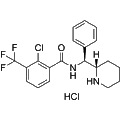
SSR504734 is a selective and reversible inhibitor of the glycine transporter 1 (GlyT1), demonstrating potent activity across human, rat, and mouse models with IC50 values of 18, 15, and 38 nM, respectively. This compound has been shown to exhibit anti-schizophrenia, anti-anxiety, and anti-depression effects, making it a valuable tool for research in neuropsychiatric conditions and related therapeutic studies.
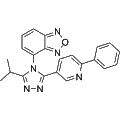
ASP2535 is a selective inhibitor of the glycine transporter-1 (GlyT1), demonstrating potent activity and oral bioavailability. This compound effectively crosses the blood-brain barrier and has been shown to improve cognitive impairment in preclinical models of schizophrenia and Alzheimer's disease, making it valuable for neurological research and potential therapeutic development.
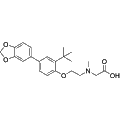
LY2365109 is a selective glycine transporter 1 (GlyT1) inhibitor, exhibiting an IC50 of 15.8 nM for glycine uptake in cells over-expressing human GlyT1a. This compound plays a critical role in modulating glycine signaling pathways, making it valuable for research in neuropharmacology and the study of psychiatric disorders. Its specificity and potency facilitate investigations into the therapeutic potential of GlyT1 inhibition in various neurological conditions.
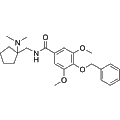
Org 25543 is a selective inhibitor of glycine transporter 2 (GlyT2), known for its analgesic effects. This compound demonstrates potential efficacy in alleviating chronic pain in preclinical models, making it a valuable tool for exploring pain modulation mechanisms. Its specificity for GlyT2 positions it as an important reagent for research in neurobiology and pain management applications.
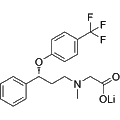
Org-24598 lithium is a selective inhibitor of glycine transporter 1 (GlyT-1), demonstrating significant binding affinity with a Ki value of 16.9 nM for [3H] CHIBIA-3007 in rat brain membranes. This compound is valuable for research focused on neurotransmission, synaptic modulation, and neuropharmacology, particularly in the context of disorders associated with aberrant glycine signaling. Org-24598 lithium can aid in the exploration of GlyT-1's role in various neurological conditions and potential therapeutic strategies.
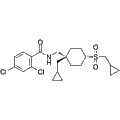
DCCCyB is a selective GlyT1 inhibitor known for its oral bioavailability and potent action. This compound exhibits significant in vivo occupancy of GlyT1 transporters in rhesus monkeys, making it a valuable tool for studying the roles of GlyT1 in neurological processes. DCCCyB is applicable in research related to schizophrenia, depression, and other neuropsychiatric disorders, facilitating investigations into neurotransmitter transport mechanisms.
Out of stock
All 3 sizes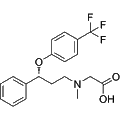
Org-24598 is a potent inhibitor of glycine transporter 1 (GlyT-1). It effectively inhibits the binding of [3H] CHIBIA-3007 to rat brain membranes, demonstrating a Ki value of 16.9 nM. This compound is valuable for investigating the role of GlyT-1 in neurological disorders and could aid in the development of therapeutics targeting glycine transport.
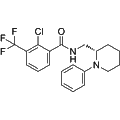
SSR504734 free base is a selective and reversible inhibitor of the GlyT1 transporter, with high potency across human, rat, and mouse models (IC50 values of 18, 15, and 38 nM, respectively). This compound demonstrates significant anti-schizophrenia, anti-anxiety, and anti-depression effects, making it a valuable tool for research in psychiatric disorders. Its oral bioavailability allows for versatile applications in behavioral studies and pharmacological investigations.
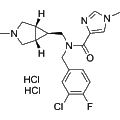
PF-03463275 hydrochloride is a selective and competitive inhibitor of GlyT1 (glycine transporter-1), exhibiting a Ki of 11.6 nM. This compound is centrally penetrant and orally available, making it a valuable tool for research on synaptic transmission and neuropharmacology. PF-03463275 hydrochloride holds potential for advancing studies related to schizophrenia and other psychiatric disorders.
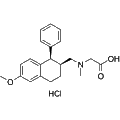
Org 25935 is a potent and selective inhibitor of glycine transporter 1 (GlyT1), exhibiting an IC50 value of 100 nM. This compound has been shown to significantly reduce ethanol intake and preference in rat models without affecting water consumption. Org 25935 serves as a valuable tool for investigating the mechanisms underlying alcohol dependence and abuse.
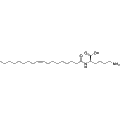
Oleoyl-D-lysine is a lipid-based selective inhibitor of Glycine Transporter-2 (GlyT2). This compound demonstrates significant potential in reversing neuropathic pain in murine models, while also exhibiting antidrowsiness effects in chronic neuropathic pain conditions. Additionally, Oleoyl-D-lysine has been identified as a safe and effective treatment option, showing no signs of respiratory depression.
Out of stock
All 3 sizes