- Cat. No.
- A22254
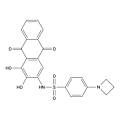
AQX-016A
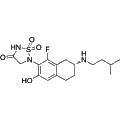
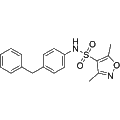
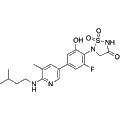
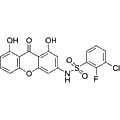
AQX-016A is a potent activator of SHIP-1 that induces apoptosis of the cancer cell lines in vitro in both a time and dose dependant manner.
Search by product name, CAS, target or catalog number. Press Down Arrow to reach product suggestions, Tab to move between links, and Escape to close suggestions.
Phosphatase inhibitors act on protein, lipid and inositol phosphatases that hydrolyze phosphate esters. A 2004 survey of the human genome counted 107 genes for protein tyrosine phosphatases (PTPs). Serine/threonine phosphatases such as protein phosphatases 1 and 2A (PP1, PP2A) reverse many kinase-driven signals. Calyculin A, reported in 1989 as an inhibitor of protein phosphatase activity, blocks both PP1 and PP2A. LB-100 targets PP2A, tautomycetin prefers PP1, and sodium orthovanadate inhibits PTPs broadly and is a common lysis buffer additive. Among lipid and inositol phosphatases, 3AC inhibits Src homology 2 (SH2) domain-containing inositol 5-phosphatase 1 (SHIP1), and L-690330 targets inositol monophosphatase.
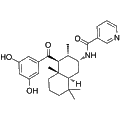
AQX-016A is a potent activator of SHIP-1 that induces apoptosis of the cancer cell lines in vitro in both a time and dose dependant manner.
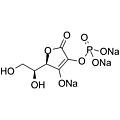
Synonyms: L-Ascorbic acid 2-phosphate trisodium
2-Phospho-L-ascorbic acid trisodium acts as an antioxidant and a stimulator of hepatocyte growth factor (HGF) production.
Synonyms: NSC 150117
(E/Z)-BCI (NSC 150117) is a dual-specificity phosphatase 6 (DUSP6) inhibitor with anti-inflammatory activities. (E/Z)-BCI attenuates LPS-induced inflammatory mediators and ROS production in macrophage cells via activating the Nrf2 signaling axis and inhibiting the NF-κB pathway.
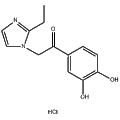
Synonyms: ML-095; CID-25067483 hydrochloride; CID25067483; MLS-0315848 hydrochloride; MLS 0315848
ML-095 is an inhibitor of PLAP (IC50 = 3.7 μM) that demonstrates high selectivity against the related alkaline phosphatases, TNAP and IAP (IC50s > 100 μM).
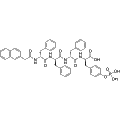
D-3, a phosphorpeptide, is an efficient, simple, and specific iPSC-eliminating agent.
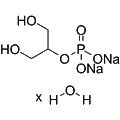
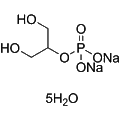
β-Glycerophosphate disodium salt pentahydrate is a bioactive endogenous metabolite and a widely used phosphatase inhibitor. It plays a critical role in promoting and sustaining osteoblast differentiation, supporting mineral metabolism, and modulating cellular signal transduction pathways. In tissue engineering and drug delivery, it is commonly utilized as a component in the formation of heat-sensitive hydrogels due to its thermoresponsive properties. Additionally, β-glycerophosphate disodium salt accelerates calcification in vascular smooth muscle cells, making it a valuable tool for studying vascular calcification and related pathologies.
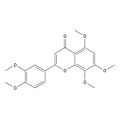
Isosinensetin is a bioactive flavonoid compound with diverse pharmacological properties. It acts as a dual inhibitor of HIV-1 protease and protein tyrosine phosphatase 1B (PTP1B), with an IC₅₀ of 2.61 µM and a Kᵢ of 0.92 µM for PTP1B, indicating its potential in antiviral and metabolic disease research. Additionally, isosinensetin inhibits P-glycoprotein (P-gp) activity in MDR1-MDCKII cells, suggesting its utility in overcoming multidrug resistance. Isosinensetin exhibits multiple therapeutic effects, including anti-tumor, anti-viral, anti-inflammatory, and antioxidant activities. These properties support its application in the research of various conditions such as cancer, chronic inflammation, osteoporosis, diabetes, and infectious diseases.
HKB99 is an allosteric inhibitor of phosphoglycerate mutase 1 (PGAM1) that induces apoptosis and suppresses cell migration by inhibiting the formation of invasive pseudopodia. It increases oxidative stress, activates the JNK/c-Jun pathway, and downregulates AKT and ERK signaling. HKB99 is a promising compound for the study of non-small cell lung cancer (NSCLC).
Synonyms: GDC-1971
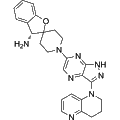
Migoprotafib (GDC-1971; compound 199) is a selective SHP2 inhibitor that suppresses the MAPK/ERK signaling pathway. It exhibits antitumor activity and is under investigation for its potential in targeting SHP2-driven cancers.
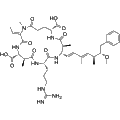
Nodularin is a potent hepatotoxin, tumor promoter, and protein phosphatase inhibitor.
Synonyms: ABBV-CLS-484
Osunprotafib (ABBV-CLS-484) is an orally active and selective active site PTPN1 (IC50: 2.5 nM) and PTPN2(IC50: 1.8 nM) inhibitor. Osunprotafib has 6-8-fold weaker activity on PTPN9 and no detectable activity on SHP-1 or SHP-2. Osunprotafib increases the sensitivity of human cancer cell lines to IFNγ. Osunprotafib generates robust anti-tumor immunity by enhancing JAK-STAT signalling and reducing T cell dysfunction.
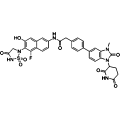
PROTAC PTPN2 degrader-1 is an effective degrader of the protein tyrosine phosphatase PTPN2. This compound facilitates target protein degradation through the proteasome pathway, enabling the modulation of cellular signaling related to cancer and metabolic diseases. Its application in research may provide insights into the therapeutic potential of targeting PTPN2 in various disease contexts.
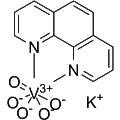
bpV(phen) is a potent inhibitor of protein tyrosine phosphatases (PTPs) and PTEN, exhibiting IC50 values of 38 nM, 343 nM, and 920 nM for PTEN, PTP-β, and PTP-1B, respectively. This compound demonstrates significant anti-proliferative effects on the protozoan parasite Leishmania in vitro. Additionally, bpV(phen) enhances the secretion of various chemokines and pro-inflammatory cytokines while promoting a Th1-type immune response characterized by IL-12 and IFNγ production. It also induces apoptosis and exhibits anti-angiogenic and anti-tumor properties, making it valuable for research in cancer and inflammation biology.
ATUX-1215 is a selective inhibitor of protein phosphatase 2A (PP2A). This compound has demonstrated the ability to decrease the phosphorylation of key signaling proteins, including ERK, p38, JNK, and Akt, while also reducing the secretion of pro-inflammatory cytokines such as IL-12p70, GM-CSF, and IL-1α in models of lung fibrosis. ATUX-1215 offers valuable utility in research investigating the mechanisms of fibrotic disease progression and potential therapeutic interventions.
PP5-IN-1 is a competitive inhibitor of serine/threonine protein phosphatase-5 (PP5), targeting its catalytic domain. This compound induces apoptosis in renal cancer cells, making it a valuable tool for studying PP5-related signaling pathways and exploring therapeutic options for renal malignancies. Its specificity for PP5 positions it as an effective reagent for cancer research and phosphatase activity modulation.
PPA24 is a potent activator of protein phosphatase 2A (PP2A), with a KD of 8.465 μM for PP2ACα. It promotes apoptosis in cancer cells, leverages reactive oxygen species (ROS) generation, and reduces c-Myc expression levels. PPA24 is applicable for research in colorectal cancer, particularly in studies involving FOLFOX-resistant CRC and melanoma.
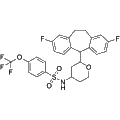
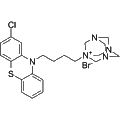
AQX-435 is a potent activator of SHIP1 phosphatase. This compound effectively reduces PI3K activation downstream of the B-cell receptor (BCR), leading to the induction of apoptosis in malignant B cells and demonstrating significant inhibition of lymphoma growth. It serves as a valuable tool for research into targeted therapies for B-cell malignancies.
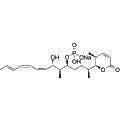
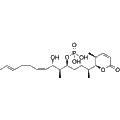
Cytostatin sodium is a selective inhibitor of protein phosphatase 2A (PP2A) with an IC50 value of 210 nM. This compound demonstrates significant anti-metastatic properties and exhibits potent antitumor activity, promoting apoptosis in cancer cells. Additionally, Cytostatin sodium effectively inhibits the adhesion of B16 melanoma cells to extracellular matrix components such as laminin and collagen, making it a valuable tool for cancer research and therapeutic exploration. As a member of the natural product fosriecin family, it offers unique insights into PP2A-related pathways.
Cytostatin is a selective inhibitor of protein phosphatase 2A (PP2A), exhibiting an IC50 of 210 nM. This compound demonstrates significant anti-metastatic properties and possesses potent antitumor effects by inducing apoptosis in cancer cells. Additionally, Cytostatin effectively prevents the adhesion of B16 melanoma cells to extracellular matrix components such as laminin and collagen, highlighting its potential for research in cancer biology and therapeutic applications. Cytostatin is classified within the natural product family of fosriecin.
Out of stock
All 3 sizes
Cantharidic acid is a selective inhibitor of protein phosphatase 2A (PP2A) and protein phosphatase 1 (PP1). It exhibits significant biological activity by reducing cell viability and inducing G1 phase cell cycle arrest, as well as promoting apoptosis in NPC-39 and HONE-1 cancer cell lines. This compound functions through the upregulation of key mitogen-activated protein kinase (MAPK) pathways, including ERK1/2, p38, and JNK1/2, making it valuable for research in cancer biology and therapeutic development.
Out of stock
All 3 sizes
PTPN2/1-IN-4 is a potent dual inhibitor of PTPN1 and PTPN2, exhibiting IC50 values of 12.8 nM and 5.8 nM, respectively. This compound effectively modulates the IFNγ-JAK-STAT signaling pathway, resulting in enhanced CD8+ T-cell infiltration into tumors. PTPN2/1-IN-4 demonstrates significant anticancer activity, inhibiting tumor growth both as a standalone treatment and in combination with anti-PD-1 antibodies in B16-OVA syngeneic mouse models, making it a valuable tool for cancer research.
Out of stock
All 3 sizes
β-Glycerophosphate disodium salt pentahydrate is a potent phosphatase inhibitor that plays a crucial role in osteoblast differentiation, mineral metabolism, and signal transduction. This bioactive metabolite is instrumental in promoting the calcification of vascular smooth muscle cells and offers applications as a drug carrier for the development of heat-sensitive hydrogels. Its diverse biological activities make it valuable for research in bone biology and vascular health.
Synonyms: Endothal
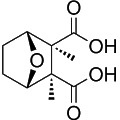
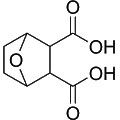
Endothall is a selective inhibitor of protein phosphatase 2A (PP2A), exhibiting an IC50 of 90 nM for PP2A and 5 µM for PP1. This compound demonstrates significant potential in cancer chemotherapy by modulating cellular signaling pathways. Additionally, Endothall serves as a useful herbicide, enhancing its applicability in agricultural research.
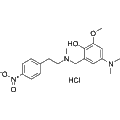
BN82002 hydrochloride is a potent and selective irreversible inhibitor of the CDC25 phosphatase family, specifically targeting CDC25A, CDC25B2, CDC25B3, and CDC25C. This compound exhibits IC50 values of 2.4, 3.9, 6.3, and 5.4 µM for its respective targets. BN82002 hydrochloride displays approximately 20-fold greater selectivity for CDC25 over CD45 tyrosine phosphatase, making it a valuable tool for investigating cell cycle regulation and potential therapeutic strategies in cancer research.
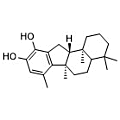
PGAM1-IN-1 is a specific inhibitor of phosphoglycerate mutase 1 (PGAM1), exhibiting an IC50 value of 6.4 μM. This compound effectively modulates the glycolytic pathway by targeting PGAM1, making it a valuable tool for studying metabolic processes and cancer metabolism. Its application in research includes investigating the role of PGAM1 in cellular proliferation and metabolic shifts in various diseases.