CXCR

CXCR antagonists block CXC chemokine receptors, chiefly CXCR4 and the interleukin-8 receptors CXCR1 and CXCR2. CXC chemokine receptor 4 (CXCR4) binds CXC motif chemokine ligand 12 (CXCL12), also called stromal cell-derived factor 1 (SDF-1), and guides the homing of hematopoietic and immune cells. In 1996 CXCR4 was identified as an entry coreceptor for T-cell-tropic human immunodeficiency virus type 1 (HIV-1). Plerixafor and mavorixafor are CXCR4 antagonists used in studies of stem cell mobilization, cell migration and viral entry. CXCR1 and CXCR2 respond to interleukin-8 (CXCL8) and recruit neutrophils, a process studied with navarixin and reparixin.

Items 176-180 of 180

  • 9(R)-HODE
    Cat. No.
    A74281

    9(R)-HODE

    Synonyms: 9(R)-Hydroxyoctadecadienoic acid

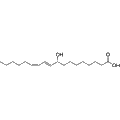
    9(R)-HODE is a monohydroxy fatty acid and an endogenous metabolite of linoleic acid, generated through the enzymatic actions of cyclooxygenase (COX) and lipoxygenase (LO). This compound is known to promote chemotaxis and elevate the expression of chemokine receptors CCR9 and CXCR4 in immune cells. Additionally, 9(R)-HODE effectively inhibits interleukin-6 (IL-6) release in primary human monocytes and suppresses CD3α- and CD28-induced proliferation in isolated human peripheral blood lymphocytes at a concentration of 25 μg/mL, making it a valuable tool for studying immune responses and inflammatory processes.

    0.025 mg
    $140.00
    0.05 mg
    $265.00
    All 2 sizes
  • Arylsulfonamide 64B
    Cat. No.
    A75615

    Arylsulfonamide 64B

    Synonyms: HIF inhibitor 64B

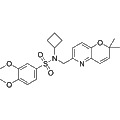
    Arylsulfonamide 64B is a potent inhibitor of hypoxia-inducible factor (HIF). This compound effectively suppresses hypoxia/HIF-mediated expression of key oncogenes such as c-Met and CXCR4, thereby demonstrating significant anti-tumor activity. Arylsulfonamide 64B is particularly relevant for research focused on uveal melanoma, as it has been shown to reduce primary tumor growth and metastasis in mouse models.

    25 mg
    $1,275.00
    50 mg
    $1,625.00
    All 3 sizes
  • Catenarin
    Cat. No.
    B21635

    Catenarin

    Synonyms: Katenarin

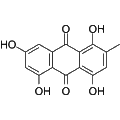
    Catenarin, an anthraquinone compound, serves as an inhibitor of CCR5 and CXCR4-mediated chemotaxis. It effectively reduces the phosphorylation of mitogen-activated protein kinases (p38 and JNK) and their upstream kinases (MKK6 and MKK7), as well as calcium mobilization. Catenarin demonstrates anti-inflammatory properties and inhibits leukocyte migration, contributing to its potential in diabetes research. Additionally, it exhibits significant antibacterial activity against Gram-positive bacteria and has been shown to prevent type 1 diabetes in nonobese diabetic mice.

    Out of stock

    All 3 sizes
  • UCUF-965
    Cat. No.
    B21915

    UCUF-965

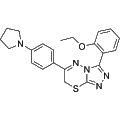
    UCUF-965 is a positive allosteric modulator of the chemokine receptor CXCR4. This compound enhances CXCL12-induced β-arrestin recruitment and cAMP signaling, promoting lymphoblast migration and inducing calcium flux without binding to the orthosteric CXCL12 site. UCUF-965 also modulates microRNA levels in fibroblasts by reducing miR-15b and miR-29a, while increasing miR-146a. Its capabilities in enhancing angiogenesis and accelerating wound healing make UCUF-965 a valuable tool in research focused on diabetic wound healing impairment.

    Out of stock

    All 3 sizes
  • YU241279
    Cat. No.
    B21926

    YU241279

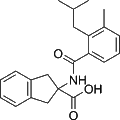
    YU241279 is a selective inhibitor of CXCR5, targeting the CXCL13-mediated signaling pathways. It effectively inhibits Gαq-dependent calcium influx and Gαi2-dependent cAMP reduction in CXCR5-expressing cells, leading to reduced proliferation of lymphoma cells. In preclinical studies, YU241279 demonstrated a significant reduction in tumor burden within the peripheral blood and bone marrow of mice with lymphoma. This compound is suitable for research into angioimmunoblastic T-cell lymphoma and Burkitt B-cell lymphoma.

    5 mg
    $670.00
    10 mg
    $1,110.00
    All 4 sizes

Items 176-180 of 180

Added to your cart

View Cart Checkout

    Loading...