- Cat. No.
- A10501
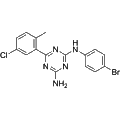
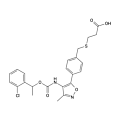
Ki16425
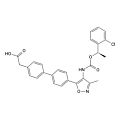
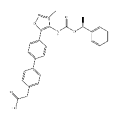
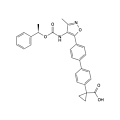
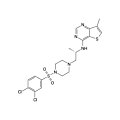
Ki16425 is a LPA receptor antagonist with selectivity for LPA1 and LPA3 and exhibits Ki values of 0.34, 6.5, and 0.93 μM for the human LPA1, LPA2, and LPA3 receptors, respectively.
Search by product name, CAS, target or catalog number. Press Down Arrow to reach product suggestions, Tab to move between links, and Escape to close suggestions.
LPA receptor antagonists and agonists act on receptors for the lipid mediator lysophosphatidic acid (LPA). Six LPA receptors, LPA1 to LPA6, are known, and all belong to the G protein-coupled receptor family. The first, LPA1, was identified in 1996 as the product of ventricular zone gene-1 in the developing cerebral cortex. LPA signaling controls cell migration, proliferation and cytoskeletal change in many tissues. In 2008 LPA1 was linked to fibroblast recruitment and vascular leak in a model of pulmonary fibrosis. Ki16425 and Ki16198 block LPA1 and LPA3, and AM966, AM095 and ONO-7300243 are LPA1 antagonists. GRI 977143 and Radioprotectin-1 act as LPA2 agonists, while AS2717638 antagonizes LPA5.
Ki16425 is a LPA receptor antagonist with selectivity for LPA1 and LPA3 and exhibits Ki values of 0.34, 6.5, and 0.93 μM for the human LPA1, LPA2, and LPA3 receptors, respectively.
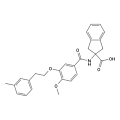
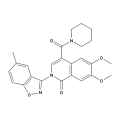
AM966 is a high affinity, selective, oral antagonist of LPA1 receptor (lysophosphatidic acid receptor) with an IC50 value of 17 nM.
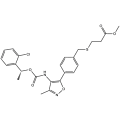
Ki16198 is a potent LPA receptor antagonist and inhibits LPA1- and LPA3-induced inositol phosphate production with Ki of 0.34 μM and 0.93 μM, respectively.
SAR-100842 is a lysophaphatidic acid 1 (LPA1/Edg-2) receptor inhibitor.
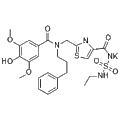
AM095 is a potent LPA1 receptor antagonist because it inhibited GTP??S binding to Chinese hamster ovary (CHO) cell membranes overexpressing recombinant human or mouse LPA1 with IC50 values of 0.98 and 0.73 μM, respectively, and exhibited no LPA1 agonism.
Synonyms: AM 095,AM-095
AM095 is a novel, potent and orally bioavailable antagonist of lysophosphatidic acid type 1 receptor (LPA1) with IC50 values of 0.73 and 0.98 μM for mouse or recombinant human LPA1, respectively
GRI 977143, selective lysophosphatidic acid 2 (LPA2) receptor non-lipid agonist (EC50 = 3.3 uM).
ONO-7300243 is a novel, potent lysophosphatidic acid receptor 1 (LPA1) antagonist with IC50 of 0.16 μM.
Radioprotectin-1 is a potent and specific nonlipid agonist of lysophosphatidic acid receptor 2 (LPA2), with an EC50 value of 25 nM for murine LPA2 subtype.
AS2717638 is an oral active and selective lysophosphatidic acid receptor 5 (LPA5) antagonist, with an IC50 of 38 nM for hLPA5. AS2717638 also significantly improves PGE2-, PGF2α-, and AMPA-induced allodynia.
ASP6432 is a potent and selective Type 1 Lysophosphatidic Acid (LPA1) receptor antagonist.
Synonyms: AP-3152 free acid; AM152
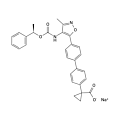
BMS-986020 is a high-affinity lysophosphatidic acid receptor 1 (LPA1) antagonist.
LPA1 antagonist 1 is a highly selective Lysophosphatidic Acid receptor-1 (LPA1) antagonist with an IC50 of 25 nM.
LPA2 antagonist 1 is a LPA2 antagonist with an IC50 of 17 nM.
Synonyms: BMS986020
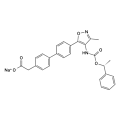
BMS-986020 sodium is a high-affinity lysophosphatidic acid receptor 1 (LPA1) antagonist.
Synonyms: 1-Oleoyl-sn-glycero-3-phosphate sodium; 1-Oleoyl-LPA sodium
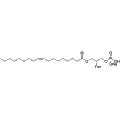
1-Oleoyl lysophosphatidic acid sodium is a potent LPA receptor activator, functioning primarily as a bioactive phospholipid. This compound promotes mitosis by inducing DNA synthesis, making it critical for studies in cell proliferation. Additionally, 1-Oleoyl lysophosphatidic acid sodium plays a role in mediating both normal and pathological emotional responses, including anxiety and depression, contributing to research in neurobiology and mental health disorders.
H2L5186303 is a potent and selective antagonist of the lysophosphatidic acid receptor 2 (LPA2), exhibiting an IC50 of 9 nM. This compound induces apoptosis and effectively inhibits cell proliferation and motility. Additionally, H2L5186303 demonstrates anti-inflammatory properties, making it a valuable reagent for research involving cancer biology and inflammation pathways.
CT 32228 is an inhibitor of lysophosphatidic acid acyltransferase-β (LPAAT-β), showing significant inhibition of tumor cell growth. It exhibits IC50 values in the range of 0.1-0.8 μM across various leukemia cell lines and effectively induces caspase activation in DHL-4 and Ramos cells. In combination with Rituximab, CT 32228 promotes apoptosis and demonstrates a 50% growth delay in xenograft models. This reagent is suitable for research applications targeting acute leukemia.
Out of stock
All 3 sizes
(2S)-OMPT is a selective agonist for the LPA3 G-protein-coupled receptor, functioning as a lysophosphatidic acid analogue. This compound triggers downstream signaling pathways, including calcium influx and interleukin-6 (IL-6) release in cancer cells. Additionally, (2S)-OMPT activates critical signaling pathways such as MAPK and Akt. Its unique properties make it a valuable tool for research on ovarian cancer and other related studies.
ONO-8430506 is a potent and orally bioavailable inhibitor of autotaxin (ATX), also known as ENPP2, exhibiting an IC90 of 100 nM for ATX activity in mouse plasma. Through its inhibitory action on ATX, this compound plays a crucial role in modulating lysophosphatidic acid (LPA) signaling pathways. ONO-8430506 is useful for studies investigating the biological functions of ATX in diseases such as cancer and fibrosis, making it a valuable tool for research applications aimed at targeting the LPA signaling axis.
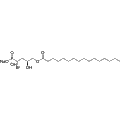
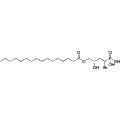
BrP-LPA sodium is a pan-antagonist of lysophosphatidic acid (LPA), displaying antagonistic activity against LPA1, LPA2, LPA3, and LPA4, with IC50 values of 4520 nM and 468 nM, respectively. It also exhibits partial agonistic activity for LPA5, with an EC50 of 1282 nM, and demonstrates inhibitory effects on autotaxin (ATX). BrP-LPA sodium has been shown to effectively inhibit migration and invasion of breast cancer cells and promotes tumor regression along with anti-angiogenic effects in a mouse breast cancer xenograft model. This reagent is valuable for research focused on breast cancer mechanisms and therapeutic strategies.
Out of stock
All 3 sizes
BrP-LPA is a potent lysophosphatidic acid (LPA) antagonist and autotoxin (ATX) inhibitor. It exhibits broad-spectrum antagonism against LPA receptors LPA1-4, resulting in decreased blood vessel density and reduced anxiety-like behaviors. Additionally, BrP-LPA demonstrates significant anticancer activity, effectively inhibiting cell proliferation in breast, colon, and lung cancer models. This compound is valuable for research focused on cancer biology and vasculature modulation.
Out of stock
All 3 sizes
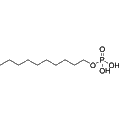
Synonyms: Decyl dihydrogen phosphate
Decyl phosphate is a selective agonist of the LPA2 receptor, exhibiting an EC50 value of 1.8 μM. Additionally, it acts as an antagonist for the LPA1 and LPA3 receptors. This compound is valuable for research applications focused on blood disorders and the modulation of lysophosphatidic acid signaling pathways.
Out of stock
All 3 sizes
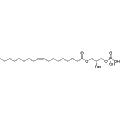
Synonyms: 1-Oleoyl-sn-glycero-3-phosphate; 1-Oleoyl-LPA
1-Oleoyl lysophosphatidic acid is a potent activator of lysophosphatidic acid (LPA) receptors, exhibiting strong biological activity due to its high affinity for these receptors. This compound is frequently utilized in research to investigate LPA receptor signaling pathways and related cellular responses. Additionally, 1-Oleoyl lysophosphatidic acid has been shown to enhance SRE-driven β-galactosidase activity, making it a valuable tool in studies of gene expression and cellular signaling.
Out of stock
All 3 sizes
Synonyms: Admilparant
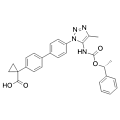
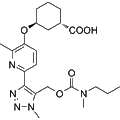
BMS-986278 is a potent, orally active antagonist of the lysophosphatidic acid receptor 1 (LPA1), exhibiting inhibition constants (Kbs) of 6.9 nM for human LPA1 and 4.0 nM for mouse LPA1. This compound is particularly useful for investigating pulmonary fibrotic disorders and exploring therapeutic strategies targeting LPA1 signaling pathways. Its selective activity makes it a valuable tool for elucidating the role of LPA1 in fibrotic disease mechanisms.