LPA Receptor

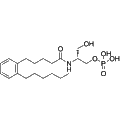
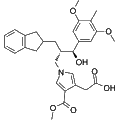
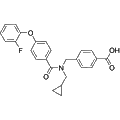
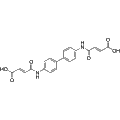
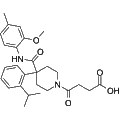
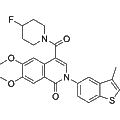
LPA receptor antagonists and agonists act on receptors for the lipid mediator lysophosphatidic acid (LPA). Six LPA receptors, LPA1 to LPA6, are known, and all belong to the G protein-coupled receptor family. The first, LPA1, was identified in 1996 as the product of ventricular zone gene-1 in the developing cerebral cortex. LPA signaling controls cell migration, proliferation and cytoskeletal change in many tissues. In 2008 LPA1 was linked to fibroblast recruitment and vascular leak in a model of pulmonary fibrosis. Ki16425 and Ki16198 block LPA1 and LPA3, and AM966, AM095 and ONO-7300243 are LPA1 antagonists. GRI 977143 and Radioprotectin-1 act as LPA2 agonists, while AS2717638 antagonizes LPA5.

Items 26-50 of 54

  • H2L 5765834
    Cat. No.
    A61130

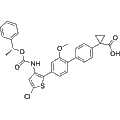
    H2L 5765834

    H2L 5765834 is a potent antagonist of lysophosphatidic acid receptors LPA1, LPA3, and LPA5, exhibiting IC50 values of 94 nM, 752 nM, and 463 nM, respectively. This compound is valuable for studies investigating the role of LPA receptors in various biological processes, including cell proliferation, migration, and survival. Its ability to selectively inhibit these receptors makes it a useful tool for research in cancer biology, fibrosis, and neurobiology.

    1 mg
    $45.00
    5 mg
    $100.00
    All 6 sizes
  • ONO-0740556
    Cat. No.
    A61134

    ONO-0740556

    ONO-0740556 is a potent agonist of the Gi-coupled human lysophosphatidic acid receptor 1 (LPA1), exhibiting an EC50 value of 0.26 nM. This compound plays a significant role in modulating cellular signaling pathways associated with LPA1 activation. ONO-0740556 is valuable for research applications focused on investigating LPA1-related physiological and pathological processes, including cell proliferation, migration, and inflammatory responses.

    5 mg
    $640.00
    10 mg
    $1,050.00
    All 5 sizes
  • TC LPA5 4
    Cat. No.
    A61138

    TC LPA5 4

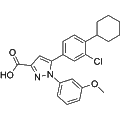
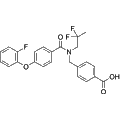
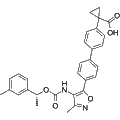
    TC LPA5 4 is a selective antagonist of LPA5 (GPR92) with a non-lipid structure. It effectively inhibits LPA-induced aggregation of isolated human platelets, demonstrating an IC50 value of 800 nM. Additionally, TC LPA5 4 shows potent inhibition of cell proliferation and migration in thyroid cancer cells, making it a valuable tool for research in cancer biology and cell signaling pathways associated with LPA5.

    1 mg
    $35.00
    5 mg
    $85.00
    All 7 sizes
  • ONO-9780307
    Cat. No.
    A61139

    ONO-9780307

    ONO-9780307 is a potent antagonist of the LPA1 (lysophosphatidic acid receptor 1) with an IC50 value of 2.7 nM. This compound effectively inhibits LPA1-mediated signaling pathways, making it a valuable tool for studying the role of lysophosphatidic acid in various biological processes. It is suitable for research applications involving cellular signaling, inflammation, and cancer biology.

    5 mg
    $535.00
    10 mg
    $825.00
    All 5 sizes
  • TAK-615
    Cat. No.
    A61141

    TAK-615

    TAK-615 is a negative allosteric modulator (NAM) of the lysophosphatidic acid receptor 1 (LPA1). It exhibits high-affinity binding with a Kd of 1.7 nM, along with a lower affinity of 14.5 nM. This compound is primarily used in research focused on pulmonary fibrosis, enabling investigations into the role of LPA1 in fibrotic pathways and potential therapeutic interventions.

    1 mg
    $55.00
    5 mg
    $140.00
    All 7 sizes
  • ACT-1016-0707
    Cat. No.
    A61146

    ACT-1016-0707

    Synonyms: LPA1 receptor antagonist 2

    ACT-1016-0707 is a selective antagonist of the LPA1 receptor, demonstrating oral bioavailability. This compound is primarily utilized in research focused on fibrotic diseases, showcasing its potential to modulate pathways associated with fibrosis and related pathologies. Its specificity for the LPA1 receptor makes it a valuable tool for exploring therapeutic strategies in fibrotic conditions.

    1 mg
    $60.00
    5 mg
    $130.00
    All 6 sizes
  • GS-2278
    Cat. No.
    A61149

    GS-2278

    GS-2278 is an antagonist of the lysophosphatidic acid receptor 1 (LPAR1), which plays a significant role in various signaling pathways associated with cellular proliferation and fibrosis. This compound demonstrates potential in research related to idiopathic pulmonary fibrosis (IPF), making it a valuable tool for elucidating the molecular mechanisms underlying fibrotic diseases. Its ability to modulate LPAR1 activity may provide insights into novel therapeutic strategies for IPF and similar conditions.

    5 mg
    $705.00
    10 mg
    $1,160.00
    All 4 sizes
  • NAEPA
    Cat. No.
    A61155

    NAEPA

    NAEPA is a phosphate-mimetic derivative that functions as an agonist of lysophosphatidic acid (LPA) receptors. It is known to facilitate cellular signaling pathways associated with cell proliferation, migration, and differentiation. This compound is valuable for research applications exploring the roles of LPA in various biological processes, including cancer biology and neurobiology.

    1 mg
    $200.00
    5 mg
    $485.00
    All 5 sizes
  • ONO-0300302
    Cat. No.
    A61156

    ONO-0300302

    ONO-0300302 is a potent oral antagonist of the lysophosphatidic acid receptor 1 (LPA1), exhibiting an IC50 of 0.086 μM. This compound acts as a slow tight binding inhibitor, with an increasing binding affinity over time, demonstrated by a Kd of 0.34 nM at 37 °C after 2 hours. ONO-0300302 is primarily utilized in research related to benign prostatic hyperplasia (BPH).

    5 mg
    $535.00
    10 mg
    $880.00
    All 5 sizes
  • LPA2 antagonist 2
    Cat. No.
    A61164

    LPA2 antagonist 2

    LPA2 antagonist 2 is a selective antagonist of the lysophosphatidic acid receptor 2 (LPA2), exhibiting an IC50 of 28.3 nM and a Ki of 21.1 nM, demonstrating significant potency. This compound shows over 480-fold selectivity against LPA3, with an IC50 of 13.85 μM. LPA2 antagonist 2 is valuable for research applications involving elucidating LPA2-mediated signaling pathways and exploring its role in various biological processes.

    1 mg
    $45.00
    5 mg
    $115.00
    All 6 sizes
  • LPAR1 antagonist 1
    Cat. No.
    A61166

    LPAR1 antagonist 1

    LPAR1 antagonist 1 is a selective antagonist of the lysophosphatidic acid receptor 1 (LPAR1) with an IC50 of 3.3 nM. This compound demonstrates significant oral bioavailability and is primarily utilized in researching pathways related to fibrosis. Its high potency and selectivity make it a valuable tool for investigating LPAR1-related biological processes and therapeutic interventions in fibrotic diseases.

    5 mg
    $500.00
    10 mg
    $815.00
    All 5 sizes
  • LPA5 antagonist 2
    Cat. No.
    A61175

    LPA5 antagonist 2

    LPA5 Antagonist 2 is a potent antagonist of the lysophosphatidic acid receptor 5 (LPA5). It exhibits significant efficacy in reducing nociceptive hypersensitivity, making it a valuable tool for studies focused on inflammatory and neuropathic pain mechanisms. This compound's high aqueous solubility facilitates its use in various biological assays and experimental applications.

    5 mg
    $580.00
    10 mg
    $965.00
    All 5 sizes
  • Lpathomab
    Cat. No.
    A61184

    Lpathomab

    Synonyms: LT3015; LT-3000

    Lpathomab is a human IgG1 monoclonal antibody (mAb) that targets lysophosphatidic acid (LPA). It effectively inhibits the release of pro-inflammatory cytokines IL-8 and IL-6 in SKOV3 cells, while also blocking LPA-induced tumor cell migration. Additionally, Lpathomab demonstrates the ability to reduce neovascularization in Matrigel plug and choroidal neovascularization (CNV) models, and it provides neuroprotection in a controlled cortical impact (CCI) mouse model. This reagent is suitable for research applications in brain injury, ovarian cancer, diabetic neuropathy, and spinal cord injury.

    Out of stock

    All 3 sizes
  • AzoLPA ammonium
    Cat. No.
    A61185

    AzoLPA ammonium

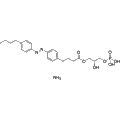
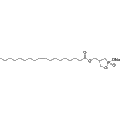
    AzoLPA ammonium is a photoswitchable lipid that functions as an activator of the Lysophosphatidic acid receptors 1-5 (LPA1-5). This compound initiates LPA receptor signaling pathways, enabling researchers to investigate the physiological roles of LPA in various biological processes. It is particularly valuable for applications in cell signaling studies and the exploration of LPA-related mechanisms in cancer, neurobiology, and cell migration.

    Out of stock

    All 3 sizes
  • N-PTyrosine PA ammonium
    Cat. No.
    A61197

    N-PTyrosine PA ammonium

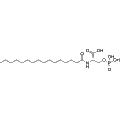
    Synonyms: N-Palmitoyl-tyrosine phosphoric acid ammonium

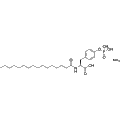
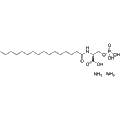
    N-PTyrosine PA ammonium is a lysophosphatidic acid (LPA) receptor modulator that functions primarily as a competitive inhibitor at LPA1 and a partial agonist at LPA5. This compound may inhibit LPA receptor activation and downstream signaling pathways by competing for binding sites with native agonists. Additionally, N-PTyrosine PA ammonium is capable of inducing morphological changes and promoting aggregation, as well as preventing LPA-induced morphological alterations through prior receptor desensitization. Its applications extend to the study of various conditions, including atherosclerosis and acute ischemic syndromes, such as unstable angina and myocardial infarction.

    Out of stock

    All 3 sizes
  • LPA2 antagonist 5
    Cat. No.
    A61206

    LPA2 antagonist 5

    LPA2 antagonist 5 is a specific antagonist of the lysophosphatidic acid receptor 2 (LPA2), demonstrating an IC50 of 4.05 nM. This compound is valuable for research into the regulatory roles of LPA2 in various biological processes, including cancer biology and neurodegenerative diseases. Its ability to inhibit LPA2 signaling makes it an important tool for dissecting the receptor's functions and potential therapeutic targets.

    Out of stock

    All 3 sizes
  • LPA5 antagonist 3
    Cat. No.
    A61207

    LPA5 antagonist 3

    LPA5 antagonist 3 functions as an antagonist of the lysophosphatidic acid receptor 5 (LPA5), exhibiting an IC50 of 170 nM. This compound is primarily utilized in research related to pain disorders and atherosclerosis, providing valuable insights into the role of LPA5 in various pathological conditions. Its effectiveness in modulating LPA5 activity makes it a significant tool for exploring therapeutic approaches in these areas.

    Out of stock

    All 3 sizes
  • VPC12249
    Cat. No.
    A61216

    VPC12249

    VPC12249 is a competitive dual antagonist of LPA1 and LPA3, exhibiting Ki values of 137 nM and 428 nM, respectively. It effectively inhibits calcium mobilization in HEK293T cells with a Ki of approximately 130 nM. This compound is useful for investigating the roles of LPA receptors in ovarian cancer and hypertensive diseases, providing valuable insights into potential therapeutic strategies.

    25 mg
    $1,275.00
    50 mg
    $1,625.00
    All 3 sizes
  • 2ccPA sodium
    Cat. No.
    A61231

    2ccPA sodium

    Synonyms: 2ccPA18:1 sodium

    2ccPA sodium is a potent lysophosphatidic acid (LPA) receptor agonist. By activating LPA receptors and inhibiting the activity of the autotaxin (ATX) enzyme, it plays a significant role in regulating cell proliferation, migration, and apoptosis. This compound is valuable for research into various biological processes and disease states, including cancers, inflammation, and fibrosis.

    Out of stock

    All 3 sizes
  • LPAR1 antagonist 2
    Cat. No.
    A61240

    LPAR1 antagonist 2

    LPAR1 Antagonist 2 is a selective antagonist of the lysophosphatidic acid receptor 1 (LPAR1), demonstrating an average IC50 of 130 nM. This compound is utilized in research to investigate the role of LPAR1 in various physiological and pathological processes, including cancer progression and neurodegenerative diseases. Its inhibition of LPAR1 signaling makes it a valuable tool for studying receptor-mediated pathways and developing therapeutic strategies targeting this receptor.

    Out of stock

    All 3 sizes
  • BMT-136088
    Cat. No.
    A61242

    BMT-136088

    BMT-136088 is an LPAR1 antagonist that effectively inhibits the activity of the lysophosphatidic acid receptor 1. This compound can be utilized as a positron emission tomography (PET) radioligand for the quantitative assessment of specific binding to LPA1 in lung tissues. Its application in research can enhance the understanding of LPAR1’s role in various biological processes and pathological conditions.

    Out of stock

    All 3 sizes
  • L-NASPA ammonium
    Cat. No.
    A61244

    L-NASPA ammonium

    L-NASPA ammonium is an effective LPA inhibitor that targets lysophosphatidic acid signaling pathways. It is utilized in research focused on platelet activation and related cellular processes. By inhibiting LPA, this compound aids in elucidating the mechanisms underlying platelet function and potential therapeutic interventions in related disorders.

    Out of stock

    All 3 sizes
  • LPA receptor antagonist-1
    Cat. No.
    A61249

    LPA receptor antagonist-1

    LPA Receptor Antagonist-1 functions as a selective antagonist of lysophosphatidic acid (LPA) receptors, which play a crucial role in various cellular signaling pathways. This compound demonstrates significant biological activity by inhibiting LPA-mediated responses, making it a valuable tool for research into cellular processes related to cancer, fibrosis, and neurodegenerative diseases. Researchers can utilize LPA Receptor Antagonist-1 to investigate the implications of LPA signaling in multiple biological contexts.

    Out of stock

    All 3 sizes
  • L-NASPA
    Cat. No.
    A61256

    L-NASPA

    L-NASPA is a potent lysophosphatidic acid (LPA) inhibitor that plays a significant role in research related to platelet activation. By blocking LPA signaling pathways, L-NASPA enables the investigation of its effects on cellular processes involved in thrombosis and inflammation. This compound is valuable for studies aimed at understanding the physiological and pathological roles of LPA in various biological contexts.

    Out of stock

    All 3 sizes
  • Lp(a)-IN-5
    Cat. No.
    A69553

    Lp(a)-IN-5

    Lp(a)-IN-5 is an orally bioavailable inhibitor of lipoprotein (a) (Lp(a)), specifically targeting the assembly of apolipoprotein(a) (Apo(a)) and apolipoprotein B (ApoB). With an IC50 value of 0.41 nM, Lp(a)-IN-5 demonstrates potent inhibitory activity, making it a valuable tool for investigating conditions associated with elevated plasma Lp(a) levels, particularly in the context of cardiovascular diseases. Its efficacy in disrupting Lp(a) formation highlights its potential for further research into therapeutic interventions for related disorders.

    Out of stock

    All 3 sizes

Items 26-50 of 54

Added to your cart

View Cart Checkout

    Loading...