- Cat. No.
- A14148
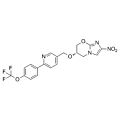
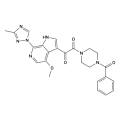
Temsavir (BMS 626529)
Synonyms: BMS-626529
BMS-626529 is a potent HIV-1 attachment inhibitor. BMS-663068 is also the phosphonooxymethyl prodrug of BMS-626529 that targets HIV-1 gp120 and prevents its binding to CD4(+) T cells.
Search by product name, CAS, target or catalog number. Press Down Arrow to reach product suggestions, Tab to move between links, and Escape to close suggestions.
Anti-infectives brings together compounds that act on bacteria, fungi and viruses in microbiology research. They are used to study microbial growth, drug resistance and host-pathogen interactions. Its seven subcategories are Antibiotic, Bacterial, Fungal, Mycobacterium tuberculosis, HIV (human immunodeficiency virus), Dengue Virus and Flavivirus. Antibacterial examples include the oxazolidinone linezolid, the carbapenems imipenem and meropenem, and the glycylcycline tigecycline. Bedaquiline, a diarylquinoline, and pretomanid, a nitroimidazole, are used in Mycobacterium tuberculosis research. Among the antivirals, nelfinavir inhibits HIV-1 protease, an enzyme required for viral maturation. Compounds for a single viral enzyme or virus, such as reverse transcriptase or influenza virus, also have their own Microbiology categories.
Synonyms: BMS-626529
BMS-626529 is a potent HIV-1 attachment inhibitor. BMS-663068 is also the phosphonooxymethyl prodrug of BMS-626529 that targets HIV-1 gp120 and prevents its binding to CD4(+) T cells.
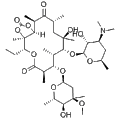
Erythromycin Cyclocarbonate, derivative of Erythromycin, inhibits protein synthesis of bacteria by binding to the 50S ribosome.
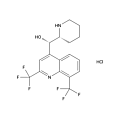
Mefloquine HCl is a blood schizonticide by inhibiting hemozoin formation.
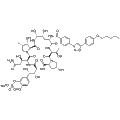
Synonyms: FK463 Sodium
Micafungin Sodium is an inhibitor of 1, 3-beta-D-glucan synthesis.
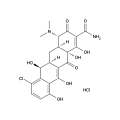
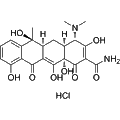
Demeclocycline HCl is a tetracycline antibiotic via inhibition of protein synthesis by bacteria
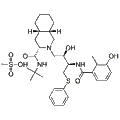
Nelfinavir Mesylate is a potent HIV protease inhibitor with Ki of 2 nM.
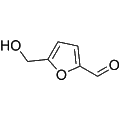
Synonyms: 2-Hydroxymethyl-5-furfural; 2-Formyl-5-hydroxymethylfuran
5-Hydroxymethylfurfural is a furan derivative that serves as a potent fungal inhibitor. It exhibits anti-yeast activity by suppressing growth and fermentation under stress conditions, making it valuable for studies related to microbial resistance and fermentation processes. This compound is utilized in research focused on food preservation and biotechnological applications.
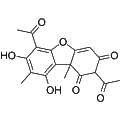
Usnic acid is a secondary metabolite derived from lichens, exhibiting significant antibacterial and anticancer properties. It functions primarily by inhibiting DNA and RNA synthesis, leading to cell cycle arrest and apoptosis in various cancer cell lines. Additionally, usnic acid suppresses RANKL-mediated osteoclast formation and function through downregulation of NFATc1. Its antioxidant and anti-inflammatory effects are attributed to the inhibition of lipid peroxidation and myeloperoxidase activity, making it a valuable reagent for diverse biological research applications.
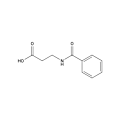
Synonyms: CS-443
Betamipron is a chemical compound which is used together with panipenem to inhibit panipenem uptake into the renal tubule and prevent nephrotoxicity.
Tetracycline hydrochloride is a broad-spectrum antibiotic targeting bacterial protein synthesis. It demonstrates antibacterial activity against a wide array of microorganisms, including gram-positive and gram-negative bacteria, as well as chlamydiae, mycoplasmas, and rickettsiae. This reagent is suitable for research applications involving bacterial infections and studies related to antibiotic resistance mechanisms.
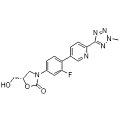
Torezolid is an oxazolidinone drug in phase-II clinical trials for complicated skin and skin-structure infections (cSSSI), including those caused by Methicillin-resistant Staphylococcus aureus (MRSA).
Synonyms: OMadacycline; PTK 0796
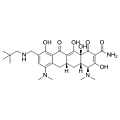
Amadacycline is a new tetracycline antibiotic in the pipeline, which can inhibit the 30s subunit of bacterial ribosome.
Synonyms: Omadacycline methanesulfonate; PTK 0796 methanesulfonate
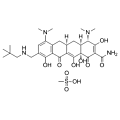
Amadacycline methanesulfonate is a new tetracycline antibiotic in the pipeline, which can inhibit the 30s subunit of bacterial ribosome.
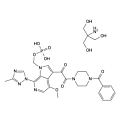
Synonyms: BMS663068 (Tris)
BMS-663068 tris is an HIV-1 attachment inhibitor in development for the treatment of HIV-1 infection.
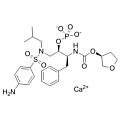
Synonyms: GW 433908G; Lexiva
Fosamprenavir Calcium Salt is a phosphate ester prodrug of the antiretroviral protease inhibitor amprenavir, with improved solubility over the parent molecule and a potential for reduced pill burden on current dosing regimens; GW433908G is the calcium salt of the prodrug.
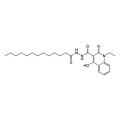
I2906 showed antimycobacterial and cytotoxic activity against mycobacterium tuberculosis.
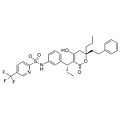
Tipranavir, a nonpeptidic HIV protease inhibitor (NPPI), inhibits the enzymatic activity and dimerization of HIV-1 protease, exerts potent activity against multi-PI-resistant HIV-1 isolates.
TBA-354 is a potent anti-tuberculosis compound; maintains activity against Mycobacterium tuberculosis H37Rv isogenic monoresistant strains and clinical drug-sensitive and drug-resistant isolates.
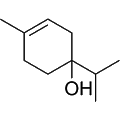
Synonyms: 4-Carvomenthenol
Terpinen-4-ol, a naturally occurring monoterpene, acts primarily as a bactericidal agent. This compound exhibits significant antifungal, anti-inflammatory, and antitumor activities, making it a valuable tool for diverse research applications, especially in the study of microbial resistance and inflammation. Its multiple biological effects also support investigations into potential therapeutic uses in various diseases.
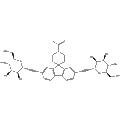
Synonyms: VRT1353385; Antibiotic-202
Sibofimloc (Antibiotic-202) is a first-in-class, gut-restricted, orally active FimH adhesion inhibitor extracted from patent WO2014100158A1, Compound Example 202. Sibofimloc has anti-bacterial infective activity. Sibofimloc is developed for inflammatory bowel disease (IBD).
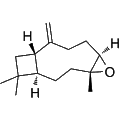
Synonyms: (-)-Caryophyllene oxide
Caryophyllene oxide is a bicyclic sesquiterpene known for its anticancer properties, particularly its ability to induce apoptosis in PC-3 prostate cancer cells. This compound also exhibits significant analgesic and anti-inflammatory activities, making it valuable for pain management research. Additionally, caryophyllene oxide demonstrates a range of biological activities, including insecticidal, antioxidant, antimicrobial, antifungal, and antiparasitic effects, supporting its utility in various pharmacological studies and natural product research.
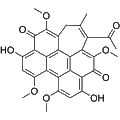
Hypocrellin B is a photosensitizer with significant apoptotic properties, primarily used in photodynamic therapy for cancer treatment. Isolated from the fungi Hypocrella bambusae and Shiraia bambusicola, it exhibits both antimicrobial and antileishmanial activities. This compound is valuable in research exploring its efficacy against various fungal infections and its potential therapeutic applications in oncology.
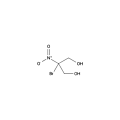
Synonyms: BNPD; BNPK
Bronopol is antibacterial agent, used as preservative in cosmetic industry.
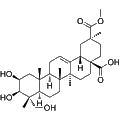
Phytolaccagenin is a triterpenoid saponin that is the active component of Radix Phytolaccae. This compound exhibits significant antifungal and anti-inflammatory activities, making it a valuable reagent for research in pharmacology and toxicology. Its lower toxicity profile enhances its potential as a candidate for therapeutic applications and further biological studies.
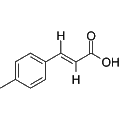
4-Methylcinnamic acid is a cinnamic acid derivative primarily known for its antifungal properties. This compound demonstrates the capability to enhance the efficacy of traditional antifungal agents by lowering their minimum inhibitory concentrations, particularly in the presence of glutathione reductase mutants. Its mechanism includes disrupting fungal cell walls, making it a promising candidate for research into combating drug-resistant fungi. 4-Methylcinnamic acid shows potential applications in the development of more effective antifungal therapies.