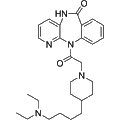
mAChR

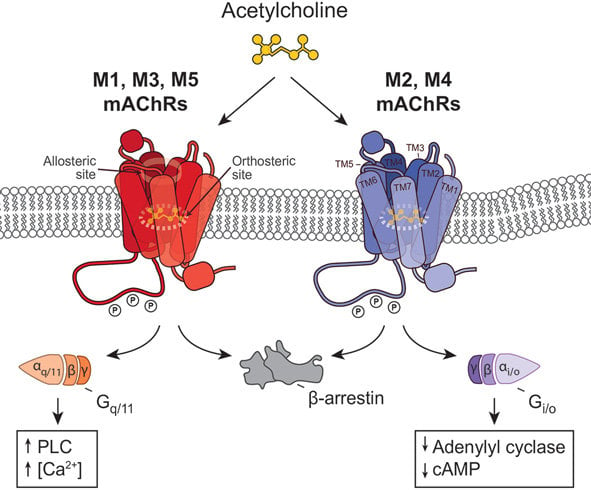
Muscarinic acetylcholine receptors (mAChRs) are a class of G protein-coupled receptors (GPCRs) found in the central and peripheral nervous systems, as well as in various other tissues and organs throughout the body. These receptors are named after muscarine, a natural alkaloid compound found in certain mushrooms, which was one of the first substances discovered to activate them.

There are five subtypes of muscarinic receptors, designated as M1 through M5, each with distinct tissue distribution and functions. Here's an overview of their roles:

  • M1 Receptors: Predominantly found in the central nervous system, particularly in regions associated with cognitive functions. Activation of M1 receptors is linked to memory and learning.
  • M2 Receptors: Found in the heart, where they play a crucial role in regulating heart rate and cardiac contractility. Activation of M2 receptors slows heart rate and reduces the force of cardiac contractions.
  • M3 Receptors: Present in smooth muscle tissues, such as those in the gastrointestinal tract, urinary bladder, and bronchial airways. Activation of M3 receptors leads to smooth muscle contraction.
  • M4 Receptors: Distributed mainly in the central nervous system and involved in modulating neurotransmitter release. Their role in cognition and neuropsychiatric disorders is of interest.
  • M5 Receptors: Located in certain areas of the brain and implicated in the modulation of dopamine release. Research suggests they may be relevant to Parkinson's disease and addiction.

Muscarinic receptors are activated by the neurotransmitter acetylcholine and play a vital role in regulating a wide range of physiological processes, including heart rate, smooth muscle contraction, glandular secretion, and neurotransmitter release. They are targets for various drugs, including anticholinergic agents, which block their activity, and drugs used to treat conditions like bradycardia and neurodegenerative disorders.

Understanding the functions and regulation of muscarinic acetylcholine receptors is essential for developing therapies that modulate their activity and for advancing our knowledge of how they contribute to various physiological and pathological processes in the body.

Items 301-325 of 399

  • L-687306
    Cat. No.
    A61453

    L-687306

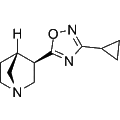
    L-687306 is a high-affinity partial agonist of the muscarinic M1 receptor, demonstrating significant activity in rat ganglia. Additionally, it acts as a competitive antagonist at M2 and M3 muscarinic receptors in guinea pig cardiac and ileal tissues, respectively. This compound is valuable for investigating muscarinic receptor reserve and exploring muscarinic signaling pathways in various physiological contexts.

    Out of stock

    All 3 sizes
  • L-Hyoscyamine hydrobromide
    Cat. No.
    A61454

    L-Hyoscyamine hydrobromide

    Synonyms: Hyoscyamine hydrobromide

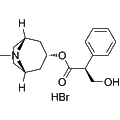
    L-Hyoscyamine hydrobromide is a competitive antagonist of muscarinic acetylcholine receptors (mAChRs). It exhibits significant anticholinergic activity, making it useful in research related to gastrointestinal motility and neurological disorders. This compound is employed in various pharmacological studies to assess its effects on cholinergic signaling and its impact on lactation dynamics when considering long-term use.

    25 mg
    $1,865.00
    50 mg
    $2,200.00
    All 3 sizes
  • ASP9133
    Cat. No.
    A61455

    ASP9133

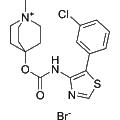
    ASP9133 is a long-acting muscarinic antagonist that effectively inhibits bronchoconstriction. This compound is primarily researched for its potential applications in the treatment of chronic obstructive pulmonary disease (COPD), providing insights into the management of airway obstruction and related respiratory disorders. Its mechanism of action makes it a valuable reagent for studies focusing on respiratory physiology and pharmacology.

    25 mg
    $1,405.00
    50 mg
    $1,790.00
    All 3 sizes
  • Eucatropine
    Cat. No.
    A61456

    Eucatropine

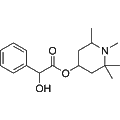
    Eucatropine is a potent antagonist of muscarinic acetylcholine receptors (mAChRs) with an IC50 value of 0.583 μM. This anticholinergic agent is effective in modulating acetylcholine signaling pathways, making it valuable for research applications in neuropharmacology and studies related to cholinergic system modulation. Its specificity for mAChRs allows for potential insights into the therapeutic effects and mechanisms underlying various neurological disorders.

    25 mg
    $1,275.00
    50 mg
    $1,625.00
    All 3 sizes
  • VU6009048
    Cat. No.
    A61457

    VU6009048

    VU6009048 is a positive allosteric modulator of the M4 muscarinic acetylcholine receptor (mAChR4) that exhibits effective central nervous system penetration. This compound is useful for investigating neurological disorders such as Parkinson's disease, Huntington's disease, and schizophrenia, facilitating the exploration of therapeutic options targeting cholinergic signaling pathways. Its mechanism of action enhances receptor activity, making it a valuable tool for research in neuropharmacology.

    Out of stock

    All 3 sizes
  • Phenglutarimid hydrochloride
    Cat. No.
    A61458

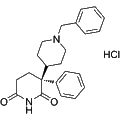
    Phenglutarimid hydrochloride

    Synonyms: Ciba 10870 hydrochloride; Phenglutarimide hydrochloride

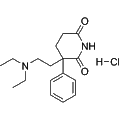
    Phenglutarimid hydrochloride is identified as a muscarinic acetylcholine receptor (mAChR) inhibitor. This compound exhibits anticholinergic properties and is primarily utilized in research related to Parkinson's disease and other neurological disorders. Its ability to modulate cholinergic signaling makes it a valuable tool for investigating therapeutic approaches for movement disorders and cognitive function.

    25 mg
    $1,275.00
    50 mg
    $1,625.00
    All 3 sizes
  • SCH 57790
    Cat. No.
    A61459

    SCH 57790

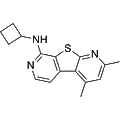
    SCH 57790 is a selective antagonist of the muscarinic M2 receptor, promoting enhanced acetylcholine release that can lead to improved cognitive performance. This compound has demonstrated efficacy in reversing memory deficits induced by Scopolamine in murine models, showcasing its potential in cognitive enhancement research. Notably, SCH 57790 exhibits a favorable toxicity profile at doses up to 100 mg/kg.

    1 mg
    $125.00
    5 mg
    $315.00
    All 4 sizes
  • Metixene
    Cat. No.
    A61460

    Metixene

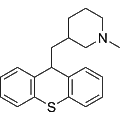
    Metixene is an anticholinergic and antiparkinsonian agent that primarily targets muscarinic receptors. It exerts its activity by potently inhibiting the binding of quinuclidinyl benzilate (QNB), with IC50 and Ki values of 55 nM and 15 nM, respectively. Metixene is utilized in research related to Parkinson's disease for understanding its mechanisms and potential therapeutic effects.

    Out of stock

    All 3 sizes
  • SR-46559A
    Cat. No.
    A61462

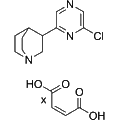
    SR-46559A

    SR-46559A is a potent muscarinic agonist, primarily targeting muscarinic acetylcholine receptors. This compound has demonstrated key biological activity in modulating neurotransmission and is particularly useful in research focused on social olfactory recognition and related neurobiological pathways. SR-46559A offers valuable insights into the role of cholinergic signaling in olfactory processing and social behavior studies.

    Out of stock

    All 3 sizes
  • Octamylamine
    Cat. No.
    A61463

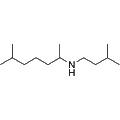
    Octamylamine

    Octamylamine acts primarily as an anticholinergic agent by inhibiting acetylcholine receptors, thereby reducing involuntary muscle contractions. This compound exhibits significant antispasmodic activity, making it useful in the study of gastrointestinal disorders and conditions characterized by smooth muscle spasms. Its role in neuromuscular research further highlights its potential applications in pharmacological testing and therapeutic development.

    25 mg
    $1,275.00
    All 1 sizes
  • RS-86
    Cat. No.
    A61464

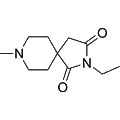
    RS-86

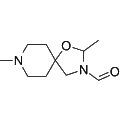
    RS-86 is a potent and selective agonist of muscarinic acetylcholine receptors (mAChRs). This compound elicits cholinergic excitatory effects, including smooth muscle contraction, ganglion depolarization, and central hypothermia. RS-86 is utilized in research focused on the pathophysiology of Alzheimer's disease and the underlying mechanisms of cholinergic signaling.

    Out of stock

    All 3 sizes
  • L 689660 maleate
    Cat. No.
    A61466

    L 689660 maleate

    L 689660 maleate is a selective agonist for M1 and M3 muscarinic receptors, exhibiting potent cholinomimetic activity. Specifically, it demonstrates full agonist properties at the M1 muscarinic receptor in the rat superior cervical ganglion with a pEC50 of 7.3. Additionally, L 689660 maleate effectively activates M3 receptors in the guinea pig ileum myenteric plexus-longitudinal muscle and trachea, with pEC50 values of 7.5 and 7.7, respectively. This compound is valuable for research applications targeting muscarinic receptor signaling pathways.

    Out of stock

    All 3 sizes
  • Oxotremorine
    Cat. No.
    A61467

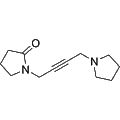
    Oxotremorine

    Oxotremorine is a potent agonist of muscarinic acetylcholine receptors (mAChRs), specifically targeting the M1 and M3 subtypes. This compound demonstrates nicotine-like effects, making it valuable for research related to cholinergic signaling and neuropharmacology. Its unique pharmacological profile supports investigations into cognitive function, memory enhancement, and the role of acetylcholine in various neurological disorders.

    Out of stock

    All 3 sizes
  • VU0029767
    Cat. No.
    A61468

    VU0029767

    VU0029767 is an allosteric enhancer of the M1 muscarinic acetylcholine receptor (mAChR). It modulates M1 receptor activity by increasing agonist affinity, thereby enhancing receptor function. This compound displays unique properties in various experimental conditions, including interactions with mutant M1 receptors and differential effects on downstream signaling pathways. VU0029767 is valuable for research applications involving receptor pharmacology and neuropharmacology.

    25 mg
    $1,275.00
    50 mg
    $1,625.00
    All 3 sizes
  • Octamylamine hydrochloride
    Cat. No.
    A61469

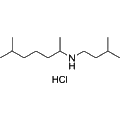
    Octamylamine hydrochloride

    Octamylamine hydrochloride is recognized as an anticholinergic and antispasmodic agent. It functions by inhibiting cholinergic activity, thereby providing relief from smooth muscle spasms. This compound is utilized in various research applications, particularly in studies focusing on gastrointestinal motility and related disorders. Its mechanism of action makes it a valuable tool in the exploration of antispasmodic therapies and neurological research.

    25 mg
    $1,275.00
    50 mg
    $1,625.00
    All 3 sizes
  • Heliosupine N-oxide
    Cat. No.
    A61470

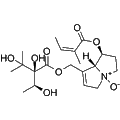
    Heliosupine N-oxide

    Heliosupine N-oxide is a potent inhibitor of muscarinic acetylcholine receptors (mAChR), exhibiting an IC50 value of 350 μM. As a metabolite of Heliosupine and classified as a pyrrolizidine alkaloid, Heliosupine N-oxide serves as a valuable tool for research into cholinergic signaling pathways and related neurological studies. Its inhibitory properties can aid in elucidating the role of mAChR in various physiological and pathological processes.

    1 mg
    $400.00
    5 mg
    $1,025.00
    All 2 sizes
  • Diphenidol
    Cat. No.
    A61471

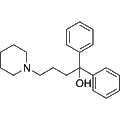
    Diphenidol

    Diphenidol is a non-selective antagonist of muscarinic M1-M4 receptors, exhibiting anti-arrhythmic properties. Additionally, it acts as a potent inhibitor of voltage-gated ion channels, including sodium, potassium, and calcium channels, in neuronal cells. This compound is valuable for research in the mechanisms of antivertigo and antinausea treatments.

    25 mg
    $1,275.00
    50 mg
    $1,625.00
    All 3 sizes
  • Fesoterodine-d3
    Cat. No.
    A61472

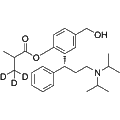
    Fesoterodine-d3

    Fesoterodine-d3 is a deuterium-labeled derivative of Fesoterodine, functioning as a competitive antagonist of muscarinic acetylcholine receptors (mAChRs). It exhibits non-subtype selective activity, with pKi values of 8.0, 7.7, 7.4, 7.3, and 7.5 for M1, M2, M3, M4, and M5 receptors, respectively. This reagent is primarily utilized in research related to overactive bladder (OAB) and studies involving receptor pharmacology. Its stable isotope form aids in biochemical assays and metabolic studies.

    5 mg
    $370.00
    25 mg
    $1,755.00
    All 3 sizes
  • Dexetimide hydrochloride
    Cat. No.
    A61473

    Dexetimide hydrochloride

    Synonyms: (+)-Benzetimide hydrochloride; (S)-(+)-Dexetimide hydrochloride; Dexbenzetimide hydrochloride

    Dexetimide hydrochloride is a muscarinic acetylcholine receptor (mAChR) antagonist that effectively mitigates neuroleptic-induced Parkinson's syndrome. This compound is utilized primarily to alleviate movement disorders associated with neuroleptic treatment. As a selective inhibitor of cholinergic receptors, Dexetimide hydrochloride provides insights into cholinergic system modulation, making it a valuable tool for research in neuropharmacology and movement disorder therapies.

    25 mg
    $1,275.00
    50 mg
    $1,625.00
    All 3 sizes
  • (±)-Muscarine chloride
    Cat. No.
    A61474

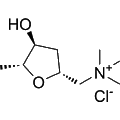
    (±)-Muscarine chloride

    Synonyms: DL-Muscarin chloride

    (±)-Muscarine chloride is an agonist of muscarinic acetylcholine receptors (mAChRs). As a prototype compound, it exhibits key biological activity by mimicking the action of acetylcholine, leading to varied physiological responses. This reagent is useful for research applications exploring mAChR signaling pathways, neurobiology, and the modulation of cholinergic activity.

    Out of stock

    All 3 sizes
  • Propylbenzilylcholine mustard
    Cat. No.
    A61475

    Propylbenzilylcholine mustard

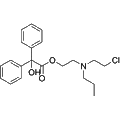
    Propylbenzilylcholine mustard is a selective, irreversible antagonist targeting cardiac muscarinic receptors in rats. It covalently modifies these receptors in a dose- and time-dependent manner, demonstrating stability across various ionic strengths and GTP-containing buffers. This reagent is valuable for investigating the structure and function of cardiac muscarinic receptors, particularly their heterogeneity and implications in cardiovascular pharmacology.

    Out of stock

    All 3 sizes
  • Imidafenacin Metabolite M4
    Cat. No.
    A61476

    Imidafenacin Metabolite M4

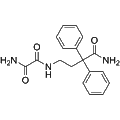
    Imidafenacin Metabolite M4 is a key metabolite of the muscarinic acetylcholine receptor antagonist Imidafenacin. This compound retains biological activity that may contribute to the pharmacological effects observed with the parent drug. It serves as a valuable tool for investigating the metabolism and pharmacokinetics of muscarinic antagonists in various research applications.

    0.5 mg
    $220.00
    1 mg
    $390.00
    All 2 sizes
  • A-72055
    Cat. No.
    A61477

    A-72055

    A-72055 is a partial agonist of muscarinic receptors, specifically targeting M1 and M2 subtypes with Ki values of 32 nM and 30 nM, respectively. This compound enhances cognitive function and has potential applications in addressing learning and memory deficits. A-72055 is valuable for research focused on neurological disorders, particularly those associated with cognitive impairment.

    Out of stock

    All 3 sizes
  • YM-796 dihydroxybutanedioate
    Cat. No.
    A61479

    YM-796 dihydroxybutanedioate

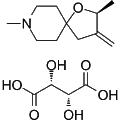
    YM-796 dihydroxybutanedioate is a selective agonist of the muscarinic M1 receptor. It has demonstrated potential in enhancing cognitive function and reducing amyloid plaque accumulation, making it relevant in the study of cognitive impairment diseases, particularly Alzheimer’s disease. This compound serves as a valuable tool for researchers investigating therapeutic strategies for cognitive deficits associated with neurodegenerative disorders.

    Out of stock

    All 3 sizes
  • AQ-RA 741
    Cat. No.
    A61481

    AQ-RA 741

    AQ-RA 741 is a potent and selective M2 antagonist that effectively inhibits vagally or agonist-induced bradycardia in various animal models, including rats, cats, and guinea pigs. This compound is valuable in the study of bradycardic disorders, providing insights into potential therapeutic strategies for managing heart rate irregularities. Its specificity towards the M2 muscarinic receptor makes it a critical tool for investigating cholinergic signaling pathways in cardiovascular research.

    5 mg
    $320.00
    10 mg
    $525.00
    All 2 sizes

Items 301-325 of 399

Added to your cart

View Cart Checkout

    Loading...