mAChR

Muscarinic acetylcholine receptors (mAChRs) are a class of G protein-coupled receptors (GPCRs) found in the central and peripheral nervous systems, as well as in various other tissues and organs throughout the body. These receptors are named after muscarine, a natural alkaloid compound found in certain mushrooms, which was one of the first substances discovered to activate them.

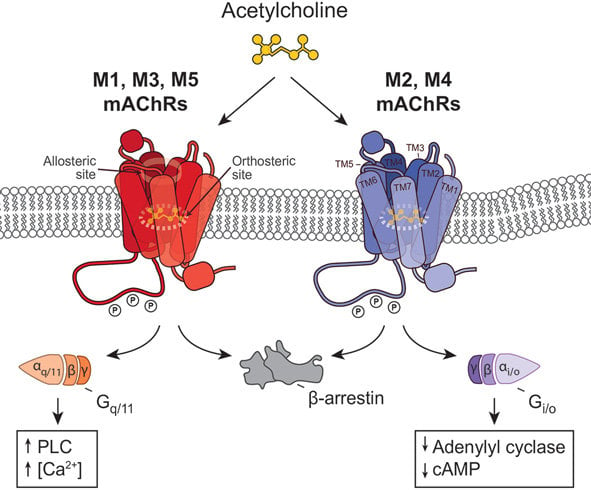
There are five subtypes of muscarinic receptors, designated as M1 through M5, each with distinct tissue distribution and functions. Here's an overview of their roles:

  • M1 Receptors: Predominantly found in the central nervous system, particularly in regions associated with cognitive functions. Activation of M1 receptors is linked to memory and learning.
  • M2 Receptors: Found in the heart, where they play a crucial role in regulating heart rate and cardiac contractility. Activation of M2 receptors slows heart rate and reduces the force of cardiac contractions.
  • M3 Receptors: Present in smooth muscle tissues, such as those in the gastrointestinal tract, urinary bladder, and bronchial airways. Activation of M3 receptors leads to smooth muscle contraction.
  • M4 Receptors: Distributed mainly in the central nervous system and involved in modulating neurotransmitter release. Their role in cognition and neuropsychiatric disorders is of interest.
  • M5 Receptors: Located in certain areas of the brain and implicated in the modulation of dopamine release. Research suggests they may be relevant to Parkinson's disease and addiction.

Muscarinic receptors are activated by the neurotransmitter acetylcholine and play a vital role in regulating a wide range of physiological processes, including heart rate, smooth muscle contraction, glandular secretion, and neurotransmitter release. They are targets for various drugs, including anticholinergic agents, which block their activity, and drugs used to treat conditions like bradycardia and neurodegenerative disorders.

Understanding the functions and regulation of muscarinic acetylcholine receptors is essential for developing therapies that modulate their activity and for advancing our knowledge of how they contribute to various physiological and pathological processes in the body.

Items 376-399 of 399

  • (R)-Hydroxytolterodine-d14
    Cat. No.
    A61554

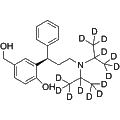
    (R)-Hydroxytolterodine-d14

    Synonyms: PNU-200577-d14; 5-Hydroxymethyl Tolterodine-d14

    (R)-Hydroxytolterodine-d14 is a deuterated form of Desfesoterodine, a selective antagonist of muscarinic acetylcholine receptors (mAChRs). This compound exhibits high potency, with a KB value of 0.84 nM and a pA2 of 9.14. As a significant metabolite of Tolterodine and Fesoterodine, it has demonstrated efficacy in models of cerebral infarction-induced detrusor overactivity in rats, making it valuable for research in urology and neurology.

    Out of stock

    All 3 sizes
  • WIN 62,577
    Cat. No.
    A61555

    WIN 62,577

    WIN 62,577 is a selective antagonist of muscarinic acetylcholine receptors (mAChRs), specifically targeting M1 to M4 subtypes. This compound acts as an allosteric enhancer of acetylcholine affinity at the M3 receptor, making it a valuable tool for studying cholinergic signaling. Its unique properties allow for exploration of mAChR-related pathways and their implications in various physiological and pathological conditions. Suitable for research applications in neurobiology and pharmacology, WIN 62,577 facilitates investigations into receptor functions and potential therapeutic targets.

    25 mg
    $1,275.00
    50 mg
    $1,625.00
    All 3 sizes
  • Methamilane methiodide
    Cat. No.
    A61556

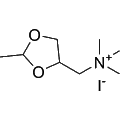
    Methamilane methiodide

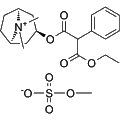
    Methamilane methiodide is a potent muscarinic receptor agonist that selectively activates M1 and M3 subtypes. This compound stimulates parasympathetic nervous system responses, making it useful in research applications focused on neuropharmacology and the study of cholinergic signaling pathways. Its ability to modulate muscarinic receptor activity provides insights into various physiological and pathological processes.

    25 mg
    $1,275.00
    50 mg
    $1,625.00
    All 3 sizes
  • Cyclodrine hydrochloride
    Cat. No.
    A61557

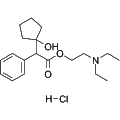
    Cyclodrine hydrochloride

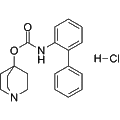
    Cyclodrine hydrochloride is a potent antagonist of muscarinic acetylcholine receptors (mAChRs). It is primarily utilized in research to investigate cholinergic signaling pathways and the role of mAChR in various physiological and pathological processes. This compound may aid in the exploration of potential therapeutic targets for disorders influenced by cholinergic activity.

    1 mg
    $560.00
    5 mg
    $1,475.00
    All 2 sizes
  • CDD0102
    Cat. No.
    A61558

    CDD0102

    Synonyms: CDD0102A

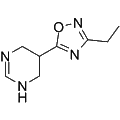
    CDD0102 is a potent agonist of the M1 muscarinic acetylcholine receptor (mAChR). It demonstrates significant biological activity in promoting M1 receptor signaling pathways, making it valuable for research into neurobiology and cognitive function. CDD0102 is essential for studies investigating the role of muscarinic receptors in various physiological and pathological processes.

    25 mg
    $1,275.00
    50 mg
    $1,625.00
    All 3 sizes
  • Tematropium
    Cat. No.
    A61559

    Tematropium

    Synonyms: CDDD3602; HGP6

    Tematropium is a selective muscarinic acetylcholine receptor (mAChR) inhibitor known for its soft anticholinergic properties. It demonstrates significant biological activity in modulating bronchoconstriction and respiratory secretions. Tematropium is commonly used in research focused on respiratory diseases, exploring its potential in the treatment of asthma and chronic obstructive pulmonary disease (COPD).

    1 mg
    $125.00
    5 mg
    $325.00
    All 7 sizes
  • BTM-1086
    Cat. No.
    A61560

    BTM-1086

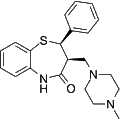
    BTM-1086 is a potent muscarinic acetylcholine receptor (mAChR) modulator, primarily functioning as an anti-ulcer agent. It demonstrates significant inhibitory activity against gastric secretion, making it valuable for research in gastrointestinal disorders. BTM-1086 can be utilized in studies focused on receptor signaling and the pharmacological management of gastric-related conditions.

    25 mg
    $1,275.00
    50 mg
    $1,625.00
    All 3 sizes
  • YM-46303
    Cat. No.
    A61561

    YM-46303

    YM-46303 is an antagonist of muscarinic acetylcholine receptors (mAChR), demonstrating high affinity for both M1 and M3 subtypes, with notable selectivity for the M3 receptor over the M2 receptor. This compound is valuable in the study of receptor signaling pathways and can be utilized in research involving neurological disorders, smooth muscle contraction, and other cholinergic system-related investigations. Its specificity makes it a useful tool for elucidating the roles of mAChR subtypes in various biological processes.

    1 mg
    $560.00
    5 mg
    $1,475.00
    All 2 sizes
  • Timepidium bromide
    Cat. No.
    A61562

    Timepidium bromide

    Synonyms: Sesden; SA504

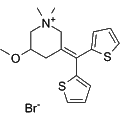
    Timepidium bromide is a muscarinic acetylcholine receptor (mAChR) inhibitor that exhibits anticholinergic properties. It is primarily utilized in research investigating acetylcholine signaling pathways and the role of mAChR in various physiological and pathological processes. This compound is valuable for studying conditions influenced by cholinergic activity, including respiratory and gastrointestinal disorders.

    25 mg
    $1,530.00
    50 mg
    $1,950.00
    All 3 sizes
  • Vinconate
    Cat. No.
    A61563

    Vinconate

    Synonyms: Chanodesethylapovinc​amine

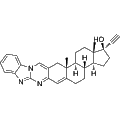
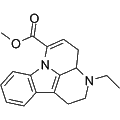
    Vinconate is an indolonaphthyridine derivative that acts as an activator of the muscarinic acetylcholine receptor (mAChR). This compound is utilized in research to investigate cholinergic signaling pathways and their implications in neurological and cognitive functions. Its ability to modulate mAChR activity makes it a valuable tool for exploring potential therapeutic applications in neurodegenerative diseases and cognitive disorders.

    25 mg
    $1,275.00
    50 mg
    $1,625.00
    All 3 sizes
  • VU6007496
    Cat. No.
    A67693

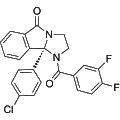
    VU6007496

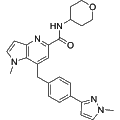
    VU6007496 is a selective positive allosteric modulator (PAM) of the M1 muscarinic acetylcholine receptor. It enhances receptor activity, contributing to potential improvements in cognitive function and memory processing. Its favorable pharmacokinetics support its use in central nervous system studies and drug discovery related to neurodegenerative diseases. Researchers may explore VU6007496 in preclinical models to investigate its therapeutic effects on cognitive disorders.

    25 mg
    $1,405.00
    50 mg
    $1,790.00
    All 3 sizes
  • ONO 1603
    Cat. No.
    A77286

    ONO 1603

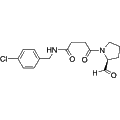
    ONO 1603 is a selective inhibitor of prolyl endopeptidase (PREP), investigated for its potential in antidementia therapy. This compound has demonstrated neuroprotective properties and neurotrophic effects in cerebellar granule cells, enhancing neuronal survival and promoting neurite outgrowth at a concentration of 0.03 µM. Additionally, ONO 1603 increases m3-muscarinic acetylcholine receptor (mAChR) mRNA levels and stimulates mAChR-mediated signaling pathways. These pharmacological properties suggest that ONO 1603 could be a promising therapeutic agent for Alzheimer's disease by enhancing cholinergic neurotransmission and supporting neuronal function.

    25 mg
    $1,275.00
    50 mg
    $1,625.00
    All 3 sizes
  • Pridinol
    Cat. No.
    A78712

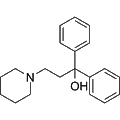
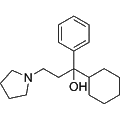
    Pridinol

    Pridinol is a muscarinic acetylcholine receptor (mAChR)-directed anticholinergic agent that demonstrates muscle relaxant properties. This compound effectively reduces impulse conduction to spinal motor neurons, resulting in decreased muscle contractures associated with various musculoskeletal disorders. Pridinol is valuable for research applications focused on both central and peripheral origins of muscle dysfunction, making it a significant tool for the study of neuromuscular conditions.

    25 mg
    $1,275.00
    50 mg
    $1,625.00
    All 3 sizes
  • VU0366369
    Cat. No.
    A78837

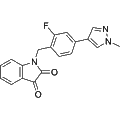
    VU0366369

    Synonyms: ML137

    VU0366369 is a selective positive allosteric modulator (PAM) of the muscarinic acetylcholine receptor subtype M1, exhibiting an EC50 value of 830 nM. This compound has demonstrated potential for enhancing M1 receptor function, making it a valuable tool in the study of central nervous system disorders. Researchers may utilize VU0366369 to explore therapeutic strategies for conditions such as Alzheimer's disease and schizophrenia, focusing on cholinergic signaling pathways.

    5 mg
    $50.00
    10 mg
    $75.00
    All 6 sizes
  • 4-Bromo-2-hydroxypyridine
    Cat. No.
    A88107

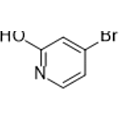
    4-Bromo-2-hydroxypyridine

    Synonyms: 4-Bromo-2-pyridone

    4-Bromo-2-hydroxypyridine serves as an important intermediate in organic synthesis, specifically for the development of positive allosteric modulators of the M1 muscarinic acetylcholine receptor (M1 mAChR). Its biological activity makes it a valuable compound in research related to neurodegenerative disorders such as Alzheimer's disease and psychiatric conditions like schizophrenia. This reagent is essential for advancing studies aimed at understanding and targeting cholinergic dysfunction in these diseases.

    10 g
    $20.00
    All 1 sizes
  • (R)-ML375
    Cat. No.
    B10859

    (R)-ML375

    Synonyms: (R)-VU0483253

    (R)-ML375 is an enantiomer of ML375, primarily targeting the muscarinic acetylcholine receptor subtype M5 (hM5). This compound is characterized by its lack of significant activity on M5 mAChR, exhibiting an IC50 greater than 30 μM. (R)-ML375 is suitable for studies exploring the role of muscarinic receptors in physiological and pathological processes, providing a valuable tool for chemical research in neuronal signaling and related fields.

    5 mg
    $90.00
    10 mg
    $155.00
    All 5 sizes
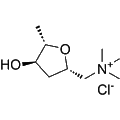
  • Muscarine chloride
    Cat. No.
    B21332

    Muscarine chloride ((+)-Muscarine chloride)

    Synonyms: (+)-Muscarine chloride

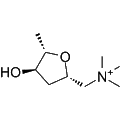
    Muscarine chloride is a potent agonist of muscarinic acetylcholine receptors (mAChRs). As a biologically active compound, it simulates the parasympathetic nervous system, making it a valuable tool in neuropharmacological research. Muscarine chloride is utilized in studies examining neurotransmission, receptor signaling pathways, and the effects of cholinergic modulation in various biological systems.

    1 mg
    $410.00
    5 mg
    $785.00
    All 2 sizes
  • Procyclidine
    Cat. No.
    B21386

    Procyclidine

    Synonyms: Tricyclamol; (±)-Procyclidine

    Procyclidine is a muscarinic receptor antagonist with additional NMDA antagonist properties. It is primarily utilized in research related to Parkinson's disease and associated psychiatric disorders, including Soman-induced epilepsy. Procyclidine’s mechanism of action facilitates investigations into cholinergic dysfunction and therapeutic strategies for movement disorders.

    25 mg
    $1,275.00
    50 mg
    $1,625.00
    All 3 sizes
  • Pilocarpine
    Cat. No.
    B21396

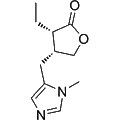
    Pilocarpine

    Pilocarpine is a selective agonist of the M3 muscarinic acetylcholine receptor. It exhibits biological activity by stimulating these receptors, leading to increased glandular secretions and smooth muscle contraction. Pilocarpine is widely utilized in research applications related to neuropharmacology, ophthalmology, and the study of cholinergic signaling pathways.

    5 mg
    $35.00
    10 mg
    $55.00
    All 2 sizes
  • Homatropine
    Cat. No.
    B21403

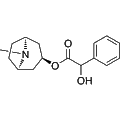
    Homatropine

    Homatropine is a muscarinic acetylcholine receptor (mAChR) antagonist with significant anticholinergic properties. This compound exhibits capacity to modulate activities mediated by the mAChR pathway, making it useful in various pharmacological studies. Homatropine is commonly employed in research applications focused on neurology and pharmacology to investigate cholinergic signaling and its implications for therapeutic approaches.

    Out of stock

    All 3 sizes
  • Muscarine
    Cat. No.
    B21575

    Muscarine

    Synonyms: (+)-Muscarine

    Muscarine is a selective agonist of muscarinic acetylcholine receptors (mAChRs), predominantly affecting the parasympathetic nervous system. This compound is recognized for its ability to stimulate various biological responses such as increased glandular secretions and smooth muscle contraction. Muscarine is utilized in research applications to investigate cholinergic signaling pathways and the physiological effects of parasympathetic activation.

    5 mg
    $1,040.00
    All 1 sizes
  • Cyclopentolate
    Cat. No.
    B21602

    Cyclopentolate

    Synonyms: DL-Cyclopentolate

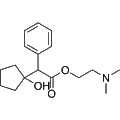
    Cyclopentolate is a muscarinic receptors antagonist that inhibits acetylcholine-mediated responses through its action on the ciliary muscle, with a pKB value of 7.8. This anti-muscarinic agent is primarily utilized in ophthalmology for inducing mydriasis and facilitating ocular examinations. Its efficacy in temporarily paralyzing the ciliary muscle makes it an essential tool in various eye care procedures.

    Out of stock

    All 3 sizes
  • Scopolamine hydrochloride
    Cat. No.
    B21757

    Scopolamine hydrochloride

    Synonyms: (-)-Scopolamine hydrochloride; Hyoscine hydrochloride

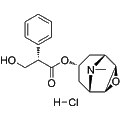
    Scopolamine hydrochloride is a high-affinity muscarinic antagonist known for its ability to penetrate the blood-brain barrier. This compound effectively inhibits 5-HT3 receptors, exhibiting an IC50 value of 2.09 μM. Scopolamine hydrochloride is utilized in research settings to explore cognitive and memory impairment in animal models, as well as applications related to the prevention of postoperative nausea and vomiting, motion sickness, and various disorders of the nervous system.

    5 mg
    $25.00
    10 mg
    $40.00
    All 5 sizes
  • Eucatropine hydrochloride
    Cat. No.
    B21929

    Eucatropine hydrochloride

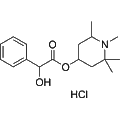
    Eucatropine hydrochloride is a potent inhibitor of muscarinic acetylcholine receptors (mAChRs), exhibiting an IC50 value of 0.583 μM. As an anticholinergic agent, it modifies cholinergic signaling, leading to significant behavioral effects. This compound is particularly relevant for research applications focused on central cholinoreceptor modulation and its effects on physiological and behavioral outcomes in animal models.

    Out of stock

    All 3 sizes

Items 376-399 of 399

Added to your cart

View Cart Checkout

    Loading...