- Cat. No.
- A19256
FT827
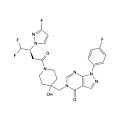
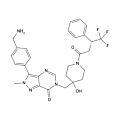
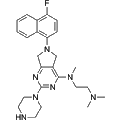
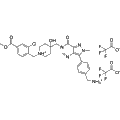
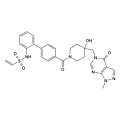
FT827 is a selective and covalent ubiquitin-specific protease 7 (USP7) inhibitor (Ki=4.2 µM). FT827 binds to the USP7 catalytic domain (USP7CD; residues 208-560) with an apparent Kd value of 7.8 µM.
Search by product name, CAS, target or catalog number. Press Down Arrow to reach product suggestions, Tab to move between links, and Escape to close suggestions.
Deubiquitinase (DUB) inhibitors block enzymes that remove ubiquitin from substrate proteins and edit ubiquitin chains. A 2005 inventory catalogued the deubiquitinating enzymes encoded in the human genome and reviewed their functions. Most are cysteine proteases, such as the ubiquitin-specific proteases (USPs) and ubiquitin C-terminal hydrolases (UCHs). IU1, reported in 2010, inhibits the proteasome-associated USP14 and enhances proteasome activity in cells. b-AP15 blocks USP14 and ubiquitin C-terminal hydrolase L5 (UCHL5) at the 19S regulatory particle of the proteasome. PR-619 is a broad-spectrum DUB inhibitor, ML364 targets USP2, and LDN-57444 targets UCH-L1. GRL0617 inhibits the papain-like protease (PLpro) of the severe acute respiratory syndrome (SARS) coronavirus, which also acts as a viral DUB.
FT827 is a selective and covalent ubiquitin-specific protease 7 (USP7) inhibitor (Ki=4.2 µM). FT827 binds to the USP7 catalytic domain (USP7CD; residues 208-560) with an apparent Kd value of 7.8 µM.
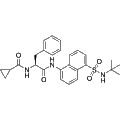
MF-094 is a potent and selective USP30 inhibitor with an IC50 of 120 nM. MF-094 increases protein ubiquitination and accelerates mitophagy.
FT671 is a potent, non-covalent and selective USP7 inhibitor with an IC50 of 52 nM and binds to the USP7 catalytic domain with a Kd of 65 nM.
EOAI3402143 is a deubiquitinase (DUB) inhibitor, which inhibits dose-dependently inhibits Usp9x/Usp24 and Usp5.
USP7-IN-3 (Compound 5) is a potent and selective allosteric ubiquitin-specific protease 7 (USP7) inhibitor.
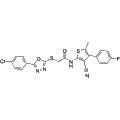
HBX 19818 is a specific inhibitor of ubiquitin-specific protease 7 (USP7), with an IC50 of 28.1 μM.
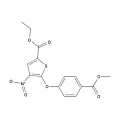
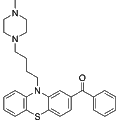
C527 is a is a pan DUB enzyme inhibitor, with a high potency for the USP1/UAF1 complex (IC50=0.88 μM).
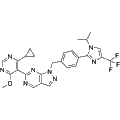
USP7/USP47 inhibitor is a selective ubiquitin-specific protease 7/47 (USP7/USP47) inhibitor, with EC50s of 0.42 μM and 1.0 μM, respectively.
Synonyms: RA9,RA 9
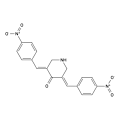
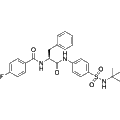
RA-9 is a potent and selective proteasome-associated deubiquitinating enzymes (DUBs) inhibitor with favorable toxicity profile and anticancer activity.
Synonyms: XL177
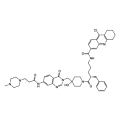
XL177A is a potent USP7 inhibitor that irreversibly inhibits USP7 with sub-nM potency and selectivity across the human proteome.
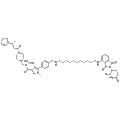
U7D-1 is a first-in-class, potent, and selective PROTAC degrader of USP7 (ubiquitin-specific protease 7), with a DC₅₀ of 33 nM in RS4;11 cells. It exhibits anticancer activity and induces apoptosis in Jeko-1 cells, supporting its utility in cancer research targeting deubiquitinating enzymes.
Wu-5 is a USP10 inhibitor that disrupts FLT3 and AMPK signaling pathways. It promotes the degradation of FLT3-ITD and induces apoptosis, making it a promising compound for research in FLT3-driven malignancies such as acute myeloid leukemia.
WCY-8-67 is a selective inhibitor of USP5, exhibiting an IC50 value of 1.33 μM. This compound induces apoptosis in cells while effectively suppressing JAK/STAT3 and PI3K/AKT signaling pathways in vitro. WCY-8-67 inhibits the proliferation of acute myeloid leukemia (AML) cells, promoting G1 phase arrest and differentiation. Demonstrating significant anti-leukemic efficacy in preclinical mouse models, WCY-8-67 serves as a valuable tool for studying the mechanisms and treatment strategies in acute myeloid leukemia.
NCI677397 is a potent USP24 inhibitor that promotes lipid ROS accumulation and stimulates cholesterol and fatty acid biosynthesis. It facilitates the degradation of ABC transporters, GPX4, and DHFR via autophagy, resulting in decreased levels of P-glycoprotein and triggering ferroptosis in drug-resistant cancer cells. This compound is particularly valuable in research focused on lung and brain cancer therapeutics.
Synonyms: USP1-IN-1
KSQ-4279 is a potent inhibitor of USP1, which is involved in regulating protein deubiquitination. By inhibiting USP1, KSQ-4279 induces genomic instability and enhances the efficacy of DNA-damaging agents. This compound holds great potential for research applications in cancer biology, particularly in understanding the mechanisms of tumor progression and response to therapy.
TG2-179-1 is a potent inhibitor of BAP1, targeting the deubiquitinase (DUB) activity by covalently binding to its active site. This compound demonstrates significant cytotoxic effects, resulting in impaired cellular replication and enhanced apoptosis. TG2-179-1 is particularly relevant for research into colon cancer, providing valuable insights into DUB-associated pathways and their role in tumorigenesis.
USP7-IN-9 is a potent inhibitor of ubiquitin-specific protease 7 (USP7), exhibiting an IC50 value of 40.8 nM. This compound induces apoptosis and effectively halts cell cycle progression at the G0/G1 and S phases in RS4;11 cells. Additionally, USP7-IN-9 downregulates the oncoproteins MDM2 and DNMT1 while enhancing the levels of tumor suppressors p53 and p21, making it a valuable reagent for cancer research and studies focused on cellular signaling pathways.
USP10-IN-3 is a selective inhibitor of USP10, exhibiting an IC50 value of 7.2 µM. This compound has been shown to inhibit cell proliferation, induce apoptosis, and cause cell cycle arrest specifically at the S-phase. USP10-IN-3 is a valuable tool for research investigating the role of deubiquitinating enzymes in cellular processes and their implications in cancer biology.
ST-539 is a potent inhibitor of the deubiquitinase USP30, exhibiting an IC50 value of 0.37 μM. By promoting the ubiquitination of mitochondrial proteins, ST-539 induces mitochondrial autophagy, contributing to the regulation of mitochondrial homeostasis. This compound is valuable for research focused on neurodegenerative diseases and the underlying mechanisms of mitochondrial dysfunction.
TNG348 is an orally bioavailable allosteric inhibitor of the ubiquitin-specific protease USP1. By selectively inhibiting USP1, TNG348 disrupts the deubiquitination of key proteins such as PCNA and FANCD2, ultimately impairing the DNA repair mechanisms. This compound demonstrates significant inhibitory activity against breast and ovarian cancers associated with BRCA1/2 mutations and other homologous recombination deficiencies, making it a valuable tool for cancer research and therapeutic development.
CMPD-39 is a selective non-covalent inhibitor of the ubiquitin-specific protease USP30, exhibiting an IC50 of approximately 20 nM and demonstrating high selectivity against other deubiquitinating enzymes. This compound effectively inhibits the deubiquitinating activity of USP30, leading to enhanced ubiquitination of mitochondrial proteins such as TOMM20 and SYNJ2BP. CMPD-39 promotes the accumulation of phospho-ubiquitin, thereby facilitating both mitochondrial and peroxisomal autophagy. Additionally, it has shown the potential to significantly restore mitochondrial function in dopaminergic neurons derived from patients with Parkinson's disease, making it a valuable tool for research into neurodegenerative disorders.
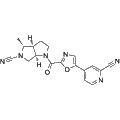
MTX115325 is a potent USP30 inhibitor with an IC50 value of 12 nM, demonstrating oral bioavailability and effective brain penetration. This compound enhances the ubiquitination of the mitochondrial outer membrane protein TOM20, a substrate of USP30, at an EC50 of 32 nM, thereby promoting mitophagy. MTX115325 exhibits neuroprotective properties by preventing the loss of dopaminergic neurons and preserving striatal dopamine levels, making it a valuable tool for research in neurodegenerative diseases.
MF-095 is a potent inhibitor of USP30, a deubiquitinating enzyme that regulates mitochondrial quality control. By inhibiting USP30, MF-095 enhances mitochondrial autophagy, thereby promoting the elimination of damaged mitochondria and supporting cellular homeostasis. This compound is particularly valuable in the study of neurological diseases, where mitochondrial dysfunction plays a critical role in disease progression.
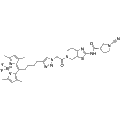
8RK59 is a potent inhibitor of UCHL1 (ubiquitin C-terminal hydrolase L1), exhibiting an IC50 value near 1 μM. This Bodipy probe is capable of penetrating and labeling living cells, making it valuable for cellular studies. The compound is synthesized via copper(I)-mediated click chemistry, which links BodipyFL-alkyne to the azide derivative of 8RK64, enhancing its utility in biological research and applications focused on ubiquitin pathway modulation.