Protein Kinase A (PKA)

Protein kinase A (PKA) inhibitors and activators act on the main kinase that relays cyclic nucleotide signals in cells. PKA was described in 1968 as an adenosine 3',5'-monophosphate-dependent protein kinase from rabbit skeletal muscle. The inactive enzyme is a tetramer of two regulatory and two catalytic subunits, and cyclic adenosine monophosphate (cAMP) binding releases the catalytic subunits. H 89 2HCl is a salt of H-89, an isoquinolinesulfonamide inhibitor reported in 1990. PKI 14-22 amide, myristoylated, is a cell-permeable peptide derived from the endogenous protein kinase inhibitor. Bucladesine sodium, a dibutyryl cAMP analog, activates PKA in intact cells instead. AT13148 inhibits PKA along with related kinases such as Akt, and further relatives are listed under Protein Kinase C (PKC).

Items 76-87 of 87

  • 6-Phe-cAMP
    Cat. No.
    A37216

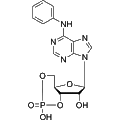
    6-Phe-cAMP

    Synonyms: N6-Phenyladenosine-3',5'-cyclic monophosphate

    6-Phe-cAMP is a potent and membrane-permeant activator of protein kinase A (PKA), specifically targeting site A of both PKA isozymes. This compound demonstrates strong selectivity, making it an invaluable tool for studying PKA-mediated signaling pathways. Additionally, 6-Phe-cAMP is amenable to phosphorothioate modification, facilitating further research applications in cellular and molecular biology.

    25 mg
    $1,275.00
    50 mg
    $1,625.00
    All 3 sizes
  • Balanol
    Cat. No.
    A37218

    Balanol

    Synonyms: Ophiocordin; Azepinostatin

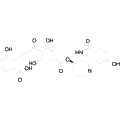
    Balanol is a highly selective ATP-competitive inhibitor of Protein Kinase C (PKC) and Protein Kinase A (PKA), demonstrating potent activity against various human PKC isozymes, including α, β-I, β-II, γ, δ, ε, η, and ζ, with IC50 values ranging from 4 to 150 nM. This compound effectively inhibits the phosphorylation of key downstream targets such as cyclic AMP response element-binding protein (CREB) and myristoylated alanine-rich C kinase substrate (MARCKS). Balanol can be isolated from the fungus Verticillium balanoides, making it a valuable tool for research involving PKC/PKA signaling pathways.

    25 mg
    $3,295.00
    50 mg
    $4,250.00
    All 3 sizes
  • PKA/AKAP-IN-2
    Cat. No.
    A37220

    PKA/AKAP-IN-2

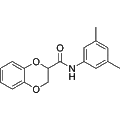
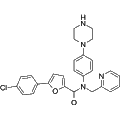
    PKA/AKAP-IN-2 is a non-peptide inhibitor targeting the interaction between protein kinase A (PKA) and A kinase anchoring proteins (AKAP). This compound disrupts the PKA-AKAP binding, providing valuable insights into signaling pathways influenced by cAMP. PKA/AKAP-IN-2 is useful for research into diseases linked to cAMP dysregulation and the broader implications of PKA signaling in cellular processes.

    1 mg
    $85.00
    5 mg
    $260.00
    All 7 sizes
  • 4-Cyano-3-methylisoquinoline
    Cat. No.
    A37221

    4-Cyano-3-methylisoquinoline

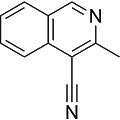
    4-Cyano-3-methylisoquinoline is a potent protein kinase A (PKA) inhibitor, exhibiting an IC50 at the micromolar range. This compound has demonstrated the ability to reverse morphine tolerance in murine models, highlighting its potential use in pain management research and studies exploring opioid signaling pathways. Its role as a PKA inhibitor makes it a valuable tool for investigating cellular processes regulated by this important kinase.

    Out of stock

    All 3 sizes
  • PKA/AKAP-IN-1
    Cat. No.
    A37222

    PKA/AKAP-IN-1

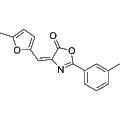
    PKA/AKAP-IN-1 is a potent non-peptide inhibitor that selectively disrupts the interaction between protein kinase A (PKA) and A-kinase anchoring proteins (AKAP). This compound is valuable for investigating the role of cAMP signaling in various pathological conditions associated with its dysregulation. Research applications include studies on cellular signaling pathways and potential therapeutic interventions in diseases linked to altered PKA/AKAP interactions.

    25 mg
    $215.00
    50 mg
    $315.00
    All 4 sizes
  • 8-OH-cAMP
    Cat. No.
    A37224

    8-OH-cAMP

    Synonyms: 8-Hydroxy-cAMP

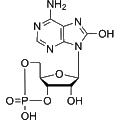
    8-OH-cAMP (8-Hydroxy-cAMP) is a polar, membrane-impermeable analog of cyclic adenosine monophosphate (cAMP) that selectively activates protein kinase A (PKA) while resisting degradation by cyclic nucleotide-dependent phosphodiesterases. This compound serves as a valuable tool for investigating the role of cAMP signaling in various biological processes, particularly in cardiovascular and metabolic disease research. Its unique properties enable researchers to elucidate PKA-mediated pathways and their implications in disease development.

    Out of stock

    All 3 sizes
  • Sp-8-Br-cAMPS
    Cat. No.
    A37225

    Sp-8-Br-cAMPS

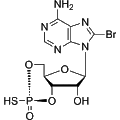
    Sp-8-Br-cAMPS is a synthetic analog of cyclic adenosine monophosphate (cAMP) and serves as a potent agonist for protein kinase A (PKA) with an EC50 of 360 nM. This compound effectively activates PKA and has been shown to inhibit T cell proliferation and modulate the hemocyte non-self response in Lepidoptera larvae. Its significant biological activity makes it a valuable tool for research into PKA-mediated signaling pathways and immune responses.

    25 mg
    $1,275.00
    50 mg
    $1,625.00
    All 3 sizes
  • MK2-IN-1
    Cat. No.
    A37495

    MK2-IN-1

    MK2-IN-1 is a selective inhibitor of MAPKAPK2 (MK2), exhibiting an IC50 of 0.11 µM. This compound significantly interferes with the phosphorylation of serine residues in Tfcp2l1, with an EC50 of 0.35 µM for phosphorylated HSP27. MK2-IN-1 serves as a valuable tool for studying the role of MK2 in cellular signaling pathways and its implications in various biological processes.

    5 mg
    $55.00
    10 mg
    $90.00
    All 5 sizes
  • Phosphate acceptor peptide
    Cat. No.
    A46246

    Phosphate acceptor peptide

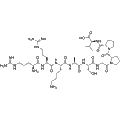
    Phosphate acceptor peptide is a specific substrate for cyclic AMP-dependent protein kinase (PKA), facilitating the study of phosphorylation processes. Additionally, it exhibits weak inhibitory activity against protein kinase C (PKC), making it useful in exploring the mechanisms of kinase signaling pathways. This reagent is applicable in various biochemical assays aimed at understanding cellular signaling and regulation.

    Out of stock

    All 3 sizes
  • st-Ht31
    Cat. No.
    A56839

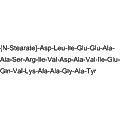
    st-Ht31

    st-Ht31 is a membrane-permeable peptide that inhibits protein kinase A (PKA) anchoring. It effectively induces cholesterol and phospholipid efflux and has been shown to completely reverse foam cell formation in macrophages. This compound offers valuable insights into PKA-related signaling pathways and metabolic health research.

    1 mg
    $690.00
    All 1 sizes
  • 2'-Deoxy-NAD+ sodium
    Cat. No.
    A74307

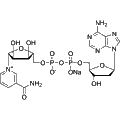
    2'-Deoxy-NAD+ sodium

    2'-Deoxy-NAD+ sodium is a sodium salt derivative of 2'-Deoxy-NAD+ that functions as a noncompetitive inhibitor of NAD+ with a Ki value of 32 μM. This reagent is valuable for investigating ADP-ribosyl transfer reactions, providing insights into cellular processes involving protein modification. It is particularly useful in studies related to protein kinase A (PKA) activity and regulatory mechanisms in biological systems.

    Out of stock

    All 3 sizes
  • DFICBY Astrocyte-to-Neuron Reprogramming Kit
    Cat. No.
    K10004

    DFICBY Astrocyte-to-Neuron Reprogramming Kit

    Synonyms: DFICBY; DFICBY Cocktail; Astrocyte Reprogramming Kit; Astrocyte to Neuron Kit; Chemical Neuronal Reprogramming Kit

    A six-compound small-molecule cocktail (DFICBY) for the chemical reprogramming of astrocytes into neuronal cells. One kit supplements up to 1 L of culture medium.

    DFICBY Astrocyte-to-Neuron Reprogramming Kit 1 Kit
    $470.00
    DFICBY Astrocyte-to-Neuron Reprogramming Kit 3 Kits
    $1,250.00
    All 2 sizes

Items 76-87 of 87

Added to your cart

View Cart Checkout

    Loading...