Anti-infectives

Anti-infectives brings together compounds that act on bacteria, fungi and viruses in microbiology research. They are used to study microbial growth, drug resistance and host-pathogen interactions. Its seven subcategories are Antibiotic, Bacterial, Fungal, Mycobacterium tuberculosis, HIV (human immunodeficiency virus), Dengue Virus and Flavivirus. Antibacterial examples include the oxazolidinone linezolid, the carbapenems imipenem and meropenem, and the glycylcycline tigecycline. Bedaquiline, a diarylquinoline, and pretomanid, a nitroimidazole, are used in Mycobacterium tuberculosis research. Among the antivirals, nelfinavir inhibits HIV-1 protease, an enzyme required for viral maturation. Compounds for a single viral enzyme or virus, such as reverse transcriptase or influenza virus, also have their own Microbiology categories.

Items 351-375 of 5833

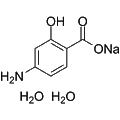
  • Sodium 4-aminosalicylate dihydrate
    Cat. No.
    A16708

    Sodium 4-aminosalicylate dihydrate

    Synonyms: 4-Aminosalicylic acid sodium salt dihydrate

    Sodium 4-aminosalicylate dihydrate serves as an inhibitor of dihydrofolate reductase (DHFR) and is recognized for its antituberculous properties. This compound exhibits anti-inflammatory effects, making it a valuable tool in the study of inflammatory bowel disease (IBD). Moreover, it is characterized by its oral bioavailability, enhancing its applicability in various research settings.

    5 g
    $20.00
    All 1 sizes
  • Sparfloxacin
    Cat. No.
    A16717

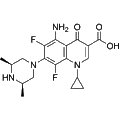
    Sparfloxacin

    Synonyms: CI-978; AT-4140

    Sparfloxacin is a fluoroquinolone antibiotic that primarily targets bacterial DNA gyrase and topoisomerase IV, inhibiting bacterial DNA replication. It exhibits broad-spectrum antibacterial activity, making it effective against a variety of Gram-positive and Gram-negative pathogens. Sparfloxacin is commonly used in research applications to study bacterial resistance mechanisms and evaluate new antibacterial strategies.

    100 mg
    $20.00
    500 mg
    $25.00
    All 6 sizes
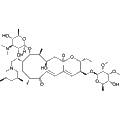
  • Spiramycin
    Cat. No.
    A16718

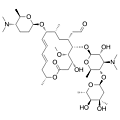
    Spiramycin

    Synonyms: NSC 55926; Formacidine; Rovamycine

    Spiramycin is a clinically important 16-member macrolide antibiotic produced by Streptomyces ambofaciens.

    100 mg
    $20.00
    500 mg
    $35.00
    All 3 sizes
  • Streptomycin sulfate
    Cat. No.
    A16721

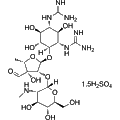
    Streptomycin sulfate

    Streptomycin sulfate is an aminoglycoside antibiotic that inhibits bacterial protein synthesis by binding to the 30S ribosomal subunit. It exhibits potent antibacterial activity against a range of Gram-negative and some Gram-positive bacteria, making it useful in both clinical and research settings. This reagent is commonly employed in studies involving microbial resistance, antibiotic efficacy, and protein synthesis mechanisms.

    500 mg
    $35.00
    10 g
    $50.00
    All 3 sizes
  • Succinylsulfathiazole
    Cat. No.
    A16723

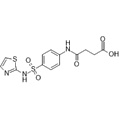
    Succinylsulfathiazole

    Synonyms: Succinylsulphathiazole

    Succinylsulfathiazole is a sulfonamide antibiotic that targets bacterial folate synthesis, providing localized, gut-specific antibacterial activity. This compound effectively reduces coliform counts, suppresses intestinal bacterial growth, and depletes gut folate-producing bacteria while modulating hepatic mTOR signaling. Succinylsulfathiazole is utilized in research focused on nutrient deficiency and its implications, as it induces folate deficiency and related nutritional symptoms in animal models such as rats and C57BL/6 mice. This antibiotic is valuable for understanding the mechanisms of gut flora modulation and the impact on nutritional status.

    1 g
    $20.00
    5 g
    $30.00
    All 3 sizes
  • Sulconazole mononitrate
    Cat. No.
    A16725

    Sulconazole mononitrate

    Synonyms: (±)-Sulconazole mononitrate

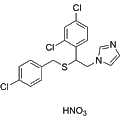
    Sulconazole mononitrate is an imidazole derivative that acts as a broad-spectrum antifungal agent. It exhibits significant efficacy against various fungal infections, making it useful for research related to dermatomycoses, pityriasis versicolor, and cutaneous candidiasis. This compound can facilitate studies aimed at understanding the mechanisms of fungal resistance and the development of effective treatment options.

    25 mg
    $25.00
    50 mg
    $40.00
    All 4 sizes
  • Sulfabenzamide
    Cat. No.
    A16726

    Sulfabenzamide

    Synonyms: N-Sulfanilylbenzamide

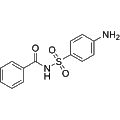
    Sulfabenzamide is an antimicrobial agent that targets bacterial infections. This compound demonstrates effectiveness against both Gram-positive and Gram-negative bacterial strains, making it a valuable tool in microbiological research. It is commonly utilized in studies exploring bacterial resistance and the development of combination therapies with other sulfonamide antibiotics.

    500 mg
    $25.00
    5 g
    $35.00
    All 3 sizes
  • Sulfacetamide sodium
    Cat. No.
    A16727

    Sulfacetamide sodium

    Synonyms: Sulphacetamide sodium

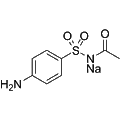
    Sulfacetamide sodium is a sulfonamide antibiotic targeting bacterial infections, primarily utilized in ocular research. It exhibits both antibacterial and antifungal activity, making it an important reagent for studying and treating various infections. Applications include investigation of microbial resistance and the efficacy of topical treatments against ocular pathogens.

    5 g
    $25.00
    25 g
    $60.00
    All 2 sizes
  • Sulfaguanidine
    Cat. No.
    A16728

    Sulfaguanidine

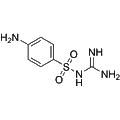
    Sulfaguanidine is an orally active antimicrobial agent belonging to the sulfonamide class, targeting bacterial infections. It exhibits effectiveness against a range of enteric pathogens, making it valuable for the study of gastrointestinal infections, including bacillary dysentery. This compound is essential for research applications focused on the mechanisms of antimicrobial action and resistance in enteric diseases.

    500 mg
    $25.00
    1 g
    $30.00
    All 4 sizes
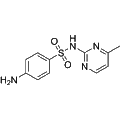
  • Sulfamerazine
    Cat. No.
    A16729

    Sulfamerazine

    Synonyms: RP2632

    Sulfamerazine is a sulfonamide antibiotic that functions by inhibiting bacterial dihydropteroate synthase, thereby interfering with folate synthesis necessary for DNA replication. This compound demonstrates broad-spectrum antibacterial activity, making it valuable in the treatment of various bacterial infections. Sulfamerazine is commonly utilized in microbiological research to study resistance mechanisms and the pharmacodynamics of sulfonamide antibiotics.

    100 mg
    $25.00
    500 mg
    $45.00
    All 4 sizes
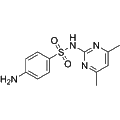
  • Sulfamethazine
    Cat. No.
    A16730

    Sulfamethazine

    Synonyms: Sulfadimidine; Sulfadimerazine

    Sulfamethazine is an antimicrobial agent that acts as a bacterial inhibitor, demonstrating permeability across the blood-brain barrier. It is commonly utilized in veterinary medicine to treat and prevent a variety of animal diseases, including gastrointestinal and respiratory tract infections. Regulatory standards set by China and the European Commission establish a maximum residue level of 100 μg/kg for Sulfamethazine in animal products, underscoring its significance in both therapeutic and safety assessments.

    500 mg
    $35.00
    1 g
    $45.00
    All 4 sizes
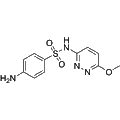
  • Sulfamethoxypyridazine
    Cat. No.
    A16731

    Sulfamethoxypyridazine

    Sulfamethoxypyridazine is a long-acting sulfonamide antibiotic that primarily targets bacterial growth by inhibiting dihydropteroate synthase and disrupting folate synthesis. This compound exhibits significant antibacterial activity and is primarily utilized in research applications focused on understanding bacterial infections and exploring antibiotic resistance mechanisms. Suitable for studies related to dermatological conditions, it aids in exploring therapeutic strategies for diseases like dermatitis herpetiformis.

    100 mg
    $25.00
    200 mg
    $35.00
    All 5 sizes
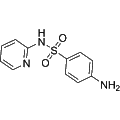
  • Sulfapyridine
    Cat. No.
    A16732

    Sulfapyridine

    Sulfapyridine is a sulfonamide antibiotic agent primarily targeting dihydropteroate synthetase (DHPS) in Pneumocystis carinii, exhibiting an IC50 of 0.18 μM. It demonstrates significant antibacterial, anti-inflammatory, and anti-rheumatic properties, making it valuable for various research applications focused on infectious diseases and inflammatory conditions. This compound serves as an important tool in studies of bacterial resistance and therapeutic interventions.

    1 g
    $20.00
    5 g
    $25.00
    All 3 sizes
  • Sulfathiazole
    Cat. No.
    A16733

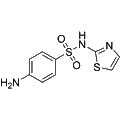
    Sulfathiazole

    Sulfathiazole is an antibiotic with notable activity as an endocrine disruptor, primarily targeting the steroidogenic pathway by enhancing CYP19 activity in human adrenal cancer cells (H295R). This compound also upregulates the mRNA expression of CYP17, CYP19, and 3β-HSD, leading to increased production of 17-estradiol (E2). Additionally, sulfathiazole demonstrates endocrine-disrupting effects in aquatic organisms, such as the Japanese medaka fish, making it relevant for studies in environmental toxicology and endocrine disruption research.

    2 g
    $20.00
    10 g
    $25.00
    All 5 sizes
  • Sulfadimethoxine
    Cat. No.
    A16734

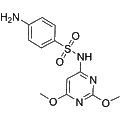
    Sulfadimethoxine

    Synonyms: Sulphadimethoxine

    Sulfadimethoxine is a sulfonamide antibiotic that inhibits bacterial growth by interfering with folic acid synthesis. This compound exhibits broad-spectrum antibacterial activity, making it effective against a variety of Gram-positive and Gram-negative pathogens. It is commonly utilized in research applications related to microbiology and pharmacology, particularly in the study of antibiotic resistance and the development of novel antimicrobial agents.

    200 mg
    $25.00
    1 g
    $30.00
    All 3 sizes
  • Thiamphenicol
    Cat. No.
    A16746

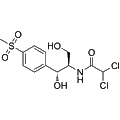
    Thiamphenicol

    Synonyms: Thiophenicol; Dextrosulphenidol

    Thiamphenicol is a broad-spectrum antibiotic that operates by binding to the 50S ribosomal subunit, thereby inhibiting protein synthesis and exerting a bacteriostatic effect. This compound is effective against a wide range of Gram-negative and Gram-positive aerobic and anaerobic bacteria. It is commonly utilized in research applications related to antimicrobial resistance and the study of bacterial protein synthesis mechanisms.

    100 mg
    $20.00
    500 mg
    $25.00
    All 5 sizes
  • Ticarcillin sodium
    Cat. No.
    A16747

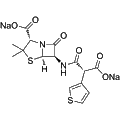
    Ticarcillin sodium

    Ticarcillin sodium is a carboxypenicillin antibiotic that primarily targets Gram-negative bacteria. It is particularly effective against Pseudomonas aeruginosa and is one of the limited antibiotics available for the treatment of infections caused by Stenotrophomonas maltophilia. This compound is essential in research focused on antibiotic efficacy and bacterial resistance mechanisms.

    10 mg
    $25.00
    25 mg
    $30.00
    All 4 sizes
  • Tilmicosin
    Cat. No.
    A16748

    Tilmicosin

    Synonyms: LY-177370; EL-870

    Tilmicosin is a macrolide antibiotic and calcium channel antagonist that targets the bacterial ribosome's 50S subunit, effectively inhibiting protein synthesis. It possesses significant antimicrobial activity and is primarily utilized in treating respiratory diseases in livestock, including cattle, sheep, and pigs. Additionally, Tilmicosin exhibits immunomodulatory and anti-inflammatory properties, making it a valuable reagent in veterinary medicine research.

    100 mg
    $25.00
    500 mg
    $35.00
    All 3 sizes
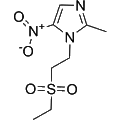
  • Tinidazole
    Cat. No.
    A16749

    Tinidazole

    Tinidazole is an orally available antibacterial agent belonging to the 5-nitroimidazole class, with selective activity against anaerobic bacteria and protozoa. This compound exhibits potent antimicrobial properties, making it useful in treating infections caused by susceptible organisms. Tinidazole is commonly employed in research focused on bacterial resistance mechanisms and the development of antiparasitic therapies.

    100 mg
    $25.00
    200 mg
    $30.00
    All 6 sizes
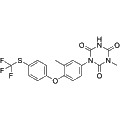
  • Toltrazuril
    Cat. No.
    A16757

    Toltrazuril

    Synonyms: BAY-i 9142

    Toltrazuril is an antiprotozoal agent primarily targeting Coccidia parasites. It demonstrates effective inhibition of parasite growth and replication, making it a valuable tool for research involving coccidiosis and related infectious diseases. This compound is frequently utilized in studies assessing therapeutic approaches and drug efficacy against Coccidia infections in various organisms.

    500 mg
    $20.00
    1 g
    $25.00
    All 3 sizes
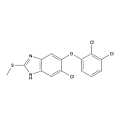
  • Triclabendazole
    Cat. No.
    A16761

    Triclabendazole

    Synonyms: CGA89317

    Triclabendazole is an anthelmintic and fasciolicidal, binding to beta-tubulin and preventing the polymerization of the microtubules of which they are part.

    25 mg
    $35.00
    50 mg
    $55.00
    All 6 sizes
  • Trimethoprim
    Cat. No.
    A16766

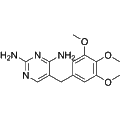
    Trimethoprim

    Trimethoprim is a bacteriostatic antibiotic that primarily targets dihydrofolate reductase, inhibiting folate synthesis in bacteria. It exhibits activity against a broad spectrum of Gram-positive and Gram-negative aerobic organisms, making it valuable in the study of urinary tract infections, Shigellosis, and Pneumocystis pneumonia. Additionally, Trimethoprim has demonstrated potential in inhibiting Influenza A virus infection in chick embryos when used in combination with zinc.

    500 mg
    $35.00
    5 g
    $50.00
    All 3 sizes
  • Tylosin tartrate
    Cat. No.
    A16771

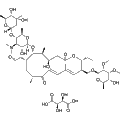
    Tylosin tartrate

    Tylosin tartrate is a macrolide antibiotic derived from the fermentation of Streptomyces fradiae, primarily targeting Gram-positive bacteria. It exhibits strong antimicrobial activity, making it effective in veterinary applications, particularly for the treatment of bacterial dysentery and respiratory diseases in poultry, pigs, and cattle. Additionally, Tylosin tartrate is utilized as a feed additive to promote growth in livestock.

    25 mg
    $35.00
    50 mg
    $45.00
    All 7 sizes
  • Urethane
    Cat. No.
    A16777

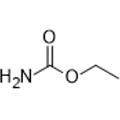
    Urethane

    Synonyms: Ethyl carbamate; Carbamic acid ethyl ester; Ethylurethane

    Urethane, also known as ethyl carbamate, is an ethyl ester of carbamic acid that acts as a bacterial inhibitor. It demonstrates the ability to suppress the growth of bacteria, protozoa, sea urchin eggs, and plant tissues in vitro. This compound is primarily utilized in studies examining microbial inhibition and growth regulation in various biological systems.

    500 mg
    $20.00
    5 g
    $25.00
    All 3 sizes
  • Valganciclovir hydrochloride
    Cat. No.
    A16779

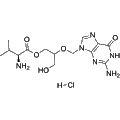
    Valganciclovir hydrochloride

    Valganciclovir hydrochloride is an orally active antiviral agent that targets viral replication. It effectively inhibits the growth of adenoviruses and demonstrates a protective effect in immunosuppressed models. This compound is particularly relevant for research applications focused on Cytomegalovirus and other related viral diseases.

    10 mg
    $30.00
    25 mg
    $55.00
    All 5 sizes

Items 351-375 of 5833

Added to your cart

View Cart Checkout

    Loading...