- Cat. No.
- A22295
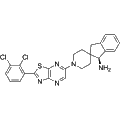
SC-43
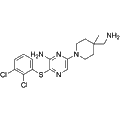
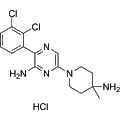
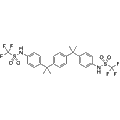
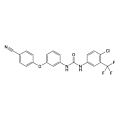
SC-43, a Sorafenib derivative, is a potent and orally active SHP-1 (PTPN6) agonist. SC-43 inhibits the phosphorylation of STAT3 and induces cell apoptosis. SC-43 has anti-fibrotic and anticancer effects.
Search by product name, CAS, target or catalog number. Press Down Arrow to reach product suggestions, Tab to move between links, and Escape to close suggestions.
Protein tyrosine phosphatase (PTP) inhibitors block enzymes that remove phosphate groups from tyrosine residues. PTPs counterbalance tyrosine kinases, and the classical PTPs share a catalytic cysteine within a conserved active-site motif. Mice lacking PTP1B show increased insulin sensitivity, which made this enzyme a model target in metabolic signaling research. SHP099 and SHP394 are allosteric inhibitors of Src homology 2 domain-containing phosphatase 2 (SHP2), which relays signals from receptor tyrosine kinases. NSC 87877 acts at the catalytic sites of SHP1 and SHP2, and TCS 401 free base inhibits PTP1B. Alexidine dihydrochloride inhibits PTP localized to the mitochondrion 1 (PTPMT1), a phosphatase located in the inner mitochondrial membrane.
SC-43, a Sorafenib derivative, is a potent and orally active SHP-1 (PTPN6) agonist. SC-43 inhibits the phosphorylation of STAT3 and induces cell apoptosis. SC-43 has anti-fibrotic and anticancer effects.
Synonyms: GDC-1971
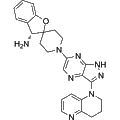
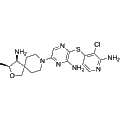
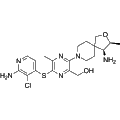
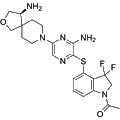
Migoprotafib (GDC-1971; compound 199) is a selective SHP2 inhibitor that suppresses the MAPK/ERK signaling pathway. It exhibits antitumor activity and is under investigation for its potential in targeting SHP2-driven cancers.
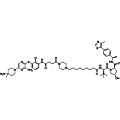
SHP2-D26 isomer-1 is an isoform of the SHP2-D26 degrader, designed specifically for targeted protein degradation applications. This compound does not induce degradation of SHP2 at concentrations ranging from 3 to 1000 nM. As a component of PROTAC technology, SHP2-D26 isomer-1 serves as a valuable tool for studying SHP2's role in signaling pathways and assessing the therapeutic potential of SHP2 modulation in various diseases.
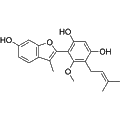
Glycybenzofuran is a selective, competitive inhibitor of protein tyrosine phosphatase 1B (PTP1B) derived from Glycyrrhiza uralensis. This flavonoid exhibits significant inhibitory activity against PTP1B, leading to enhanced insulin-stimulated phosphorylation of Akt (pAkt). Glycybenzofuran is useful in biomedical research, particularly in studies related to hepatocellular carcinoma and metabolic regulation.
Out of stock
All 3 sizes
SHP2-IN-8 is a potent and selective allosteric inhibitor of SHP2, exhibiting an IC50 value of 23 nM and a Ki of 22 nM. This reversible noncompetitive inhibitor demonstrates significant biological activity, as indicated by a thermal shift with a ΔTm of 7.01 °C. SHP2-IN-8 has been shown to induce apoptosis and inhibit AKT phosphorylation in Hela cells, making it a valuable tool for investigating SHP2's role in cellular signaling and cancer research.
PTP1B-IN-24 is a reversible inhibitor targeting Protein Tyrosine Phosphatase 1B (PTP1B) with an IC50 value of 1.4 μM. This compound enhances the thermal stability of PTP1B and effectively reverses insulin resistance induced by palmitic acid, as evidenced by increased phosphorylation levels of insulin receptor substrate 1 (IRS1) and AKT. PTP1B-IN-24 is valuable for research investigating metabolic disorders and insulin signaling pathways.
SHP2/HDAC-IN-1 is a dual allosteric inhibitor targeting SHP2 and HDAC with IC50 values of 20.4 nM and 25.3 nM, respectively. This compound enhances antitumor immunity through the activation of T cells, improving antigen presentation and cytokine secretion. SHP2/HDAC-IN-1 is valuable for investigations in cancer immunotherapy and associated research applications.
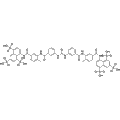
Suramin is a reversible and competitive inhibitor of protein-tyrosine phosphatases (PTPases). It exhibits potent inhibition of sirtuins, specifically SirT1 (IC50=297 nM), SirT2 (IC50=1.15 μM), and SirT5 (IC50=22 μM), as well as serving as a competitive inhibitor of reverse transcriptase with an IC50 of 5 μM. Additionally, Suramin effectively inhibits SARS-CoV-2 RNA-dependent RNA polymerase and demonstrates significant activity against IP5K. Its applications in research encompass antiparasitic, anti-neoplastic, and anti-angiogenic studies.
SHP2-IN-33 is an allosteric inhibitor of SHP2, exhibiting an IC50 of 1.2 μM. This compound demonstrates significant antiproliferative activity against Huh7 cells, with an IC50 of 38 μM, by inducing G0/G1 cell cycle arrest and promoting apoptosis while inhibiting the MAPK signaling pathway. In vivo studies utilizing a Huh7 xenograft mouse model reveal substantial antitumor efficacy along with favorable pharmacokinetic properties, including 54% oral bioavailability and a half-life of 10.57 hours. SHP2-IN-33 serves as a valuable tool for investigating tumorigenesis related to SHP2 dysregulation.
Out of stock
All 3 sizes
JC-010a is a selective allosteric inhibitor of SHP2, a protein tyrosine phosphatase involved in signaling pathways that promote cancer cell proliferation. This compound effectively inhibits the growth of various cancer cell types, making it a valuable tool for studying cancer biology. JC-010a is suitable for research applications aimed at elucidating the role of SHP2 in tumorigenesis and exploring therapeutic strategies against cancers reliant on SHP2 activity.
Out of stock
All 3 sizes
LXQ-217 is a selective inhibitor of the SHP2 enzyme, exhibiting an IC50 of 2.01 μM. This compound effectively induces apoptosis and inhibits cellular proliferation in both in vivo and in vitro models. It serves as a valuable tool for research on SHP2-related pathways in cancer and other diseases.
Out of stock
All 3 sizes
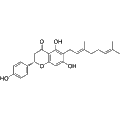
Synonyms: 6-Geranylnaringenin; Mimulone
Bonannione A is a potent inhibitor of protein tyrosine phosphatase 1B (PTP1B) with an IC50 of 14 µM. This prenylflavonoid induces caspase-dependent apoptosis and activates autophagy via the p53-mediated AMPK/mTOR pathway. Additionally, Bonannione A exhibits significant anti-inflammatory, antiradical, and anticancer properties, making it a valuable tool for various biological research applications.
PTPN2-IN-2 is a potent inhibitor of PTPN2, with an IC50 value of 7.05 nM, that enhances the interferon-gamma signaling pathway. It also exhibits inhibitory activity against PTP1B with an IC50 of 9.88 nM. This compound has demonstrated the ability to inhibit tumor growth and promote the activation and infiltration of immune cells in a B16-OVA mouse model. PTPN2-IN-2 is valuable for research into melanoma and related immunotherapeutic applications.
Out of stock
All 3 sizes
Synonyms: TNO155
Batoprotafib is a potent allosteric inhibitor of SHP2, with a reported IC50 of 0.011 µM, demonstrating strong selectivity. This orally active compound is essential for investigating receptor tyrosine kinase (RTK)-dependent malignancies, particularly in the context of advanced solid tumors. Batoprotafib serves as a valuable tool for research aimed at understanding the role of SHP2 in tumorigenesis and therapeutic responses.
SHP244 is an allosteric inhibitor of SHP2, specifically targeting the "latch allosteric site" with an IC50 value of 60 μM for SHP2WT. While SHP244 does not significantly alter levels of p-ERK when used alone, it demonstrates synergy when combined with RMC-4550, a "tunnel site" inhibitor, to effectively reduce p-ERK levels and mitigate drug resistance. This compound is particularly valuable for research into drug resistance mechanisms in FGFR-driven cancers.
NAT6-297775 is a selective inhibitor of the non-receptor protein tyrosine phosphatase SHP-2, exhibiting an IC50 value of 2.5 μM. This compound is capable of inhibiting the RAS/MAP kinase signaling pathway, which is crucial in various cellular processes. NAT6-297775 is particularly relevant for cancer research, including studies focused on leukemia and related malignancies.
Synonyms: RMC-4630; SHP2-IN-7
Vociprotafib is a potent and selective inhibitor of the phosphatase SHP2, primarily targeting the RAS-RAF-MEK-ERK signaling pathway. This compound exhibits significant antitumor activity, demonstrated by its ability to accelerate and enhance tumor regressions in mouse models of Osimertinib-sensitive EGFR-mutant tumors. Vociprotafib serves as a valuable tool for research in cancer biology, particularly in studies aimed at elucidating the role of SHP2 in oncogenesis and therapeutic resistance.
SHP099 monohydrochloride is a selective inhibitor of the SHP2 protein tyrosine phosphatase, demonstrating an IC50 of 70 nM. This compound is orally bioavailable, making it suitable for in vivo studies. SHP099 has been primarily applied in cancer research, where it shows potential in modulating immune responses and enhancing the efficacy of various therapeutic approaches.
Synonyms: JAB-3312
Sitneprotafib is a potent inhibitor of the phosphatase SHP2, exhibiting an IC50 of 1.9 nM. This orally bioavailable compound demonstrates significant anti-cancer activity, effectively inducing tumor regression in the KYSE-520 mouse xenograft model. It is a valuable tool for research targeting SHP2-related pathways in cancer.
Synonyms: ARRY-558
PF-07284892 is a potent, orally active inhibitor of Src Homology 2 Domain-Containing Phosphatase 2 (SHP2) with an IC50 value of 21 nM. This compound has been shown to effectively decrease the expression of phosphorylated Extracellular Signal-Regulated Kinase (pERK). PF-07284892 is valuable for research applications aimed at understanding SHP2's role in cancer signaling pathways and developing targeted therapies.
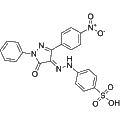
PHPS1 is a potent and selective inhibitor of Shp2, demonstrating inhibitory constant (Ki) values of 0.73 μM for Shp2 and 5.8 μM for the Shp2-R362K variant, along with 10.7 μM for Shp1, 5.8 μM for PTP1B, and 0.47 μM for PTP1B-Q. Its selectivity makes PHPS1 a valuable tool for investigating the signaling pathways regulated by Shp2 in various biological contexts. This compound is useful for research applications in cellular signaling, cancer biology, and potential therapeutics targeting Shp2-mediated pathways.
PTP Inhibitor IV is a selective inhibitor of protein tyrosine phosphatases (PTPs), specifically targeting DUSP14 and exhibiting a half-maximal inhibitory concentration (IC50) of 5.21 μM. It effectively inhibits various PTPs including SHP-2, PTP1B, PTP-ε, PTP Meg-2, PTP-σ, PTP-β, and PTP-μ, with IC50 values ranging from 1.8 μM to 20 μM. This reagent is valuable for studies investigating the roles of specific phosphatases in signaling pathways, cellular processes, and disease mechanisms.
SPI-112 is a potent and selective inhibitor of SHP2 (PTPN11), exhibiting competitive inhibition with an IC50 of 1 μM for SHP2, while demonstrating lower potency with IC50 values of 18.3 μM and 14.5 μM for protein tyrosine phosphatase (PTP) and PTP1B, respectively. This compound is valuable for studying the role of SHP2 in various signaling pathways and its implications in cancer research, making it a useful tool in therapeutic development and cellular signaling studies.
Synonyms: SHP2-IN-6
JAB-3068 is a selective inhibitor of the protein tyrosine phosphatase SHP2, demonstrating an IC50 value of 25.8 nM. This compound has potential applications in cancer research, particularly for targeting SHP2-mediated signaling pathways that influence tumor growth and progression. Its efficacy makes it a valuable tool for investigating the therapeutic potential of SHP2 inhibition in various malignancies.
Synonyms: BMOV
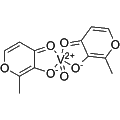
Bis(maltolato)oxovanadium(IV) is a reversible, competitive inhibitor targeting protein tyrosine phosphatases (PTPs). It demonstrates significant inhibitory activity against HCPTPA, PTP1B, HPTPβ, and SHP2, with IC50 values of 126 nM, 109 nM, 26 nM, and 201 nM, respectively. This compound serves as a powerful insulin sensitizer, making it a valuable tool for research in metabolic disorders and diabetes-related studies.