
- Cat. No.
- A11433
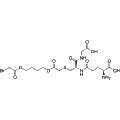
Glyoxalase I inhibitor
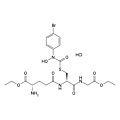
Glyoxalase I inhibitor is a potent Glyoxalase I inhibitor, candidate for anticancer agents.
In stock
View Details
Search by product name, CAS, target or catalog number. Press Down Arrow to reach product suggestions, Tab to move between links, and Escape to close suggestions.
Glyoxalase I (GLO1) inhibitors block the main enzyme that detoxifies methylglyoxal. This reactive by-product of glycolysis is removed when GLO1 converts the hemithioacetal formed from methylglyoxal and reduced glutathione into S-D-lactoylglutathione. Glyoxalase II then hydrolyzes this thioester to D-lactate and regenerates glutathione. A 2003 review described GLO1 as a key enzymatic defense against glycation of proteins and nucleotides. In a 2005 mouse study, Glo1 expression was linked to anxiety-like behavior. Inhibitors are used to study highly glycolytic tumor cells, glycation stress and behavior. BrBzGCp2 is a cell-permeable glutathione-based inhibitor, listed with Glyoxalase I inhibitor free base and Glyoxalase I inhibitor 6. N,S-Bis-Fmoc-Glutathione is listed as a glyoxalase II inhibitor, and ophthalmic acid is a glutathione analog.
Glyoxalase I inhibitor is a potent Glyoxalase I inhibitor, candidate for anticancer agents.
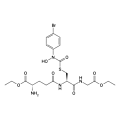
Glyoxalase I inhibitor (free base) is a potent Glyoxalase I (GLO1) inhibitor, candidate for anticancer agents.
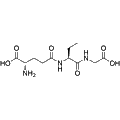
Ophthalmic acid, a glutathione (GSH) analogue, is primarily involved in the modulation of oxidative stress and serves as an indicator of hepatic GSH consumption. This compound acts as an inhibitor of the Glyoxalase I reaction, which plays a critical role in detoxifying methylglyoxal. Ophthalmic acid is valuable for research applications focused on oxidative stress mechanisms, cellular metabolism, and related pathophysiological conditions.
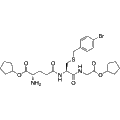
Synonyms: S-p-Bromobenzylglutathione cyclopentyl diester
BrBzGCp2 is a specific inhibitor of Glyoxalase 1 (GLO1), demonstrating a GC50 of 4.23 μM in HL-60 cells. This compound exhibits significant antitumor and neuroprotective properties, making it a valuable tool for research in cancer biology and neurodegenerative disease studies. Researchers can utilize BrBzGCp2 to explore the role of GLO1 in cellular stress responses and its potential implications in therapeutic strategies.
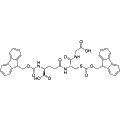
N,S-Bis-Fmoc-Glutathione is a potent inhibitor of glyoxalase II, exhibiting a Ki value of 0.75 μM and an IC50 of 2.5 μM. This compound is highly valuable for research involving glycation processes, oxidative stress, and related pathways. Its ability to modulate glyoxalase II activity makes it a useful tool for investigating cellular responses to reactive carbonyl species and their implications in various diseases.
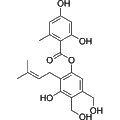
Enzyme-IN-4 is a competitive inhibitor of glyoxalase I, derived from the fungus Stereum hirsutum. With a Ki value of 4.6 μM against rat liver glyoxalase I, this compound effectively modulates glyoxalase I activity. Enzyme-IN-4 is useful in research applications studying the role of glyoxalase I in cellular processes and its involvement in various pathologies, including diabetes and cancer.
Out of stock
All 3 sizes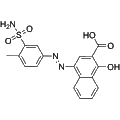
Glyoxalase I inhibitor 6 is an inhibitor of glyoxalase I (Glo-I) with an IC50 value of 1.13 μM. This compound exhibits potential anticancer activity while maintaining low toxicity, making it suitable for research applications focused on tumor biology and metabolic pathways related to cancer. Its specific inhibition of Glo-I underscores its relevance in studies aimed at understanding glycation processes and developing therapeutic strategies against cancer.
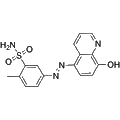
Glyoxalase I inhibitor 5 is a potent inhibitor of glyoxalase I (Glo-I), exhibiting an IC50 value of 1.28 μM. This compound has demonstrated significant potential as an anticancer agent, making it a valuable tool in cancer research. Its ability to modulate the glyoxalase pathway provides insights into therapeutic strategies targeting cancer metabolism.
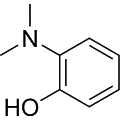
2-Dimethylaminophenol is a selective inhibitor of human glyoxalase 1 (GLO1). It disrupts metal binding by replacing the pyridine nitrogen donor with a dimethylamino group, leading to altered enzymatic activity. This compound is utilized in research applications focused on understanding the role of GLO1 in cellular processes and metabolic pathways.
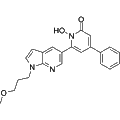
Glyoxalase I Inhibitor 3 is a potent and selective inhibitor of glyoxalase I (GLO1) with an IC50 of 0.011 µM. By targeting GLO1, this compound plays a crucial role in modulating cellular levels of reactive dicarbonyls, which are implicated in various pathophysiological conditions. Its capability to influence metabolic pathways makes Glyoxalase I Inhibitor 3 a valuable tool in the research of depression and anxiety disorders.
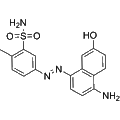
Glyoxalase I inhibitor 7 is a selective inhibitor of glyoxalase I (Glo-I) with an IC50 value of 3.65 μM. This compound has demonstrated potential as an anticancer agent by modulating cellular processes associated with tumor progression. Its application in research may provide insights into the role of glyoxalase I in cancer metabolism and other pathological conditions.
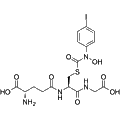
Glyoxalase I Inhibitor 4 is a selective inhibitor of glyoxalase I (GLO1) with a reported Ki of 10 nM. This compound effectively modulates the glyoxalase enzyme pathway, which is crucial for cellular detoxification of reactive dicarbonyls and maintains cellular redox balance. Glyoxalase I Inhibitor 4 is valuable in research exploring oxidative stress-related diseases, cancer biology, and metabolic disorders.
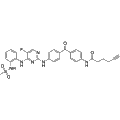
Glyoxalase I Inhibitor 1 is a selective inhibitor of glyoxalase I (GLO1), demonstrating an IC50 of 26 nM. This compound serves as a click chemistry reagent due to its alkyne functionality, enabling copper-catalyzed azide-alkyne cycloaddition (CuAAc) with azide-bearing molecules. It is a valuable tool for exploring glyoxalase I-related pathways and investigating related biological processes in research applications.
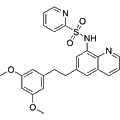
Glyoxalase I Inhibitor 2 is a selective inhibitor of glyoxalase I (GLO1), demonstrating a potent inhibitory effect with an IC50 of 0.5 µM. This compound is valuable for research investigating the roles of GLO1 in neurological conditions, particularly in the context of depression and anxiety. Its ability to modulate the GLO1 pathway offers insights into potential therapeutic strategies for mental health disorders.
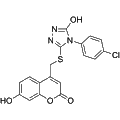
SPB07393SC is a potent inhibitor of glyoxalase-I (Glo-I), with an IC50 value of 11.1 μM. This compound is valuable in cancer research, as it aids in the investigation of Glo-I's role in cellular metabolism and its implications in tumor progression. Researchers can utilize SPB07393SC to explore therapeutic strategies targeting the glyoxalase pathway in various oncological contexts.
Out of stock
All 3 sizes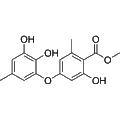
Methyl gerfelin is a potent glyoxalase 1 (GLO1) inhibitor that plays a critical role in modulating osteoclast differentiation. By binding to GLO1, sterol binding protein 2 (SCP2), and small glutamine-rich tetratricopeptide repeat containing protein A (SGTA), methyl gerfelin effectively influences cellular metabolism and signaling pathways. This compound is utilized in research applications focusing on bone resorption and related metabolic diseases.
4BAB is an irreversible inhibitor of glyoxalase I (GLO1), an enzyme pivotal in detoxifying reactive dicarbonyl species. This compound exhibits notable anticancer properties, making it a valuable tool for research into cancer biology and therapeutic strategies targeting metabolic pathways. Studies suggest that GLO1 inhibition may enhance cancer cell sensitivity to various treatments, providing a basis for exploring novel cancer therapies.