- Cat. No.
- A12159
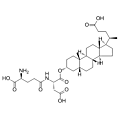
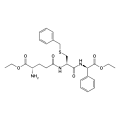
Ezatiostat
Synonyms: TLK199
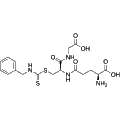
Ezatiostat is a liposomal small-molecule glutathione analog inhibitor of glutathione S-transferase (GST) P1-1 with hematopoiesis-stimulating activity.
Search by product name, CAS, target or catalog number. Press Down Arrow to reach product suggestions, Tab to move between links, and Escape to close suggestions.
Glutathione S-transferase (GST) inhibitors block enzymes that conjugate glutathione to electrophiles. Conjugation makes reactive drugs, carcinogens and oxidative stress products more water soluble and easier to export from cells. Cytosolic GSTs fall into several classes, including alpha, mu, pi and omega, with distinct substrate preferences. GST pi 1 (GSTP1) is abundant in many tumor cells and binds c-Jun N-terminal kinase (JNK), which restrains stress signaling. Ezatiostat is a glutathione analog that is converted in cells to TLK117, an inhibitor of GSTP1-1, and is also listed as ezatiostat hydrochloride. NBDHEX also targets GSTP1-1, whereas GSTO1-IN-1 acts on the omega-class enzyme GSTO1. Natural products such as coniferyl ferulate and benastatin B are listed as broader GST inhibitors.
Synonyms: TLK199
Ezatiostat is a liposomal small-molecule glutathione analog inhibitor of glutathione S-transferase (GST) P1-1 with hematopoiesis-stimulating activity.
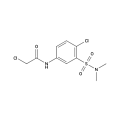
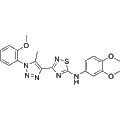
GSTO1-IN-1 is a potent glutathione S-transferase omega 1 (GSTO1) inhibitor with an IC50 of 31 nM.
GSTO-IN-2 is a glutathione S-transferase inhibitor with IC50s of 3.6, 16.3, and 1.4 μM for GSTA2, GSTM1, and GSTP1-1.
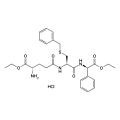
Synonyms: TER199; TLK199 (hydrochloride); TLK 199
Ezatiostat hydrochloride (TER199;TLK199 hydrochloride) is a glutathione analog inhibitor of glutathione S-transferase P1-1 (GSTP1-1).
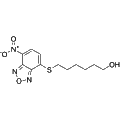
NBDHEX is a potent inhibitor of glutathione S-transferase P1-1 (GSTP1-1), exhibiting significant anticancer activity. By inhibiting the catalytic activity of GSTs, NBDHEX facilitates tumor cell apoptosis and disrupts interactions between GSTP1-1 and crucial signaling effectors. Additionally, it functions as a late-phase autophagy inhibitor, making it a valuable tool for cancer research and therapeutic development.
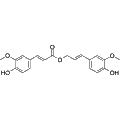
Coniferyl ferulate is a potent inhibitor of glutathione S-transferase (GST), demonstrating an IC50 of 0.3 μM. This compound is effective in downregulating P-glycoprotein expression, inducing apoptosis in multidrug-resistant cells, and reversing multidrug resistance. Coniferyl ferulate also modulates the NMDAR/NR2B-CaMKII-MAPKs signaling pathway, reduces reactive oxygen species production, and influences mitochondrial apoptosis. Additionally, it reshapes intestinal microbiota, alleviates colonic inflammation, and exhibits antidepressant effects in mouse models. Its ability to mitigate xylene toxicity in hematopoietic stem and progenitor cells further underscores its potential therapeutic applications. Coniferyl ferulate also displays antibacterial activity against Gram-positive bacteria, including Bacillus subtilis and Staphylococcus aureus.
GSTO1-IN-3 is a selective inhibitor of GSTO1, exhibiting an IC50 of 0.11 μM while demonstrating minimal activity against GSTO2-2, GSTA1-1, and GSTP1-1 (IC50 > 100 μM). This compound significantly enhances the cytotoxic effects of Cisplatin in human breast cancer cells and effectively reduces IL-1β release in mouse bone marrow-derived macrophage (BMDM) cells. Additionally, GSTO1-IN-3 has been shown to mitigate inflammation in murine models, making it a valuable tool for investigating breast cancer and inflammatory processes.
Out of stock
All 3 sizes
Synonyms: CAY10562
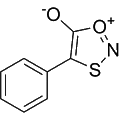
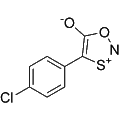
OZO-H is a potent inhibitor of glutathione S-transferase (GST) activity. As a derivative of OZO, this compound exhibits significant anti-cancer effects by disrupting the GST-JNK1 complex, leading to the release and subsequent phosphorylation of JNK1. The activation of c-Jun through JNK1 phosphorylation highlights its potential utility in cancer research, particularly in studies examining cell signaling pathways related to tumor progression and therapeutic response.
Out of stock
All 3 sizes
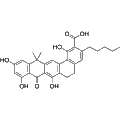
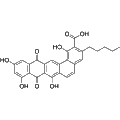
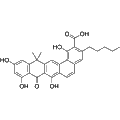
Benastatin B is a potent inhibitor of glutathione S-transferase (GST), specifically targeting the human pi class GST with an IC50 value of 1.10 μg/mL. This compound demonstrates broad-spectrum antibacterial activity, effectively inhibiting methicillin-resistant Staphylococcus aureus (MRSA) with an MIC of 3.1 μg/mL. Additionally, Benastatin B shows anti-inflammatory properties by inhibiting IgE-mediated β-hexosaminidase release, with an IC50 value of 79 μg/mL, making it a valuable tool for research in inflammation and microbial resistance.
Bequinostatin C is a naphthoquinone that acts as a selective inhibitor of glutathione S-transferase pi 1 (GSTP1), with an IC50 value of 40 μg/mL for the human enzyme. This compound is useful in studying the role of GSTP1 in various biological processes and diseases, particularly in cancer research where GSTP1 is implicated in drug resistance and metabolic regulation. Bequinostatin C may serve as a valuable tool for investigating GSTP1-related pathways and therapeutic targets.
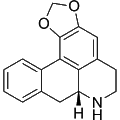
Anonaine is a glutathione S-transferase (GST) inhibitor known for its antiparasitic properties. By inhibiting GST, Anonaine can affect various biochemical pathways, making it a useful tool in research focused on detoxification processes and drug metabolism. Its unique action allows for exploration in studies related to parasitic infections and potential therapeutic developments.
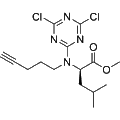
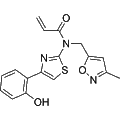
LAS17 is a potent and selective irreversible inhibitor of glutathione S-transferase Pi (GSTP1), acting through a tyrosine-directed mechanism. With an IC50 of 0.5 μM, LAS17 effectively inhibits GSTP1 activity, making it valuable for research into oxidative stress and detoxification processes. Additionally, LAS17 serves as a click chemistry reagent due to its alkyne group, enabling its use in copper-catalyzed azide-alkyne cycloaddition (CuAAc) for various chemical biology applications.
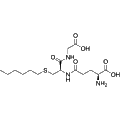
S-Hexylglutathione is a competitive inhibitor of glutathione-S-transferase (GST) characterized by the substitution of a hexyl group at the thiol position of glutathione. This compound serves as an effective affinity chromatographic ligand for GST and glutathione peroxidase, facilitating the purification and study of these important enzymes. S-Hexylglutathione is valuable in biochemical research for investigating the role of GST in detoxification processes and cellular antioxidant defense.
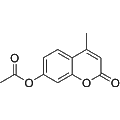
Synonyms: 4-Methylumbelliferyl acetate
7-Acetoxy-4-methylcoumarin is a selective inhibitor of glutathione S-transferases (GSTs). It has been shown to inhibit aflatoxin B1-DNA binding in vitro, exhibiting a 36.7% reduction in binding activity. This compound is useful for studying the role of GSTs in detoxification processes and can aid in understanding the implications of GST inhibition in chemical biology and pharmacology.
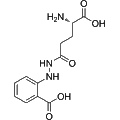
Anthglutin is a potent inhibitor of glutathione S-transferase, derived from cultures of Penicillium oxalicum. It exhibits Ki values of 5.7 μM for porcine kidney enzyme, 18.3 μM for human kidney enzyme, 13.6 μM for human liver soluble enzyme, and 10.2 μM for the conjugated enzyme. This compound is valuable for research into the role of glutathione S-transferases in detoxification processes and the study of their impact on cellular signaling pathways. Additionally, Anthglutin has been shown to exert no significant influence on the intestinal absorption of methionine in rat models.
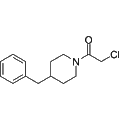
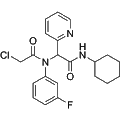
GST-IN-1 is a potent inhibitor of glutathione S-transferase (GST), exhibiting IC50 values of 1.55 μM for sjGST and 2.02 μM for hGSTM2. This compound is valuable for investigating GST-mediated processes and exploring the role of GST in various pathophysiological conditions. It serves as a useful tool in biochemical studies and drug development targeting GST-related pathways.
Out of stock
All 3 sizes
KT53 is a potent and selective inhibitor of GSTO1, demonstrating significant cellular penetration. It effectively inhibits GSTO1 activity in MDA-MB-435 cancer cells with an IC50 value of 35 nM. In addition, KT53 enhances the cytotoxic effect of cisplatin on these cells, making it a valuable tool for cancer research applications.
Out of stock
All 3 sizes
OZO-Cl is a potent inhibitor of glutathione S-transferase (GST), primarily targeting the Pi isoform. This compound demonstrates significant anti-cancer activity, exhibiting cytotoxic effects on various cancer cell lines with IC50 values of 150 μmol/L in Panc-1 and 120 μmol/L in K562 cells. OZO-Cl may serve as a valuable tool in cancer research, particularly in studies exploring GST inhibition and its therapeutic implications in oncology.
Out of stock
All 3 sizes
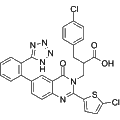
GSTO1-IN-5 is a potent and selective inhibitor of glutathione S-transferase omega 1 (GSTO1), demonstrating an IC50 of 0.22 nM. This compound is valuable for research into cancer biology and inflammation, particularly in the context of colon cancer. Its specificity for GSTO1 allows for detailed studies of its role in various pathological conditions.
Out of stock
All 3 sizes
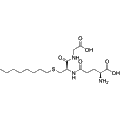
S-Octylglutathione is a competitive inhibitor of glutathione S-transferase (GST), targeting the enzyme's active site to hinder its activity. This compound is primarily utilized in biochemical research to study the role of GST in various metabolic processes and to explore its implications in cancer and drug resistance. S-Octylglutathione serves as a valuable tool for investigating GST-related pathways and potential therapeutic applications.
Out of stock
All 3 sizes
Benastatin A is a potent inhibitor of glutathione S-transferase, a key enzyme involved in detoxification processes that conjugates glutathione to various substrates. Isolated from Streptomyces MI384-DF12, Benastatin A demonstrates significant biological activity in modulating cellular responses to oxidative stress and drug metabolism. Its inhibitory properties make it a valuable tool in studies focused on cancer research, pharmacology, and the exploration of cellular detoxification pathways.
GST-FH.4 is an inhibitor targeting glutathione S-transferase (GST), a critical enzyme involved in detoxification processes. This compound effectively inhibits GST activity, with an IC50 value of 24.38 μM, thereby reducing the frequency of false positive interactions observed between GST and glutathione (GSH). GST-FH.4 is a valuable tool for researchers studying enzymatic pathways and the dynamics of protein interactions in cellular processes.
BITC-SG is a conjugate of phenylisothiocyanate (BITC) and glutathione (GSH), primarily acting as an inhibitor of glutathione S-transferase P1-1 (GST P1-1). This compound exhibits irreversible inhibition of GST P1-1, which is implicated in various biological processes and diseases. BITC-SG is useful for research applications aimed at understanding the role of GST P1-1 in cellular detoxification and its potential as a therapeutic target in cancer and other pathologies.
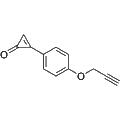
Cyclopropenone probe 1 is a selective inhibitor of glutathione S-transferase pi-1 (GSTP1), which plays a critical role in the progression of triple-negative breast cancer. This compound covalently modifies GSTP1 at its catalytic active site, providing insights into its biological function and potential therapeutic targeting. Additionally, Cyclopropenone probe 1 serves as a click chemistry reagent, featuring an alkyne group that enables copper-catalyzed azide-alkyne cycloaddition (CuAAc) with azide-containing molecules for advanced research applications.
Out of stock
All 3 sizes
Glutathione Synthesis-IN-1 is a potent inhibitor of glutathione synthesis, targeting the enzyme involved in the pathway. By effectively reducing glutathione levels, this compound facilitates studies on oxidative stress and cellular responses to reactive oxygen species. It is relevant for research applications in cancer biology, neurodegenerative diseases, and the mechanisms of cellular apoptosis.