
- Cat. No.
- A13019
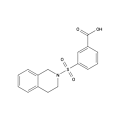
AKR1C3-IN-1
AKR1C3-IN-1 is a potent, highly selective inhibitor of AKR1C3, with an IC50 of 13 nM.
In stock
View Details
Search by product name, CAS, target or catalog number. Press Down Arrow to reach product suggestions, Tab to move between links, and Escape to close suggestions.
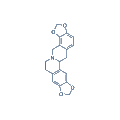
17β-Hydroxysteroid dehydrogenase (17β-HSD) inhibitors in this category mostly target one aldo-keto reductase. Aldo-keto reductase family 1 member C3 (AKR1C3), also called type 5 17β-HSD, reduces androstenedione to testosterone in peripheral tissues. Its close relatives AKR1C1 and AKR1C2 act mainly on other steroids, inactivating progesterone and 5α-dihydrotestosterone. These isoforms share high sequence identity, so selectivity between them is a central question in inhibitor research. AKR1C3-IN-1 and AKR1C2/3-IN-1 address AKR1C3, while AKR1C1-IN-1 is directed at AKR1C1. Stylopine, a protoberberine alkaloid, is also listed as an AKR1C3 inhibitor. AKR1B10-IN-1 targets AKR1B10, a reductase of a neighboring subfamily that is studied in retinoid and lipid metabolism.
AKR1C3-IN-1 is a potent, highly selective inhibitor of AKR1C3, with an IC50 of 13 nM.
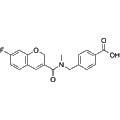
AKR1C3-IN-15 is a potent and selective inhibitor of the enzyme AKR1C3, exhibiting an IC50 of 5 nM. This compound has been shown to enhance reactive oxygen species (ROS) generation induced by Sorafenib, promote apoptosis, and restore Sorafenib sensitivity in hepatocellular carcinoma (HCC) models, both in vitro and in vivo. AKR1C3-IN-15 is valuable for research applications focused on cancer treatment and the modulation of metabolic pathways involved in tumor progression.
Out of stock
All 3 sizes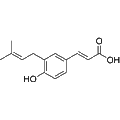
Drupanin is a selective inhibitor of the AKR1C3 enzyme and an RXRα agonist, exhibiting an EC50 of 4.8 μM. This compound also demonstrates moderate activation of PPARγ, contributing to its role in inducing adipogenesis and elevating aP2 mRNA levels in 3T3-L1 fibroblasts. Drupanin holds promise for studies investigating breast and prostate cancer biology and therapeutics.
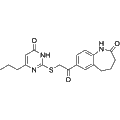
S07-2010 is a potent pan-AKR1C inhibitor targeting the aldo-keto reductase family 1 members (AKR1C1 to AKR1C4), with IC50 values ranging from 0.19 to 0.73 μM. This compound induces apoptosis in A549/DDP cells and enhances the cytotoxic effects of chemotherapeutic agents in drug-resistant cancer cells. S07-2010 effectively inhibits the proliferation of these resistant cell lines, making it a valuable tool for research in cancer therapy and drug resistance mechanisms.
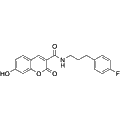
AKR1B10-IN-1 is a potent inhibitor of Aldo-Keto Reductase 1B10 (AKR1B10), exhibiting an IC50 value of 3.5 nM. This compound demonstrates the ability to suppress cell proliferation, metastasis, and resistance to Cisplatin (CDDP) in lung cancer cells. AKR1B10-IN-1 is valuable for researchers investigating therapeutic strategies for lung cancer treatment and understanding the role of AKR1B10 in cancer biology.
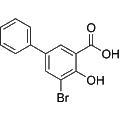
AKR1C1-IN-1 is a selective inhibitor of human 20α-hydroxysteroid dehydrogenase (AKR1C1), exhibiting a Ki value of 4 nM. This compound demonstrates significant inhibitory activity, making it a valuable tool for studying AKR1C1-related biological processes. Its applications include investigating steroid metabolism and exploring potential therapeutic targets in hormone-related disorders.
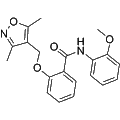
AKR1C3-IN-9 is a highly selective inhibitor of Aldo-keto Reductase 1C3 (AKR1C3), exhibiting an IC50 value of 8.92 nM. This compound demonstrates the ability to significantly reverse Doxorubicin resistance in resistant breast cancer cell lines, offering valuable insights into overcoming chemoresistance in cancer therapy. Its selective action on AKR1C3 makes it a valuable tool for research into metabolic regulation and therapeutic resistance mechanisms in oncology.
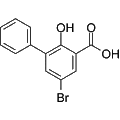
5-Bromo-3-phenyl salicylic acid is a selective inhibitor of the enzyme AKR1C1, specifically targeting human 20α-hydroxysteroid dehydrogenase with an inhibition constant (Ki) of 140 nM. This compound demonstrates potent biological activity and is valuable for research in steroid metabolism and related signaling pathways. It may be applied in studies investigating the role of AKR1C1 in various physiological and pathological processes.
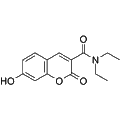
AKR1C2/3-IN-1 is a highly potent inhibitor of the enzymes AKR1C2 and AKR1C3, exhibiting IC50 values of 90 nM and 50 nM, respectively. This compound is valuable in research focused on enhancing the efficacy of radiation therapy and amplifying the cytotoxic effects of chemotherapy. Its ability to inhibit AKR1C2 and AKR1C3 makes it a promising tool for studies aimed at optimizing cancer treatment strategies.
Out of stock
All 3 sizes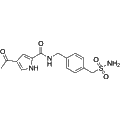
S07-2001 is a selective inhibitor of aldo-keto reductase 1C3 (AKR1C3), exhibiting an IC50 value of 2.08 μM. This compound enhances the efficacy of Doxorubicin in cancer cells, making it a promising candidate for overcoming chemoresistance. Its mechanism of action and potent bioactivity support its potential applications in cancer therapeutics research.
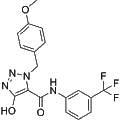
AKR1C3-IN-6 is a selective inhibitor of the enzyme AKR1C3, demonstrating potent inhibitory activity with an IC50 of 0.31 μM. In contrast, it shows significantly less activity against AKR1C2 with an IC50 of 73.23 μM. This compound exhibits notable antitumor properties, making it a valuable tool for research in cancer biology and therapeutic development targeting AKR1C3-related pathways.
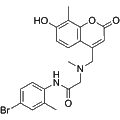
AKR1C3-IN-14 is a potent inhibitor of the aldo-keto reductase 1C3 (AKR1C3) enzyme, with an IC50 value of 0.122 μM. By inhibiting AKR1C3 activity, this compound effectively reduces the overproduction of androgens, which plays a crucial role in hormone-mediated signaling pathways. Additionally, AKR1C3-IN-14 is involved in the biosynthesis of the prostaglandin PGF2α, influencing cell proliferation. This compound is valuable for investigating prostate cancer and understanding its hormonal regulation.
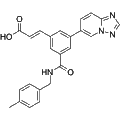
AKR1C3-IN-10 is a selective inhibitor of aldo-keto reductase 1C3 (AKR1C3), with an IC50 value of 51 nM. This compound exhibits significant antitumor activity in prostate cancer xenograft models, making it a valuable tool for cancer research. It is particularly relevant for studies focused on the modulation of steroid metabolism and the development of therapeutic strategies targeting AKR1C3 in cancer.
Out of stock
All 3 sizes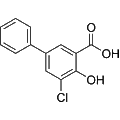
CPSA is a potent and competitive inhibitor of 20α-hydroxysteroid dehydrogenase (AKR1C1), with a Ki value of 0.86 nM. This compound demonstrates significant biological activity, making it a valuable tool for investigating therapeutic avenues in lung and endometrial cancers, as well as conditions related to premature birth and neuronal disorders. CPSA's selective inhibition of AKR1C1 positions it as an important reagent for studying the biochemical pathways involved in these diseases.
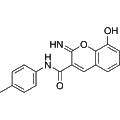
AKR1C3-IN-12 is a potent inhibitor of aldo-keto reductase 1C3 (AKR1C3), demonstrating an IC50 value of 27 nM. This compound has been shown to enhance the effectiveness of chemotherapeutic agents such as Gemcitabine and Cisplatin in the treatment of bladder cancer. Its application underscores the potential of targeting AKR1C3 in cancer therapy research and the development of combination treatments.
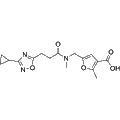
S07-2009 is a selective inhibitor of aldo-keto reductase 1C3 (AKR1C3), exhibiting an IC50 value of 0.20 μM. This compound demonstrates significant inhibition of AKR1C3, making it a valuable tool for studying the enzyme's role in steroid metabolism and related diseases. S07-2009 can be utilized in both biochemical assays and cellular models to investigate the implications of AKR1C3 inhibition in various biological contexts.
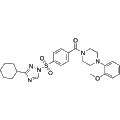
RJG-2051 is a selective covalent inhibitor of aldo-keto reductase family 1 member C3 (AKR1C3), exhibiting an IC50 value of 13 nM. By inhibiting AKR1C3, RJG-2051 disrupts the metabolism of key substrates, including androgens, estrogens, and prostaglandins. This compound holds significant potential for cancer research, offering insights into therapeutic strategies targeting hormone-related pathways in tumorigenesis.
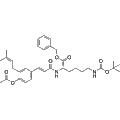
AKR1C3-IN-5 is a potent inhibitor of the AKR1C3 enzyme, which is often overexpressed in hormone-dependent prostate and breast tumors. This compound, a derivative of drupanin, exhibits a half-maximal inhibitory concentration (IC50) of 9.6 ± 3 μM. With a selectivity index (SI) of 5.5 against MCF-7 cells, AKR1C3-IN-5 is valuable for researchers investigating the role of AKR1C3 in cancer biology and therapeutic targeting.
Out of stock
All 3 sizes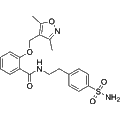
S07-2008 is a selective inhibitor of aldo-keto reductase family 1 member C3 (AKR1C3), exhibiting an IC50 of 0.16 μM. This compound demonstrates notable anticancer activity, making it a valuable tool for researchers investigating cancer biology and potential therapeutic applications targeting AKR1C3. Its specificity and efficacy position S07-2008 as an important reagent for studies on metabolic pathways involved in tumor progression.
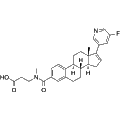
BAY-1128688 is a highly selective inhibitor of the aldehyde reductase AKR1C3, demonstrating an IC50 of less than 2 nM. It exhibits significant selectivity over related AKR1C isoforms and shows no substantial activity against major nuclear hormone receptors. BAY-1128688 has been shown to effectively reduce endometriotic lesions in preclinical endometriosis models. This compound is relevant for research aimed at understanding and treating endometriosis.
Out of stock
All 3 sizes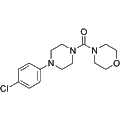
CRT0093964 is a selective inhibitor of the aldehyde-ketone reductase 1C3 (AKR1C3) isoform, demonstrating an IC50 of 0.11 μM. This compound exhibits no inhibitory activity against other AKR isoforms (AKR1C1, AKR1C2, AKR1C4) or cyclooxygenase enzymes (COX-1, COX-2). CRT0093964 is valuable for research in leukemia, hormone-related cancers, and colon cancer, providing insights into the role of AKR1C3 in tumorigenesis and potential therapeutic strategies.
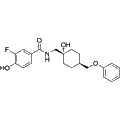
HSD17B13-IN-7 is a selective inhibitor of HSD17B13, exhibiting IC50 values of 0.18 μM and 0.25 μM for β-estradiol and Leukotriene B4, respectively. Additionally, it acts as a potent antagonist of the NMDA NR2B receptor. This compound shows promise for investigation in non-alcoholic fatty liver disease research, making it a valuable tool for studies exploring metabolic disorders and related therapeutic interventions.
Out of stock
All 3 sizes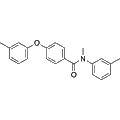
11β-HSD2-IN-2 is a selective inhibitor of 17β-hydroxysteroid dehydrogenase type 2 (17β-HSD2), demonstrating an IC50 of 300 nM. This compound plays a crucial role in modulating steroid metabolism and is valuable for research applications investigating hormonal regulation and related disorders. Its specificity makes it a useful tool for exploring the biological effects of 17β-HSD2 inhibition in various physiological contexts.
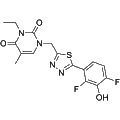
BI-3231 is a potent and selective inhibitor of hydroxysteroid 17β-dehydrogenase 13 (HSD17B13), demonstrating IC50 values of 1 nM and 13 nM for human and mouse HSD17B13, respectively. This compound is valuable for research into nonalcoholic steatohepatitis (NASH) and various liver disorders, facilitating the investigation of HSD17B13's role in lipid metabolism and liver function. Its selective inhibition offers a promising avenue for understanding and potentially treating these conditions.