
- Cat. No.
- A11093
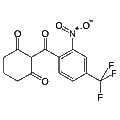
Nitisinone
Synonyms: SC 0735; NTBC
Nitrisinone is a competitive inhibitor that reversibly inhibits 4-Hydroxyphenylpyruvate oxidase (dioxygenase).
In stock
View Details
Search by product name, CAS, target or catalog number. Press Down Arrow to reach product suggestions, Tab to move between links, and Escape to close suggestions.
Herbicides are compounds that stop plant growth by blocking photosynthesis, amino acid synthesis or cell division. They are studied in plant biochemistry, weed resistance research and environmental analysis. Sulfonylureas such as nicosulfuron, and the triazolopyrimidine penoxsulam, inhibit acetolactate synthase (ALS), the first enzyme of branched-chain amino acid synthesis. Amicarbazone blocks electron transport at photosystem II, whereas diquat dibromide accepts electrons at photosystem I and generates reactive oxygen species. Propyzamide, a benzamide, disrupts microtubule assembly during plant cell division. Nitisinone inhibits 4-hydroxyphenylpyruvate dioxygenase (HPPD), the enzyme targeted by triketone herbicides, and is also used to study tyrosine metabolism.
Synonyms: SC 0735; NTBC
Nitrisinone is a competitive inhibitor that reversibly inhibits 4-Hydroxyphenylpyruvate oxidase (dioxygenase).
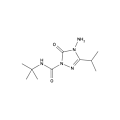
Synonyms: BAY314666; BAY-MKH 3586
Amicarbazone(BAY-MKH3586; BAY314666) is a potent inhibitor of photosynthetic electron transport via binding to the Qb domain of photosystem II (PSII); herbicide with a broad spectrum of weed control.
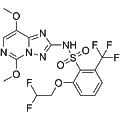
Penoxsulam is a potent acetolactate synthase (ALS) inhibitor that functions as a selective herbicide. It effectively inhibits the enzyme acetohydroxyacid synthase (AHAS) in Candida auris with a Ki value of less than 32 nM. This agent is primarily utilized for postemergence control of annual grasses, sedges, and broadleaf weeds in rice agriculture. Additionally, Penoxsulam serves as a useful tool for investigating Candida auris infections in research contexts.
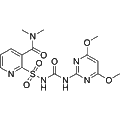
Nicosulfuron is a selective sulfonylurea herbicide that acts as an inhibitor of acetolactate synthase (ALS) within the photosynthetic system. It effectively disrupts the synthesis of branched-chain amino acids (BCAAs), which is beneficial for maize cultivation by enhancing adaptability through glycolysis and the tricarboxylic acid cycle. Additionally, Nicosulfuron demonstrates antifungal properties and its degradation is dependent on glucose concentration when interacting with Plectosphaerella cucumerina AR1 in a planktonic environment. This compound is widely used in agricultural research for studying herbicide efficacy and metabolic pathways.
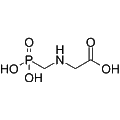
Glyphosate is a potent EPSPS inhibitor that disrupts the shikimic acid pathway by blocking the activity of 5-enolpyruvylshikimate 3-phosphate synthase. This inhibition prevents the biosynthesis of essential aromatic amino acids such as tyrosine, phenylalanine, and tryptophan. In addition to its herbicidal properties, glyphosate has been implicated in inducing oxidative stress, neuroinflammation, and mitochondrial dysfunction, contributing to neuronal cell death through mechanisms including autophagy, necrosis, or apoptosis. It serves as a valuable tool in research related to plant biology, toxicology, and neurological studies.
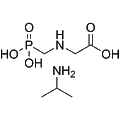
Glyphosate isopropylammonium acts as an inhibitor of 5-enolpyruvylshikimate-3-phosphate synthase (EPSPS) within the shikimic acid pathway. This compound is recognized for its ability to disrupt the biosynthesis of essential aromatic amino acids, including tyrosine, phenylalanine, and tryptophan. Its biological activity extends to inducing oxidative stress, neuroinflammation, and mitochondrial dysfunction, which can result in neuronal cell death through various pathways such as autophagy, necrosis, or apoptosis. This makes glyphosate isopropylammonium relevant for research in plant biology, neurobiology, and the study of herbicide effects.
Out of stock
All 3 sizes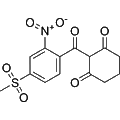
Mesotrione is a selective herbicide that functions as a potent competitive and reversible inhibitor of the enzyme 4-hydroxyphenylpyruvate dioxygenase (HPPD). Its primary biological activity involves the disruption of carotenoid biosynthesis, leading to oxidative stress in targeted weed species. Mesotrione exhibits high tolerance in maize due to its rapid metabolism within the crop, making it a valuable tool for controlling broadleaf weeds while minimizing damage to the desirable maize plants in agricultural research and applications.
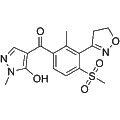
Topramezone is a selective inhibitor of 4-hydroxyphenylpyruvate dioxygenase (4-HPPD), functioning primarily as a herbicide. This compound demonstrates effective post-emergence control of broadleaf and grass weeds in corn crops, making it valuable for agricultural research and herbicide efficacy studies. Its mechanism of action targets specific pathways in the weed species, offering insights into weed resistance management and the development of sustainable agrochemical practices.
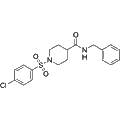
Antimalarial agent 17 is a potent photosystem II inhibitor with dual functionality as both an antimalarial agent and a herbicide. This compound demonstrates effective post-emergence herbicidal activity, comparable to that of leading commercial herbicides. It can be utilized in agricultural research to study herbicide resistance mechanisms and in the development of novel herbicidal agents.
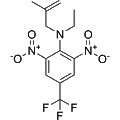
Ethalfluralin is a dinitroaniline herbicide that functions as a microtubule inhibitor. By disrupting intranuclear spindle formation, Ethalfluralin effectively obstructs nuclear division and cytokinesis in parasites. This compound also enhances phosphorylation of NF-κB and P38 MAPK while inhibiting the PI3K/AKT signaling pathway, leading to impaired mitochondrial functionality, apoptosis, endoplasmic reticulum stress, autophagy, and increased reactive oxygen species (ROS) production. Ethalfluralin is particularly relevant for research applications in toxoplasmosis and related parasitic diseases.
Out of stock
All 3 sizes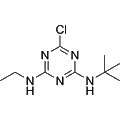
Terbuthylazine is a potent inhibitor of acetolactate synthase (ALS), functioning primarily as a selective herbicide. It disrupts the biosynthesis of branched-chain amino acids in plants, leading to significant herbicidal activity. Terbuthylazine is widely utilized in agricultural research to study the effects of ALS inhibition on growth and development in various crops and weeds.
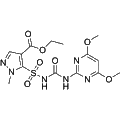
Pyrazosulfuron-ethyl is an herbicide that functions as an inhibitor of acetolactate synthase, a key enzyme in the biosynthetic pathway of branched-chain amino acids. This compound effectively controls a broad spectrum of weed species, making it valuable in agricultural applications, particularly in cereal, soybean, and vegetable crop production. Its selective action allows for effective weed management while minimizing harm to cultivated plants.
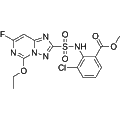
Cloransulam-methyl is a triazolopyrimidine sulfonanilide herbicide that functions primarily through the inhibition of acetolactate synthase (ALS). This compound effectively targets and controls broadleaf weeds in soybean crops. Its reliable herbicidal activity makes it a valuable tool for research focused on weed management and agricultural practices.
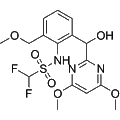
Pyrimisulfan is a selective inhibitor of acetolactate synthase (ALS) and functions as a broad-spectrum herbicide. It effectively targets a diverse array of paddy weeds, including annual grasses, sedges, and broadleaf species, as well as sulfonylurea-resistant biotypes, providing both pre- and post-emergence control. With its long residual activity and excellent safety profile for rice, Pyrimisulfan is valuable for research focusing on herbicidal mechanisms and paddy weed management strategies.
Out of stock
All 3 sizes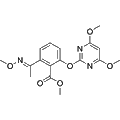
(E)-Pyriminobac-methyl is an acetolactate synthase inhibitor that functions as a pyrimidinylbenzoate herbicide. It effectively inhibits the biosynthesis of branched-chain amino acids, resulting in potent herbicidal activity. This compound has demonstrated efficacy against invasive species such as Echinochloa crus-galli and Leptochloa chinensis, with activity levels significantly surpassing those of certain other herbicides. Its application is essential for research focused on herbicide development and weed management strategies.
Out of stock
All 3 sizes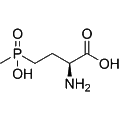
L-Phosphinothricin is a potent inhibitor of glutamine synthetase and functions as a non-selective herbicide. By competitively inhibiting this enzyme, it leads to the accumulation of toxic ammonium ions in both plants and bacteria, thereby disrupting the photosynthesis process. L-Phosphinothricin demonstrates effective herbicidal activity against a wide range of plant species, including both monocots and dicots. This compound is predominantly absorbed through plant leaves, exhibits minimal translocation, and is rapidly degraded by soil microorganisms, making it valuable for research in weed management across agricultural and non-crop environments.
Out of stock
All 3 sizes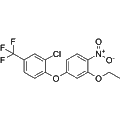
Oxyfluorfen is a diphenyl ether herbicide that acts primarily as a protoporphyrinogen oxidase inhibitor, disrupting photosynthesis by interfering with chlorophyll synthesis. It effectively controls a range of annual broad-leaved and grass weeds in both pre- and post-emergence applications. Additionally, Oxyfluorfen has been shown to inhibit cell growth and induce DNA damage. Its ecological impact extends to aquatic species, such as Paramisgurnus dabryanus, where it can cause genome-level detrimental effects, including stunted skeletal growth and limb abnormalities.
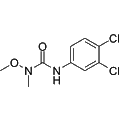
Linuron is a phenylurea herbicide that functions primarily as a photosystem II inhibitor, effectively controlling the growth of grasses and weeds in diverse agricultural settings. In addition to its herbicidal properties, Linuron acts as an orally active competitive antagonist of the androgen receptor, displaying an EC50 of 200 μM in rat systems and 20 μM in human systems. Notably, Linuron is associated with reproductive toxicity in animal models and exhibits endocrine-disrupting capabilities, making it a significant compound for research into environmental health and toxicology.
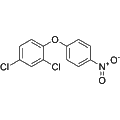
Nitrofen is a selective contact herbicide that functions as an inhibitor of retinal dehydrogenase, a member of the aldehyde dehydrogenase (ALDH) family, as well as protoporphyrinogen oxidase. Its primary mechanism involves disrupting the biosynthetic pathways of chlorophyll, leading to effective weed control. Nitrofen is commonly utilized in agricultural research to investigate herbicidal activities and the underlying biochemical mechanisms of herbicide resistance.
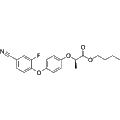
Cyhalofop-butyl is a post-emergence herbicide that specifically targets acetyl-coenzyme A carboxylase (ACCase). By inhibiting ACCase biosynthesis, it effectively disrupts fatty acid synthesis in plants, leading to growth inhibition and eventual death of susceptible species. This compound is primarily used in agricultural research to study herbicide resistance and the mechanisms of action of ACCase inhibitors.
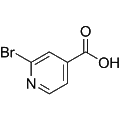
2-Bromoisonicotinic acid is an herbicide that functions through the inhibition of specific plant growth pathways. This compound demonstrates potent herbicidal activity, making it valuable in agricultural research for controlling unwanted vegetation. Its unique chemical structure allows for targeted applications in studies of plant biology and environmental science.
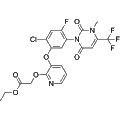
Epyrifenacil is a novel herbicide that functions primarily through the inhibition of carotenoid biosynthesis in target plants. It exhibits effective herbicidal activity against a range of broadleaf and grassy weeds. This compound is utilized in agricultural research to understand weed resistance mechanisms and to develop effective weed management strategies.
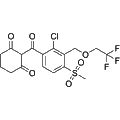
Tembotrione is a selective herbicide that acts as an HPPD (4-hydroxyphenylpyruvate dioxygenase) inhibitor, effectively controlling a range of broadleaf and gramineous weeds. By disrupting carotenoid biosynthesis, Tembotrione induces chlorophyll degradation, resulting in leaf whitening and plant death. It is often used in combination with isoxaflutole or surfactants to enhance its efficacy while minimizing phytotoxicity, ensuring no residual effects on subsequent cruciferous crops. However, its effectiveness may be reduced under drought conditions, and caution is needed as double-dose applications can lead to reversible yellowing and yield reductions in sensitive crops such as poppy.
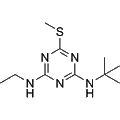
Terbutryn is a potent inhibitor of photosystem II, functioning primarily by disrupting the photosynthetic process in plants and algae. This compound exhibits significant biological activity as an aquatic toxicant, effectively reducing periphyton biomass in artificial indoor stream environments. Additionally, Terbutryn indirectly impacts benthic organisms, such as Lumbriculus variegatus, by depleting their food sources. The overall dissipation time (DT50) of Terbutryn in such aquatic systems is approximately 28 days, making it a relevant compound for studies on aquatic toxicology and ecosystem health.
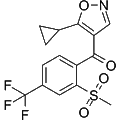
Synonyms: Merlin; RP-201772
Isoxaflutole functions as an inhibitor of 4-hydroxyphenylpyruvate dioxygenase (HPPD), disrupting benzoquinone biosynthesis and leading to bleaching effects in target plants. This potent herbicide is widely utilized in agricultural research to study weed resistance mechanisms and the impact of photosynthetic inhibitors on plant growth. Its efficacy in controlling broadleaf weeds and certain grasses makes it essential for herbicide development studies.