pH Indicators

Browse selected pH indicators for documented solution and assay uses. Match the exact indicator form to your sample and planned readout, and consult the method-specific measurement requirements. Do not assume that every entry is a ready-to-use intracellular pH probe. For reagents specifically assigned to intracellular pH applications, use the separate Intracellular pH Indicators collection and check the individual product specifications.

Items 1-25 of 40

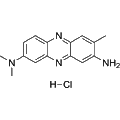
  • Neutral Red
    Cat. No.
    A24737

    Neutral Red

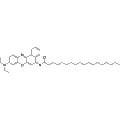
    Neutral Red is a nitrogenous pH indicator with a pKa of 6.8, functioning primarily as a probe for monitoring internal acidification processes within thylakoids. Its effective staining properties allow it to highlight lysosomal compartments, providing valuable insights in cellular studies. This reagent is widely utilized in research applications focusing on cellular biology, particularly in investigations of lysosomal function and pH-dependent processes.

    500 mg
    $30.00
    1 g
    $50.00
    All 3 sizes
  • Pyranine
    Cat. No.
    A24891

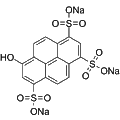
    Pyranine

    Synonyms: HPTS; Solvent Green 7

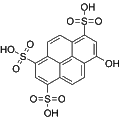
    Pyranine is a cell-impermeant, pH-sensitive fluorescent indicator that serves primarily as a pH monitor. This compound exhibits strong fluorescence and acts as a chemosensor for copper ions (Cu+), making it valuable for various biochemical applications. Pyranine is widely utilized as a biological stain, optical detecting reagent, and as a coloring agent in research environments, with an excitation/emission spectrum of 450/510 nm. Its ability to provide precise pH measurements enhances its utility in various experimental setups.

    500 mg
    $35.00
    1 g
    $60.00
    All 2 sizes
  • Phenol Red
    Cat. No.
    A24900

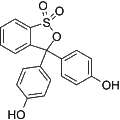
    Phenol Red

    Synonyms: Phenolsulfonephthalein

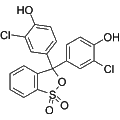
    Phenol Red is a pH indicator dye that exhibits a notable color transition from pink to yellow in response to changes in acidity. This property makes it essential for applications in cell culture and biological research, where monitoring pH levels is crucial for maintaining optimal conditions for cell viability and function. Phenol Red is widely utilized in laboratory assays and as a diagnostic tool for evaluating the conditions of various biological systems.

    1 g
    $20.00
    5 g
    $25.00
    All 3 sizes
  • 9-Amino-6-chloro-2-methoxyacridine
    Cat. No.
    A24917

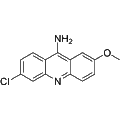
    9-Amino-6-chloro-2-methoxyacridine

    Synonyms: ACMA

    9-Amino-6-chloro-2-methoxyacridine is a pH-sensitive fluorescent probe that exhibits significant changes in fluorescence intensity in response to pH variations. This compound is particularly useful for monitoring vacuolar pH changes during substrate transport across the tonoplast via a proposed H+/solute antiport mechanism. Its application in cellular and molecular research facilitates the understanding of acid-base homeostasis in plant cells and other biological systems.

    5 mg
    $55.00
    10 mg
    $100.00
    All 3 sizes
  • Thymol blue
    Cat. No.
    A43683

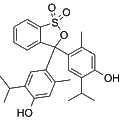
    Thymol blue

    Synonyms: Thymolsulphonephthalein

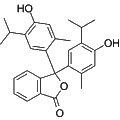
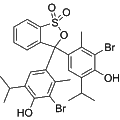
    Thymol blue is a reversible pH indicator that targets acid-base conditions through protonation and deprotonation mechanisms. It exhibits distinct color changes, transitioning from red in acidic solutions (pH 1.2-2.8) to yellow and then to blue in alkaline environments (pH 8.0-9.6). Quantitative detection is facilitated by an absorption peak shift observed at 435 nm and 596 nm in the UV-visible spectrum. Thymol blue can also be immobilized in a silica gel matrix using sol-gel technology, enabling its application as a solid-state sensor for in-situ pH measurement in marine settings and acid-base monitoring in biomedical research.

    500 mg
    $20.00
    1 g
    $25.00
    All 3 sizes
  • Brom0phenol blue sodium
    Cat. No.
    A43697

    Brom0phenol blue sodium

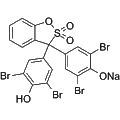
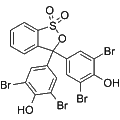
    Bromophenol blue sodium is a pH indicator that exhibits a color transition from yellow at pH 3.0 to blue at pH 4.6. This compound is widely utilized in molecular biology applications as a tracking dye for monitoring the progress of agarose and polyacrylamide gel electrophoresis. Its ability to indicate pH changes makes it a valuable tool in various biochemical assays and experiments.

    1 g
    $25.00
    All 1 sizes
  • Thymol Blue sodium
    Cat. No.
    A43710

    Thymol Blue sodium

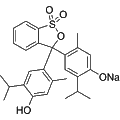
    Thymol Blue sodium is an acid-base indicator that exhibits distinct color changes in response to pH fluctuations. It transitions from red to yellow between pH 1.2 and 2.8 and from yellow to blue within the pH range of 8.0 to 9.6. This reagent facilitates quantitative measurements through the shift in absorption peaks at 435 nm and 596 nm in the UV-visible spectrum. Thymol Blue sodium can be incorporated into a silica gel matrix via sol-gel technology, enabling the development of solid-state sensors for real-time pH monitoring in marine environments and applications in acid-base analysis within biomedical research.

    500 mg
    $20.00
    1 g
    $25.00
    All 2 sizes
  • OG 488, acid
    Cat. No.
    A43721

    OG 488, acid

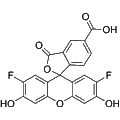
    OG 488, acid, is a fluorescent pH indicator commonly used in biochemical research and neurosciences. This compound exhibits pH-dependent fluorescence properties, allowing for precise monitoring of pH changes in biological environments. Its applications span various assays, including cellular imaging and biochemical analyses, making it a valuable tool for researchers studying pH dynamics in live cells.

    5 mg
    $90.00
    10 mg
    $145.00
    All 5 sizes
  • Cresol red, 97%
    Cat. No.
    A43725

    Cresol red, 97%

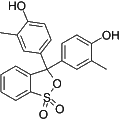
    Cresol red is an anionic dye primarily utilized as a pH indicator, exhibiting distinct color transitions from orange at pH 1.8 to yellow at pH 2.0, and further shifting to yellow and ultimately purple between pH 7.0 and pH 8.8. This compound serves essential roles in various biochemical assays and laboratory applications, facilitating the determination of acidity and alkalinity in diverse solutions. Its reliable performance makes it a valuable reagent for researchers engaged in studies involving pH-sensitive environments.

    100 mg
    $20.00
    All 1 sizes
  • Thymolphthalein
    Cat. No.
    A43727

    Thymolphthalein

    Thymolphthalein is a pH indicator that undergoes a distinct color change from colorless in acidic conditions to blue in basic environments. This phthalein dye exhibits electrochemical activity due to its thymol components, making it valuable for acid-base titrations and other chemical analyses. Its ability to provide visual cues for pH levels makes it widely used in laboratory research and educational settings.

    100 mg
    $20.00
    All 1 sizes
  • Alizarine Yellow R
    Cat. No.
    A43733

    Alizarine Yellow R

    Synonyms: Mordant orange 1

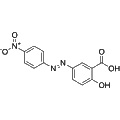
    Alizarine Yellow R, a salicylic acid derivative and azo dye, functions primarily as a pH indicator. It exhibits key biological activity as a staining agent in various chemical examinations and is utilized in biological research. Additionally, Alizarine Yellow R finds applications in dyeing industries, making it a versatile reagent in both laboratory and industrial settings.

    100 mg
    $25.00
    250 mg
    $45.00
    All 4 sizes
  • Chromoionophore I
    Cat. No.
    A43736

    Chromoionophore I

    Synonyms: ETH 5294

    Chromoionophore I is a hydrophobic pH indicator that functions as a transmissive and fluorescent probe in various hydrophobic sensor membranes. Its oil-soluble nature allows for effective detection of pH changes in non-aqueous environments. This compound is widely utilized in chemical research and development for creating sensitive pH sensors and monitoring applications in diverse fields.

    5 mg
    $165.00
    10 mg
    $270.00
    All 2 sizes
  • Pyranine free acid
    Cat. No.
    A43810

    Pyranine free acid

    Synonyms: HPTS free acid; Solvent Green 7 free acid

    Pyranine free acid is a pH-sensitive fluorescent indicator that exhibits strong fluorescence in response to pH changes. As a chemosensor, it selectively binds to Cu+ ions, making it valuable for applications in metal ion detection. Additionally, pyranine free acid serves as a coloring agent, biological stain, and optical detecting reagent, with excitation and emission wavelengths at 450 nm and 510 nm, respectively. Its versatility makes it suitable for various research applications in biosensing and environmental monitoring.

    Out of stock

    All 3 sizes
  • Chlorophenol red
    Cat. No.
    A43811

    Chlorophenol red

    Synonyms: Dichlorophenolsulphonephthalein

    Chlorophenol red (Dichlorophenolsulphonephthalein) is a multifunctional dye primarily used for various biological applications. It serves as a valuable tool for observing and analyzing cell structures, tracking biomolecules, evaluating cellular functions, distinguishing cell types, and detecting biomolecules. Additionally, this dye is essential in studying tissue pathology and monitoring microorganisms. Its versatility extends beyond research, with applications in clinical diagnostics, textile dyeing, food pigments, and innovative fields such as dye-sensitized solar cells.

    Out of stock

    All 3 sizes
  • Glycine cresol red
    Cat. No.
    A43867

    Glycine cresol red

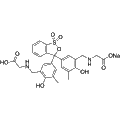
    Glycine cresol red is a complexometric indicator that primarily targets Al3+, Ga3+, and In3+ ions in aqueous solutions. This compound forms colored complexes, making it useful for the spectrophotometric determination of inorganic ions. Additionally, glycine cresol red is utilized as a staining agent in neurohistology research, aiding in the visualization of neural tissues.

    Out of stock

    All 3 sizes
  • Cresol Red sodium
    Cat. No.
    A43875

    Cresol Red sodium

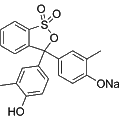
    Cresol Red sodium is a triarylmethane dye that serves as a pH indicator. It exhibits distinct color changes across a range of pH levels, making it suitable for applications in biochemical assays, environmental monitoring, and educational experiments. Its sensitivity to pH variations allows for effective monitoring of acid-base reactions and conditions.

    Out of stock

    All 3 sizes
  • m-Cresol purple
    Cat. No.
    A44015

    m-Cresol purple

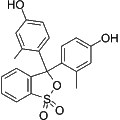
    m-Cresol purple is a pH indicator dye that exhibits halochromic properties, allowing for a clear visual transition in the neutral pH range. Its large cross-section enhances its sensitivity, making it an effective tool for monitoring pH changes in various biochemical assays. This compound is commonly utilized in laboratory settings for applications such as titrations, biological studies, and environmental analyses.

    1 g
    $20.00
    5 g
    $55.00
    All 3 sizes
  • Chlorophenol Red sodium
    Cat. No.
    A44604

    Chlorophenol Red sodium

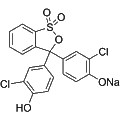
    Chlorophenol Red sodium is a pH indicator that functions by undergoing a color change in response to varying pH levels, specifically in the range of approximately 5.2 to 6.8. It exhibits a prominent red color at acidic pH and transitions to a yellow hue in more alkaline conditions. This reagent is widely utilized in biochemical assays, environmental monitoring, and educational applications to visually assess pH changes in various solutions.

    Out of stock

    All 3 sizes
  • Bromophenol blue
    Cat. No.
    A44615

    Bromophenol blue

    Bromophenol blue is an acid phthalein dye that functions as a pH indicator with a transition range of pH 3 to 4.6. Its utility in electrophoresis as a tracking dye enables the visualization of biomolecules during separation processes. Additionally, Bromophenol blue serves as a sensor for quantifying compounds such as ammonia, drugs, proteins, and amino acids, with significant absorbance observed at 610 nm upon protein binding.

    5 g
    $20.00
    10 g
    $25.00
    All 2 sizes
  • Phenol Red sodium salt
    Cat. No.
    A44623

    Phenol Red sodium salt

    Synonyms: Phenolsulfonephthalein sodium salt

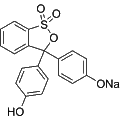
    Phenol Red sodium salt is a pH indicator dye with a primary role as an acid-base indicator. It exhibits a distinct color change from pink to yellow in response to shifts in pH, allowing for effective monitoring in various biological assays. Additionally, Phenol Red sodium salt acts as an antagonist of rat P2X1R and enhances the halogenating activity of myeloperoxidase, making it valuable for studies involving cellular mechanisms and enzyme activities. Its applications extend to cell culture and biochemical research where precise pH measurement is essential.

    500 mg
    $20.00
    5 g
    $25.00
    All 3 sizes
  • Bromothymol Blue
    Cat. No.
    A44639

    Bromothymol Blue

    Bromothymol Blue is a pH indicator commonly utilized for assessing acidity and alkalinity in various biological and chemical systems. It exhibits a colour change from yellow to blue in the pH range of approximately 6.0 to 7.6, making it valuable for applications in titrations andcell culture experiments. This compound is particularly useful in monitoring physiological pH changes in studies related to cellular metabolism and environmental science.

    1 g
    $25.00
    2 g
    $30.00
    All 4 sizes
  • o-Cresolphthalein complexone
    Cat. No.
    A44649

    o-Cresolphthalein complexone

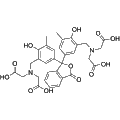
    o-Cresolphthalein complexone is a multifunctional dye that primarily serves as a pH indicator and chelating agent. It is employed extensively in biological experiments to visualize cell structures, track biomolecules, and evaluate cellular functions, making it a valuable tool in both basic research and clinical diagnostics. Additionally, its applications extend to traditional textile dyeing and innovative areas such as food pigmentation and dye-sensitized solar cells, highlighting its versatility across various scientific fields.

    10 mg
    $25.00
    25 mg
    $30.00
    All 8 sizes
  • 4-(4-Nitrophenylazo)resorcinol
    Cat. No.
    A45248

    4-(4-Nitrophenylazo)resorcinol

    Synonyms: Azo Violet; Magneson I

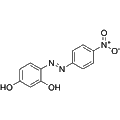
    4-(4-Nitrophenylazo)resorcinol acts as a fluorescent dye with pH indicator properties. It exhibits a color change from yellow at pH levels below 11 to purple above pH 13, and can shift to dark blue in the presence of magnesium salts in slightly alkaline conditions. This compound is also useful for detecting ammonium ions, with the resulting color of ammonium chloride or ammonium hydroxide solutions varying based on the concentration of the dye used. Its properties make it valuable for applications in analytical chemistry and environmental monitoring.

    25 mg
    $20.00
    50 mg
    $25.00
    All 6 sizes
  • Ethyl red iodide
    Cat. No.
    A45464

    Ethyl red iodide

    Synonyms: 1,1'-Diethyl-2,4'-cyanine iodide

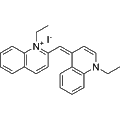
    Ethyl red iodide functions as an azo dye and acid-base indicator. This compound exhibits pH-sensitive color changes, making it a valuable tool in various analytical chemistry applications. Researchers utilize ethyl red iodide for titrations and pH measurement studies, aiding in the assessment of acidity and alkalinity in diverse samples. Its stability and reliability in colorimetric assays make it essential for laboratory investigations.

    Out of stock

    All 3 sizes
  • Tetrabromophenol blue, IND
    Cat. No.
    A88348

    Tetrabromophenol blue, IND

    Synonyms: TBPB; IND

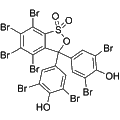
    Tetrabromophenol blue is a biochemical reagent primarily used as a pH indicator. It exhibits colorimetric changes at different pH levels, making it useful in various biochemical assays and laboratory applications. This compound is instrumental in studies involving acid-base titration, protein electrophoresis, and as a tracking dye in gel electrophoresis. Its sensitivity to pH changes allows for precise monitoring of biological processes and reactions.

    250 mg
    $20.00
    500 mg
    $25.00
    All 4 sizes

Items 1-25 of 40

Added to your cart

View Cart Checkout

    Loading...