Opioid Receptors

Opioid receptor agonists and antagonists act on mu, delta and kappa receptors and the related nociceptin receptor. All four are G protein-coupled receptors that respond to endogenous peptides such as endorphins, enkephalins and dynorphins. Expression cloning of the delta opioid receptor in 1992 opened the family to molecular study. The nociceptin/orphanin FQ peptide (NOP) receptor, first called opioid receptor-like 1 (ORL1), was matched to its endogenous peptide agonist in 1995. Dynorphin A (1-13) Acetate is a peptide agonist at the kappa receptor, and JDTic is a kappa antagonist. SR-17018 acts as a mu agonist, while alvimopan is a peripherally acting opioid antagonist. MCOPPB trihydrochloride is a NOP agonist, and BAN ORL 24 blocks the same receptor.

Items 201-205 of 205

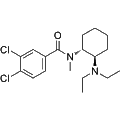
  • U-49900
    Cat. No.
    A62696

    U-49900

    U-49900 is a u-opioid receptor agonist that demonstrates significant analgesic properties. Its primary mechanism involves modulating pain responses by activating the u-opioid receptor, which is integral in the management of pain signaling pathways. This compound is commonly used in pharmacological studies focusing on pain relief, opioid receptor interactions, and the development of novel analgesics.

    1 mg
    $210.00
    5 mg
    $640.00
    All 2 sizes
  • Salvinorin A carbamate
    Cat. No.
    A62698

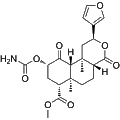
    Salvinorin A carbamate

    Salvinorin A carbamate is a potent κ-opioid receptor agonist, exhibiting an EC50 value of 6.2 nM and a Ki of 3.2 nM. This compound demonstrates significant biological activity in modulating pain and has potential applications in the study of addiction and mood disorders. Its unique pharmacological profile makes it a valuable tool for research in opioid receptor signaling and therapeutic development.

    0.5 mg
    $180.00
    1 mg
    $340.00
    All 3 sizes
  • Endomorphin 2
    Cat. No.
    A62702

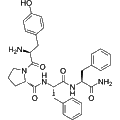
    Endomorphin 2

    Endomorphin 2 is a high-affinity agonist of the μ-opioid receptor, exhibiting selectivity and potency in targeting this pathway. It also shows moderate affinity for kappa3 binding sites, with a Ki value ranging from 20 to 30 nM. This compound is valuable for research in pain management, neurobiology, and the pharmacological characterization of opioid receptors. Its unique properties make it suitable for studies focused on opioid signaling and potential therapeutic applications in pain relief.

    1 mg
    $35.00
    2 mg
    $45.00
    All 7 sizes
  • Profadol hydrochloride
    Cat. No.
    A66750

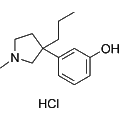
    Profadol hydrochloride

    Synonyms: CI-572 hydrochloride

    Profadol hydrochloride is a potent analgesic agent that acts primarily as a µ-opioid receptor (MOR) agonist. This compound is known to activate γ-aminobutyric acid (GABA) receptors while inhibiting N-methyl-D-aspartate (NMDA) receptors, contributing to its analgesic effects. Additionally, Profadol hydrochloride enhances the mRNA and protein expression of MOR, making it a valuable tool for research in pain management and opioid pharmacology.

    25 mg
    $1,275.00
    50 mg
    $1,625.00
    All 3 sizes
  • Dinalbuphine sebacate
    Cat. No.
    A70515

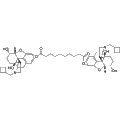
    Dinalbuphine sebacate

    Synonyms: Sebacoyldinalbuphine

    Dinalbuphine sebacate is a prodrug of Nalbuphine, primarily acting as a κ-opioid receptor agonist and a μ-opioid receptor partial antagonist. Upon hydrolysis, it releases Nalbuphine, offering sustained analgesic effects for up to 7 days. This compound is utilized for the management of moderate to severe postoperative pain, making it a valuable tool in pain management research.

    Out of stock

    All 3 sizes

Items 201-205 of 205

Added to your cart

View Cart Checkout

    Loading...